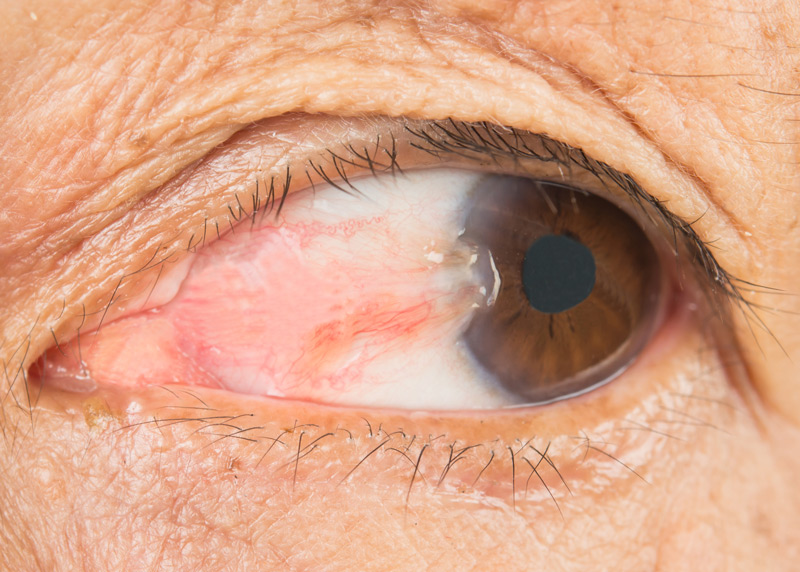
Pterygium is a common eye condition characterized by the growth of a fleshy tissue on the clear front surface of the eye. Although it is generally benign, pterygium can cause annoying symptoms and may even impact your vision if left untreated. In this informative article, we will explore the risk factors associated with pterygium and discuss some precautions you can take to minimize your chances of developing this condition. So, let’s dive into the world of eye health and discover how you can protect yourself from the potential hazards of pterygium.

Risk Factors for Pterygium
Age
Age is one of the risk factors for developing pterygium. As you get older, the likelihood of developing this condition increases. Pterygium is more common in individuals over the age of 40. This is due to cumulative exposure to various environmental factors over time.
Gender
Gender also plays a role in pterygium risk. Men have a higher likelihood of developing this condition compared to women. This difference may be attributed to various factors, including occupational and lifestyle differences between genders.
Eye Color
Interestingly, eye color has been found to be associated with the risk of developing pterygium. People with light-colored eyes, such as blue or green, are more likely to develop this condition. The exact reason behind this association is still not fully understood, but it could be related to the amount of melanin in the eye.
Genetics
Your family history plays a significant role in determining your risk of developing pterygium. If you have immediate family members who have had pterygium, there is a greater chance that you may develop it too. Genetic factors contribute to the likelihood of developing pterygium, although the specific genes involved are still being investigated.
Occupation and Environmental Factors
Your occupation and environmental factors you are exposed to can increase your risk of developing pterygium. Outdoor workers, such as farmers, construction workers, and fishermen, are more susceptible to developing pterygium due to prolonged exposure to sunlight, wind, and dust. Additionally, individuals who work in environments with high levels of ultraviolet (UV) radiation, such as welders, may also have an elevated risk.
Geographic Location
The prevalence of pterygium varies depending on the geographic location. Hot and dry climates, such as tropical and subtropical regions, have higher rates of pterygium. This could be due to the increased exposure to sunlight and dust particles in these areas. Interestingly, the prevalence of pterygium also varies with latitude, with higher rates observed closer to the equator.
Outdoor Activities
Engaging in outdoor activities that involve prolonged exposure to sunlight, dust, and wind can increase the risk of developing pterygium. This includes activities like farming, gardening, and outdoor sports. It is important to take precautions when participating in these activities to reduce the risk of developing pterygium.
UV Exposure
Exposure to ultraviolet (UV) radiation, both from sunlight and artificial sources, is a significant risk factor for pterygium. Prolonged and unprotected exposure to UV radiation can damage the cells on the surface of your eyes and contribute to the development of pterygium. Wearing sunglasses or other protective eyewear that block both UVA and UVB rays can help mitigate this risk.
Dry and Dusty Environments
Dry and dusty environments increase the risk of developing pterygium. Constant exposure to dry and dusty conditions can irritate the eyes, leading to the growth of pterygium. Taking measures to keep your eyes hydrated and using lubricating eye drops can help prevent dryness and minimize the risk.
Smoking and Alcohol Consumption
Both smoking and excessive alcohol consumption can have detrimental effects on your overall health, including your eye health. These lifestyle factors have been linked to an increased risk of developing pterygium. Quitting smoking and moderating alcohol consumption can not only reduce the risk of pterygium but also improve your overall well-being.

Precautions to Reduce Pterygium Risk
Protective Eyewear
Wearing protective eyewear is crucial in safeguarding your eyes from harmful environmental factors. When participating in outdoor activities or working in environments exposed to wind, dust, or UV radiation, wearing goggles or sunglasses that provide proper coverage and UV protection can significantly reduce the risk of developing pterygium.
UV Protection
Minimizing your exposure to UV radiation is vital for preventing pterygium. Whenever you are outside, especially during peak sunlight hours, make sure to wear sunglasses with UVA and UVB protection. Additionally, consider wearing a hat or using an umbrella for added sun protection.
Eye Hydration
Keeping your eyes hydrated is essential for maintaining optimal eye health. Dryness can irritate the eyes, making them more susceptible to pterygium. Use artificial tears or lubricating eye drops to keep your eyes moist in dry or dusty environments. Drink plenty of water and maintain sufficient overall hydration to support eye health.
Avoid Smoke and Irritants
Smoke, whether from tobacco or other sources, can irritate the eyes and increase the risk of developing pterygium. Avoid exposure to smoke and other irritants as much as possible. If you are a smoker, quitting smoking will not only reduce your risk of pterygium but also have numerous other health benefits.
Proper Nutrition
Maintaining a balanced and nutritious diet is important for overall health, including eye health. Consuming a variety of fruits, vegetables, and foods rich in omega-3 fatty acids, vitamins C and E, and zinc can help support healthy eyes. Adequate nutrition can help reduce the risk of developing pterygium.
Regular Eye Examinations
Routine eye examinations are crucial for early detection of any eye conditions, including pterygium. Regular visits to an eye care professional allow for timely identification and management of any eye health issues. Early detection and intervention can help prevent the progression of pterygium.
Early Treatment of Dry Eye
Dry eye syndrome can increase the vulnerability to pterygium. If you experience symptoms of dryness, redness, or irritation in your eyes, seek professional assistance for timely diagnosis and treatment of dry eye. Managing dry eye effectively can help minimize the risk of developing pterygium.
Avoid Overexposure to Sunlight
To reduce the risk of pterygium, it is important to limit overexposure to sunlight. Seek shade when the sun’s rays are strongest, typically between 10 am and 4 pm. If you are going to be outside during these hours, make sure to wear protective eyewear and use other sun protection measures.
Effective Dust Control Measures
If you frequently work or live in dusty environments, implementing effective dust control measures is essential. Use appropriate personal protective equipment, such as goggles or masks, to shield your eyes from dust particles. Regular cleaning and maintaining a dust-free environment can also help reduce the risk of pterygium.
Quitting Smoking and Alcohol Moderation
As previously mentioned, both smoking and excessive alcohol consumption can increase the risk of pterygium. Quitting smoking altogether and moderating alcohol consumption can significantly reduce your risk of developing this condition. If you need support in quitting smoking or managing alcohol consumption, consult with healthcare professionals or support groups.
Taking precautions to reduce the risk of pterygium is crucial for maintaining good eye health. By being aware of the risk factors and implementing preventive measures, such as wearing protective eyewear, avoiding overexposure to sunlight, and staying hydrated, you can greatly reduce the likelihood of developing pterygium. Remember to prioritize regular eye examinations and seek professional guidance for any eye health concerns. By adopting these precautions, you can safeguard your eyes and enjoy optimal eye health for years to come.