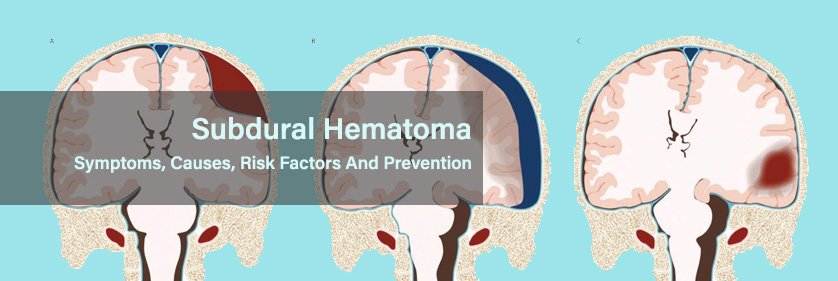
Subdural hematoma, a condition characterized by bleeding between the brain and its outermost covering, can be a serious and potentially life-threatening condition. Understanding the risk factors associated with subdural hematoma is crucial for prevention and timely treatment. In this article, we will explore the various factors that contribute to the development of subdural hematoma, as well as the precautions you can take to minimize the risk of experiencing this condition. By gaining knowledge about the risk factors and implementing preventive measures, you can protect yourself and your loved ones from the potential complications of subdural hematoma.
Risk Factors for Subdural Hematoma
Head Trauma
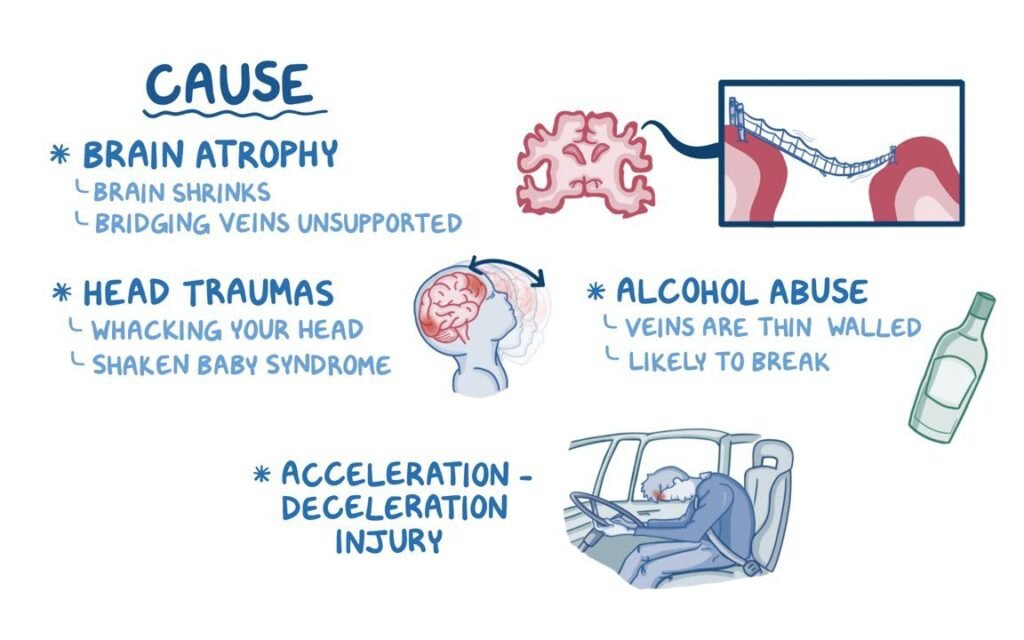
Head trauma is one of the most significant risk factors for subdural hematoma. Any injury to the head, whether mild or severe, can potentially cause bleeding within the skull and lead to the formation of a subdural hematoma. It is crucial to take precautions to prevent head trauma, especially in activities that carry a higher risk, such as contact sports, construction work, or other potentially dangerous activities.
Age
Age is another important risk factor for subdural hematoma. The risk of developing this condition increases with age, particularly in older adults. This is because the brain tends to shrink and become more fragile over time, making it more susceptible to injury. Older adults, therefore, need to be extra cautious and take steps to minimize the risk of head injury.
Alcohol Use
Excessive alcohol use is a risk factor for many health conditions, including subdural hematoma. Alcohol impairs coordination and judgment, leading to an increased likelihood of accidents and head injuries. It also disrupts the blood’s ability to clot, making bleeding in the brain more severe. Limiting alcohol consumption and practicing responsible drinking habits can help reduce the risk of subdural hematoma.
Use of Anticoagulant Medications
Anticoagulant medications, commonly known as blood thinners, are prescribed to people with various medical conditions to prevent or treat blood clots. While these medications are crucial for many individuals, they can increase the risk of bleeding, including subdural hematoma. If you are taking anticoagulant medications, it is essential to carefully manage your dosage and regularly monitor your blood clotting levels to minimize the risk of bleeding.
Medical Conditions
Certain medical conditions can raise the risk of developing a subdural hematoma. These conditions include liver disease, kidney disease, blood clotting disorders, and certain cancers. It is vital for individuals with these conditions to work closely with their healthcare providers to manage their condition effectively and reduce the risk of subdural hematoma.
Genetic Predisposition
Genetic factors can also play a role in the development of subdural hematoma. Research suggests that certain genetic traits may increase an individual’s susceptibility to this condition. While we cannot control our genetics, being aware of our family history and discussing the risk of subdural hematoma with our healthcare providers can help in adopting preventive measures and seeking early medical intervention if needed.
Hypertension
Uncontrolled high blood pressure, or hypertension, can have detrimental effects on various organs, including the brain. It can weaken blood vessels, making them more prone to rupture and leading to a subdural hematoma. Managing hypertension through lifestyle modifications, such as adopting a balanced diet, regular exercise, stress reduction techniques, and medication, can significantly reduce the risk of developing this condition.
Smoking
Smoking is a well-known risk factor for various health problems, and subdural hematoma is no exception. Smoking damages blood vessels and reduces overall blood flow, which can increase the risk of bleeding in the brain. Quitting smoking is an important step in preventing subdural hematoma and improving overall health.
Illicit Drug Use
The use of illicit drugs, such as cocaine or methamphetamines, can significantly increase the risk of subdural hematoma. These drugs can raise blood pressure, cause blood vessels to constrict, and impair judgment and coordination, all of which contribute to a higher likelihood of head trauma. It is crucial to avoid illicit drug use to reduce the risk of subdural hematoma and its associated complications.
Previous Subdural Hematoma
Having a history of a previous subdural hematoma increases the risk of subsequent occurrences. The factors that contributed to the initial hematoma, such as head trauma or underlying medical conditions, may still be present and continue to pose a risk. It is vital for individuals with a history of subdural hematoma to be vigilant in taking precautions and receiving regular medical follow-ups to prevent future episodes.
Precautions to Prevent Subdural Hematoma
Avoiding Head Trauma
Taking steps to avoid head trauma is crucial in preventing subdural hematoma. It is important to wear appropriate safety gear, such as helmets, when engaging in activities that carry a higher risk of head injury, such as biking, skiing, or motorcycling. Additionally, practicing caution when participating in contact sports or engaging in activities with potential fall risks can help minimize the chance of head trauma.
Managing Underlying Medical Conditions
If you have any underlying medical conditions, such as liver disease, kidney disease, or blood clotting disorders, it is essential to work closely with your healthcare provider to manage them effectively. Regular check-ups, medication adherence, and lifestyle modifications can help reduce the risk of subdural hematoma associated with these medical conditions.
Alcohol and Drug Use
Limiting alcohol consumption and avoiding illicit drug use are essential precautions in preventing subdural hematoma. Practicing responsible drinking habits and seeking help for substance abuse can significantly reduce the likelihood of accidents, head injuries, and associated bleeding in the brain.
Monitoring Blood Pressure
Regular monitoring of blood pressure is crucial, especially for individuals with hypertension or a history of high blood pressure. Consistently elevated blood pressure weakens blood vessels, making them more prone to rupture and increasing the risk of subdural hematoma. If you have high blood pressure, work with your healthcare provider to develop a management plan that includes lifestyle modifications and appropriate medications.
Careful Use of Anticoagulant Medications
If you are taking anticoagulant medications, it is essential to ensure careful use and monitoring. Adhering to prescribed dosages, routine blood tests to assess clotting levels, and regular follow-ups with your healthcare provider can help minimize the risk of bleeding, including subdural hematoma.
Protective Headgear
Wearing protective headgear in situations where head injuries are common is a simple yet effective precautionary measure. Helmets, safety hats, and other appropriate headgear can provide a significant level of protection and reduce the severity of head trauma in case of accidents or falls.
Safety Measures in Sports and Recreational Activities
Sports and recreational activities carry a risk of head injury, particularly those involving physical contact or a chance of falling. Adhering to safety rules, using appropriate safety equipment, practicing good sportsmanship, and being aware of potential risks can contribute to preventing subdural hematoma in sports-related situations.
Fall Prevention
Taking measures to prevent falls is essential, especially for older adults who may be more prone to injuries. Removing hazards in the environment, installing handrails and grab bars, maintaining good lighting, and being mindful of one’s balance and mobility can help reduce the risk of falls and head trauma.
Genetic Counseling
If you have a family history of subdural hematoma or other related conditions, considering genetic counseling can be beneficial. Genetic counselors can assess your risk based on your family history and provide personalized recommendations and support to minimize the chances of developing subdural hematoma.
Lifestyle Modifications
Adopting a healthy lifestyle is essential in preventing subdural hematoma and promoting overall well-being. This includes maintaining a balanced diet, engaging in regular physical activity, managing stress effectively, and avoiding harmful habits such as smoking or excessive alcohol consumption. A healthy lifestyle strengthens the body’s defenses and reduces the risk of many medical conditions, including subdural hematoma.
By understanding the risk factors associated with subdural hematoma and implementing appropriate precautions, we can minimize the likelihood of developing this condition. It is important to prioritize our safety, manage underlying medical conditions, and make healthy choices to promote a life free from the risks of subdural hematoma. Always remember, prevention is key when it comes to protecting our brain and ensuring our long-term well-being.