
Straightening your spine is essential for maintaining good posture, but did you know that there are several risk factors that can contribute to spine curvature disorders? In this article, we will explore the various risk factors, such as age, genetics, and certain medical conditions, that can increase your likelihood of developing spine curvature disorders. Additionally, we’ll discuss the precautions you can take to prevent or manage these conditions, including regular exercise, proper lifting techniques, and maintaining a healthy body weight. So, if you’re curious about how to keep your spine in optimal shape, keep reading to learn more!

Risk Factors for Spine Curvature Disorders
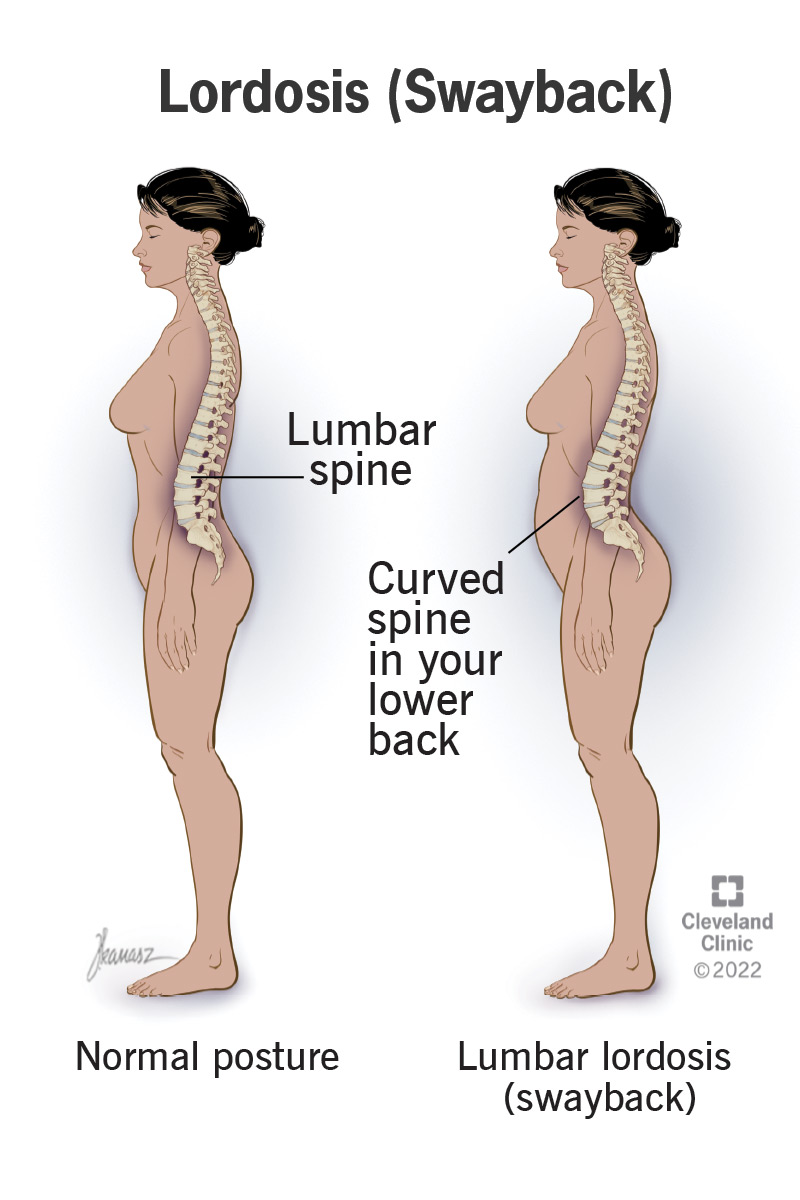
Spine curvature disorders, such as scoliosis, kyphosis, and lordosis, can have a significant impact on your overall health and quality of life. It is important to understand the risk factors associated with these conditions in order to take appropriate precautions and maintain a healthy spine. From genetics to lifestyle choices, several factors can contribute to the development and progression of spine curvature disorders. Let’s explore these risk factors in detail.
Genetics
Your genetic makeup plays a crucial role in determining your risk of developing spine curvature disorders. Family history is an essential factor to consider, as these conditions can be hereditary. If a close relative, such as a parent or sibling, has been diagnosed with scoliosis, for example, there is a higher likelihood that you might also develop the condition. Genetic mutations and inherited disorders can further increase your susceptibility.

Age
Age is another important factor that influences the development of spine curvature disorders. These conditions commonly manifest during specific stages of life. During the adolescent years, rapid growth spurts can lead to the curvature of the spine. It is crucial to monitor the spine’s alignment during this period, as early detection and intervention can prevent further progression. In some cases, spine curvature disorders can also develop in adults, usually due to age-related degeneration or untreated conditions from childhood.
Gender
Gender is an intriguing factor associated with spine curvature disorders. There are differences in prevalence between males and females. While both genders can develop these conditions, females tend to be more prone to certain types of spine curvature disorders. Scoliosis, for instance, is more frequently seen in females. On the other hand, other conditions like kyphosis or lordosis may affect both males and females equally.
Poor Posture
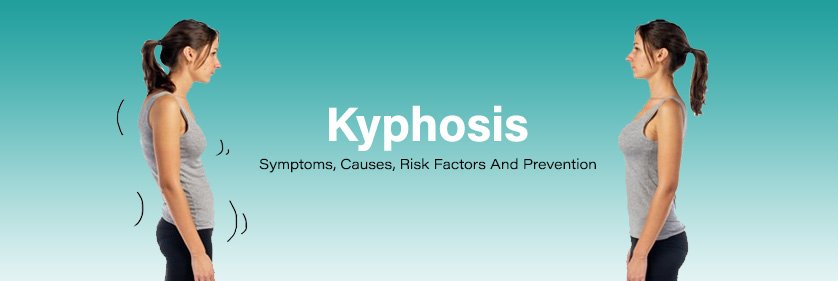
Maintaining good posture is crucial for a healthy spine. Poor posture, on the other hand, can contribute to the development and progression of spine curvature disorders. Habits such as slouching or sitting for extended periods in a hunched position can place unnecessary stress on the spine. Additionally, the modern phenomenon of “text neck,” where the head is consistently tilted forward to look at smartphones or other devices, can also negatively impact spinal alignment.
Muscular Imbalances
Imbalances in the muscles that support the spine can also contribute to the development of spine curvature disorders. Weak or underdeveloped muscles may not provide adequate support, leading to an increased risk of misalignment. Conversely, tight muscles can pull the spine out of its natural position, causing curvature. Conditions such as muscular dystrophy or cerebral palsy, characterized by muscle weakness and tightness, can also be risk factors.
Occupational Factors
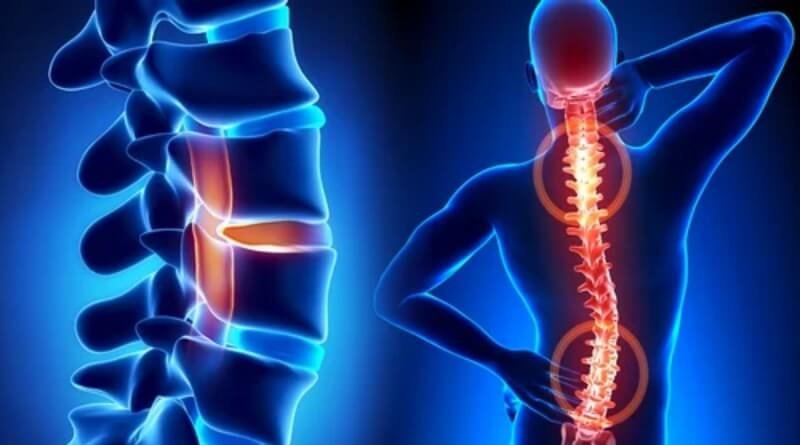
The nature of your occupation can also influence your risk of developing spine curvature disorders. Sedentary jobs that require long periods of sitting, especially without proper ergonomics, can contribute to poor posture and spinal misalignment. Conversely, occupations that involve heavy lifting or repetitive movements can put excessive stress on the spine, increasing the risk of curvature disorders. It is important to maintain proper body mechanics and take frequent breaks or use appropriate assistive devices when necessary.
Lack of Exercise
An inactive lifestyle can significantly impact the health of your spine. Regular exercise, particularly exercises that promote core muscle strength, is essential for maintaining spinal stability and alignment. Weak core muscles can fail to provide adequate support, leading to spine curvature disorders. Incorporating exercises such as Pilates or yoga into your routine can help strengthen the muscles surrounding the spine and promote better posture.
Obesity
Obesity is another risk factor associated with spine curvature disorders. Excessive weight gain can increase the load on the spine, causing it to curve abnormally. The additional strain on the spine can lead to the development or progression of curvature disorders. Furthermore, excessive fat distribution, especially in the abdominal area, can alter the body’s center of gravity, affecting posture and contributing to spinal misalignment.
Compliance with Medical Advice
When diagnosed with a spine curvature disorder, it is vital to follow medical advice and recommendations. Regular follow-up appointments with your healthcare provider can ensure that the condition is properly monitored and managed. Physical therapy might be recommended to improve posture, strengthen muscles, and alleviate pain. In some cases, bracing or orthotic devices may be prescribed to provide external support and help control curvature progression.
In conclusion, spine curvature disorders can have a significant impact on your health and well-being. Understanding the risk factors associated with these conditions can help you take appropriate precautions and make informed decisions to maintain a healthy spine. Genetics, age, gender, poor posture, muscular imbalances, occupational factors, lack of exercise, obesity, developmental factors, and nutritional factors all play a role in the development and progression of spine curvature disorders. By addressing these risk factors and following medical advice, you can reduce the likelihood of developing these conditions and promote the health of your spine. Remember, a healthy spine contributes to your overall physical well-being and enhances your quality of life.