Are you ready for some fun in the sun? Before you hit the beach or head out for a day of outdoor activities, it’s important to understand the risk factors and precautions for sunburn. Sunburn can happen to anyone, regardless of skin type or complexion. In this article, we will explore the various risk factors that can increase your chances of getting sunburned, as well as the precautions you can take to protect your skin from harmful UV rays. So, grab your sunscreen and get ready to learn how to enjoy the sun safely!
Risk Factors for Sunburn
Fair Skin
Having fair skin increases your risk of sunburn. The melanin in your skin helps protect it from the sun’s harmful rays, and those with fair skin have less melanin, making them more susceptible to sunburn. If you have fair skin, it’s important to take extra precautions to protect yourself when spending time in the sun.
Family History
Your family history can also play a role in your risk of sunburn. If members of your family have a history of skin cancer or sunburn, it may indicate that you have a higher susceptibility to sun damage as well. It’s essential to be aware of your family history and take appropriate measures to protect yourself from the sun.
Sunburn History
If you have experienced sunburn in the past, it increases your risk of future sunburns. Sunburn causes damage to the skin, reducing its ability to protect itself from the sun’s rays. The more sunburns you’ve had, the more vulnerable your skin becomes. It’s crucial to be mindful of your sunburn history and take precautions to prevent additional damage.
Geographical Location
Where you live or the location you’re visiting can impact your risk of sunburn. Areas closer to the equator receive more direct sunlight throughout the year, increasing the chances of sunburn. Additionally, certain regions have higher levels of UV radiation, posing a greater risk to individuals exposed to the sun. Take into account your geographical location and adjust your sun protection measures accordingly.
Altitude
The higher the altitude, the greater the risk of sunburn. At higher altitudes, the atmosphere is thinner, resulting in less protection from UV radiation. As a result, activities like skiing, hiking, or climbing at high altitudes can lead to increased sunburn risk. Remember to take extra precautions when engaging in outdoor activities at high altitudes.
Time of Day
The time of day you spend in the sun can affect your risk of sunburn. The sun’s rays are strongest between 10 a.m. and 4 p.m. during daylight saving time. Therefore, if you’re outdoors during these peak hours, you have a higher chance of getting sunburned. It is advisable to limit sun exposure during peak times and seek shade whenever possible.
Season
The season of the year can also impact your risk of sunburn. In general, the sun is stronger during the summer months, increasing the risk of sunburn. However, it’s important to note that sunburn can occur in any season, even during cloudy or cooler days. It’s important to protect your skin year-round and not just during the summer months.
Reflection
Surfaces that reflect sunlight can intensify your exposure to UV radiation and increase the risk of sunburn. Water, snow, sand, and even concrete can reflect the sun’s rays onto your skin, increasing the likelihood of sunburn. Be mindful of these reflective surfaces and take precautions, such as wearing sun-protective clothing or applying sunscreen regularly, when exposed to them.
Medications
Certain medications can make your skin more sensitive to the sun, putting you at a higher risk of sunburn. These medications, known as photosensitizing medications, include certain antibiotics, antihistamines, nonsteroidal anti-inflammatory drugs (NSAIDs), and retinoids. If you are taking any medications, consult your healthcare provider to understand if they could increase your sun sensitivity and take appropriate precautions.
Sun Sensitivity
Some individuals have naturally increased sensitivity to the sun’s rays, making them more prone to sunburn. This increased sensitivity can be due to factors such as certain medical conditions, autoimmune disorders, or skin conditions like eczema. If you know you have sun sensitivity, it is essential to take extra precautions to prevent sunburn and minimize sun exposure.
Precautions for Sunburn
Limit Sun Exposure
One of the most effective precautions against sunburn is to limit your overall sun exposure. Try to avoid spending long periods in direct sunlight, especially during peak hours when the sun’s rays are strongest. Instead, plan outdoor activities during early morning or late afternoon when the sun is less intense.
Use Sunscreen
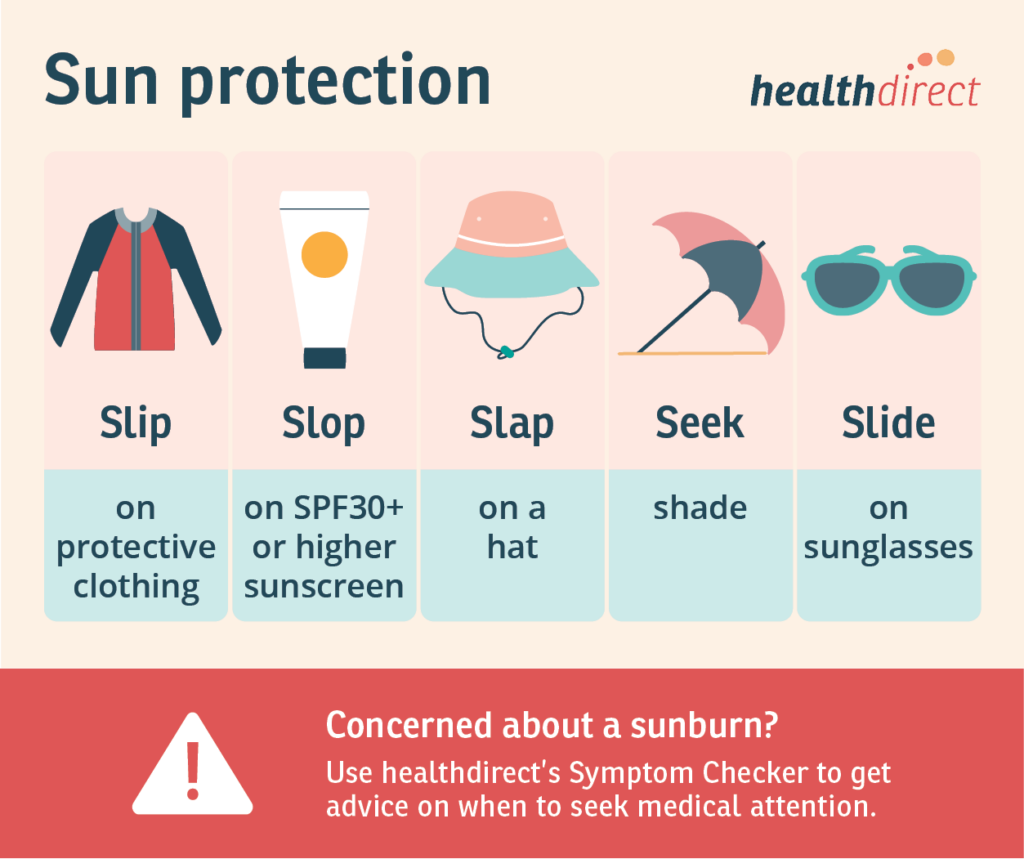
Applying sunscreen is crucial to protect your skin from harmful UV radiation. Choose a broad-spectrum sunscreen with a high SPF (Sun Protection Factor), preferably SPF 30 or higher, and apply it generously to all exposed areas of your body. Remember to reapply every two hours or more frequently if you’re swimming or sweating.
Wear Protective Clothing
Wearing protective clothing can provide an extra layer of defense against sunburn. Opt for lightweight and loose-fitting clothing that covers as much skin as possible. Consider wearing long sleeves, pants, wide-brimmed hats, and sunglasses to shield your skin and eyes from the sun’s rays.
Seek Shade
When spending time outdoors, seek shade whenever possible, especially during peak sun hours. Trees, umbrellas, or portable shade structures can provide relief from direct sunlight. Spending time in shaded areas reduces your skin’s exposure to UV radiation and lowers the risk of sunburn.
Avoid Peak Sun Hours
To minimize the chances of sunburn, avoid being in direct sunlight during peak sun hours, typically between 10 a.m. and 4 p.m. If you need to be outside during these hours, take extra precautions such as seeking shade, wearing protective clothing, and applying sunscreen more frequently.
Protect Your Eyes
Your eyes are also vulnerable to UV radiation. Wear sunglasses that offer 100% UV protection to shield your eyes from the sun’s harmful rays. Look for sunglasses labeled as blocking UVA and UVB rays to ensure adequate protection.
Reapply Sunscreen
Remember to reapply sunscreen regularly, especially if you’re spending an extended period outdoors. Factors such as sweating, swimming, or towel drying can remove sunscreen from your skin, reducing its effectiveness. To maintain proper protection, reapply sunscreen every two hours or more often as needed.
Stay Hydrated
Staying hydrated is essential for overall health, but it can also help your skin stay protected from the sun. Proper hydration keeps your skin healthy and more resistant to sunburn. Remember to drink plenty of water, especially when spending time outdoors in the sun.
Check the UV Index
Before heading outside, check the UV index for your location. The UV index provides information about the strength of the sun’s UV radiation. Higher values indicate a greater risk of sunburn. Consider the UV index when planning your outdoor activities, and take appropriate precautions based on the ratings provided.
Be Mindful of Photosensitivity
If you are taking medications known to increase sun sensitivity, it’s crucial to be mindful of the risk of sunburn. Stay vigilant about protecting your skin by following the precautions mentioned above. Additionally, be aware of any signs of sunburn or skin reactions and consult your healthcare provider if you experience any concerning symptoms.