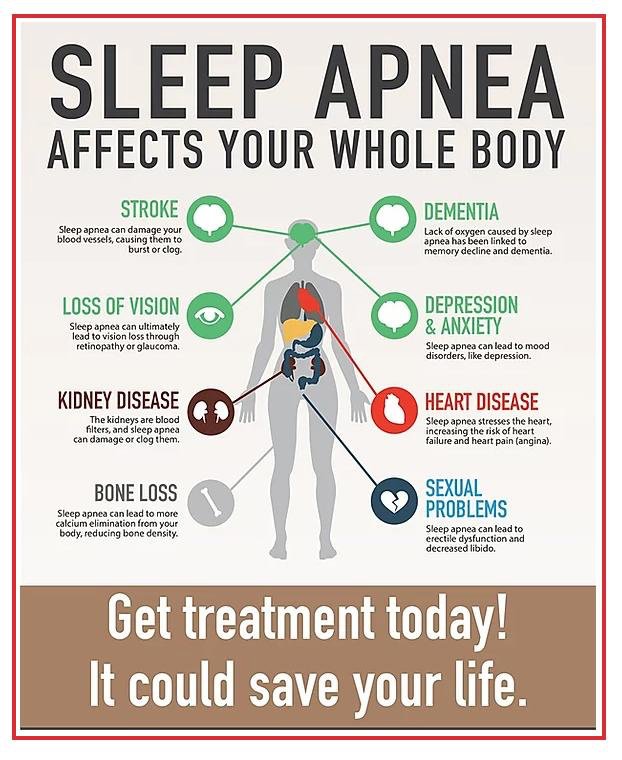
Do you often find yourself waking up feeling tired and groggy, despite getting a full night’s sleep? Well, you may be experiencing the effects of sleep apnea. In this article, we will explore the various risk factors that contribute to this sleep disorder, as well as the precautions you can take to minimize its impact on your health and well-being. So, if you’re ready to uncover the secrets to a restful night’s sleep, let’s dive in!
Risk Factors for Sleep Apnea
Sleep apnea is a sleep disorder characterized by pauses in breathing or shallow breaths during sleep. It can significantly impact your quality of life and overall health. While anyone can develop sleep apnea, certain risk factors increase your chances of developing this condition. By understanding these risk factors, you can take appropriate precautions to reduce the likelihood of developing sleep apnea.
Obesity
One of the primary risk factors for sleep apnea is obesity. Excess weight, especially around the neck and throat, can lead to the narrowing of the airway, making it difficult for air to pass through during sleep. This obstruction increases the likelihood of experiencing interrupted breathing and snoring, both common symptoms of sleep apnea. Losing weight and maintaining a healthy weight can help alleviate the strain on your airway and reduce the risk of developing sleep apnea.
Family History
Family history also plays a significant role in the development of sleep apnea. If one or both of your parents have sleep apnea, you are at higher risk of developing the condition yourself. Genetic factors can make the airway structure more prone to collapse or increase the likelihood of other underlying conditions that contribute to sleep apnea. Knowing your family history can help you monitor your own health and take necessary precautions to reduce the risk of sleep apnea.
Gender
Sleep apnea affects both men and women, but there are some gender-specific differences. Men, particularly those over the age of 40, are more likely to develop sleep apnea compared to women. However, the risk in women increases after menopause, suggesting hormonal changes may play a role. Understanding the gender-specific risks can help individuals take appropriate precautions based on their own biological factors.
Age
Age is another risk factor for sleep apnea. While sleep apnea can occur at any age, it becomes more prevalent as individuals get older. The decrease in muscle tone and elasticity that accompanies aging can contribute to airway obstruction during sleep. Children and adolescents may also develop sleep apnea, often due to enlarged tonsils or adenoids. Older adults may experience sleep apnea as a result of age-related changes in their airway or other medical conditions. Maintaining regular check-ups and being aware of age-related risks can help catch sleep apnea early and manage it effectively.
Smoking
Smoking is detrimental to overall health and is also a risk factor for sleep apnea. Smoking causes inflammation and irritation of the airway, leading to narrowing and obstruction. The toxins present in cigarettes can also interfere with the brain’s ability to regulate breathing during sleep. Quitting smoking is not only beneficial for reducing the risk of sleep apnea but also for overall respiratory health and well-being.
Alcohol and Sedative Use
Alcohol and sedatives can relax the muscles in the throat and interfere with the brain’s respiratory control, increasing the risk of sleep apnea. These substances can lead to decreased muscle tone and contribute to airway collapse during sleep. Avoiding the use of alcohol and sedatives before bedtime can reduce the risk of sleep apnea and promote better sleep quality.
Nasal Congestion and Obstruction
Nasal congestion and obstruction can obstruct the airway, leading to sleep apnea. Allergies, chronic sinus problems, or structural issues within the nose can contribute to nasal congestion and obstruction. Managing and treating these conditions can help improve airflow and reduce the risk of sleep apnea. Nasal sprays, decongestants, and nasal irrigation techniques are commonly used to alleviate nasal congestion and obstruction.
Neck Circumference
Individuals with a larger neck circumference are more prone to sleep apnea. Excess fat around the neck can put pressure on the airway and increase the likelihood of obstruction during sleep. Regular exercise, maintaining a healthy weight, and practicing good sleep hygiene can help reduce the risk associated with neck circumference.
Medical Conditions
Several underlying medical conditions can increase the risk of developing sleep apnea. Conditions such as hypothyroidism, acromegaly (excessive growth hormone production), and certain neuromuscular disorders are associated with an increased risk of sleep apnea. Identifying and treating these medical conditions can significantly reduce the risk of sleep apnea.
Ethnicity
Lastly, certain ethnicities have a higher predisposition to developing sleep apnea. People of African, Hispanic, and Pacific Islander descent have been found to have an increased risk compared to other ethnic groups. This may be due to differences in airway anatomy or genetic factors. Being aware of your ethnicity-specific risk factors can help guide your precautions and overall sleep health management.
Precautions to Reduce the Risk of Sleep Apnea
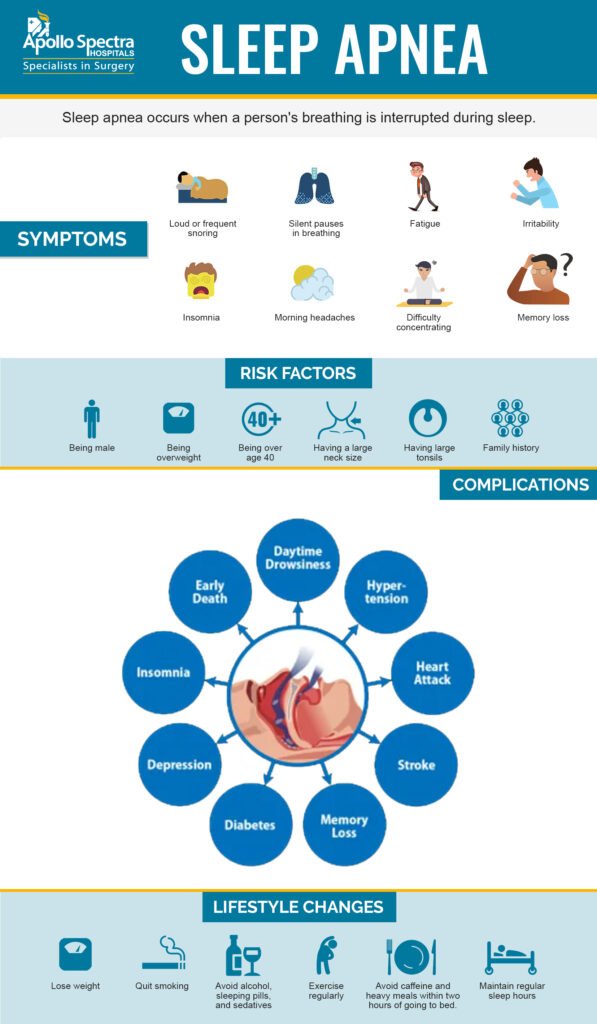
Now that you are familiar with the risk factors associated with sleep apnea, it’s essential to take proactive measures to reduce your chances of developing this sleep disorder. By implementing these precautions and lifestyle changes, you can significantly reduce the risk of sleep apnea and improve your overall sleep quality and health.
Maintain a Healthy Weight
Since obesity is a significant risk factor for sleep apnea, maintaining a healthy weight is crucial. Regular exercise, along with a balanced diet, can help you shed excess weight and reduce the strain on your airway. Aim for at least 150 minutes of moderate-intensity exercise each week, and consult with a healthcare professional for personalized weight management guidance.
Exercise Regularly
Regular physical activity has numerous health benefits, including reducing the risk of sleep apnea. Exercise helps improve cardiovascular health, enhances lung capacity, and strengthens your respiratory muscles. Incorporate a variety of exercises into your routine, including aerobic exercises, strength training, and flexibility exercises.
Get Adequate Sleep
Getting sufficient, high-quality sleep is essential for overall health and reducing the risk of sleep apnea. Stick to a regular sleep schedule, create a comfortable sleep environment, and prioritize sleep hygiene practices. Establish a bedtime routine that helps you wind down and relax before sleep. Avoid electronic devices, caffeine, and stimulating activities close to bedtime.
Avoid Alcohol and Sedative Use
Alcohol and sedatives relax the muscles in the throat, making them more prone to collapse during sleep. Avoid the consumption of alcohol and sedatives, especially in the evening, to reduce the risk of sleep apnea. Opt for alternative relaxation techniques such as deep breathing exercises, meditation, or herbal teas to promote better sleep without the negative effects of alcohol and sedatives.
Quit Smoking
If you are a smoker, quitting smoking is not only beneficial for your respiratory health but also for reducing the risk of sleep apnea. Seek support from healthcare professionals or support groups to develop a quitting plan tailored to your needs. The benefits of quitting smoking extend far beyond sleep apnea risk reduction and contribute to overall well-being.
Treat Nasal Congestion and Obstruction
If you suffer from chronic nasal congestion or obstruction, seek medical treatment to alleviate these issues. Consult with an ENT specialist to identify the underlying cause and explore appropriate treatment options. Nasal sprays, allergy medications, or surgical interventions may be recommended to improve airflow and reduce the risk of sleep apnea.
Practice Good Sleep Hygiene
Practicing good sleep hygiene involves adopting habits and behaviors that promote optimal sleep. Establish a consistent bedtime routine, ensure your sleep environment is dark, quiet, and comfortable, and limit daytime napping. Avoid stimulating activities, caffeine, and heavy meals close to bedtime. By incorporating these practices into your daily life, you can improve sleep quality and reduce the risk of sleep apnea.
Sleeping Position
Your sleeping position can impact airflow and potentially contribute to sleep apnea. Sleeping on your back can cause the tissues in your throat to relax and obstruct the airway. Instead, try sleeping on your side to maintain optimal airway patency and reduce the risk of sleep apnea. Using pillows or specialized sleep positioning devices can help you maintain a comfortable side-sleeping position throughout the night.
Use a Humidifier
Dry air can irritate the nasal passages and throat, making them more prone to obstruction. Consider using a humidifier in your bedroom to add moisture to the air and alleviate potential dryness. This can help improve your breathing during sleep and reduce the risk of sleep apnea.
Regular Check-ups and Medical Management
Regular check-ups with your healthcare provider are essential for monitoring your overall health and identifying any potential risk factors or symptoms of sleep apnea. If you suspect you may have sleep apnea or are at risk, discuss your concerns with your healthcare provider. They can provide a referral to a sleep specialist for further evaluation and recommend appropriate medical management options.

Obesity
Definition
Obesity is a medical condition characterized by excessive body fat accumulation. It is typically determined by measuring body mass index (BMI), a calculation based on height and weight. A BMI of 30 or higher is classified as obese.
Impact on Sleep Apnea
Obesity is a significant risk factor for sleep apnea. The excess weight can lead to the accumulation of fat around the neck and throat area, resulting in a narrowed airway. This restriction makes it difficult for air to flow freely during sleep, increasing the likelihood of interrupted breathing and the development of sleep apnea.
Managing Weight to Reduce Sleep Apnea Risk
Maintaining a healthy weight is key to reducing the risk of sleep apnea associated with obesity. A combination of regular exercise, a balanced diet, and portion control can contribute to weight loss and improve overall health. Engage in aerobic exercises, such as brisk walking or swimming, to burn calories and aid in weight management. Additionally, consult with a registered dietitian or nutritionist to develop a personalized dietary plan that meets your specific needs and weight loss goals. Together, these lifestyle changes can significantly reduce the risk of sleep apnea and its negative impact on your sleep patterns and health.