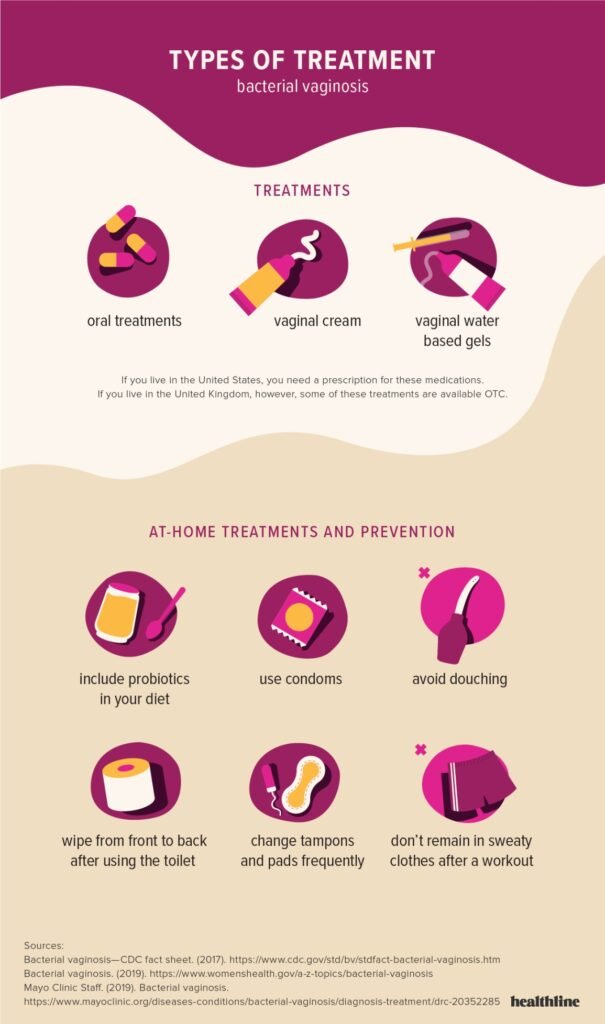
Vaginitis is a common condition that affects many women, causing discomfort and disruption in their daily lives. In order to effectively manage and prevent the occurrence of vaginitis, it is important to be aware of the risk factors that contribute to its development. By understanding these risk factors and taking necessary precautions, you can significantly reduce the chances of experiencing this troublesome condition. In this article, we will explore the various risk factors associated with vaginitis and provide practical tips and precautions to help you maintain a healthy vaginal environment.
Risk Factors for Vaginitis
Sexual Activity
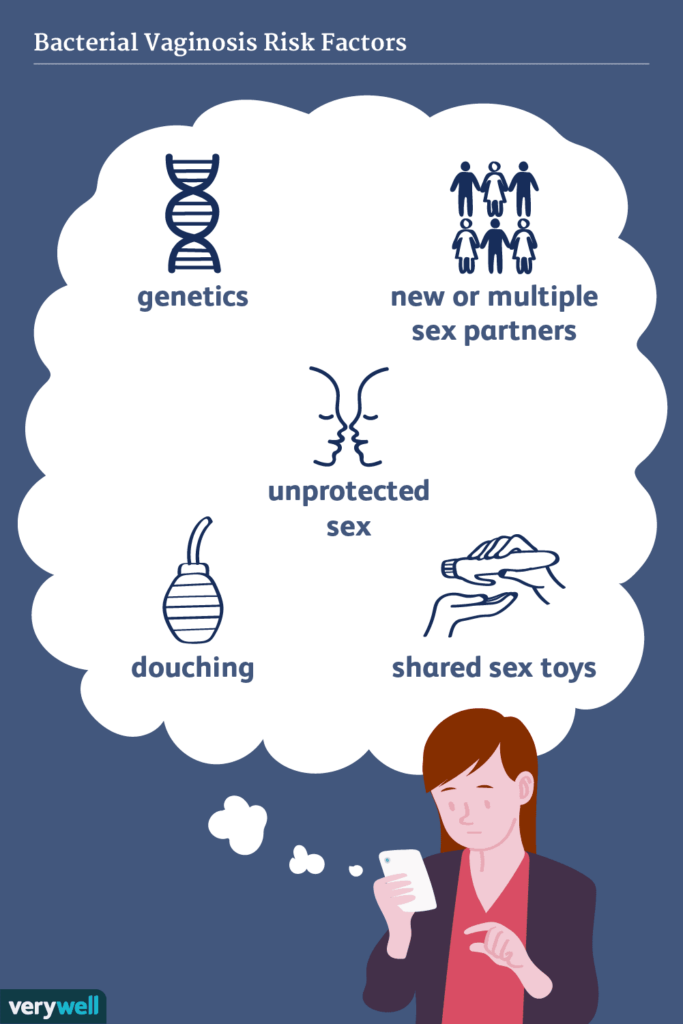
Sexual activity is one of the risk factors for developing vaginitis. When engaging in sexual intercourse, especially with a new partner or multiple partners, there is a higher chance of introducing foreign bacteria into the vaginal area. This can disrupt the natural balance of the vaginal microbiota, leading to inflammation and an increased risk of developing vaginitis. To reduce the risk, it is important to practice safe sex, such as using condoms and getting regular sexual health check-ups.
Medications and Hormonal Changes
Certain medications and hormonal changes can also increase the likelihood of developing vaginitis. Antibiotics, for example, are known to disrupt the vaginal microbiota by killing off both good and bad bacteria. This imbalance can pave the way for the overgrowth of harmful microorganisms, leading to infections like bacterial vaginosis or yeast infections. Additionally, hormonal changes, such as those that occur during pregnancy or menopause, can affect the pH balance in the vaginal area, making it more susceptible to infections.
Poor Hygiene
Maintaining good hygiene is crucial for preventing vaginitis. Poor hygiene practices, such as not washing the genital area properly or frequently enough, can allow harmful bacteria and fungi to thrive. It is important to clean the vulva with mild, unscented soap and warm water daily. However, avoid using harsh soaps or douches, as they can disrupt the natural balance of the vaginal microbiota and increase the risk of developing vaginitis.
Pregnancy
Pregnancy alters the body’s hormonal balance, making women more susceptible to vaginal infections. The changes in hormones can impact the pH balance of the vagina, creating an environment that is favorable for the overgrowth of harmful bacteria or fungi. Pregnant women should take extra precautions, such as maintaining good hygiene, using unscented products, and seeking prompt medical attention if any symptoms of vaginitis arise.
Diabetes
Diabetes, a condition characterized by high blood sugar levels, can weaken the immune system and make individuals more susceptible to infections, including vaginitis. The elevated sugar levels in the vaginal area can provide a breeding ground for yeast and bacteria, leading to an increased risk of developing infections like yeast infections or bacterial vaginosis. Proper management of diabetes through regular blood sugar monitoring, medication, and a healthy lifestyle can help reduce the risk of vaginitis.
Weakened Immune System
Individuals with weakened immune systems are more prone to infections, including vaginitis. The immune system plays a vital role in protecting the body against harmful pathogens and maintaining the balance of the vaginal microbiota. Factors that can weaken the immune system include chronic illnesses, stress, lack of sleep, and poor nutrition. To strengthen the immune system and reduce the risk of vaginitis, it is important to maintain a healthy lifestyle, get adequate sleep, manage stress, and consume a balanced diet.
Douching
Douching, the practice of rinsing the vagina with water or other solutions, is not recommended as it can disrupt the natural balance of the vaginal microbiota. It can also irritate the delicate tissues in the vagina and increase the risk of developing infections. The vagina is self-cleaning and does not require douching. If there are concerns about odor or discharge, it is best to consult a healthcare professional rather than resorting to douching.
Tight Clothing
Wearing tight clothing, particularly underwear made from non-breathable materials like synthetic fabrics, can create a warm and moist environment in the vaginal area. This environment is ideal for the growth of bacteria and fungi, increasing the risk of developing vaginitis. It is advisable to wear breathable cotton underwear and avoid tight-fitting pants or leggings to allow proper air circulation and minimize moisture build-up.
Inadequate Lubrication
Insufficient lubrication during sexual activity can cause friction and irritation in the vaginal area, leading to micro-tears in the vaginal tissues. These micro-tears can serve as entry points for harmful bacteria or fungi, potentially leading to vaginitis. To prevent this, it is important to ensure adequate lubrication during sexual intercourse, either through natural lubrication or by using a water-based lubricant. This will help reduce the risk of vaginal irritation and inflammation.
Chemical Irritants
Exposure to certain chemicals can irritate the vaginal tissues and increase the risk of developing vaginitis. Common irritants include scented tampons or pads, soaps, detergents, and perfumed personal care products. These products can disrupt the natural balance of the vaginal microbiota and cause inflammation. It is advisable to use unscented or fragrance-free products and opt for hypoallergenic options to minimize the risk of irritation and vaginitis.
Precautions to Prevent Vaginitis
Practice Safe Sex
Engaging in safe sexual practices can help reduce the risk of developing vaginitis. Using condoms during sexual intercourse can provide a barrier against potentially harmful bacteria and fungi. Additionally, getting regular sexual health check-ups and discussing any concerns with a healthcare professional can help identify and address any potential risks or infections early on.
Avoid Irritants
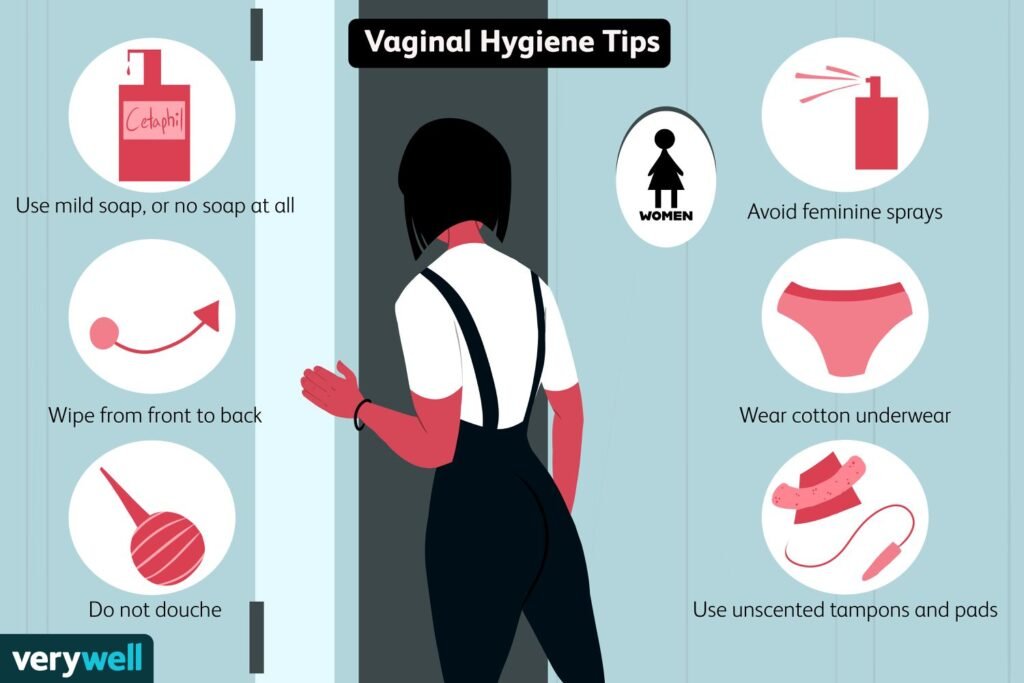
To minimize the risk of vaginal irritation and vaginitis, it is important to avoid using products known to be irritants. This includes scented tampons or pads, perfumed soaps, detergents, and personal care products. Opt for unscented and hypoallergenic options instead to maintain the natural balance of the vaginal microbiota and reduce the risk of inflammation.
Maintain Good Hygiene
Proper hygiene practices are essential for preventing vaginitis. Clean the genital area with mild, unscented soap and warm water regularly. Avoid using harsh soaps or douches, as they can disrupt the natural balance of the vaginal microbiota. After using the toilet, always wipe from front to back to prevent the spread of bacteria from the rectum to the vagina.
Stay Dry
Keeping the vaginal area dry is important for preventing vaginitis. Moisture can create an environment that is favorable for the growth of bacteria and fungi. After swimming or exercising, change out of wet clothing promptly. Avoid sitting in wet bathing suits or sweaty workout clothes for extended periods. It is also advisable to choose breathable cotton underwear that helps absorb moisture and promotes air circulation.
Properly Manage Chronic Conditions
If you have a chronic condition such as diabetes or any immune-compromising illness, it is important to properly manage it to reduce the risk of vaginitis. Follow your healthcare provider’s recommendations for medication, lifestyle changes, and regular check-ups. Maintaining good overall health can help strengthen the immune system and minimize the chances of developing infections.
Avoid Douching
As mentioned earlier, douching is not recommended as it can disrupt the natural balance of the vaginal microbiota and increase the risk of vaginitis. The vagina is self-cleaning and does not require additional cleansing. If you have concerns about odor or discharge, consult a healthcare professional instead of douching.
Wear Breathable Clothing
Choosing breathable clothing, particularly underwear made of cotton, can help prevent vaginitis. Cotton allows for proper air circulation and helps absorb moisture, reducing the risk of bacterial or fungal overgrowth. Avoid wearing tight-fitting pants, leggings, or underwear made from non-breathable materials, as they can create a warm and moist environment that is conducive to infections.
Use Lubrication for Sex
Adequate lubrication during sexual intercourse is essential for preventing vaginal irritation and reducing the risk of vaginitis. Engage in foreplay to stimulate natural lubrication, and consider using a water-based lubricant if additional lubrication is needed. This helps minimize friction and irritation in the vaginal area, preventing micro-tears and subsequent infections.
Avoid Strong Personal Care Products
Strong personal care products, such as scented soaps, feminine washes, and bubble baths, can disrupt the natural pH balance of the vagina and increase the risk of developing vaginitis. Opt for mild, unscented products when cleaning the vaginal area to maintain its natural microbiota and reduce the likelihood of irritation.
Maintain a Healthy Diet and Lifestyle
Adopting a healthy diet and lifestyle can contribute to overall vaginal health and reduce the risk of vaginitis. Eating a well-balanced diet rich in fruits, vegetables, whole grains, and lean proteins can help boost the immune system and support the body’s natural defenses against infections. Regular exercise, stress management, and adequate sleep also play a role in maintaining a healthy immune system and minimizing the chances of developing vaginal infections.
In conclusion, understanding the risk factors and taking preventive precautions can significantly reduce the chances of developing vaginitis. By practicing safe sex, maintaining good hygiene, avoiding irritants, and making healthy lifestyle choices, you can promote vaginal health and enjoy a reduced risk of vaginitis. If you experience any concerning symptoms, it is always best to consult a healthcare professional for appropriate diagnosis and treatment.