
Ulcers can be a painful and problematic condition, but understanding the risk factors and taking necessary precautions can make a significant difference in prevention and management. Whether you have experienced ulcers before or are looking for ways to protect yourself, this article provides valuable insights into the factors that contribute to ulcers and practical steps to safeguard your health. By becoming aware of these risk factors and implementing precautionary measures, you can empower yourself to lead a more ulcer-free life.
Risk Factors for Ulcers
Ulcers can be a painful and debilitating condition that affects the stomach or the upper part of the small intestine. While the exact cause of ulcers is still not fully understood, there are several risk factors that have been identified. By being aware of these risk factors, you can take the necessary precautions to reduce your chances of developing ulcers.
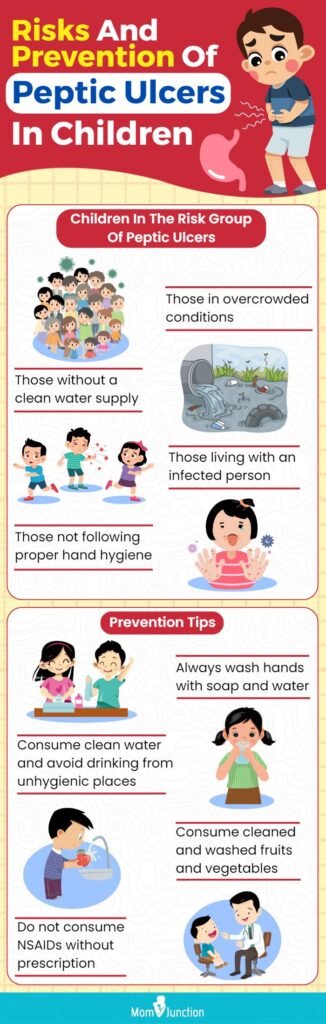
H. pylori Infection
One of the major risk factors for ulcers is an infection with Helicobacter pylori (H. pylori) bacteria. These bacteria are known to cause inflammation in the lining of the stomach and weaken its protective mucus layer, making it more susceptible to damage from stomach acid. H. pylori is primarily transmitted from person to person through contaminated food, water, or close contact with an infected individual.
Symptoms of an H. pylori infection can range from mild to severe, and may include abdominal pain, bloating, nausea, and vomiting. To diagnose an H. pylori infection, your doctor may perform a blood test, breath test, or a biopsy of the stomach lining. If you are diagnosed with an H. pylori infection, treatment with antibiotics and acid reducers is usually necessary to eliminate the bacteria and promote healing.
Regular Use of NSAIDs
Nonsteroidal anti-inflammatory drugs (NSAIDs) are commonly used to relieve pain and reduce inflammation. While they can be effective for managing various conditions, such as arthritis or headaches, long-term use of NSAIDs can increase your risk of developing ulcers. NSAIDs work by inhibiting the production of certain chemicals in the body that cause inflammation and pain. Unfortunately, they can also reduce the production of certain chemicals that protect the stomach lining.
It is important to note that not all NSAIDs pose the same risk. Some NSAIDs, such as ibuprofen and naproxen, are more likely to cause ulcers compared to others. If you need to take NSAIDs regularly, it is important to discuss with your doctor to find the lowest effective dose and to monitor for any signs of ulcer development. In some cases, your doctor may recommend taking additional medications, such as proton pump inhibitors (PPIs), to help protect your stomach lining.
Excessive Alcohol Consumption
While moderate alcohol consumption may not pose a significant risk for ulcers, excessive alcohol consumption can have detrimental effects on the digestive system. Alcohol can irritate and inflame the lining of the stomach, leading to the development of ulcers. Additionally, alcohol can increase the production of stomach acid, which further contributes to the erosion of the stomach lining.
To reduce your risk of developing ulcers, it is recommended to limit your alcohol intake. Moderate alcohol consumption is considered to be one drink per day for women and up to two drinks per day for men. It is important to note that these guidelines may vary depending on individual factors, such as age, health conditions, and medication use. If you have a history of ulcers or are at high risk, it is best to avoid alcohol altogether.
Smoking
Smoking not only poses numerous health risks, but it can also have a negative impact on the digestive system. Smoking has been shown to increase stomach acid production and decrease the production of protective mucus, making the stomach lining more susceptible to damage. Furthermore, smoking is known to constrict blood vessels, which can impair the healing process of ulcers and increase the risk of complications.
If you currently smoke, quitting smoking is highly recommended to reduce your risk of developing ulcers. The benefits of quitting smoking extend beyond ulcer prevention and can positively impact your overall health. Quitting smoking can improve your lung function, reduce your risk of cancer and heart disease, and enhance your overall quality of life. There are various resources available to help you quit smoking, such as support groups, counseling, and nicotine replacement therapy.
Prior History of Ulcers
If you have previously had an ulcer, you are at an increased risk of developing another one. Factors that contribute to recurring ulcers include untreated H. pylori infection, continued use of NSAIDs, and persistent exposure to other risk factors. It is crucial to address the underlying causes of your previous ulcer and take appropriate precautions to prevent future occurrences.
Untreated ulcers can lead to serious complications, such as bleeding, perforation of the stomach or intestines, and obstruction. If you experience symptoms such as severe abdominal pain, vomiting blood, or black, tarry stools, seek immediate medical attention. By following your doctor’s recommendations for treatment and making necessary lifestyle changes, you can significantly reduce the risk of recurring ulcers.
Family History of Ulcers
A family history of ulcers can also increase your risk of developing this condition. While genetics play a role, lifestyle and environmental factors also contribute significantly. It is important to identify any risk factors within your family history and take proactive measures to reduce your individual risk.
Having a family history of ulcers may prompt your doctor to closely monitor your health, recommend specific screenings, and provide guidance on preventive actions. By maintaining open communication with your healthcare provider, you can work together to develop a personalized plan to minimize your risk of ulcers.
Older Age
As we age, our bodies experience various changes, and the digestive system is no exception. Aging can lead to a decrease in the production of stomach acid, weakening of the stomach muscles, and reduced blood flow to the digestive organs, making older individuals more susceptible to ulcers. Additionally, older adults may be more likely to have chronic health conditions or take medications that can further increase the risk of ulcers.
If you are an older adult, it is important to be aware of the specific challenges and take proactive measures to protect your digestive health. Regular medical check-ups, maintaining a healthy diet, staying physically active, and following your healthcare provider’s recommendations are essential for reducing the risk of ulcers and managing any underlying conditions.
Chronic Health Conditions
Certain chronic health conditions can predispose individuals to the development of ulcers. Conditions such as Crohn’s disease, rheumatoid arthritis, liver disease, and kidney disease can impair the functioning of the digestive system and increase the risk of ulcers. The chronic inflammation associated with these conditions can weaken the stomach lining and impair the healing process.
If you have a chronic health condition, it is important to work closely with your healthcare provider to manage your condition effectively and minimize the risk of ulcers. Collaborative management may involve a combination of medication adjustments, lifestyle modifications, and regular monitoring to ensure optimal digestive health.
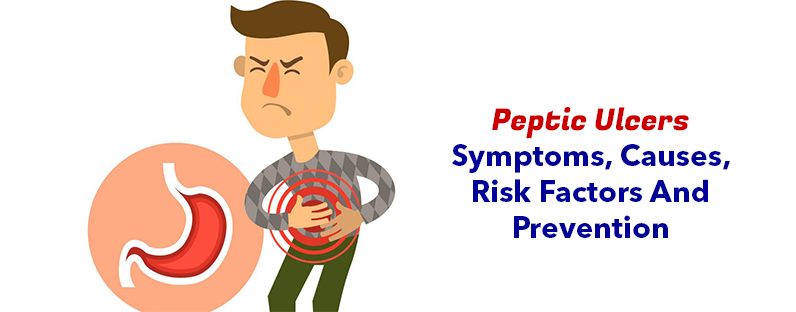
Precautions for Ulcers
While certain risk factors for ulcers may be out of your control, there are still precautions you can take to reduce your individual risk. Regular medical check-ups are important for identifying any early signs of ulcers and ensuring timely treatment. Taking prescribed medications as directed, including acid reducers or antibiotics for H. pylori infection, can help protect your stomach lining and promote healing.
Avoiding triggers and risk factors, such as excessive alcohol consumption, smoking, and the overuse of NSAIDs, can significantly reduce your risk of ulcers. Maintaining a healthy lifestyle, including a balanced diet, regular exercise, and stress management, is also crucial for promoting good digestive health.
If you experience persistent or worsening symptoms, it is important to seek professional help. Your healthcare provider can properly diagnose and treat ulcers, and provide guidance on how to prevent future occurrences. Effective stress management techniques, such as relaxation exercises, meditation, and engaging in hobbies, can also help reduce the risk of ulcers, as stress has been linked to their development.
By being proactive and taking appropriate precautions, you can reduce your risk of developing ulcers and maintain a healthy digestive system. Remember to prioritize your health and consult with your healthcare provider to ensure optimal prevention and management strategies.