Superbugs are a growing concern in the healthcare industry, posing a significant threat to patient safety. In this article, you’ll find invaluable information on the risk factors associated with superbugs, as well as essential precautions to help protect yourself and others from these potentially life-threatening infections. By understanding the factors that contribute to the spread of superbugs and taking the necessary precautions, you can safeguard your health and promote a safer environment for all.

Risk Factors for Superbug
Overuse of antibiotics
One of the major risk factors for superbug infections is the overuse of antibiotics. When antibiotics are used excessively or inappropriately, bacteria can develop resistance to them. This means that when you need antibiotics to treat an infection, they may not be effective against the bacteria, leading to the proliferation of superbugs. It is crucial to take antibiotics only when prescribed by a healthcare professional and to complete the full course of treatment to reduce the risk of antibiotic resistance.
Hospitalization
Another risk factor for superbug infections is hospitalization. Hospitals are known to be a breeding ground for superbugs, as they house a large number of patients with various illnesses. The close proximity of patients, combined with the extensive use of antibiotics in hospitals, creates an environment where superbugs can easily spread. If you need to go to the hospital, it is important to follow all infection control measures, such as proper hand hygiene and isolation precautions, to minimize the risk of acquiring a superbug infection.
A weakened immune system
Individuals with a weakened immune system are more susceptible to superbug infections. Conditions such as HIV/AIDS, cancer, organ transplantation, and certain autoimmune disorders can compromise the immune system’s ability to fight off infections. Superbugs, with their resistance to antibiotics, can pose a significant threat to individuals with weakened immune systems. If you have a weakened immune system, it is crucial to take extra precautions to avoid exposure to superbugs and to promptly seek medical attention if you develop any signs of infection.
International travel
Traveling to countries with high rates of superbug infections can increase your risk of acquiring these resistant bacteria. Different countries have varying levels of infection control measures and regulations regarding antibiotic use. In some countries, superbugs may be more prevalent due to factors such as overuse of antibiotics in agriculture or inadequate sanitation practices. If you are planning to travel internationally, it is advisable to research the infection rates and take necessary precautions, such as practicing good hygiene and avoiding contact with potentially contaminated sources.
Exposure to healthcare settings
Even if you are not hospitalized, exposure to healthcare settings such as clinics, nursing homes, or rehabilitation centers can increase your risk of superbug infections. These settings often house individuals who are ill or have weakened immune systems, creating an environment where superbugs can easily spread. Additionally, healthcare workers who may come in contact with superbugs can unknowingly transmit them to patients. It is important to follow infection control measures, such as proper hand hygiene and avoiding unnecessary visits to healthcare settings, to minimize the risk of acquiring a superbug infection.
Treatment in intensive care units
Patients who receive treatment in intensive care units (ICUs) are particularly vulnerable to superbug infections. ICUs are designed to care for critically ill patients, many of whom have invasive devices such as ventilators or urinary catheters. These devices can serve as entry points for bacteria, increasing the risk of infection. Moreover, patients in ICUs often receive multiple courses of antibiotics, leading to a higher likelihood of antibiotic resistance. If you or a loved one requires treatment in the ICU, it is essential to closely follow infection control protocols and monitor for any signs of infection.
Invasive medical procedures
Undergoing invasive medical procedures, such as surgeries or the insertion of medical devices, can put you at a higher risk of superbug infections. These procedures often involve breaching the skin or mucous membranes, providing a direct pathway for resistant bacteria to enter the body. Furthermore, surgical sites or implanted devices can create an environment where bacteria can thrive and develop resistance. Proper sterilization of equipment and adherence to infection control measures during these procedures are essential to minimize the risk of superbug infections.
Living in crowded conditions
Living in crowded conditions, such as dormitories, military barracks, or correctional facilities, can increase the risk of superbug infections. The close contact between individuals in these settings promotes the transmission of bacteria, especially if proper hygiene practices are not followed. Additionally, limited access to healthcare and inadequate sanitation facilities can further contribute to the spread of superbugs. If you find yourself in a crowded living situation, it is vital to prioritize proper hygiene, such as regular handwashing, to reduce the risk of acquiring or spreading superbug infections.
Not following proper hygiene practices
Failing to follow proper hygiene practices can significantly contribute to the spread of superbug infections. Simple actions such as not washing your hands frequently, especially before eating or after using the restroom, can allow bacteria to spread from contaminated surfaces to your body. Additionally, not covering your mouth and nose when coughing or sneezing can lead to the dispersal of infectious droplets containing superbugs. It is important to practice good hygiene habits, including regular handwashing, covering coughs and sneezes, and maintaining cleanliness in your surroundings, to reduce the risk of superbug infections.
Close contact with someone infected with a superbug
Close contact with someone infected with a superbug can increase your risk of acquiring the same resistant bacteria. Superbugs can spread through direct contact with infected individuals, such as touching their skin or personal belongings. They can also be transmitted indirectly through contaminated surfaces or objects. It is crucial to take precautions, such as maintaining a safe distance, avoiding sharing personal items, and practicing good hygiene, when in close proximity to someone with a superbug infection.
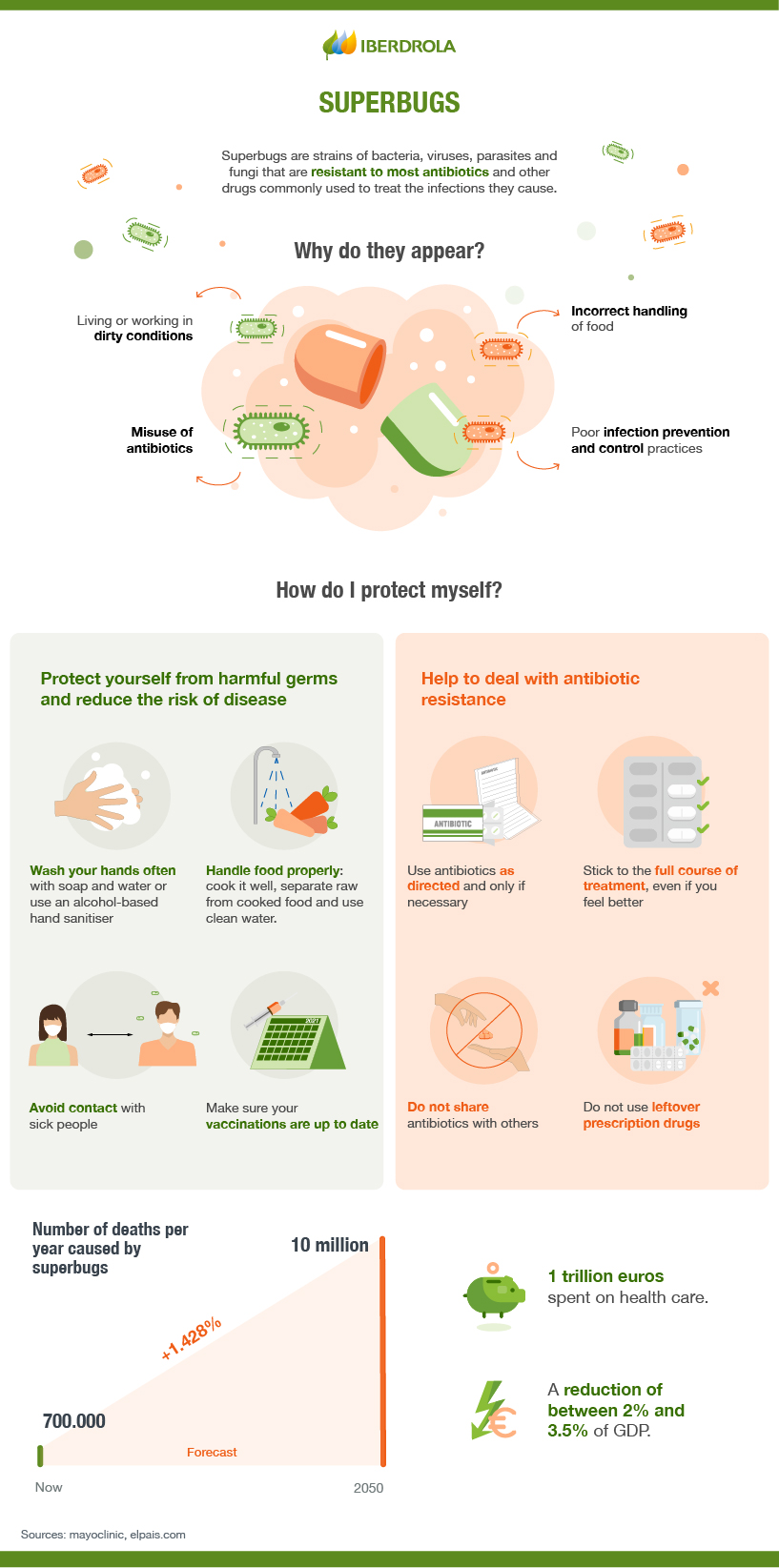
Precautions to Prevent Superbug Infections
Proper hand hygiene
One of the most effective ways to prevent superbug infections is by practicing proper hand hygiene. Regularly washing your hands with soap and water for at least 20 seconds, especially before eating, after using the restroom, and after coming into contact with potentially contaminated surfaces, can help remove and kill bacteria. If soap and water are not readily available, using alcohol-based hand sanitizers can be a convenient alternative. It is important to make hand hygiene a habit to reduce the risk of acquiring and spreading superbugs.
Appropriate use of antibiotics
To combat the growing threat of antibiotic resistance, it is crucial to use antibiotics appropriately. Antibiotics should only be taken when prescribed by a healthcare professional for a bacterial infection. It is important to complete the full course of treatment and not stop taking antibiotics prematurely, even if you start feeling better. Stopping antibiotics early can allow bacteria to survive and develop resistance. Additionally, sharing antibiotics with others or using leftover antibiotics from previous illnesses should be avoided, as this can contribute to the spread of superbugs.
Vaccinations
Vaccinations play a vital role in preventing infections caused by bacteria, including superbugs. Vaccines help stimulate the immune system to recognize and fight off specific bacteria, reducing the risk of infection. It is important to stay up to date with recommended vaccinations, such as the pneumococcal vaccine or the influenza vaccine, to protect yourself and others from superbug-related illnesses. Consult with your healthcare provider to ensure you are receiving the appropriate vaccinations based on your age, health status, and travel plans.
Avoiding unnecessary hospitalizations
Reducing unnecessary hospitalizations can help minimize the risk of acquiring superbug infections. Hospital stays can increase your exposure to superbugs, especially if you will be sharing a room with other patients. Whenever possible, explore alternative forms of care, such as receiving treatment at an outpatient clinic or through telemedicine. Avoiding hospitalization unless absolutely necessary can help lower the risk of superbug transmission and preserve the effectiveness of available antibiotics.
Practicing safe food handling
Superbugs can also be transmitted through contaminated food. To prevent foodborne infections, it is vital to practice safe food handling. This includes washing your hands before handling food, keeping raw and cooked foods separate, cooking foods thoroughly, and properly storing leftovers. Additionally, consuming only pasteurized dairy products and washing fruits and vegetables before eating them can further reduce the risk of acquiring superbugs through contaminated food sources.
Disinfection and sterilization of medical equipment
Proper disinfection and sterilization of medical equipment are essential in healthcare settings to prevent the transmission of superbugs. Healthcare facilities should have stringent protocols in place to ensure that equipment is thoroughly cleaned and decontaminated between uses. This includes cleaning surfaces, disinfecting reusable items, and sterilizing surgical instruments. As a patient, it is important to ask healthcare providers about their infection control practices and to ensure that any equipment used during procedures or treatments has been appropriately cleaned and sterilized.
Isolation precautions in healthcare settings
Isolation precautions are crucial in preventing the spread of superbug infections in healthcare settings. Patients infected or suspected to be infected with superbugs should be placed in isolation rooms or areas to prevent the transmission of bacteria to other patients or healthcare workers. Healthcare providers should follow strict infection control measures, such as wearing personal protective equipment and properly disinfecting surfaces, when caring for individuals with superbug infections. If you or a loved one is in a healthcare setting, it is essential to adhere to any isolation precautions to protect yourself and others from superbug transmission.
Improved sanitation
Improving sanitation practices is vital in reducing the prevalence of superbug infections. This includes maintaining cleanliness in public places, such as schools, public transportation, and recreational facilities. Adequate sanitation facilities should be available, and waste management systems should be properly implemented to prevent the spread of bacteria. Governments and communities should prioritize investments in sanitation infrastructure and promote hygiene education to ensure that everyone has access to clean environments.
Education and awareness programs
Education and awareness programs can play a significant role in preventing superbug infections. These programs should target the general population, healthcare professionals, and policymakers to increase knowledge and understanding of superbugs, antibiotic resistance, and infection control measures. By raising awareness about the risks associated with superbugs and promoting appropriate antibiotic use and hygiene practices, education programs can empower individuals to take proactive measures to protect themselves and their communities.
Development of new antibiotics
The development of new antibiotics is crucial in the battle against superbugs. As bacteria continue to develop resistance to existing antibiotics, there is a need for innovative and effective treatments. Researchers and pharmaceutical companies are actively working to discover and develop new antibiotics that can combat superbug infections. Investing in research and development and supporting policies that promote antibiotic innovation are essential in ensuring that we have effective tools to fight against superbugs in the future.
In conclusion, understanding the risk factors and taking appropriate precautions is essential in preventing superbug infections. By addressing the overuse of antibiotics, practicing good hygiene, following infection control measures, and promoting education and awareness, we can collectively combat the spread of superbugs and protect our health and well-being. It is crucial for individuals, healthcare professionals, policymakers, and communities to work together in implementing these preventive measures to ensure a safer and healthier future for all.