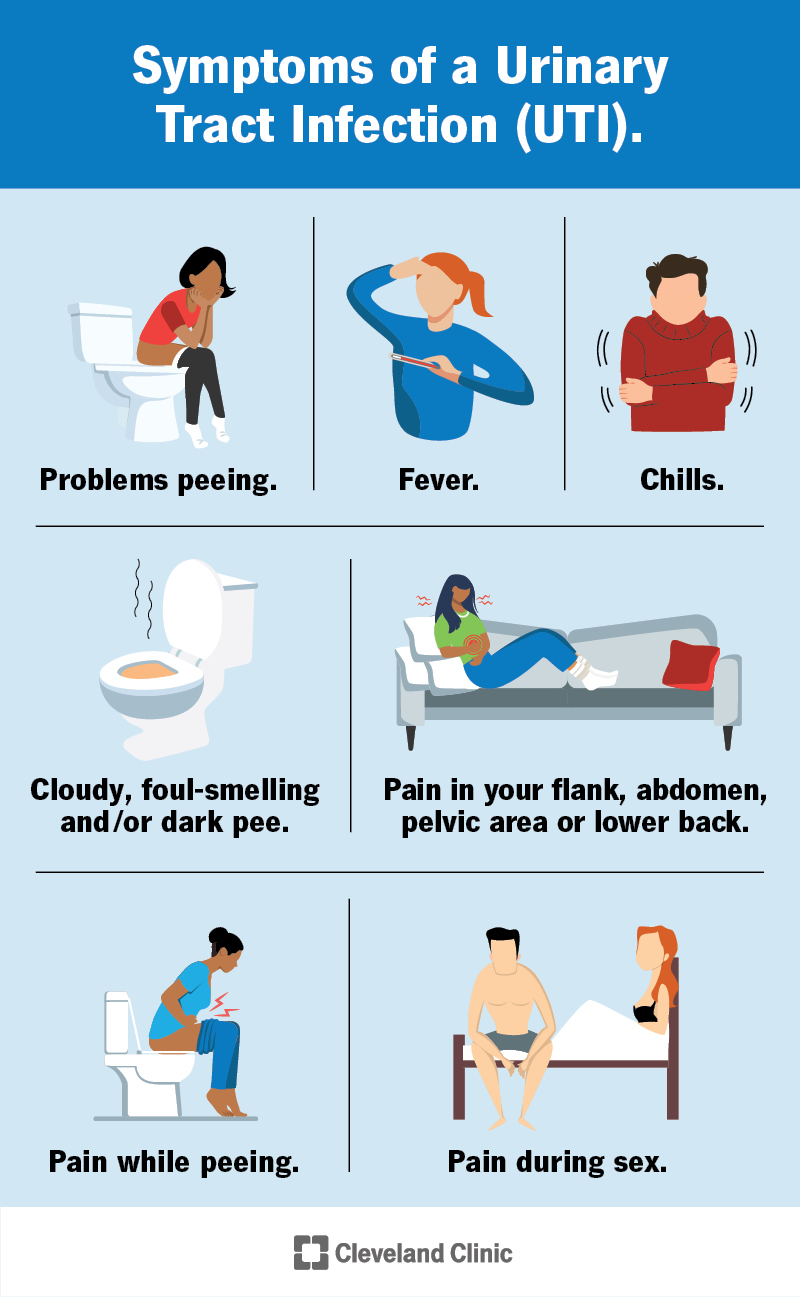
You may not give it much thought, but urinary tract infections (UTIs) are a common ailment that can cause discomfort and inconvenience. Whether you’ve experienced one before or not, it’s important to be aware of the risk factors that can increase your chances of developing a UTI. By understanding these factors and taking the necessary precautions, you can potentially prevent the occurrence of this irritating infection.

Risk Factors for Urinary Tract Infection
Gender
Urinary tract infections (UTIs) can occur in both men and women, but they are more common in women. This is because women have a shorter urethra, which allows bacteria to enter the urinary tract more easily. It is important for women to be aware of this increased risk and take precautions to prevent UTIs, such as maintaining good hygiene and staying hydrated.
Age
Age is another factor that can increase the risk of UTIs. Older adults, especially women, have a higher likelihood of developing UTIs due to changes in the urinary system and reduced immune function. It is important for older individuals to be vigilant about their urinary health and take preventive measures to reduce their risk of UTIs.
Urinary Tract Abnormalities
Individuals with structural abnormalities in the urinary tract, such as kidney stones, enlarged prostate, or vesicoureteral reflux, are at a higher risk of developing UTIs. These abnormalities can disrupt the normal flow of urine and create an environment where bacteria can thrive. It is essential for individuals with urinary tract abnormalities to work closely with their healthcare provider to manage and prevent UTIs.
Sexual Activity
Engaging in sexual activity can increase the risk of UTIs, particularly in women. During sexual intercourse, bacteria from the genital area can enter the urethra and cause an infection. It is recommended to urinate before and after sexual activity and to practice good hygiene to reduce the risk of UTIs.
Menopause
Menopause is a natural process that occurs in women as they age and causes a decrease in estrogen levels. This decline in estrogen can lead to changes in the urinary tract, making it more susceptible to UTIs. It is important for menopausal women to take extra care in preventing UTIs by maintaining good hygiene, staying hydrated, and discussing hormone replacement therapy options with their doctor.
Poor Hygiene
Maintaining good personal hygiene is crucial in preventing UTIs. Poor hygiene practices, such as not wiping properly after using the bathroom or wearing dirty underwear, can introduce bacteria to the urinary tract. It is important to always wipe from front to back after using the toilet, keep the genital area clean and dry, and change underwear regularly to reduce the risk of UTIs.
Catheter Use
Individuals who require the use of urinary catheters are at an increased risk of developing UTIs. Catheters can introduce bacteria into the urinary tract and make it difficult for the body to naturally flush out the bacteria. Proper catheter care and hygiene are essential in preventing UTIs for individuals who rely on catheterization.
Weakened Immune System
Having a weakened immune system can make individuals more susceptible to UTIs. Conditions such as diabetes, HIV/AIDS, cancer, or undergoing chemotherapy can compromise the body’s ability to fight off infections. Taking steps to strengthen the immune system, such as eating a balanced diet, getting enough sleep, exercising regularly, and avoiding stress, can help reduce the risk of UTIs.
Obstruction in the Urinary Tract
Obstructions in the urinary tract, such as bladder stones or an enlarged prostate, can increase the risk of UTIs. These obstructions can prevent the complete emptying of the bladder, allowing bacteria to multiply and cause an infection. Managing and treating any urinary tract obstructions promptly can help lower the risk of UTIs.
Diabetes
Individuals with diabetes have a higher risk of developing UTIs. Elevated blood sugar levels can provide an environment that promotes bacterial growth. Additionally, diabetes can impair the immune system, making it harder for the body to fight off infections. Managing blood sugar levels, maintaining good hygiene, and regularly monitoring urinary health are crucial in reducing the risk of UTIs for individuals with diabetes.
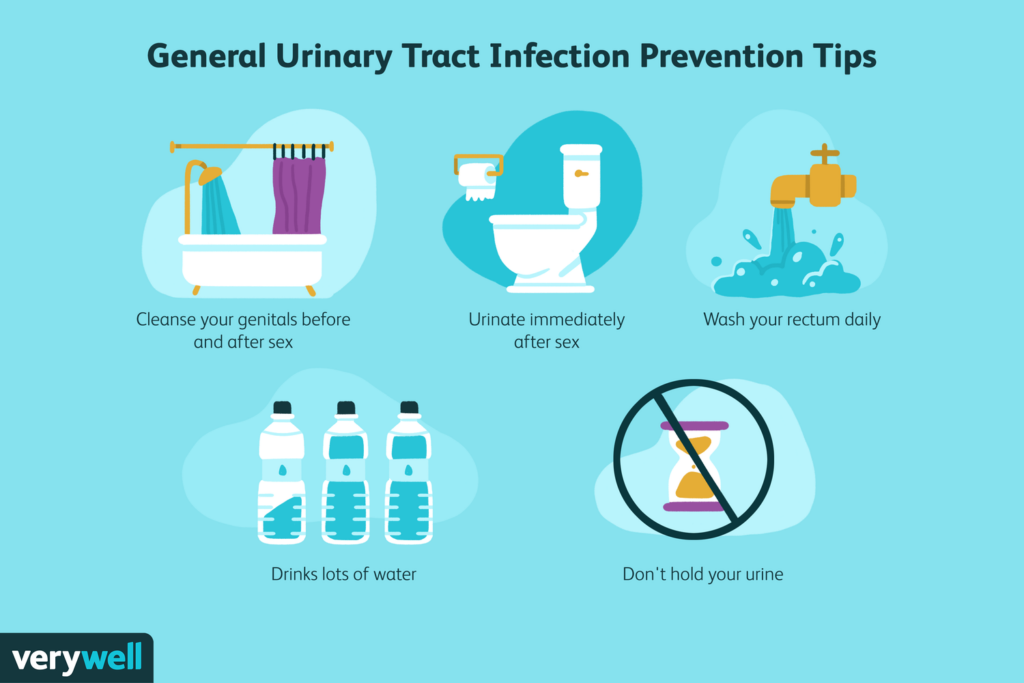
Precautions for Preventing Urinary Tract Infection
Personal Hygiene
Maintaining good personal hygiene is one of the most effective ways to prevent UTIs. Remember to always wipe from front to back after using the bathroom to prevent bacteria from the anal area from entering the urethra. Additionally, keeping the genital area clean and dry, changing underwear regularly, and avoiding the use of harsh soaps or douches can help prevent UTIs.
Stay Hydrated
Drinking an adequate amount of water throughout the day can help flush bacteria out of the urinary tract. Aim to drink at least eight glasses of water daily to keep the urinary system properly hydrated. It is especially important to increase fluid intake when engaging in activities that can increase the risk of UTIs, such as exercise or being in a hot environment.
Urinate Regularly and Completely
Make it a habit to urinate regularly, as holding urine for long periods can allow bacteria to multiply in the bladder. When you do urinate, make sure to empty your bladder completely. Avoid rushing or straining, as incomplete emptying of the bladder can increase the risk of UTIs.
Wipe from Front to Back
As mentioned earlier, wiping from front to back after using the bathroom is crucial in preventing UTIs. This practice helps prevent the transfer of bacteria from the anal area to the urethra. Be sure to use clean toilet paper and avoid reusing or sharing towels to maintain good hygiene.
Empty Bladder Before and After Sexual Activity
Urinating before and after sexual activity can help flush out any bacteria that may have entered the urethra during intercourse. This simple precaution can significantly reduce the risk of developing a UTI. Additionally, practicing good hygiene before and after sexual activity is essential in preventing UTIs.
Avoid Using Spermicides or Irritating Products
Some contraceptive methods, such as spermicides or diaphragms, can increase the risk of UTIs. These products can irritate the urethra and disrupt the natural balance of bacteria in the urinary tract. Consider alternative birth control methods or discuss options with your healthcare provider to minimize the risk of UTIs.
Change Birth Control Methods
If you find that you are experiencing recurrent UTIs, it may be worth considering a change in your birth control method. Some types of birth control, such as diaphragms or spermicides, can increase the risk of UTIs. Talk to your healthcare provider about alternative options that may be better suited for you.
Strengthen Your Immune System
A strong immune system is vital in preventing UTIs. Take steps to maintain a healthy lifestyle, including eating a balanced diet, getting enough sleep, managing stress levels, and exercising regularly. Additionally, consider incorporating immune-boosting foods or supplements into your diet, such as vitamin C or probiotics, to further support your immune system.
Maintain a Healthy Lifestyle
Leading a healthy lifestyle is beneficial for overall well-being and can also help prevent UTIs. Avoid smoking, limit alcohol consumption, and maintain a healthy weight to reduce the risk of UTIs. Additionally, practicing good hygiene, staying hydrated, and urinating regularly are essential habits to incorporate into your daily routine.
Consider Probiotics
Probiotics are beneficial bacteria that can help maintain a healthy balance of bacteria in the urinary tract. Incorporating probiotics into your diet or taking supplements may help prevent UTIs by promoting a healthy environment and preventing the growth of harmful bacteria. Consult with your healthcare provider to determine the best probiotic options for you.
By understanding the risk factors and taking appropriate precautions, you can significantly reduce your risk of developing a urinary tract infection. Remember to prioritize personal hygiene, stay hydrated, and take steps to maintain a healthy lifestyle. If you have any concerns or experience symptoms of a UTI, don’t hesitate to reach out to your healthcare provider for proper diagnosis and treatment. Your urinary health is important, and by being proactive, you can keep UTIs at bay.