
Hey there! If you’re looking for information about the signs and symptoms of Acute Myeloid Leukemia in children, you’ve come to the right place. Acute Myeloid Leukemia, or AML, is a rare but serious form of cancer that affects the bone marrow and blood. In this article, we’ll explore the common signs and symptoms to watch out for in children, as early detection plays a crucial role in successful treatment. So, let’s dive in and learn more about AML in children together!
1. Overview of Acute Myeloid Leukemia (AML) in Children
1.1 Definition and Types of AML
Acute Myeloid Leukemia (AML) is a type of cancer that affects the bone marrow and blood cells. It is characterized by the rapid growth of abnormal white blood cells, which prevent the production of healthy blood cells. In children, AML can be classified into different subtypes based on specific genetic mutations or changes in the bone marrow cells.
1.2 Prevalence and Risk Factors
Although relatively rare, AML can occur in children of all ages, but it is more commonly diagnosed in teenagers. The exact cause of AML in children is unknown, but certain risk factors have been identified. These include exposure to high doses of radiation, previous chemotherapy treatments, genetic predispositions such as Down syndrome, and certain inherited syndromes.
1.3 Importance of Early Detection and Diagnosis
Early detection and diagnosis of AML in children are crucial for achieving successful treatment outcomes. The symptoms of AML can be subtle and easily mistaken for other common childhood illnesses. Timely recognition of these signs and prompt medical evaluation can lead to early intervention, minimizing disease progression and improving the overall prognosis for children with AML.
2. Common Signs and Symptoms of Acute Myeloid Leukemia in Children
2.1 Fatigue and Weakness
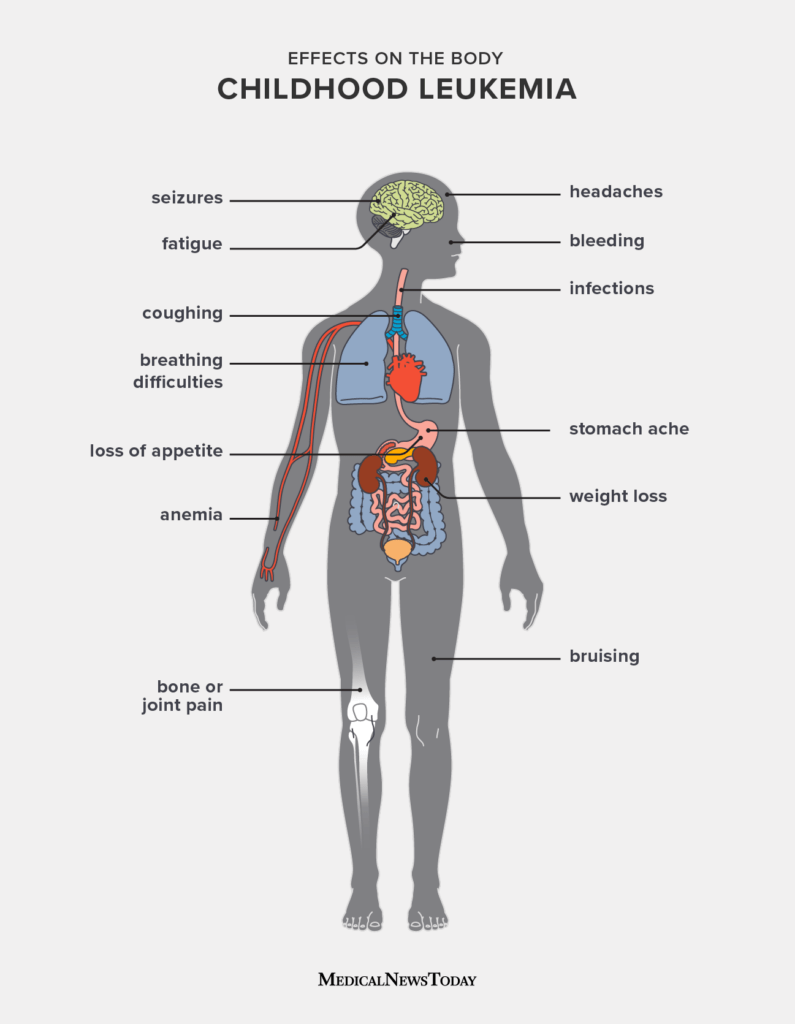
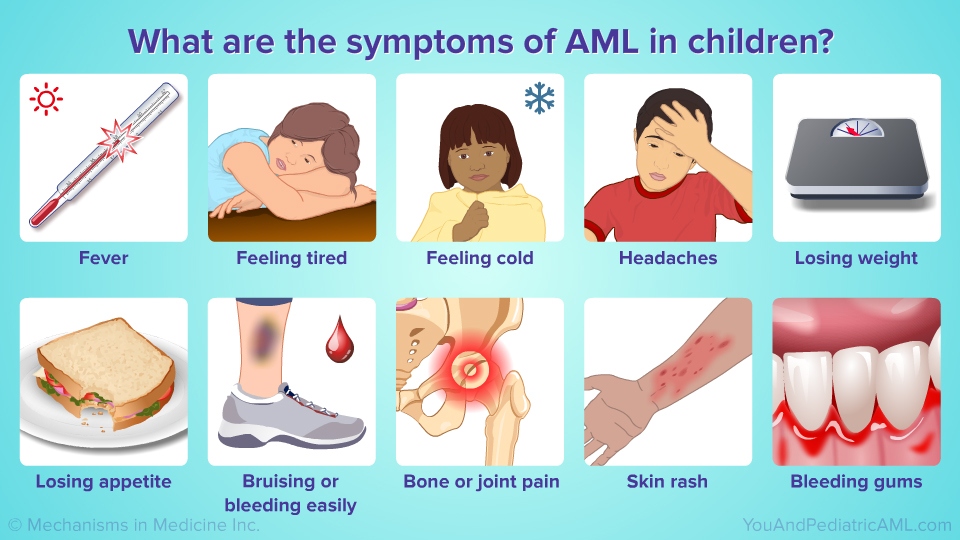
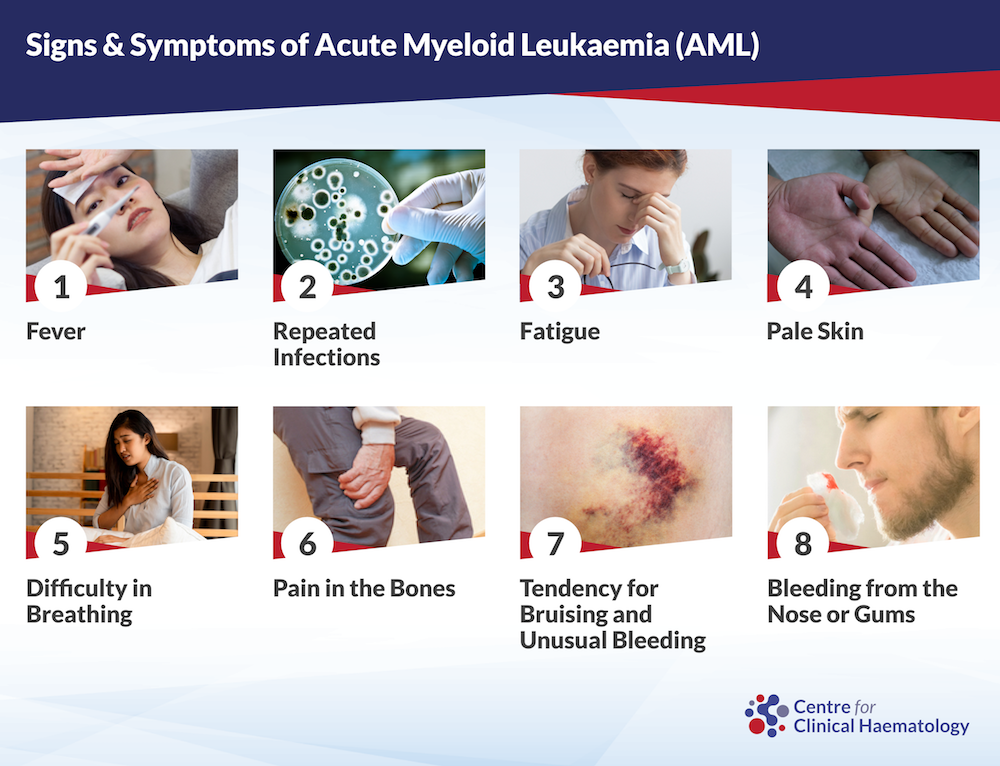
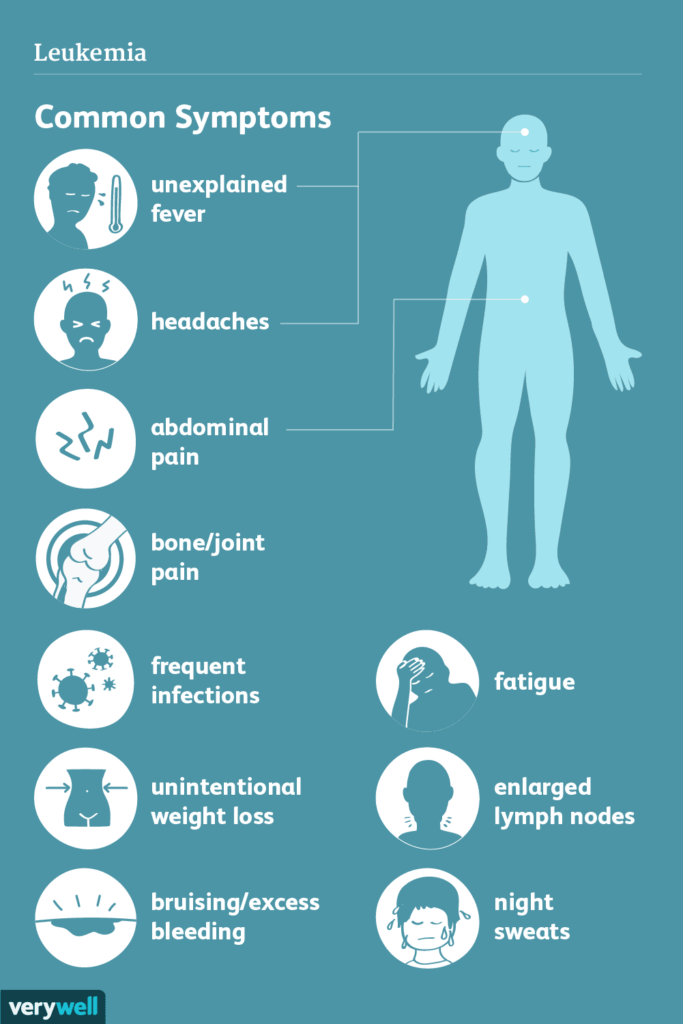
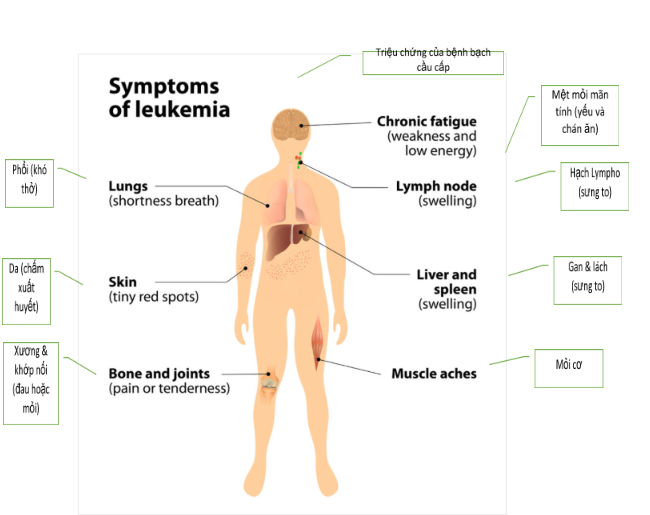
Children with AML may experience persistent fatigue and weakness, even after getting plenty of rest. This can be attributed to the decreased number of healthy red blood cells in the body, which are responsible for delivering oxygen to the tissues.
2.2 Frequent Infections
Due to the impaired function of white blood cells, children with AML are more susceptible to infections. These infections can be recurrent or persistent and may present as frequent colds, respiratory infections, or even infections of the skin or urinary tract.
2.3 Unexplained Weight Loss
Unintentional weight loss is a common symptom in children with AML. The increased metabolic demands of rapidly dividing cancer cells can lead to a decrease in appetite and subsequent weight loss.
2.4 Bone and Joint Pain
Children with AML may experience localized pain and discomfort in their bones and joints. This pain is caused by the infiltration of abnormal cells in the bone marrow, which can cause inflammation and pressure on the surrounding structures.
2.5 Easy Bruising and Bleeding
The decreased number of healthy platelets in the blood can result in easy bruising and prolonged bleeding in children with AML. Small cuts or injuries may lead to excessive bleeding, and they may also notice frequent nosebleeds or bleeding gums.
2.6 Pale Skin
Anemia, or low red blood cell count, is a common manifestation of AML in children. As a result, children may appear pale or have paler lips, gums, and nail beds due to reduced oxygen-carrying capacity.
2.7 Enlarged Lymph Nodes and Spleen
In some cases, children with AML may develop swollen lymph nodes, which can be felt as small, firm lumps under the skin. Additionally, the spleen, an organ that filters blood cells, may become enlarged and cause discomfort or pain in the left upper abdomen.
2.8 Respiratory Distress
Respiratory symptoms such as shortness of breath, wheezing, or rapid breathing can occur in children with AML. This may be due to anemia or the infiltration of leukemic cells in the lungs.
2.9 Abdominal Discomfort
Children with AML may experience abdominal pain or discomfort, often described as a dull ache. This can be attributed to the enlargement of the liver or spleen, which can exert pressure on surrounding organs.
2.10 Neurological Symptoms
In rare cases, AML can involve the central nervous system (CNS) and cause neurological symptoms. These may include headaches, changes in vision, seizures, or cognitive changes. If your child experiences any of these symptoms, it is important to seek medical attention promptly.
3. Less Common Signs and Symptoms of Acute Myeloid Leukemia in Children
3.1 Headaches and Vision Changes
While less common, headaches and changes in vision may indicate involvement of the central nervous system in children with AML. These symptoms may be caused by increased intracranial pressure or leukemic infiltration in the brain or eyes.
3.2 Oral Ulcers and Gum Bleeding
Children with AML may develop oral ulcers, which can cause pain and discomfort while eating or swallowing. Additionally, gum bleeding or spontaneous bleeding from the mouth may occur due to low platelet counts.
3.3 Petechiae and Ecchymosis
Petechiae are small, pinpoint-sized red or purple spots that appear on the skin as a result of tiny blood vessel ruptures. Ecchymosis refers to larger areas of bruising. Both of these can occur spontaneously or with minimal trauma in children with AML.
3.4 Testicular Swelling
In rare cases, AML can involve the testicles in boys, leading to swelling or discomfort. If your child complains of testicular pain or notices swelling, it is important to have them evaluated by a healthcare professional.
3.5 Skin Swelling and Rashes
Children with AML may experience generalized skin swelling or the development of rashes. These skin manifestations can occur due to leukemic infiltration in the skin or as a result of an allergic reaction to chemotherapy medications.
3.6 Abnormal Bleeding from Nose or Gums
Low platelet counts in children with AML can cause spontaneous bleeding from the nose or gums. If your child experiences frequent nosebleeds or unexplained gum bleeding, it is important to seek medical attention.
3.7 Vomiting or Nausea
Occasionally, children with AML may experience episodes of vomiting or persistent nausea. These symptoms can be attributed to the general effects of chemotherapy, associated infections, or complications such as liver involvement.
3.8 Seizures and CNS Involvement
In rare cases, AML can spread to the central nervous system (CNS) and cause seizures. If your child has a seizure or experiences any other neurological symptoms, it is important to seek immediate medical attention.
3.9 Hearing Loss or Tinnitus
While uncommon, some children with AML may experience hearing loss or tinnitus (ringing in the ears). These symptoms may be related to the systemic effects of the disease or as a side effect of certain medications used for treatment.
3.10 Behavioral and Cognitive Changes
Leukemia and its associated treatments can sometimes cause behavioral or cognitive changes in children. These changes may include irritability, difficulty concentrating, or changes in personality. It is important to communicate any concerns to the healthcare team for appropriate support and guidance.
4. Potential Complications and Medical Emergencies Associated with AML
4.1 Infection and Sepsis
Children with AML are at a higher risk of developing infections due to the compromised immune system. In severe cases, infections can progress rapidly and lead to a potentially life-threatening condition called sepsis. Prompt medical attention is crucial if your child develops a fever or shows signs of infection.
4.2 Bleeding Disorders and Hemorrhage
Low platelet counts in AML can result in bleeding disorders, making children prone to excessive bleeding or hemorrhage. If your child experiences unexplained and prolonged bleeding, it is important to seek immediate medical attention.
4.3 Tumor Lysis Syndrome
Tumor lysis syndrome is a potential complication that can occur when a large number of cancer cells are destroyed quickly, releasing their contents into the bloodstream. This can lead to an imbalance of electrolytes and metabolic disturbances, requiring prompt medical management.
4.4 Respiratory Distress Syndrome
In rare cases, AML can lead to respiratory distress syndrome, which is characterized by difficulty breathing and decreased oxygen levels. If your child experiences severe respiratory symptoms, immediate medical attention is necessary.
4.5 Organ Failure
Advanced AML can cause organ failure, particularly in the lungs, liver, or kidneys. Organ failure requires intensive medical intervention and monitoring.
4.6 Transfusion Reactions
Children with AML may require blood transfusions as part of their treatment. Although rare, transfusion reactions can occur, which may manifest as fever, chills, rash, or other symptoms. If your child develops any concerning symptoms after a blood transfusion, notify the healthcare team immediately.
4.7 Renal Dysfunction
An accumulation of toxic substances in the blood or complications of treatment can lead to renal dysfunction in children with AML. Regular monitoring of kidney function is important to detect and manage any abnormalities.
4.8 Neurological Complications
In some cases, AML can lead to neurological complications such as seizures, stroke, or cranial nerve involvement. These complications require immediate medical attention.
4.9 Cardiac Events
While rare, cardiac events can occur in children with AML. These events may include arrhythmias or heart failure.
4.10 Psychological and Emotional Impact
The diagnosis of AML and the associated treatment can have a significant psychological and emotional impact on both the child and their family. It is important to address these concerns and provide appropriate psychosocial support throughout the treatment journey.
5. Importance of Prompt Medical Evaluation and Diagnosis
5.1 Timely Initiation of Treatment
Early diagnosis and prompt medical evaluation are crucial for the timely initiation of treatment for children with AML. Starting treatment early can help reduce the burden of cancer cells, minimize disease progression, and improve overall treatment outcomes.
5.2 Improved Prognosis and Survival Rates
The earlier AML is detected in children, the better the prognosis and survival rates. Early intervention allows for more effective treatment strategies and increases the chances of achieving remission.
5.3 Minimizing Disease Progression and Complications
Early detection of AML in children enables healthcare professionals to intervene before the disease progresses and complications develop. Detecting and treating AML at an early stage can help prevent or manage potential complications, improving the quality of life for children with AML.
6. Diagnostic Tests for AML in Children
6.1 Blood Tests and Complete Blood Count
Blood tests, including a complete blood count (CBC), are essential for diagnosing AML in children. These tests help evaluate the number and types of blood cells, looking for abnormalities indicative of leukemia.
6.2 Bone Marrow Aspiration and Biopsy
Bone marrow aspiration and biopsy are important diagnostic procedures for confirming AML. They involve the collection of a small sample of bone marrow from the hip bone or sternum to examine under a microscope and determine the presence of leukemic cells.
6.3 Cytogenetic and Molecular Genetic Analysis
Cytogenetic and molecular genetic analysis of bone marrow cells can provide valuable information about specific genetic mutations or rearrangements that play a role in AML. These tests help guide treatment decisions and provide important prognostic information.
6.4 Lumbar Puncture and Cerebrospinal Fluid Examination
In some cases, a lumbar puncture, also known as a spinal tap, may be recommended to evaluate the presence of leukemic cells in the central nervous system (CNS). Cerebrospinal fluid is collected during this procedure and examined for any abnormal cells.
6.5 Imaging Studies
Imaging studies such as X-rays, ultrasound, or computed tomography (CT) scans may be performed to assess any involvement or complications in other organs, such as the lungs, liver, or spleen.
7. Treatment Options for Acute Myeloid Leukemia in Children
7.1 Chemotherapy
Chemotherapy is the mainstay of treatment for children with AML. It involves the use of powerful medications to destroy cancer cells and prevent their regrowth. Chemotherapy can be administered orally, intravenously, or directly into the cerebrospinal fluid.
7.2 Stem Cell Transplantation
For some children with AML, a stem cell transplant may be recommended as part of their treatment plan. This procedure involves replacing damaged or destroyed bone marrow with healthy stem cells, which can grow and produce new, healthy blood cells.
7.3 Targeted Therapy
Targeted therapies are a specific type of treatment that focuses on blocking or inhibiting specific molecules or pathways in cancer cells while minimizing damage to healthy cells. Targeted therapies are tailored to the specific genetic abnormalities present in a child’s AML.
7.4 Radiation Therapy
Radiation therapy is occasionally used in the treatment of AML in children. It involves the use of high-energy beams to destroy cancer cells or reduce the size of tumors.
7.5 Supportive Care and Symptom Management
Throughout the treatment journey, supportive care and symptom management play an important role in improving the quality of life for children with AML. This includes managing the side effects of treatment, providing pain relief, and addressing psychosocial needs.
8. Monitoring and Follow-Up Care
8.1 Regular Blood Tests and Monitoring
After initial treatment, regular blood tests are necessary to monitor the response to therapy and detect signs of disease recurrence. These tests help evaluate blood cell counts and assess the overall health of the child.
8.2 Imaging Studies
Periodic imaging studies may be performed to monitor the status of other organs and to detect any disease progression or complications.
8.3 Evaluation of Treatment Response
The healthcare team will closely monitor the child’s response to treatment through various assessments, including bone marrow examinations and genetic tests. This helps determine the effectiveness of the chosen treatment strategy and guides further treatment decisions.
8.4 Long-Term Effects Monitoring
Children who undergo treatment for AML may experience long-term effects related to treatment. Regular follow-up visits are important to monitor the child’s overall health, address any ongoing concerns, and provide appropriate long-term care.
8.5 Supportive Care and Survivorship Programs
Supportive care and survivorship programs play a vital role in the ongoing care of children who have completed treatment for AML. These programs aim to address any physical, emotional, or educational needs, and provide support and guidance to both the child and their family.
9. Potential Research and Advances in AML Treatment for Children
9.1 Targeted Therapies and Immunotherapies
Ongoing research is focused on developing targeted therapies and immunotherapies specific to AML in children. These treatment strategies aim to harness the body’s immune system to attack cancer cells more effectively.
9.2 Outcomes of Clinical Trials
Clinical trials play a crucial role in advancing the field of AML treatment for children. These trials help evaluate new treatment approaches, medications, and supportive care interventions to improve treatment outcomes.
9.3 Genetic Counseling and Personalized Medicine
Genetic counseling is an important aspect of AML treatment for children. It helps families understand the role of genetic factors, risk assessments, and potential implications for future family planning. Personalized medicine approaches are also being explored to tailor treatment plans based on individual genetic characteristics.
9.4 Role of Cancer Research Organizations
Cancer research organizations contribute significantly to advancing the understanding and treatment of AML in children. These organizations fund research initiatives, provide resources for families, and foster collaboration among scientists and clinicians to improve outcomes for children with AML.
9.5 Future Directions in AML Treatment
Future directions in AML treatment for children involve a comprehensive approach, including a greater understanding of the genetic and molecular aspects of the disease. This will enable targeted therapies, immunotherapies, and personalized medicine approaches to continue to evolve and improve outcomes.
10. Coping Strategies for Children and Families Dealing with AML
10.1 Psychosocial Support and Counseling
Coping with a diagnosis of AML can be challenging for children and their families. Psychosocial support and counseling can provide a safe space to process emotions, address concerns, and learn coping strategies to manage the impact of the disease.
10.2 Child Life Specialists and Play Therapy
Child life specialists play a crucial role in helping children understand and cope with their diagnosis and treatment. Play therapy and other creative interventions provide opportunities for expression and emotional support.
10.3 Support Groups and Peer-to-Peer Connections
Support groups and peer-to-peer connections allow children and families to connect with others facing similar challenges. Sharing experiences, advice, and support can be empowering and comforting during the AML journey.
10.4 Educational Support and Transition Services
Children with AML may require educational support during treatment and its aftermath. Schools and educational institutions can provide accommodations, individualized learning plans, and transition services to ensure continuity in education.
10.5 Nutritional Guidance and Rehabilitation Services
Nutritional guidance and rehabilitation services are essential to help children regain strength, manage treatment-related side effects, and optimize their overall well-being during and after AML treatment. These services can complement medical treatments and improve quality of life.
Acute Myeloid Leukemia (AML) in children is a complex disease that requires prompt recognition, diagnosis, and treatment. Awareness of the signs and symptoms of AML is crucial in order to seek timely medical evaluation. Early detection and intervention can improve treatment outcomes, minimize disease progression, and reduce complications. Ongoing research and advances in AML treatment are promising, offering hope for improved therapies and long-term outcomes. Coping strategies, comprehensive supportive care, survivorship programs, and access to psychosocial support are vital to helping children and families navigate the challenges associated with AML. Through collaborative efforts, research organizations, healthcare professionals, and families can work together to improve the lives of children affected by AML and move towards a future with better treatment options and outcomes.
Watch This Video Below
Related Terms About Signs and Symptoms of Acute Myeloid Leukemia in Children
Acute Leukemia Child Symptoms, Acute Myeloid Leukemia Baby Symptoms, Symptoms Of Acute Lymphoblastic Leukemia In Child, Symptoms Of Acute Lymphoblastic Leukemia In Childhood, Symptoms Of Acute Myelogenous Leukemia In Toddlers, Symptoms Of Acute Myeloid Leukemia In Child, What Is Aml Leukemia In Child