
Are you seeking information about treatment options for acute myeloid leukemia in children? Look no further! This article will provide you with a concise overview of various treatments available for children diagnosed with this type of leukemia. We understand that navigating the world of cancer treatment can be overwhelming, especially when it comes to children. Therefore, we aim to present the information in a friendly and accessible manner, ensuring that you feel informed and supported throughout your journey.
Chemotherapy
Chemotherapy is a common treatment option for children diagnosed with Acute Myeloid Leukemia (AML). It involves the use of various drugs to kill cancer cells or slow down their growth. Chemotherapy can be given in different ways, depending on the specific needs of the child.
Standard Chemotherapy
Standard chemotherapy for AML in children typically involves the use of a combination of drugs. These drugs are administered either orally or through intravenous infusion. The specific drugs used and the duration of treatment may vary based on the child’s age, overall health, and response to the treatment.
Standard chemotherapy aims to eradicate leukemia cells from the bone marrow and bloodstream, thereby achieving remission. It is usually given in cycles, with breaks in between for the body to recover from the side effects. The side effects of chemotherapy can vary but often include fatigue, nausea, hair loss, and increased vulnerability to infections.
High-Dose Chemotherapy
In some cases, high-dose chemotherapy may be recommended for children with AML who are at high risk for relapse or have certain genetic mutations. High-dose chemotherapy involves the administration of significantly higher doses of chemotherapy drugs, which may require a longer hospital stay. This intense treatment aims to destroy leukemia cells more effectively but also carries a higher risk of side effects than standard chemotherapy.
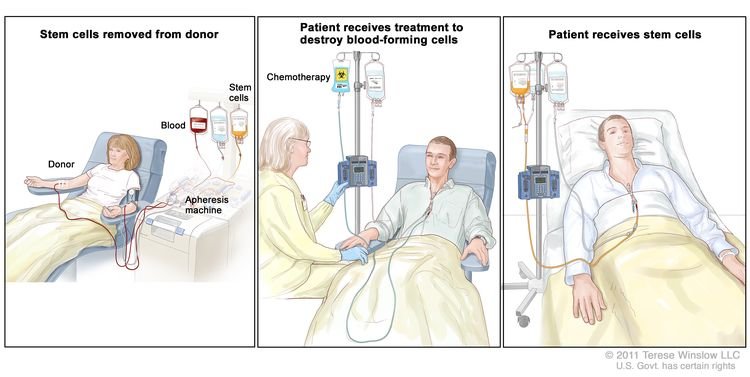
High-dose chemotherapy is often followed by a stem cell transplantation to replenish the bone marrow with healthy cells. This combination treatment can increase the chances of long-term remission. However, due to the intensity of the treatment, it is usually reserved for children with a higher risk profile.
Chemotherapy with Stem Cell Transplantation
Stem cell transplantation, also known as a bone marrow transplant, is a procedure in which healthy stem cells are infused into the body to replace damaged or destroyed bone marrow. It can be done using the child’s own stem cells (autologous transplant) or donor stem cells (allogeneic transplant).
Chemotherapy is often used in conjunction with stem cell transplantation to prepare the body for the procedure. Chemotherapy helps to eliminate any remaining leukemia cells and suppresses the immune system to prevent rejection of the transplanted cells. This combined treatment can improve outcomes for children with AML who have a higher risk of relapse or have undergone high-dose chemotherapy.
Targeted Therapy
Targeted therapy is a more specialized approach to treating AML in children. It focuses on targeting specific molecules or genes that play a role in the growth and survival of leukemia cells.
FLT3 Inhibitors
FLT3 inhibitors are a type of targeted therapy that specifically targets a mutation called FLT3-ITD, which is found in some children with AML. These inhibitors work by blocking or inhibiting the activity of the FLT3 protein, which is important for the growth of leukemia cells.
FLT3 inhibitors can be used alone or in combination with chemotherapy. They have shown promising results in improving outcomes for children with FLT3-ITD mutations, including increasing the rates of remission and prolonging survival. However, like any treatment, there can be side effects, and it is essential to monitor the child closely during treatment.
IDH Inhibitors
IDH inhibitors are another type of targeted therapy that specifically targets mutations in the IDH1 and IDH2 genes, which are found in some children with AML. These inhibitors work by blocking the abnormal activity of the mutated IDH proteins, thereby inhibiting the growth and survival of leukemia cells.
IDH inhibitors can be used as a standalone treatment or in combination with chemotherapy. They have shown promising results in clinical trials, with some children achieving remission or experiencing a significant reduction in leukemia cells. As with any targeted therapy, it is crucial to discuss the potential benefits and side effects with the child’s healthcare team.
KIT Inhibitors
KIT inhibitors are targeted therapy drugs that specifically target mutations in the KIT gene. These mutations are less common in children with AML but can be found in specific subtypes of the disease. KIT inhibitors work by blocking the abnormal activity of the mutated KIT protein, slowing down the growth and proliferation of leukemia cells.
KIT inhibitors may be used as part of a treatment plan for children with AML who have KIT gene mutations. They can be used alone or in combination with other treatments. However, further research is needed to determine their effectiveness and appropriate use in pediatric AML.
Radiation Therapy
Radiation therapy uses high-energy beams to target and destroy cancer cells. It can be delivered externally or internally, depending on the specific needs of the child.
Total Body Irradiation
Total body irradiation (TBI) is a type of radiation therapy that involves exposing the entire body to radiation. It is often used in preparation for a stem cell or bone marrow transplant. TBI helps to eradicate any remaining leukemia cells in the body and also suppresses the immune system to prevent rejection of the transplanted cells.
The use of TBI in children is carefully planned and monitored to minimize the potential side effects, which can include fatigue, nausea, and an increased risk of developing long-term complications. The radiation oncology team works closely with the child’s healthcare team to ensure the benefits outweigh the risks.
Radiation to Specific Sites
Radiation therapy can also be used to target specific sites affected by leukemia, such as the brain or testicles. This localized radiation helps to eliminate leukemia cells in these specific areas and reduces the risk of relapse.
The use of radiation therapy in children with AML is carefully considered due to the potential long-term side effects, especially in young children whose bodies are still developing. The radiation oncology team works closely with the child’s healthcare team to determine the appropriate dosage and duration of treatment, with the aim of maximizing benefits while minimizing the risk of complications.
Immunotherapy
Immunotherapy is a rapidly evolving treatment approach that harnesses the power of the immune system to fight cancer cells.
Monoclonal Antibodies
Monoclonal antibodies are a type of immunotherapy that uses laboratory-produced proteins to recognize and bind to specific targets on leukemia cells. By doing so, they can either directly destroy the cancer cells or stimulate the immune system to attack them.
Some monoclonal antibodies have shown promising results in clinical trials for children with AML, particularly those with specific genetic abnormalities. They can be used in combination with chemotherapy or other treatments to enhance their effectiveness. However, further research is needed to determine the optimal use of monoclonal antibodies in pediatric AML, and their potential side effects should be carefully considered.
Chimeric Antigen Receptor (CAR) T-cell Therapy
CAR T-cell therapy is an innovative form of immunotherapy that involves genetically modifying a patient’s own T-cells (a type of immune cell) to express a chimeric antigen receptor. This receptor allows the modified T-cells to recognize and attack leukemia cells with a specific antigen on their surface.
CAR T-cell therapy has shown remarkable success in the treatment of certain types of leukemia in children and adults. Clinical trials are underway to evaluate its effectiveness and safety in pediatric AML. While CAR T-cell therapy offers hope for children with AML, it is a complex and intensive treatment that requires careful patient selection and monitoring for potential side effects.

Surgery
In the treatment of AML, surgery generally plays a minimal role. However, there are certain surgical procedures that may be performed to address specific complications or situations.
Splenectomy
In some cases, children with AML may develop an enlarged spleen due to the infiltration of leukemia cells. An enlarged spleen can cause discomfort, pain, or other complications. In such situations, a splenectomy (removal of the spleen) may be considered to alleviate symptoms and improve the child’s quality of life.
Leukapheresis
Leukapheresis is a procedure that involves the removal of white blood cells from the blood. It may be used as a supportive treatment during the initial phases of AML treatment to reduce the number of leukemia cells in the bloodstream and alleviate symptoms. Leukapheresis can help improve blood counts and reduce the risk of complications associated with high levels of leukemia cells.
Surgery plays a more limited role in the overall management of AML in children compared to other treatment modalities. It is typically reserved for specific situations and is conducted in collaboration with the child’s healthcare team.
Supportive Care
Supportive care plays a vital role in the comprehensive treatment of children with AML. It focuses on managing and minimizing the side effects of treatment, improving quality of life, and supporting the overall well-being of the child.
Blood Transfusions
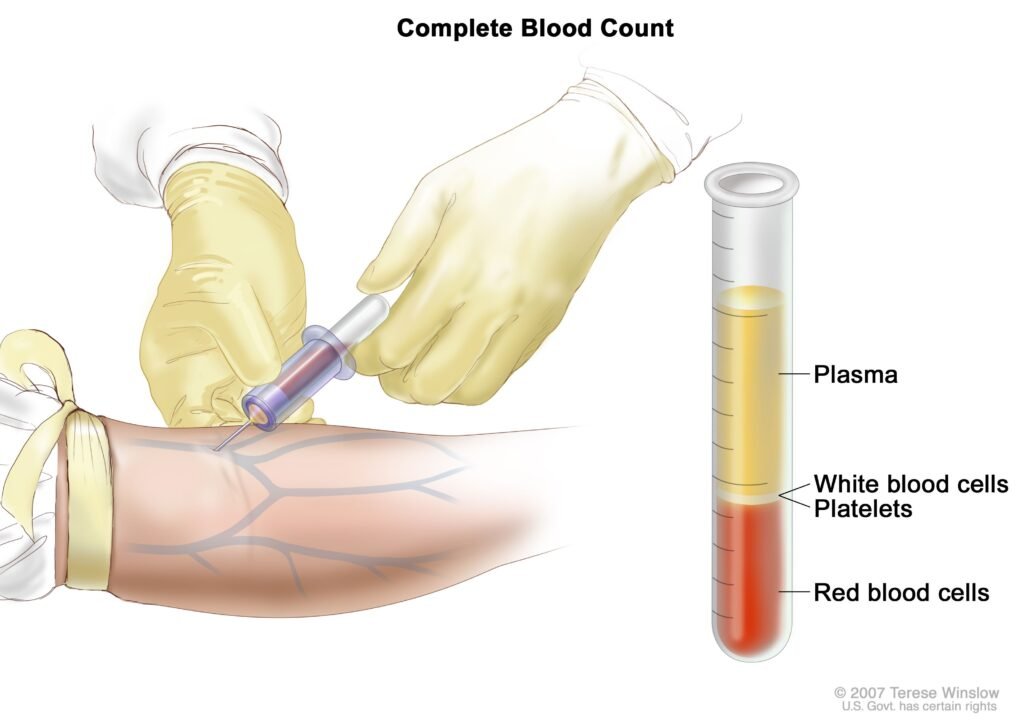
Children with AML often require blood transfusions to address low red blood cell counts (anemia) or low platelet counts (thrombocytopenia) caused by the disease or its treatment. Red blood cell transfusions help improve oxygen delivery to tissues, while platelet transfusions help prevent or control bleeding.
The use of blood transfusions in the treatment of AML is carefully monitored to minimize potential risks and complications. The child’s healthcare team will determine the appropriate timing and frequency of transfusions based on their individual needs.
Antibiotics and Antifungal Medications
Children with AML are at an increased risk of developing infections due to the suppression of their immune system during treatment. Antibiotics and antifungal medications are commonly prescribed to prevent or treat infections.
These medications help to kill or inhibit the growth of bacteria or fungi that may cause infections. Their use is an essential part of supportive care in children with AML to reduce the risk of complications and ensure the child’s well-being during treatment.
Clinical Trials
Clinical trials are research studies that evaluate new treatments or treatment approaches for cancer. They play a crucial role in advancing the understanding and management of AML in children. Participating in a clinical trial can provide access to potentially cutting-edge therapies and contribute to improving outcomes for children with AML in the future.
Clinical trials may involve new chemotherapy drugs, targeted therapies, immunotherapies, or combinations of different treatment modalities. They are typically conducted in specialized centers with experienced healthcare providers who closely monitor the child’s progress and safety throughout the study.
Before participating in a clinical trial, it is essential for parents and caregivers to thoroughly understand the potential benefits, risks, and requirements involved. The child’s healthcare team can provide comprehensive information and guidance on available clinical trials and help determine the most appropriate treatment options.
Watch This Video Below
Related Terms About Treatment Options for Acute Myeloid Leukemia in Children
Acute Myeloid Leukemia Child Survival Rate, How To Treat Acute Leukemia, Treatment Of Acute Myeloid Leukemia In Childhood, What Is Aml Leukemia In Child