
You’ve got a lot on your plate. Between managing your diabetes and navigating the everyday pressures of life, it’s easy to feel overwhelmed. But here’s the thing: stress and diabetes are tangled together more closely than you might think, and understanding this connection is the first step to taking control. As your Listicle Content Architect (LCA), I’ve crafted this guide to help you untangle that knot, offering actionable insights and practical strategies to manage both.
You already know that what you eat, how much you move, and your medications play a huge role in your diabetes management. But did you realize that your mental and emotional state can also hijack your blood glucose levels? It’s a biological fact: when you’re stressed, your body kicks into “fight or flight” mode, and this response directly impacts your diabetes.
The Hormonal Havoc
When you perceive a threat – whether it’s a looming deadline at work, an argument with a loved one, or even just running late – your body releases stress hormones like cortisol and adrenaline. These hormones are designed to give you a quick burst of energy to deal with the perceived danger.
- Cortisol’s Cruelty: Cortisol, often called the “stress hormone,” has a direct impact on your blood sugar. It signals your liver to produce more glucose and also makes your cells less responsive to insulin. This means that even if you’ve taken your medication or chosen a healthy meal, your blood sugar can still climb, much like it would after a high-carb meal. This surge is your body’s attempt to provide fuel for the emergency, but for someone with diabetes, it can be counterproductive.
- Adrenaline’s Aggression: Adrenaline, another key player in the stress response, also contributes to elevated blood sugar. It triggers the release of stored glucose from your liver and muscles, further pushing your glucose levels higher. This is why you might notice a spike in your blood sugar even before you’ve had a chance to eat anything during a stressful period.
The Physical Manifestations
Beyond the hormonal cascade, stress can also lead to physical changes that indirectly affect your diabetes. These aren’t just annoying side effects; they can directly impact your management efforts.
- Sleep Disruption: Stress is a notorious sleep thief. When you’re not getting enough quality sleep, your body’s ability to regulate blood sugar becomes compromised. Lack of sleep can increase insulin resistance, meaning your body needs more insulin to perform the same job, and make you crave sugary, high-fat foods that can derail your diet.
- Changes in Appetite: You know that feeling of wanting to comfort yourself with food when you’re stressed? That’s not an accident. Stress can lead to both increased and decreased appetite, often for unhealthy choices. Some people reach for sugary snacks to get a temporary mood boost, while others lose their appetite altogether. Either way, it can lead to inconsistent eating patterns, which are tough to manage with diabetes.
- Digestive Distress: Ever felt butterflies in your stomach when you’re anxious? Stress can wreak havoc on your digestive system, leading to issues like nausea, diarrhea, or constipation. These digestive problems can affect how your body absorbs nutrients and how quickly food moves through your system, making it harder to predict how your blood sugar will respond to meals.
The Behavioral Impact
Stress doesn’t just affect your body; it also influences your behavior, and these changes can have a significant impact on your diabetes management.
- Neglect of Self-Care: When you’re feeling overwhelmed, the last thing you might feel like doing is sticking to your diabetes routine. This can mean skipping blood sugar checks, forgetting to take medications, or opting for convenient, less healthy food choices. It’s a vicious cycle: stress leads to neglecting your diabetes, which in turn can lead to higher blood sugar and more stress.
- Increased Risk-Taking: In some cases, stress can lead to increased impulsivity and risk-taking behaviors. This might translate to making unhealthy food choices more frequently, neglecting exercise, or even engaging in behaviors that could be detrimental to your overall health.
2. Recognizing the Signs: How to Tell When Stress is Derailing Your Diabetes
You’re an expert in your own body, but sometimes, the subtle whispers of stress can be drowned out by the daily demands of diabetes management. Being able to identify when stress is creeping in and affecting your blood sugar is crucial for getting back on track. It’s about listening to those signals before they become shouts.
Subtle Physical Cues
Your body often tries to tell you it’s stressed long before you consciously acknowledge it. These physical symptoms are often intertwined with your diabetes.
- Headaches and Muscle Tension: Do you find yourself clenching your jaw, or are your shoulders perpetually hunched? These are classic signs of physical stress. Persistent headaches and unexplained muscle aches can be your body’s way of signaling that it’s under duress. This tension can also make it harder to focus on your diabetes care.
- Fatigue and Low Energy: While this might seem like a constant companion for many people managing chronic conditions, a sudden or overwhelming increase in fatigue, even when you feel like you’re getting enough rest, can be a sign of underlying stress. This exhaustion can sap your motivation to engage in healthy habits.
- Digestive Upset: As mentioned before, changes in your digestive system are common stress indicators. Are you experiencing more frequent bouts of indigestion, bloating, or changes in bowel habits? These can be direct responses to stress hormones affecting your gut.
- Changes in Sleep Patterns: You might find yourself having trouble falling asleep, waking up frequently during the night, or experiencing restless, unrefreshing sleep. This disruption to your sleep can directly impact your blood sugar levels and your ability to manage your diabetes effectively the next day.
Emotional and Mental Indicators
Your emotional landscape is a powerful indicator of your stress levels. Paying attention to these shifts can help you proactively address your well-being.
- Irritability and Short Temper: Do you find yourself snapping at people more easily than usual? Are small things setting you off? Increased irritability and a shorter fuse can be a direct result of feeling overwhelmed and unable to cope.
- Anxiety and Worry: A constant undercurrent of worry, unease, or even panic can be a sign that stress is taking a toll. You might find yourself overthinking situations, dwelling on worst-case scenarios, or experiencing a general sense of dread.
- Feeling Overwhelmed and Helpless: The feeling that you have too much to do and not enough time, or that you’re unable to cope with your responsibilities, is a significant stress indicator. This can lead to feelings of helplessness and a lack of control, which can be particularly concerning when managing a chronic condition like diabetes.
- Difficulty Concentrating and Memory Lapses: When your mind is racing with worries or you’re feeling mentally drained, it can be hard to focus. You might find yourself struggling to concentrate on tasks, forgetting appointments, or having trouble remembering important details related to your diabetes management.
The Impact on Your Diabetes Numbers
Ultimately, the most concrete sign that stress is affecting your diabetes is reflected in your blood sugar readings.
- Unexplained Blood Sugar Spikes: You’ve eaten well, taken your medication, and exercised, yet your blood sugar readings are persistently higher than usual. This is a classic hallmark of stress-induced hyperglycemia. It’s crucial to look for patterns – are these spikes occurring during particularly stressful periods?
- Difficulty Reaching Target A1C: If your A1C levels, which represent your average blood sugar over the past 2-3 months, are consistently above your target, stress could be a contributing factor. It indicates that the everyday swings in your blood sugar are collectively impacting your long-term control.
- Increased Fluctuations: Beyond just spikes, you might notice more erratic blood sugar readings overall. Blood sugar that swings wildly between highs and lows without a clear dietary or activity-related cause can be a sign that your body is struggling to maintain balance due to stress.
3. Proactive Strategies: Tools and Techniques to Combat Stress

Managing stress isn’t about eliminating it entirely – that’s an unrealistic goal. Instead, it’s about building a toolkit of effective strategies that you can deploy when you feel the pressure mounting. These are your defenses against the draining effects of stress, helping you maintain better blood sugar control and overall well-being.
Mindfulness and Meditation: Finding Your Calm Center
These practices are powerful for bringing your awareness to the present moment, which can be incredibly grounding when you’re feeling overwhelmed.
- Deep Breathing Exercises: Even a few minutes of focused, deep breathing can significantly calm your nervous system. Try the 4-7-8 technique: inhale deeply for a count of 4, hold your breath for a count of 7, and exhale slowly for a count of 8. Repeat this several times. This simple act can help reduce heart rate and lower blood pressure.
- Guided Meditations: There are countless free apps and online resources offering guided meditations specifically for stress relief. These sessions can help you focus your attention, release tension, and cultivate a sense of peace.
- Body Scan Meditations: This practice involves bringing your awareness to different parts of your body, noticing any sensations without judgment. It’s a great way to become more attuned to physical tension and release it.
- Mindful Moments Throughout the Day: You don’t need to dedicate hours to meditation. Try incorporating mindful moments into your daily routine. For example, when you’re washing dishes, focus on the sensation of the warm water and the suds. When you’re eating, truly savor each bite.
Physical Activity: The Natural Stress Reliever
It might seem counterintuitive to exercise when you’re already stressed and tired, but physical activity is one of the most effective stress antidotes.
- Regular Aerobic Exercise: Activities like walking, jogging, swimming, or cycling release endorphins, which have mood-boosting and stress-reducing effects. Aim for at least 150 minutes of moderate-intensity aerobic exercise per week.
- Yoga and Tai Chi: These practices combine gentle movement with breath control and mindfulness, making them excellent for both physical and mental relaxation. They can help improve flexibility, reduce muscle tension, and promote a sense of calm.
- Strength Training: Building muscle isn’t just about physical strength; it can also contribute to mental resilience. The focus required for strength training can pull you out of your worries, and the sense of accomplishment after a good workout can be incredibly empowering.
- Short Bursts of Activity: Even a brisk 10-minute walk during your lunch break can make a difference. Don’t underestimate the power of short, regular bouts of physical activity to help you de-stress.
Healthy Lifestyle Habits: The Foundation of Resilience
These habits are the bedrock upon which your stress management efforts will stand. When your body is well-nourished and well-rested, it’s far better equipped to handle stress.
- Prioritize Sleep: Aim for 7-8 hours of quality sleep per night. Establish a regular sleep schedule, create a relaxing bedtime routine, and ensure your bedroom is dark, quiet, and cool.
- Nutritious Diet: While it’s tempting to reach for comfort foods when stressed, a balanced diet rich in whole foods, fruits, vegetables, and lean proteins will provide your body with the nutrients it needs to cope. Limit processed foods, excessive sugar, and unhealthy fats.
- Stay Hydrated: Dehydration can exacerbate feelings of fatigue and stress. Make sure you’re drinking enough water throughout the day.
- Limit Caffeine and Alcohol: Both caffeine and alcohol can disrupt sleep and worsen anxiety, making them counterproductive when you’re trying to manage stress.
4. Effective Techniques for Managing Stress-Induced Blood Sugar Spikes
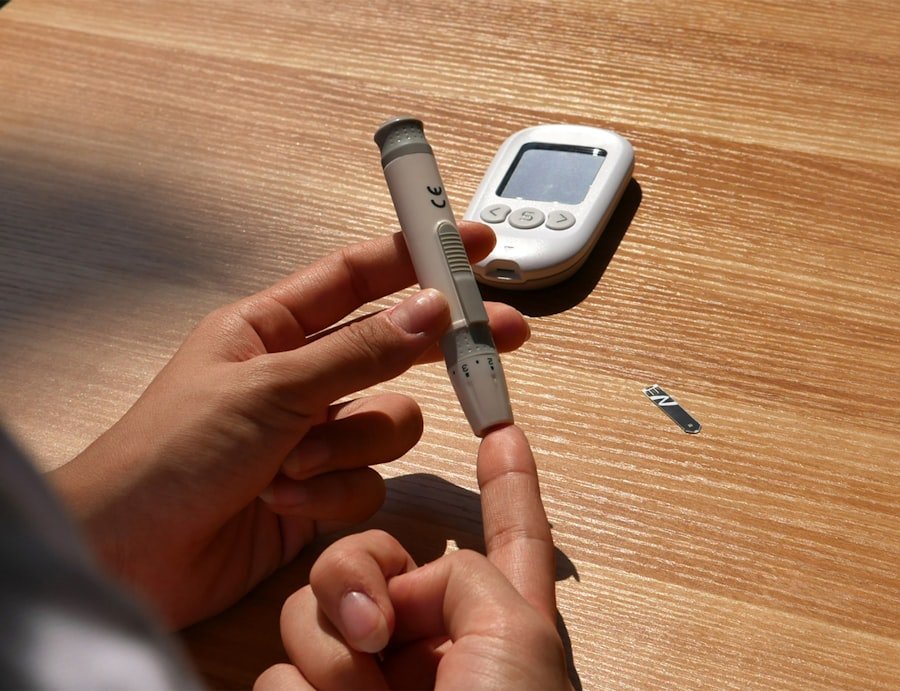
When you notice your blood sugar creeping up due to stress, it’s not the time to panic. Instead, it’s an opportunity to implement targeted strategies that can help bring your levels back into a healthier range. This is about smart, responsive management.
Immediate Rehydration and Healthy Snacks
Sometimes, the effect of stress on blood sugar can be exacerbated by dehydration. Taking a moment to rehydrate can be a surprisingly effective first step.
- Drink Plenty of Water: Sip on plain water. Avoid sugary drinks, which will only worsen your blood sugar. Water helps flush your system and can help your body process glucose more efficiently. Think of it as a gentle, internal reset.
- Choose Low-Carb, High-Fiber Snacks: If you need to eat, opt for snacks that won’t cause a rapid blood sugar spike. Good choices include a handful of almonds or walnuts, a few celery sticks with a tablespoon of almond butter, or a small portion of plain Greek yogurt. These provide sustained energy without a dramatic glucose surge.
Gentle Movement and Relaxation Techniques
While intense exercise might be too much when your blood sugar is already elevated due to stress, gentle movement can be beneficial.
- A Short Brisk Walk: A 10-15 minute walk can help your body use up some of the excess glucose in your bloodstream. Focus on a comfortable pace that doesn’t leave you breathless. The rhythmic motion can also be calming.
- Stretching and Light Yoga Poses: Gentle stretching can release physical tension that often accompanies stress, which can, in turn, help your body relax and potentially bring your blood sugar down. Focus on poses that open the chest and shoulders.
- Progressive Muscle Relaxation: This technique involves tensing and then releasing different muscle groups in your body. It can help you become aware of and release stored tension, promoting a sense of calm and potentially aiding blood sugar regulation.
Mindful Adjustments to Your Routine
Sometimes, stress-induced blood sugar spikes are a signal that you need to make slight, but important, adjustments to your immediate diabetes management plan.
- Re-check Your Blood Sugar: After implementing some initial stress-relief techniques, re-check your blood sugar to see if your efforts are having an effect. This will help you understand what works best for you.
- Consider a Small, Balanced Meal: If it’s close to a mealtime and you’re feeling hungry, choose a meal that is balanced with lean protein, healthy fats, and complex carbohydrates. This will help prevent further spikes and provide sustained energy. Avoid skipping meals, as this can sometimes lead to more volatile blood sugar levels.
- Review Your Insulin or Medication (if applicable): If you use insulin or certain diabetes medications, and your blood sugar remains persistently high despite your efforts, you might need to consider a small adjustment. Crucially, always consult with your healthcare provider before making any changes to your medication regimen. They can provide personalized guidance based on your specific situation and medication. They might suggest a small correction dose of rapid-acting insulin if you’re on an insulin regimen.
5. Building a Resilient Mindset: Long-Term Strategies for Stress and Diabetes Harmony
| Factor | Effect on Diabetes |
|---|---|
| Chronic stress | Can lead to insulin resistance and higher blood sugar levels |
| Stress management | Can help improve blood sugar control and overall diabetes management |
| Stress hormones | Can cause blood sugar levels to rise |
Managing diabetes is a marathon, not a sprint. The same applies to managing stress. Cultivating a resilient mindset isn’t about a quick fix; it’s about building sustainable habits and perspectives that will serve you well over the long haul. This is where you truly take control, transforming stress from an adversary into a manageable aspect of your life.
Developing a Supportive Network
You don’t have to go through this alone. Surrounding yourself with supportive people is a powerful buffer against stress.
- Lean on Friends and Family: Share your feelings and concerns with trusted loved ones. Simply talking about what you’re going through can be incredibly cathartic. They can offer emotional support, practical help, or simply a listening ear.
- Connect with Other People with Diabetes: Support groups, both online and in-person, can be invaluable. Sharing experiences, tips, and challenges with others who truly understand what you’re going through can foster a sense of belonging and reduce feelings of isolation.
- Consider Professional Support: Don’t hesitate to seek help from a therapist, counselor, or psychologist. They can provide you with tools and techniques to manage stress, anxiety, and depression, and to develop healthier coping mechanisms. Cognitive Behavioral Therapy (CBT) and Acceptance and Commitment Therapy (ACT) are particularly effective for managing chronic conditions and stress.
Practicing Self-Compassion and Acceptance
In the journey of managing diabetes, perfection is an illusion. Embracing self-compassion and accepting your circumstances is key to fostering resilience.
- Acknowledge Your Efforts: Recognize and acknowledge the daily effort you put into managing your diabetes. It’s a demanding condition, and every positive step you take is worth celebrating.
- Be Kind to Yourself: When you have a blood sugar spike or a day where you don’t stick perfectly to your plan, speak to yourself as you would to a dear friend. Avoid self-criticism and focus on learning from the experience.
- Embrace Imperfection: Understand that there will be ups and downs. Life happens, and sometimes your diabetes management will be less than perfect. This is normal. Acceptance doesn’t mean resignation; it means acknowledging reality so you can move forward constructively.
Shifting Your Perspective: Finding the Silver Lining
The way you frame your challenges can significantly impact how you experience them. Shifting your perspective can empower you to manage stress and diabetes more effectively.
- Focus on What You Can Control: While you can’t control every external stressor, you can control your reactions and your approach to managing your diabetes. Focus your energy on the aspects you can influence, such as your diet, exercise, stress-management techniques, and medication adherence.
- View Challenges as Opportunities for Growth: Every stressful situation and every blood sugar fluctuation can be an opportunity to learn more about yourself and your body. What did you learn from that spike? What coping strategy worked best? These insights are invaluable for long-term success.
- Cultivate Gratitude: Regularly taking time to appreciate the good things in your life, no matter how small, can shift your focus away from stressors and promote a more positive outlook. This can improve your overall mood and resilience.
By consistently applying these strategies, you can build a life where stress and diabetes coexist more harmoniously. You’ll find yourself better equipped to navigate the challenges, maintain better blood sugar control, and, most importantly, live a fuller, more vibrant life. Remember, you are the architect of your well-being, and with these tools, you can build a stronger, more resilient you.
FAQs
What is the relationship between stress and diabetes?
Stress can affect blood sugar levels in people with diabetes. When stressed, the body releases hormones that can cause blood sugar to rise. Over time, this can contribute to the development of type 2 diabetes or make it harder to manage for those already diagnosed.
How does stress affect diabetes management?
Stress can make it more difficult to manage diabetes as it can lead to fluctuations in blood sugar levels. Additionally, stress can also affect a person’s ability to stick to their diabetes management routine, such as taking medication, eating healthy, and exercising regularly.
What are some strategies for managing stress for people with diabetes?
Some strategies for managing stress for people with diabetes include regular exercise, practicing relaxation techniques such as deep breathing or meditation, seeking support from friends and family, and maintaining a healthy lifestyle with a balanced diet and adequate sleep.
Can stress contribute to the development of diabetes?
Chronic stress can contribute to the development of type 2 diabetes. The hormones released during periods of stress can lead to insulin resistance, which is a key factor in the development of type 2 diabetes.
How can healthcare professionals help individuals with diabetes manage stress?
Healthcare professionals can help individuals with diabetes manage stress by providing education on the relationship between stress and diabetes, offering support and resources for stress management techniques, and working with the individual to develop a personalized diabetes management plan that takes stress into account.