
Stress And Erectile Dysfunction: How Are They Connected?
Stress is an ever-present part of modern life, and it can manifest in various ways, affecting both your mental and physical health. One area where stress can have a particularly profound impact is in your sexual health, specifically in the context of erectile dysfunction (ED). Understanding the intricate relationship between stress and ED can empower you to take control of your health and improve your quality of life. In this article, we will delve into how stress affects your sexual function, the mechanisms behind it, and how you can manage both stress and erectile dysfunction effectively.
What Is Erectile Dysfunction?
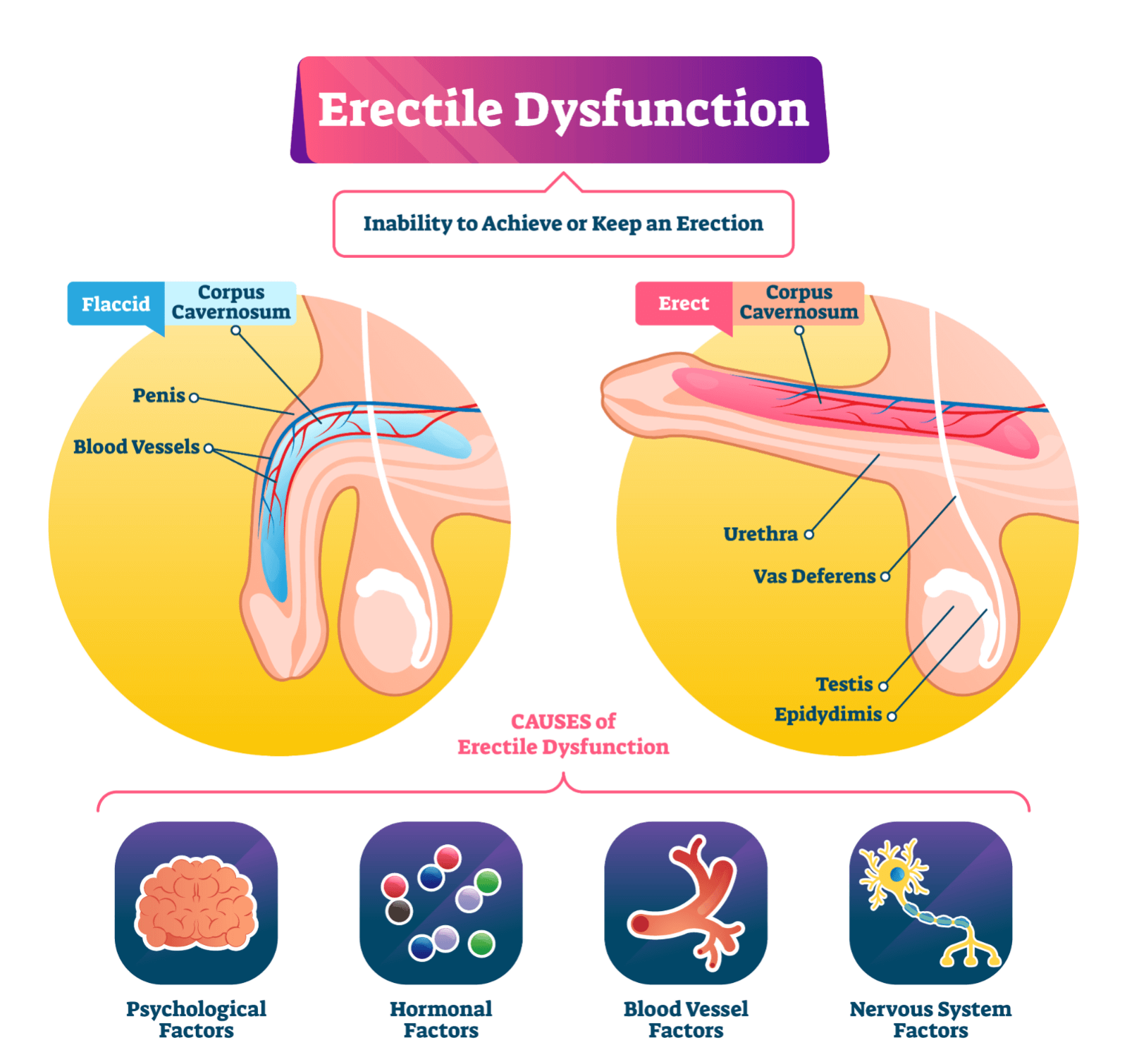
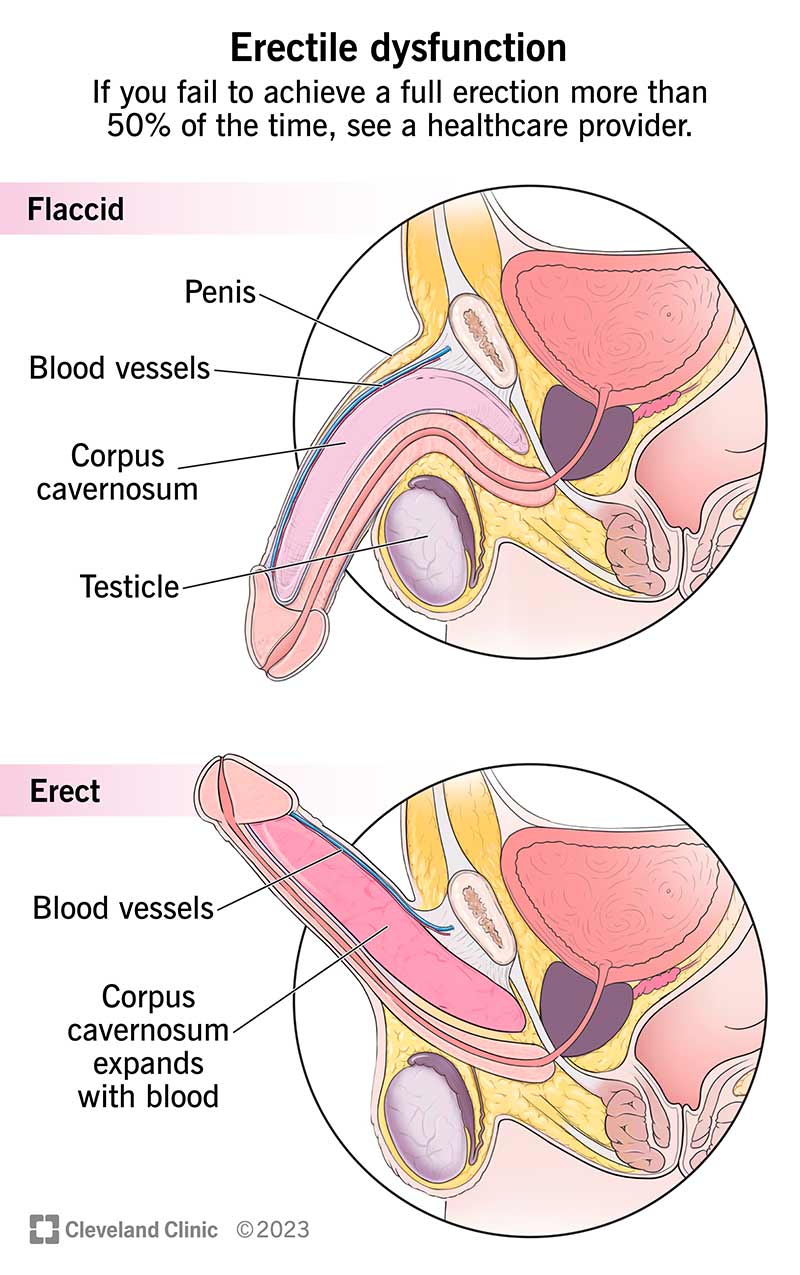
Erectile dysfunction is defined as the inability to achieve or maintain an erection sufficient for satisfactory sexual performance. While occasional difficulties with erections are common, persistent ED can lead to feelings of frustration, embarrassment, and anxiety. For many men, erectile dysfunction can strain intimate relationships and diminish overall life satisfaction.
Erectile dysfunction isn’t just a physical issue; it often has complex emotional and psychological components. Stress is one of many factors that can contribute to this condition. Understanding what ED actually is helps you recognize the importance of addressing any underlying causes, including stress, to find effective solutions.
The Stress Response: How Your Body Reacts
When you encounter stress, your body goes into a “fight or flight” mode. This response involves a release of stress hormones, such as adrenaline and cortisol, which may heighten your alertness but can also wreak havoc on your body over time. You might feel your heart race, your muscles tense, and your mind race with thoughts of impending deadlines or personal obligations.
In this heightened state of alertness, your body prioritizes immediate survival over other functions, including sexual arousal and performance. This biological response is a key factor in understanding how stress and erectile dysfunction are connected. When stress hormones flood your system, you might find it challenging to relax and enjoy intimate moments, directly impacting your ability to achieve or maintain an erection.
:max_bytes(150000):strip_icc()/VWH_Illustration_Tips-for-Managing-E-D_Illustrator_Ellen-Lindner_Final-c7a184632f7a4e52918bae22b1d75199.jpg "Stress And Erectile Dysfunction: How Are They Connected?")
Psychological Impacts of Stress on Sexual Health
Stress doesn’t just affect your physical body; it also has significant psychological effects. Constant worry and anxiety can lead to feelings of inadequacy or self-doubt, particularly when it comes to sexual performance. You might find yourself preoccupied with your ability to perform, which only increases the pressure on yourself, leading to an unfortunate cycle.
Imagine a situation where you’re about to engage in intimacy, but your mind is racing with thoughts about work, finances, or personal issues. This mental clutter can distract you from the moment, causing performance anxiety that can prevent you from achieving an erection. When pressure mounts, your mental state can become a barrier to sexual satisfaction, ultimately leading to feelings of frustration both with yourself and in your relationships.
The Cycle of Stress and Erectile Dysfunction
The relationship between stress and erectile dysfunction can form a vicious cycle. When you experience stress, it can lead to ED, which in turn causes more stress and anxiety, perpetuating the cycle. This is not just a theoretical concern; many men find themselves caught in this loop, leading to a cascade of emotional and physical issues.
For example, stress from work can translate into stress at home, especially if you start experiencing erectile dysfunction during intimate moments. The fear of failure during intimacy can become a source of additional stress, which may only exacerbate the issue further.
Recognizing this cycle is crucial. To break free, you will need to understand how to intervene at various points—by managing stress effectively, addressing any self-doubt, and seeking professional help when necessary.
Causes of Stress That Can Lead to ED
To effectively tackle the issue of stress-related erectile dysfunction, it’s important to identify the stressors that may lead to this condition. Common sources of stress that can contribute to ED include:
- Work Pressure: Job responsibilities, deadlines, and the corporate environment can create significant pressure.
- Financial Concerns: Worries about money, debt, or job security can be overwhelming and affect your mental health.
- Relationship Issues: Conflicts with a partner or the stress of ensuring your relationship remains strong can get in the way of sexual confidence.
- Life Changes: Major life events, such as moving, losing a loved one, or even becoming a parent, can introduce emotional turmoil.
- Health Concerns: Anxiety about your health or the health of loved ones can weigh heavily on your mind and affect your sexual function.
By recognizing and addressing these sources of stress, you’re taking the first crucial steps toward alleviating erectile dysfunction.
Stress Management Techniques
Finding effective ways to manage your stress is paramount for improving both your overall well-being and sexual health. Below are some strategies you might consider incorporating into your daily routine:
Mindfulness and Meditation
Mindfulness practices, such as meditation, can help you focus on the present moment rather than getting bogged down by future anxieties. Learning to be mindful can reduce stress, improve relaxation, and even enhance your sexual experiences.
Exercise
Engaging in physical activity is not just great for your body but also for your mind. Regular exercise helps reduce stress hormones while simultaneously boosting endorphins, your body’s natural mood elevators. This combination can improve your mood, enhance your self-esteem, and positively impact your sexual health.
Open Communication
If relationship issues are contributing to your stress, consider having an open conversation with your partner. Sharing your feelings can foster understanding and intimacy, which in turn can alleviate performance pressure and enhance your connection.
Professional Help
Sometimes, managing stress effectively requires professional intervention. Therapists and counselors can help you develop coping mechanisms tailored to your needs and can assist in addressing any underlying emotional or psychological factors contributing to your erectile dysfunction.

Natural Remedies for ED Related to Stress
In addition to stress management techniques, you might explore various natural remedies that could support erectile function. While results can vary from person to person, many find that these remedies can complement other treatments or techniques.
Herbal Supplements
Certain herbs, such as ginseng and ginkgo biloba, have been studied for their potential to improve sexual function. While scientific evidence is still emerging, some individuals have found success in incorporating herbal supplements into their health regimen. Always consult your healthcare provider before trying these.
Healthy Eating
Maintaining a balanced diet rich in fruits, vegetables, whole grains, and lean proteins can support overall health and improve blood flow. Foods known for their benefits to sexual health can include dark chocolate, avocados, and nuts.
Hydration
Staying well-hydrated is essential for overall body function, including your sexual health. Dehydration can lead to fatigue and reduced libido, contributing to stress levels. Ensure you’re drinking enough water throughout each day.
When to Seek Professional Help
While stress management and lifestyle changes can significantly impact your well-being, it’s essential to recognize when it’s time to seek professional assistance. If you find that your erectile dysfunction persists despite efforts to manage stress or lifestyle changes, don’t hesitate to consult a healthcare provider.
They can help assess any medical conditions that may be contributing to your ED and suggest treatment options that are best suited for your situation. This may include therapy, medication, or other interventions. Remember, there is no shame in reaching out for help—it’s a step towards understanding your health and improving your quality of life.
The Importance of Mental Health in Sexual Wellness
Maintaining good mental health is crucial for sexual wellness. Given that sexual fulfillment is linked with emotional intimacy, the psychological impacts of stress on your mental health can play a significant role in your sexual health.
Being proactive about your mental well-being involves self-care, staying socially connected, engaging in enjoyable activities, and dealing with emotional issues constructively. When you prioritize mental wellness, you create a more conducive environment for healthy relationships and satisfying sexual experiences.
Conclusion: Taking Charge of Your Health
Understanding the connection between stress and erectile dysfunction empowers you to make positive changes in your life. By recognizing stress as a significant factor that can impact your sexual health, you can adopt various coping strategies. Whether it’s practicing mindfulness, keeping open lines of communication with your partner, or seeking professional help, every step you take can contribute significantly to overcoming both stress and erectile dysfunction.
Ultimately, your health and happiness are intertwined, and addressing the mental strain of daily life can lead to fulfilling intimate relationships and improved overall well-being. Remember, you’re not alone in this journey, and there are countless resources and support networks available to help you navigate these challenges.
If you found this article insightful, please consider clapping for it, leaving a comment with your thoughts or experiences, and subscribing to my Medium newsletter for more updates on health and wellness topics that matter to you.
