
Living with Hodgkin Lymphoma as a teenager or young adult can be a challenging and overwhelming experience. From navigating through the maze of treatment options to coping with the physical and emotional toll, it’s a journey that often requires support. In this article, we will explore the various ways in which individuals can find the help they need, whether it’s through connecting with support groups, seeking professional counseling, or simply reaching out to friends and family. Remember, you are not alone in this battle, and together we can find strength and resilience to face Hodgkin Lymphoma head-on.
Understanding Hodgkin Lymphoma
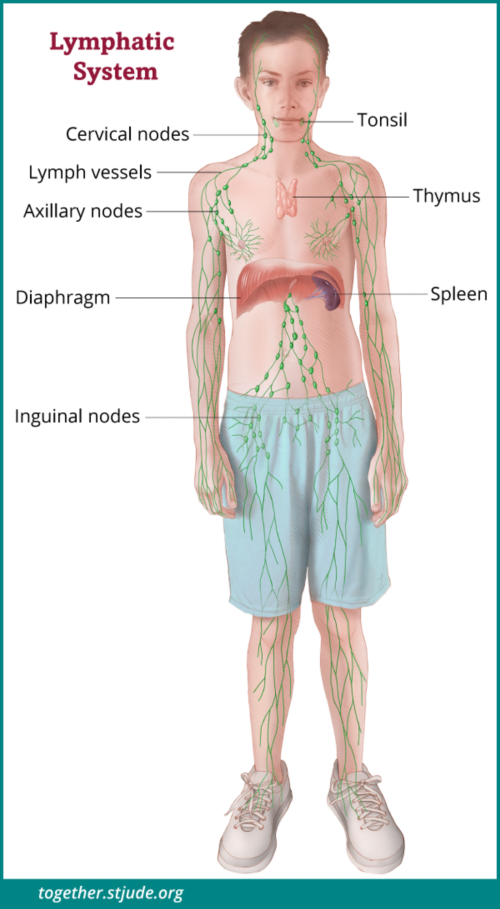
Hodgkin Lymphoma is a type of cancer that affects the lymphatic system, which is a crucial part of the immune system. It is characterized by the presence of abnormal cells called Reed-Sternberg cells in the lymph nodes. This condition typically starts in the lymph nodes in the upper body, such as the neck, chest, and armpits, but can spread to other parts of the body if left untreated.
Definition of Hodgkin Lymphoma
Hodgkin Lymphoma, also known as Hodgkin’s disease, is a type of cancer that affects the lymphatic system. It is characterized by the presence of specific abnormal cells, called Reed-Sternberg cells, in the lymph nodes. These cells are larger than normal cells and are responsible for triggering an immune response. The presence of Reed-Sternberg cells distinguishes Hodgkin Lymphoma from other types of lymphomas.

Causes of Hodgkin Lymphoma
The exact causes of Hodgkin Lymphoma are still unknown. However, researchers believe that a combination of genetic and environmental factors may contribute to the development of this disease. Some risk factors that have been identified include a family history of Hodgkin Lymphoma, a weakened immune system, previous Epstein-Barr virus infection, and exposure to certain chemicals or radiation.
Statistics on Hodgkin Lymphoma in Teenagers and Young Adults
Hodgkin Lymphoma is one of the most common types of cancer among teenagers and young adults. It often affects individuals between the ages of 15 and 35, with a higher incidence in males than females. According to statistics, approximately 10-15% of all Hodgkin Lymphoma cases occur in teenagers and young adults. It is essential to raise awareness about this age group’s specific challenges and ensure access to optimal care and support.

Diagnosis and Staging
Identifying Hodgkin Lymphoma
Diagnosing Hodgkin Lymphoma typically involves a series of medical tests and procedures. If you notice persistent symptoms such as swollen lymph nodes, unexplained weight loss, fatigue, or night sweats, it is crucial to consult a healthcare professional. A physical examination, including a thorough medical history review, will help in determining the presence of Hodgkin Lymphoma.
Tests for Hodgkin Lymphoma
To confirm the diagnosis of Hodgkin Lymphoma, several tests may be conducted. These include blood tests, imaging tests such as CT scans or PET scans, and a lymph node biopsy. Blood tests help assess the overall health and detect any abnormalities, while imaging tests provide detailed images of the internal organs, helping to evaluate the extent of the disease. A lymph node biopsy involves removing a small piece of the lymph node to examine it under a microscope.
Staging Hodgkin Lymphoma
After confirming the diagnosis, the next step is to determine the stage of Hodgkin Lymphoma. Staging refers to the process of determining the extent of cancer spread. It helps in planning the most appropriate treatment strategy. Hodgkin Lymphoma is staged using the Ann Arbor staging system, which takes into account factors such as the number of affected lymph nodes, the presence of cancerous cells outside the lymph nodes, and the involvement of other organs.
Treatment Options
The treatment strategy for Hodgkin Lymphoma depends on various factors, including the stage of the disease, the patient’s overall health, and personal preferences. The primary treatment options for Hodgkin Lymphoma include chemotherapy, radiation therapy, stem cell transplantation, targeted therapy, and immunotherapy. Often, a combination of these treatments may be recommended to achieve the best possible outcomes.
Chemotherapy
Chemotherapy is a common treatment approach for Hodgkin Lymphoma. It involves the use of powerful medications to kill cancer cells or prevent their growth and spread. Chemotherapy drugs are usually given intravenously or orally in cycles, allowing the body time to recover between treatments. This approach is effective in treating both early-stage and advanced-stage Hodgkin Lymphoma.
Radiation Therapy
Radiation therapy utilizes high-energy beams to target and destroy cancer cells. It is often used in combination with chemotherapy or as a standalone treatment for early-stage Hodgkin Lymphoma. Radiation therapy is a localized treatment, meaning it targets specific areas where cancer cells are present. This approach is particularly effective in treating localized or bulky disease.
Stem Cell Transplantation
Stem cell transplantation, also known as a bone marrow transplant, may be recommended for individuals with relapsed or refractory Hodgkin Lymphoma. This procedure involves replacing damaged or destroyed bone marrow with healthy stem cells. The transplanted stem cells can develop into healthy blood cells and rebuild the immune system.
Targeted Therapy
Targeted therapy is a more recent approach to treating Hodgkin Lymphoma. It involves the use of drugs that specifically target cancer cells, sparing healthy cells from damage. Targeted therapies work by inhibiting specific molecules or pathways that are crucial for cancer cell growth and survival. These treatments are typically used when other treatment options have been ineffective.
Immunotherapy
Immunotherapy is a cutting-edge treatment option for Hodgkin Lymphoma. It harnesses the body’s immune system to fight cancer cells. Immunotherapy drugs work by stimulating the immune system or enhancing its ability to recognize and destroy cancer cells. This approach has shown promising results in treating Hodgkin Lymphoma, especially in cases that have relapsed or are resistant to other treatments.

Managing Side Effects
While undergoing treatment for Hodgkin Lymphoma, it is essential to manage and cope with potential side effects. Understanding common side effects and their management strategies can significantly improve the overall treatment experience.
Understanding Common Side Effects
Common side effects of Hodgkin Lymphoma treatment include nausea and vomiting, fatigue, hair loss, and radiation side effects. It is essential to communicate any side effects to the healthcare team to receive appropriate support and guidance.
Nausea and Vomiting
Nausea and vomiting are common side effects of chemotherapy and can significantly impact a person’s quality of life. Medications known as anti-emetics are commonly prescribed to help manage these symptoms. Additionally, eating small, frequent meals, staying hydrated, and avoiding strong odors can also help alleviate these side effects.
Fatigue
Fatigue is another common side effect experienced by individuals undergoing treatment for Hodgkin Lymphoma. It is essential to listen to your body and take regular rest breaks when needed. Engaging in light physical activity or practicing relaxation techniques, such as deep breathing or meditation, can also help combat fatigue.
Hair Loss
Hair loss, or alopecia, can be distressing for many individuals undergoing chemotherapy. While there is no proven way to prevent hair loss entirely, there are various ways to manage it. Some individuals may choose to wear wigs, scarves, or hats, while others prefer to embrace their baldness. It is essential to discuss any concerns regarding hair loss with the healthcare team for guidance and support.
Radiation Side Effects
Radiation therapy can cause specific side effects depending on the area being treated. Skin reactions, fatigue, and changes in appetite or digestion are some common side effects. It is crucial to follow the radiation oncologist’s instructions for care and skincare during and after treatment. Communicating any concerns or new symptoms to the healthcare team is essential for timely management.
Nutrition and Exercise
Maintaining a balanced diet and regular exercise routine can play a vital role in managing Hodgkin Lymphoma and promoting overall well-being.
Importance of a Balanced Diet
A balanced diet is crucial for individuals with Hodgkin Lymphoma as it provides essential nutrients to support the body during treatment and recovery. Focus on consuming a variety of fresh fruits, vegetables, whole grains, lean proteins, and healthy fats. Avoiding processed foods, excessive sugar, and unhealthy fats is recommended.
Recommended Nutritional Guidelines
It is important to work with a registered dietitian or nutritionist to develop a personalized nutritional plan that meets your specific needs. They can provide guidance on portion sizes, meal planning, and managing specific nutritional challenges associated with treatment, such as loss of appetite or taste changes.
Maintaining Physical Fitness
Regular exercise is beneficial for individuals with Hodgkin Lymphoma, as it helps manage fatigue, maintain muscle strength, and improve overall physical and mental well-being. Consult with a healthcare professional before starting any exercise program to ensure it is safe and appropriate for your specific situation. Incorporate activities that you enjoy, such as walking, yoga, or swimming, into your routine.

Supportive Care
The emotional and psychological well-being of individuals with Hodgkin Lymphoma is equally important as their physical health. Various support mechanisms can help cope with the challenges that come with a cancer diagnosis.
Coping with Emotional Challenges
A cancer diagnosis can be overwhelming emotionally. It is normal to experience a range of emotions, including fear, anxiety, and sadness. It is crucial to give yourself permission to feel these emotions and seek support when needed. Engaging in activities that bring joy, practicing relaxation techniques, and talking to a mental health professional can help manage emotional challenges.
Seeking Support from Family and Friends
During this challenging time, the support of family and friends is invaluable. Openly communicating your needs, concerns, and feelings with your loved ones can help foster understanding and strengthen relationships. Having a support system that you can trust and rely on can make a significant difference in your journey with Hodgkin Lymphoma.
Support Groups
Joining a support group can provide a safe and understanding space to connect with others who are going through a similar experience. Sharing experiences, exchanging coping strategies, and receiving encouragement from individuals who truly understand your challenges can be immensely beneficial. Support groups may be available in-person or online.
Professional Counseling
Professional counseling or therapy can be beneficial for individuals with Hodgkin Lymphoma, especially if they are struggling with anxiety, depression, or other psychological challenges. A mental health professional can provide guidance, support, and coping strategies to help navigate the emotional roller coaster that often accompanies a cancer diagnosis and treatment.
Education and School Support
For teenagers and young adults, receiving a Hodgkin Lymphoma diagnosis can significantly impact their education and school life. It is important to communicate with school administrators, teachers, and counselors about your situation and any necessary accommodations. Many schools have support programs in place to ensure a smooth transition and continued academic progress during treatment and recovery.
Fertility Preservation
Hodgkin Lymphoma treatments, such as chemotherapy and radiation therapy, may affect fertility in both males and females. Discussing fertility preservation options with a healthcare team before starting treatment is crucial for individuals who wish to have children in the future.
Understanding the Impact on Fertility
Certain chemotherapy drugs and radiation therapy techniques may cause temporary or permanent damage to reproductive organs, leading to infertility. The potential impact on fertility depends on various factors, such as the specific treatment regimen, the age of the individual, and reproductive health prior to treatment.
Options for Fertility Preservation
There are various fertility preservation options available for individuals with Hodgkin Lymphoma. These may include sperm or egg freezing, embryo cryopreservation, ovarian tissue freezing, or testicular tissue banking. It is essential to discuss the available options with a fertility specialist to determine the most suitable approach based on individual circumstances.
Transitioning to Survivorship
After completing Hodgkin Lymphoma treatment, transitioning to survivorship is an important phase that comes with its own set of challenges and considerations.
Managing Long-term Effects
Some individuals may experience long-term effects of Hodgkin Lymphoma treatment, such as fatigue, changes in heart function, or secondary cancers. Regular follow-up appointments and open communication with the healthcare team can help monitor and manage these effects effectively.
Follow-Up Care
Regular follow-up appointments and screenings are vital for monitoring your health and detecting any potential recurrence or late effects. These appointments may include physical examinations, blood tests, imaging studies, and other tests specific to your situation. Adhering to the recommended follow-up care plan is critical for long-term well-being.
Returning to School or Work
Returning to school or work after Hodgkin Lymphoma treatment may come with specific challenges. It is important to communicate with teachers, professors, or supervisors about any necessary accommodations or modifications to ensure a smooth transition. Gradual reintegration into academic or professional life and seeking support from school or workplace resources can make the transition easier.
Financial and Legal Considerations
Understanding the financial and legal aspects associated with Hodgkin Lymphoma can provide individuals and their families with peace of mind during the treatment and recovery phases.
Insurance Coverage
Reviewing your health insurance coverage and understanding the details, including copays, deductibles, and coverage limitations, is crucial. It is essential to communicate with insurance providers and healthcare providers to ensure optimal coverage and avoid unexpected financial burdens.
Employment Rights
It is important to be aware of your employment rights as an individual with Hodgkin Lymphoma. Familiarize yourself with laws and regulations related to medical leave, reasonable accommodations, and job protection. Communicating openly with your employer about your treatment schedule and any necessary modifications can help ensure a supportive work environment.
Scholarship Opportunities
For teenagers and young adults pursuing higher education, Hodgkin Lymphoma may create additional financial challenges. Exploring scholarship opportunities specifically designed for individuals affected by cancer can help alleviate some of these financial burdens. Many organizations offer scholarships to support cancer survivors in their academic pursuits.
Resources and Organizations
When facing Hodgkin Lymphoma, reliable resources and supportive organizations can provide valuable information, guidance, and emotional support.
Reliable Online Resources
Online resources such as reputable cancer organizations, government health websites, and medical journals can provide up-to-date and trustworthy information about Hodgkin Lymphoma. Some reliable sources include the American Cancer Society, National Cancer Institute, and Lymphoma Research Foundation.
Supportive Organizations
Numerous organizations dedicate their efforts to supporting individuals with Hodgkin Lymphoma and their families. These organizations offer various services such as support helplines, educational programs, financial assistance, and emotional support. Some well-known organizations include the Leukemia & Lymphoma Society, Lymphoma Coalition, and Love Hope Strength Foundation.
Informational Brochures
Informational brochures and pamphlets are often available at healthcare facilities, cancer centers, and supportive organizations. These resources provide detailed information about Hodgkin Lymphoma, treatment options, side effect management, and available support services. Requesting brochures from your healthcare team or accessing them online can help you gain a comprehensive understanding of the disease and available resources.
In conclusion, understanding Hodgkin Lymphoma is crucial for teenagers and young adults affected by this disease. From diagnosis and treatment options to managing side effects and transitioning to survivorship, comprehensive information and support are essential. By utilizing the available resources, seeking support, and making well-informed decisions alongside your healthcare team, you can navigate Hodgkin Lymphoma with resilience and hope.