
Are you a teenager or young adult who has recently been diagnosed with Hodgkin Lymphoma? If so, you may be feeling overwhelmed and unsure of what to expect. In this article, we will provide a comprehensive overview of Hodgkin Lymphoma, specifically focusing on how it affects individuals in the teenage and young adult age group. From understanding the symptoms and diagnosis process to exploring treatment options and survivorship, we aim to empower you with the knowledge and support you need to navigate this challenging journey.
What is Hodgkin Lymphoma?
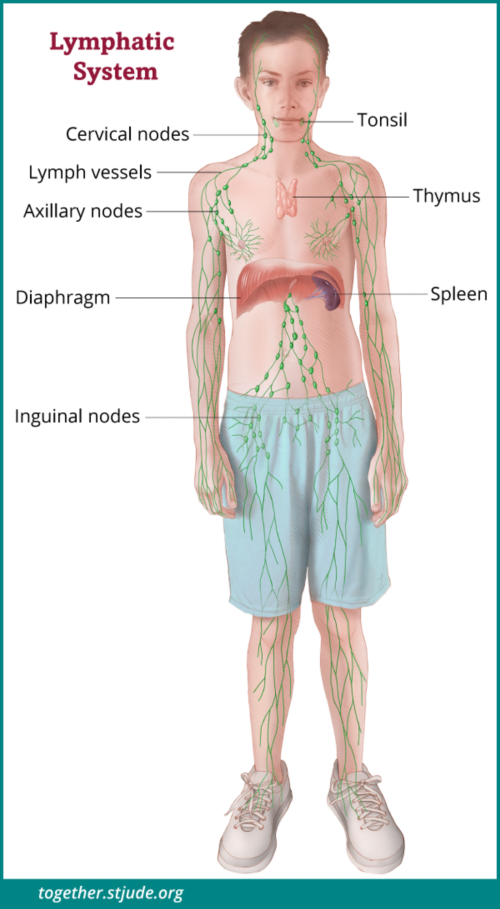
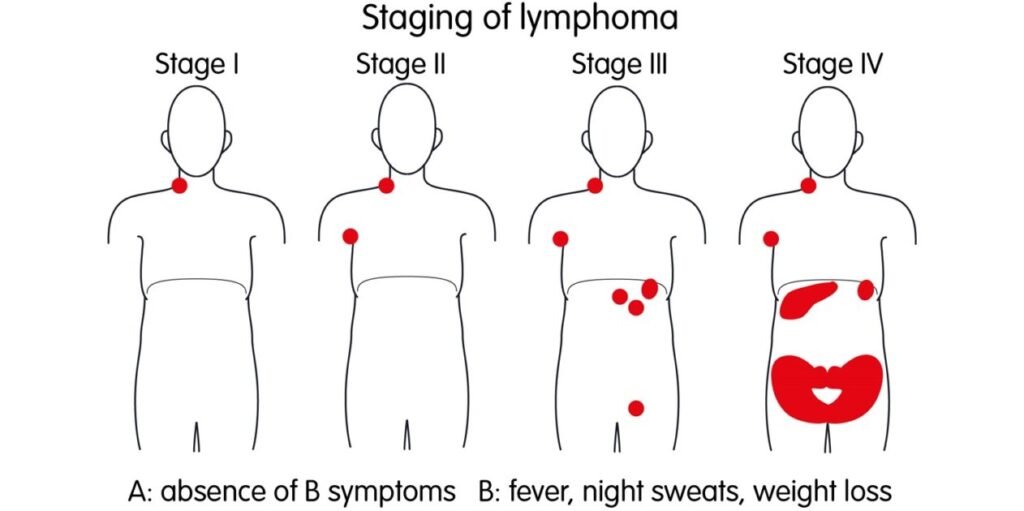
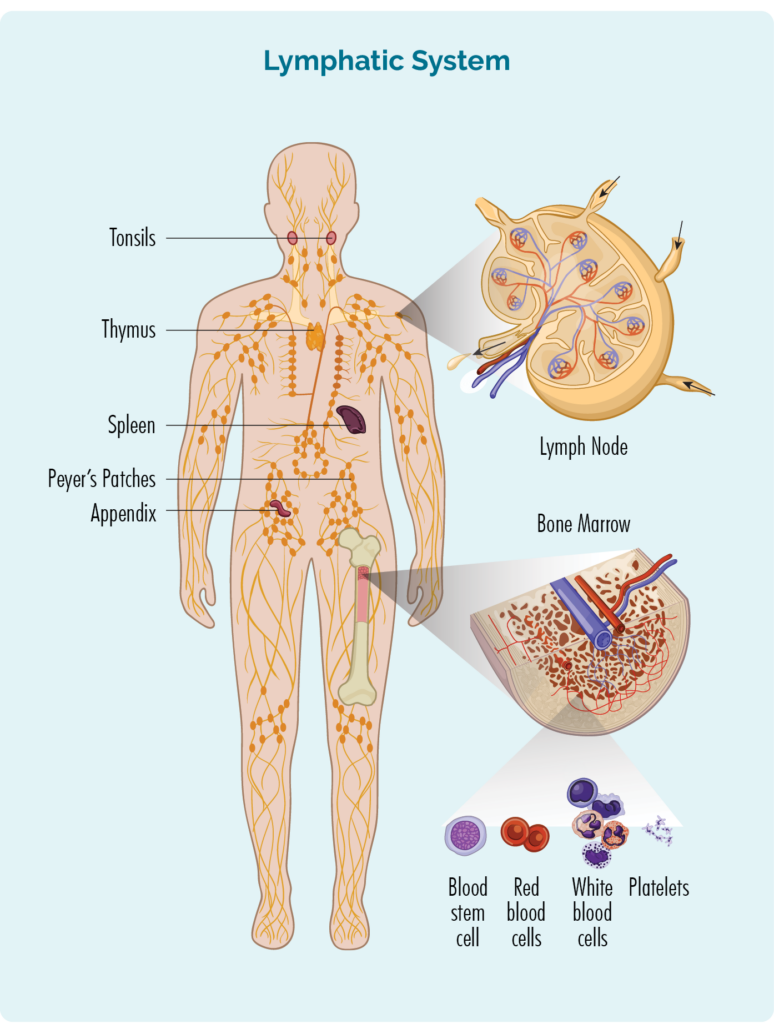
Hodgkin lymphoma is a type of cancer that affects the lymphatic system, which is a part of the body’s immune system. It is characterized by the presence of abnormal cells called Reed-Sternberg cells in the lymph nodes. This type of lymphoma is more commonly diagnosed in teenagers and young adults than in older adults. Hodgkin lymphoma is a highly treatable cancer, and the prognosis for most patients is favorable with appropriate treatment.
Definition and prevalence
Hodgkin lymphoma, also known as Hodgkin’s disease, is named after Thomas Hodgkin, who first described the condition in 1832. It is a relatively rare cancer, accounting for about 0.5% of all new cancer cases in the United States. However, it is one of the most common types of cancer diagnosed in teenagers and young adults, with the peak incidence occurring between the ages of 15 and 40.
Causes and risk factors
The exact cause of Hodgkin lymphoma is still unknown. However, researchers believe that a combination of genetic and environmental factors may play a role in its development. Some risk factors that have been associated with an increased risk of Hodgkin lymphoma include:
- Age: The risk of Hodgkin lymphoma increases with age, with peak incidence occurring in teenagers and young adults.
- Gender: Males are slightly more likely to develop Hodgkin lymphoma than females.
- Family history: Having a close relative, such as a parent or sibling, who has had Hodgkin lymphoma increases the risk of developing the disease.
- Weakened immune system: Individuals with a weakened immune system, such as those with HIV infection or those who have undergone an organ transplant and are taking immunosuppressive drugs, have an increased risk of Hodgkin lymphoma.
- Epstein-Barr virus infection: Infection with the Epstein-Barr virus, which causes infectious mononucleosis, has been linked to an increased risk of Hodgkin lymphoma.
Signs and symptoms
The most common symptom of Hodgkin lymphoma is swollen lymph nodes, usually in the neck, armpit, or groin. These swollen lymph nodes are often painless but may be accompanied by other symptoms such as:
- Unexplained and persistent fatigue
- Unexplained weight loss
- Night sweats
- Fever
- Itchy skin
- Loss of appetite
- Persistent cough or chest pain
It is important to note that these symptoms can be caused by other conditions as well, and the presence of these symptoms does not necessarily mean that a person has Hodgkin lymphoma. However, if any of these symptoms persist or worsen, it is important to see a healthcare provider for further evaluation.
Diagnostic Process
If you have symptoms that may suggest Hodgkin lymphoma, your healthcare provider will conduct a series of tests to diagnose the condition. The diagnostic process usually involves:
Physical examination and medical history
During a physical examination, your healthcare provider will feel the lymph nodes in your neck, armpit, and groin to check for any abnormalities. They will also ask about your symptoms and medical history, including any family history of cancer. This information will help guide further testing.
Blood tests and imaging
Blood tests may be done to check for signs of infection or abnormalities in the blood count. Imaging tests, such as a chest X-ray, CT scan, or PET scan, may be performed to determine the extent of the disease and identify any enlarged lymph nodes or other abnormalities in the body.
Biopsy and pathology analysis
The definitive diagnosis of Hodgkin lymphoma is made through a biopsy, which involves the removal of a small piece of tissue from an affected lymph node or other affected area. A pathologist will then examine the tissue under a microscope to determine if it contains the characteristic Reed-Sternberg cells. This analysis will also determine the specific type of Hodgkin lymphoma and its stage.
Staging and Prognosis
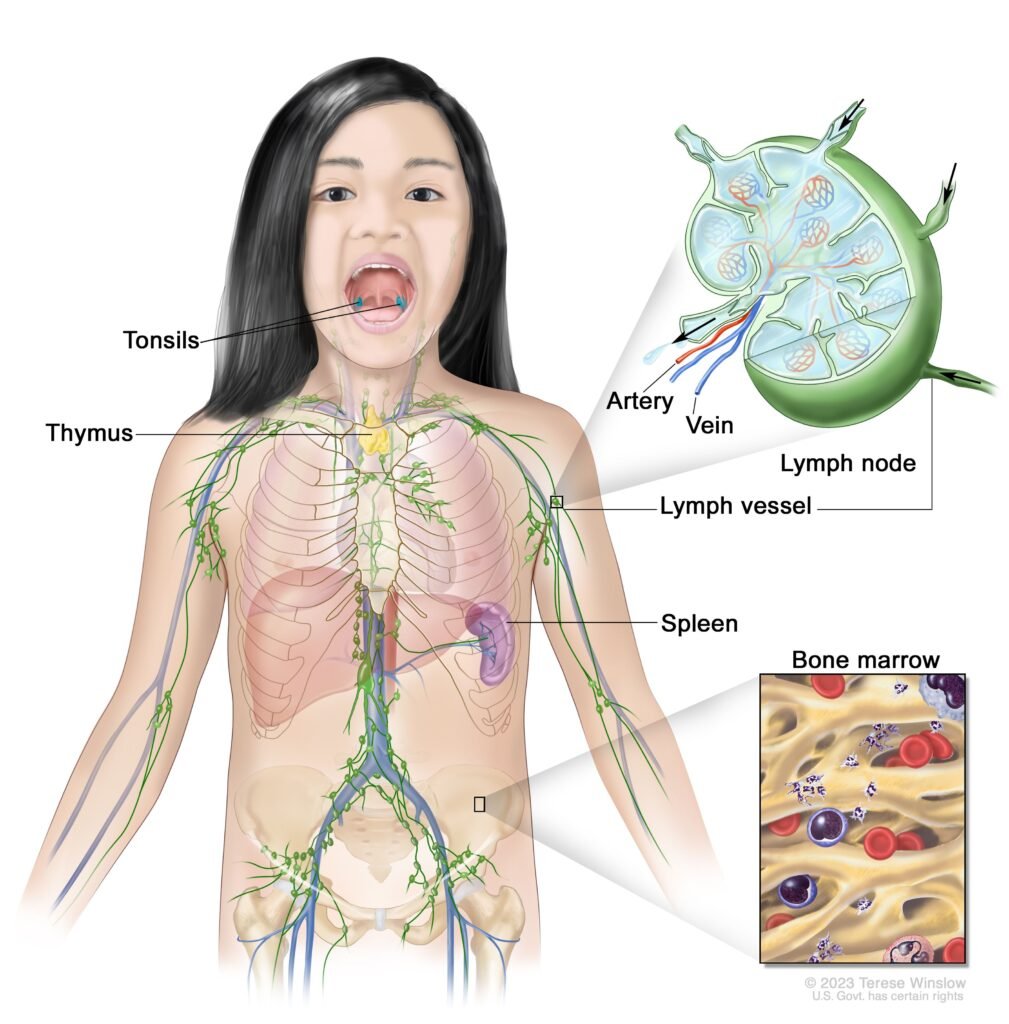
Once a diagnosis of Hodgkin lymphoma is confirmed, further tests will be done to determine the stage of the disease. Staging is based on the extent of the lymphoma and helps guide treatment decisions. The stages of Hodgkin lymphoma include:
Stages of Hodgkin lymphoma
- Stage I: The lymphoma is confined to a single lymph node or a group of lymph nodes in one region of the body.
- Stage II: The lymphoma is in two or more lymph nodes on the same side of the diaphragm, or it may be in one organ and nearby lymph nodes.
- Stage III: The lymphoma is on both sides of the diaphragm, or it may have spread to nearby organs or tissues.
- Stage IV: The lymphoma has spread to distant organs, such as the liver, lungs, or bone marrow.
Prognostic factors
Prognostic factors are characteristics of the disease and the patient that can help predict the likely outcome of treatment. Some of the prognostic factors for Hodgkin lymphoma include:
- Stage of the disease: Generally, the earlier the stage, the better the prognosis.
- Presence of B symptoms: B symptoms refer to symptoms such as unexplained weight loss, night sweats, and fever. The presence of B symptoms may indicate a more aggressive form of the disease and a potentially poorer prognosis.
- Response to treatment: Individuals who have a complete response to treatment have a better prognosis than those who have a partial response or no response.
- Age: Age can also be a prognostic factor, with younger patients generally having a better prognosis compared to older patients.
Impact of age on prognosis
In teenagers and young adults, age can have a significant impact on the prognosis of Hodgkin lymphoma. Younger patients generally have a better response to treatment and a higher overall survival rate compared to older patients. This may be due in part to the fact that younger patients tend to have fewer comorbidities and a better overall health status.
Treatment Options
The treatment of Hodgkin lymphoma depends on several factors, including the stage and type of the lymphoma, the patient’s overall health, and the presence of any other medical conditions. The main treatment options for Hodgkin lymphoma include:
First-line treatment options
- Chemotherapy: The mainstay of treatment for Hodgkin lymphoma is chemotherapy, which involves the use of drugs to kill cancer cells. Different combinations of chemotherapy drugs may be used, and the specific regimen will depend on the stage and type of the lymphoma.
- Radiation therapy: Radiation therapy may be used in combination with chemotherapy, especially in early-stage Hodgkin lymphoma. It involves the use of high-energy radiation beams to kill cancer cells and shrink tumors.
Targeted therapy and immunotherapy
- Targeted therapy: Targeted therapy drugs specifically target certain molecules or pathways that play a role in cancer growth. These drugs may be used in certain cases of recurrent or refractory Hodgkin lymphoma.
- Immunotherapy: Immunotherapy drugs work by stimulating the body’s immune system to recognize and attack cancer cells. They may be used in combination with chemotherapy or as a standalone treatment option in certain cases.
Transplantation procedures
- Stem cell transplantation: Stem cell transplantation involves the use of high-dose chemotherapy followed by the infusion of healthy stem cells to restore the bone marrow’s ability to produce blood cells. This procedure is typically reserved for patients with relapsed or refractory disease.
Side Effects and Supportive Care
While treatment for Hodgkin lymphoma can be effective, it can also cause side effects. The specific side effects and their severity can vary depending on the type and duration of treatment. Some common side effects of treatment include:
Common side effects of treatment
- Nausea and vomiting: Chemotherapy drugs may cause nausea and vomiting, but medication can be prescribed to help manage these symptoms.
- Hair loss: Certain chemotherapy drugs can cause hair loss, although the hair usually grows back after treatment is completed.
- Fatigue: Cancer treatments can cause fatigue, which can persist for weeks or months after treatment ends.
- Weakened immune system: Chemotherapy and radiation therapy can temporarily suppress the immune system, making patients more susceptible to infections.
- Infertility: Some treatments for Hodgkin lymphoma can affect fertility, especially in males. It is important to discuss fertility preservation options with your healthcare provider before starting treatment.
Management of side effects
To help manage side effects, healthcare providers may prescribe medications or recommend lifestyle modifications. For example, medications can be used to manage nausea and vomiting, while regular physical activity and a healthy diet can help alleviate fatigue. It is important to communicate with your healthcare team about any side effects you experience so that they can provide appropriate support and guidance.
Psychosocial support and counseling
In addition to managing physical side effects, it is important to address the emotional and psychological impact of a Hodgkin lymphoma diagnosis and treatment. Psychosocial support, including counseling and support groups, can be beneficial for patients and their families. These resources can provide a safe space to express emotions, share experiences, and learn coping strategies.
Long-Term Effects and Survivorship
After completing treatment for Hodgkin lymphoma, it is important to monitor for any potential long-term effects and receive appropriate follow-up care. Some potential long-term complications of treatment include:
Potential long-term complications
- Secondary cancers: Some treatments for Hodgkin lymphoma, such as radiation therapy and certain chemotherapy drugs, can increase the risk of developing secondary cancers later in life.
- Cardiac issues: Certain chemotherapy drugs, especially those called anthracyclines, can increase the risk of heart problems.
- Thyroid dysfunction: Radiation therapy to the neck area can affect the functioning of the thyroid gland and may require lifelong hormone replacement therapy.
Monitoring and follow-up care
Regular follow-up appointments with your healthcare provider are important to monitor for any potential long-term complications and ensure early detection and appropriate management. These appointments may include physical examinations, blood tests, and imaging tests as needed. It is important to discuss any concerns or symptoms with your healthcare team to receive the necessary care.
Transition to adult healthcare
For teenagers and young adults who were diagnosed with Hodgkin lymphoma during adolescence, transitioning to adult healthcare providers may be necessary. This transition may involve transferring medical records, establishing new relationships with healthcare professionals, and ensuring continuity of care. It is important to discuss this transition with your healthcare provider to ensure a smooth transfer of care.
Impact on Education and Career
A diagnosis of Hodgkin lymphoma can have a significant impact on education and career plans, especially for teenagers and young adults. It is important to consider how treatment will affect academic responsibilities and plan accordingly.
Managing treatment and academic responsibilities
During treatment, it may be necessary to reduce or modify academic responsibilities to accommodate treatment schedules and manage side effects. This may involve working with teachers and school administrators to develop a plan that allows for missed classes, modified assignments, or alternative educational arrangements.
Supportive resources in school
Many schools have resources available to support students with health conditions, including cancer. These resources may include school counselors, special education services, and flexible scheduling options. It is important to communicate with school personnel about your diagnosis and treatment to ensure appropriate support.
Career planning and accommodations
For young adults who are in the process of choosing a career or are already in the workforce, a diagnosis of Hodgkin lymphoma may require adjustments in career plans or accommodations in the workplace. It is important to discuss any concerns or needs with supervisors or human resources personnel to explore possible accommodations or modifications that can enable continued employment or career development.
Emotional and Mental Well-being
A diagnosis of Hodgkin lymphoma can have a significant emotional and psychological impact on patients and their loved ones. It is important to address these aspects of well-being in addition to physical treatment.
Coping with the diagnosis
A cancer diagnosis can be overwhelming and may evoke a range of emotions, including fear, sadness, anger, and uncertainty. It is important to allow yourself to feel these emotions and seek support from loved ones, healthcare professionals, or support groups. Coping strategies such as mindfulness, journaling, or engaging in hobbies can also help manage stress and promote emotional well-being.
Addressing anxiety and depression
Anxiety and depression can be common among individuals with cancer. If you are experiencing persistent feelings of sadness, hopelessness, or anxiety, it is important to seek help from a mental health professional. They can provide counseling, therapy, or medication as appropriate.
Support groups and peer connections
Connecting with others who have had similar experiences can provide a sense of understanding, validation, and support. Support groups, both in-person and online, can be a valuable resource for sharing experiences, exchanging advice, and finding emotional support.
Fertility Preservation
For teenagers and young adults diagnosed with Hodgkin lymphoma, fertility preservation is an important consideration, as some treatments can affect fertility.
Understanding the impact of treatment on fertility
Chemotherapy and radiation therapy can potentially damage the reproductive organs and affect fertility. The impact of treatment on fertility can vary depending on the specific treatment regimen, dosages, and individual factors. It is important to discuss fertility preservation options with your healthcare provider before starting treatment.
Available fertility preservation options
There are several fertility preservation options available for individuals who wish to preserve their fertility before starting cancer treatment. These options may include sperm banking for males, egg or embryo freezing for females, or ovarian tissue cryopreservation. It is important to consult with a reproductive specialist to discuss the most appropriate option for your situation.
Future family planning decisions
After completing cancer treatment, it may be necessary to discuss future family planning decisions. Depending on the impact of treatment on fertility, assisted reproductive technologies or adoption may be considered. It is important to have open conversations with your healthcare provider and a reproductive specialist to explore all available options.
Conclusion
Hodgkin lymphoma is a type of cancer that primarily affects teenagers and young adults. It is important to be aware of the signs and symptoms of the disease and seek medical attention if any persistent symptoms are present. With advances in treatment, the prognosis for Hodgkin lymphoma is generally favorable, and most patients can expect to live a long and fulfilling life after treatment. Additionally, support services are available to help patients and their loved ones cope with the emotional and practical challenges that come with a cancer diagnosis. By staying informed, seeking proper medical care, and accessing the available resources, individuals with Hodgkin lymphoma can navigate their journey towards survivorship with strength and resilience.