
Are you tired of struggling with weight loss and constantly battling health issues related to obesity? Look no further than the incredible benefits that bariatric surgery can offer. Bariatric surgery is a life-changing procedure that aims to help individuals combat obesity by reducing the size of their stomach and altering their digestive system. Not only does this surgical intervention greatly assist with weight loss, but it can also lead to an array of positive health outcomes, such as improved blood pressure, reduced risk of heart disease, and increased mobility. Discover the transformative power of bariatric surgery and embark on a journey towards a healthier, happier you.
Improved Health Outcomes
Reduced risk of obesity-related diseases
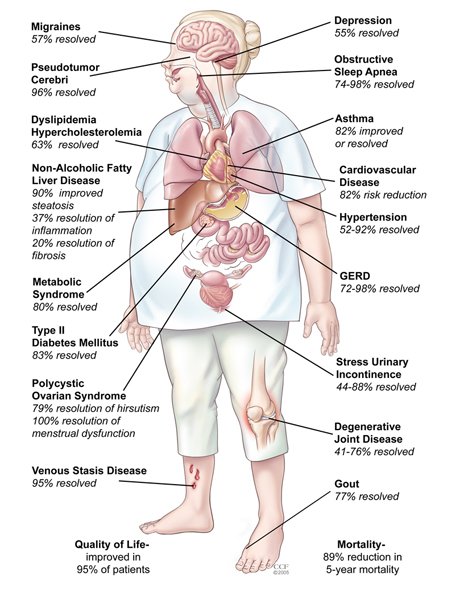
Bariatric surgery offers numerous health benefits, and one of the most significant is the reduced risk of obesity-related diseases. Excessive weight gain often leads to a range of health concerns, such as heart disease, stroke, and certain types of cancer. By opting for bariatric surgery, you can significantly lower the likelihood of developing these conditions. The procedure helps you shed excess weight, relieving stress on vital organs and reducing the strain on your cardiovascular system. With a healthier weight, your body can function more efficiently, dramatically decreasing the chances of obesity-related diseases.
Improved management of existing health conditions
If you already have health conditions like type 2 diabetes or high blood pressure, bariatric surgery can help manage and improve these conditions. Type 2 diabetes, in particular, often improves or even goes into remission following weight loss surgery. By achieving a healthier weight, your body becomes more insulin sensitive, leading to better blood sugar control and overall management of diabetes. Similarly, high blood pressure can be alleviated with weight loss, reducing the need for medication and minimizing the risks associated with hypertension.
Decreased mortality rates
Obesity is linked to an increased risk of premature mortality. However, with bariatric surgery, you can significantly decrease your chances of experiencing an early death. Studies have shown that individuals who undergo weight loss surgery have a lower overall mortality rate compared to those who rely solely on lifestyle changes or other methods. By addressing and resolving several obesity-related health concerns, such as cardiovascular disease and diabetes, bariatric surgery can effectively improve your chances of living a longer and healthier life.
Psychological Benefits
Improved self-esteem and body image
Struggling with obesity can take a toll on your self-esteem and body image. Bariatric surgery offers a solution by facilitating significant weight loss, helping you achieve a body that you feel confident in. As you shed excess weight and experience physical transformation, your self-esteem is likely to improve. This newfound confidence can positively impact various aspects of your life, including relationships, career opportunities, and overall happiness.
Reduction in depression and anxiety
Obesity is often associated with mental health issues, including depression and anxiety. Fortunately, bariatric surgery has been proven to alleviate these conditions. Losing weight can improve your overall mental well-being, lifting your mood and reducing feelings of sadness or anxiety. Furthermore, the surgery helps regulate certain hormones, such as ghrelin and leptin, which play a role in appetite regulation and mood. With a reduction in depressive symptoms and anxiety, you can enjoy a more positive and fulfilling life.
Enhanced quality of life
Bariatric surgery not only improves physical health but also enhances overall quality of life. Everyday activities become easier as you shed excess weight, and mobility is improved. You’ll have increased energy levels, enabling you to engage in physical activities and pursue hobbies that were previously difficult or impossible. Additionally, the psychological benefits of weight loss surgery, such as improved self-esteem and body image, contribute to a more fulfilling existence. Enjoying a higher quality of life can have a far-reaching positive impact on your relationships, career, and overall well-being.

Sustainable Weight Loss
Significant and long-lasting weight reduction
For many individuals struggling with obesity, long-term weight loss can be incredibly challenging. Bariatric surgery, however, provides a solution that promotes significant and long-lasting weight reduction. By altering the structure and function of your gastrointestinal tract, the surgery restricts the amount of food your body can consume and absorb. This leads to rapid initial weight loss, followed by sustained progress over time. With the right post-surgery lifestyle changes and ongoing support, you have the opportunity to achieve your weight loss goals sustainably.
Maintenance of healthy body weight
Bariatric surgery not only facilitates weight loss but also helps individuals maintain a healthy body weight. Unlike fad diets or temporary lifestyle changes, this surgical intervention addresses the underlying causes of obesity, such as hormonal imbalances, genetic factors, and eating behaviors. By providing a long-term solution, bariatric surgery ensures that your weight loss is sustainable, allowing you to maintain a healthy body weight and reducing the risks associated with fluctuations in weight.
Prevention of weight regain
One of the main concerns for individuals who have lost weight is the potential for weight regain. Bariatric surgery significantly reduces this risk by altering the physiology of your digestive system. Procedures such as gastric bypass and sleeve gastrectomy modify the size and shape of your stomach, making it physically challenging to overeat. Additionally, the surgery can alter hormonal levels to promote feelings of satiety and reduce hunger. Through continued healthy eating habits, regular exercise, and support from healthcare professionals, you can prevent weight regain and enjoy a long-lasting, healthy weight.
Resolution of Comorbidities
Remission or improvement of type 2 diabetes
Type 2 diabetes often goes hand in hand with obesity, but bariatric surgery offers hope for those struggling with this condition. Studies have shown that weight loss surgery can lead to remission or significant improvement of type 2 diabetes. By effectively reducing excess weight and altering the hormonal balance within the body, bariatric surgery helps control blood sugar levels and increases insulin sensitivity. With careful management and ongoing support, individuals can experience freedom from the burdens of living with diabetes and reduce the need for diabetic medications.
Relief from high blood pressure (hypertension)
High blood pressure, or hypertension, is a common comorbidity of obesity. Fortunately, bariatric surgery has proven to provide relief and improved management of this condition. Weight loss resulting from the surgery can help regulate blood pressure and reduce the strain on your heart and blood vessels. Many patients experience a significant decrease in blood pressure levels, leading to a decreased need for hypertension medications and reducing the risk of cardiovascular events, such as heart attacks and strokes.
Resolution of sleep apnea and respiratory problems
Sleep apnea, a sleep disorder characterized by interrupted breathing during sleep, is another condition commonly associated with obesity. Bariatric surgery can bring relief to individuals suffering from sleep apnea and other respiratory problems. Weight loss resulting from the surgery helps alleviate excessive pressure on the airways, reducing instances of breathing obstructions during sleep. This leads to improved sleep quality, increased daytime energy levels, and a decreased risk of associated health complications, such as cardiovascular disease.

Enhanced Fertility
Increased chances of conception and successful pregnancy
Obesity can have a significant impact on fertility, making it challenging for individuals to conceive and have a successful pregnancy. Bariatric surgery can help improve fertility by addressing hormonal imbalances, improving menstrual regularity, and promoting weight loss. As you shed excess weight, your reproductive system can function more optimally, increasing your chances of conception and a successful pregnancy. For individuals struggling with infertility due to obesity, weight loss surgery can be a life-changing solution.
Improvement in polycystic ovary syndrome (PCOS)
Polycystic ovary syndrome (PCOS) is a hormonal disorder that affects many women, often causing difficulties with fertility and various other symptoms. Bariatric surgery has been shown to improve PCOS symptoms by promoting weight loss and restoring hormonal balance. Weight reduction can lead to more regular menstrual cycles, decreased androgen levels, and an improved chance of ovulation. By addressing the underlying factors contributing to PCOS, weight loss surgery can significantly improve the reproductive health outcomes for individuals with this condition.
Better reproductive health outcomes
Optimizing reproductive health is crucial for those desiring to start a family or maintain overall reproductive well-being. Bariatric surgery plays a significant role in improving reproductive health outcomes. By achieving and maintaining a healthier weight, individuals can reduce the risk of pregnancy complications, such as gestational diabetes and hypertension. Additionally, weight loss surgery can decrease the chances of miscarriage, stillbirth, and preterm delivery. For couples affected by obesity-related reproductive challenges, bariatric surgery offers renewed hope and improved outcomes.
Improved Mobility and Physical Activity
Reduction in joint pain and improved mobility
Excess weight places significant strain on your joints, resulting in chronic pain and reduced mobility. Bariatric surgery offers relief by facilitating weight loss, which alleviates stress on the joints and reduces inflammation. As you shed excess pounds, you’ll likely experience a reduction in joint pain and an improvement in mobility. This newfound ease of movement can have a profound impact on your ability to engage in physical activities and lead an active, fulfilling life.
Increased ability to engage in physical activities
Obesity can limit your ability to engage in physical activities due to difficulties with stamina, flexibility, and joint pain. Bariatric surgery addresses these challenges by helping you achieve a healthier weight and improving overall physical fitness. As you lose weight and experience enhanced mobility, physical activities that were once challenging or impossible become more accessible. Whether it’s going for a walk, participating in sports, or enjoying adventures outdoors, bariatric surgery can empower you to embrace an active lifestyle and reap the benefits of regular exercise.
Enhanced overall physical fitness
Bariatric surgery not only improves mobility but also enhances overall physical fitness. As you shed excess weight and engage in regular physical activity, you’ll notice increased strength, endurance, and cardiovascular health. Regular exercise becomes more enjoyable and manageable, allowing you to pursue your fitness goals and maintain an active lifestyle. With improved physical fitness, you’ll experience a boost in energy levels, better sleep quality, and a reduced risk of obesity-related health concerns.
Reduced Medication Dependency
Lower reliance on medications for obesity-related conditions
Obesity often requires individuals to rely on medications to manage associated health conditions such as diabetes, hypertension, and high cholesterol. Bariatric surgery can significantly reduce the need for these medications as weight loss and improvements in overall health occur. By addressing the root cause of these conditions, the surgery provides an opportunity to minimize medication dependency and associated side effects. With ongoing monitoring and appropriate adjustments under the guidance of healthcare professionals, you can potentially reduce or even eliminate the need for long-term medication use.
Decreased need for diabetic, hypertension, or cholesterol medications
Bariatric surgery can offer relief to individuals with conditions such as diabetes, hypertension, or high cholesterol. As weight loss occurs, blood sugar levels normalize, blood pressure decreases, and cholesterol levels improve. This positive impact on your overall health can lead to a decreased need for medications associated with these conditions. By working closely with your healthcare team, you can effectively manage your medications and potentially enjoy a reduced reliance on diabetic, hypertension, or cholesterol medications.
Potential cost savings on pharmaceuticals
The financial burden of ongoing medication use can be significant, especially for individuals with obesity-related conditions. Bariatric surgery not only improves health outcomes but also offers potential cost savings on pharmaceuticals. By reducing medication doses or eliminating the need for certain medications altogether, you can experience better financial stability. This can free up resources to pursue other aspects of a healthier lifestyle, such as nutritious food choices, exercise equipment, or gym memberships, further contributing to your overall well-being.
Enhanced Mental Well-being
Improved cognitive function and mental clarity
Bariatric surgery not only improves physical health but also enhances cognitive function and mental clarity. Excessive weight can take a toll on cognitive abilities, resulting in reduced focus, memory issues, and difficulty processing information. Weight loss resulting from bariatric surgery can reverse these effects, leading to improved cognitive function and mental sharpness. As you shed excess weight, you’ll likely experience improved concentration, increased mental agility, and better memory retention, contributing to overall mental well-being.
Decreased risk of cognitive decline and dementia
Obesity has been linked to an increased risk of cognitive decline and conditions like dementia in later life. Bariatric surgery can help decrease this risk by promoting weight loss and improving overall health. By addressing obesity-related factors that contribute to cognitive decline and dementia, such as vascular damage and inflammation, weight loss surgery can significantly reduce these risks. Engaging in a healthy lifestyle post-surgery, including regular physical exercise and a balanced diet, further enhances cognitive health and reduces the likelihood of developing debilitating conditions.
Enhanced overall mental well-being
Bariatric surgery offers numerous psychological benefits, contributing to enhanced overall mental well-being. Losing excess weight can lead to improved self-confidence and body image, reducing stress and negative self-perception. The surgery’s positive impact on physical health, such as reduced risk of obesity-related diseases, often results in decreased anxiety about future health concerns. Furthermore, the newfound ability to engage in physical activities and enjoy a higher quality of life can significantly improve mental well-being. By investing in your physical health through bariatric surgery, you’ll likely experience a positive ripple effect on your mental and emotional well-being.

Improvement in Sleep Quality
Resolution of sleep apnea and breathing difficulties during sleep
Sleep apnea and other breathing difficulties during sleep are common issues associated with obesity. Bariatric surgery can often resolve these concerns, leading to improved sleep quality. As excess weight is shed, pressure on the airways is reduced, allowing for unobstructed breathing during sleep. This resolution of sleep apnea and breathing difficulties leads to not only better sleep quality but also increased energy levels and improved overall health.
Reduction in snoring and improvement in sleep duration
Snoring can be disruptive, not only to the sleep quality of the person snoring but also to their partners. Bariatric surgery can help reduce or eliminate snoring as weight loss occurs. With the reduction in excess weight, the airways become less constricted, resulting in quieter sleep. Additionally, weight loss surgery can improve sleep duration and promote a more restful night’s sleep. By addressing these sleep-related concerns, bariatric surgery allows you to wake up feeling refreshed and revitalized.
Increased daytime energy levels
One of the immediate benefits experienced by many bariatric surgery patients is increased daytime energy levels. Poor sleep quality, excessive weight, and obesity-related health concerns can all contribute to feelings of fatigue and low energy throughout the day. Weight loss resulting from bariatric surgery improves sleep quality, resolves sleep-related breathing issues, and enhances overall health. This combination leads to increased energy levels, allowing you to be more productive, engaged, and present in your daily activities.
Long-term Cost Savings
Reduction in medical expenses related to obesity-related diseases
Bariatric surgery offers long-term cost savings by reducing medical expenses associated with obesity-related diseases. Conditions such as heart disease, type 2 diabetes, and certain types of cancer can have a significant financial impact on individuals and their families. By addressing obesity through surgery, you can significantly reduce the risk of developing these costly conditions, resulting in fewer medical expenses over time. Investing in bariatric surgery now can lead to substantial savings in healthcare costs in the future.
Decreased need for ongoing medical treatments or hospitalizations
Obesity-related health concerns often require ongoing medical treatments, hospitalizations, and interventions. However, bariatric surgery can decrease the need for these ongoing medical interventions in the long run. By addressing the root cause of these conditions and achieving sustainable weight loss, the surgery provides a pathway to better overall health and a reduced reliance on medical treatments. This can result in more financial stability, better quality of life, and a greater sense of independence from the healthcare system.
Improved financial stability
Financial stability is an essential factor in overall well-being and quality of life. Bariatric surgery can contribute to improved financial stability by reducing healthcare costs, decreasing the need for ongoing medical treatments, and potentially improving career opportunities. With better health outcomes, increased energy levels, and enhanced self-confidence, individuals who undergo bariatric surgery often find themselves able to pursue career advancements, educational opportunities, and financial goals. By investing in your physical and mental health, you can also invest in your future financial stability.
In conclusion, bariatric surgery offers numerous physical, psychological, and financial benefits. From significantly reducing the risk of obesity-related diseases to enhancing fertility and improving overall mental well-being, the positive impact of weight loss surgery is undeniable. By choosing bariatric surgery, you embark on a transformative journey towards a healthier, happier, and more fulfilling life. It is important to consult with a qualified healthcare professional to determine if bariatric surgery is the right option for you and to receive ongoing support throughout your weight loss journey. Remember, investing in your health through bariatric surgery is an investment in your future well-being and longevity.