
Are you tired of struggling with obesity and the countless diets that never seem to work? Look no further, because bariatrics may be the solution you’ve been searching for. Bariatrics is a medical field that focuses on the treatment and management of obesity, offering surgical and non-surgical options to help individuals achieve significant weight loss. Say goodbye to the endless cycle of weight gain and frustration, and embrace a healthier, happier life with the help of bariatrics.
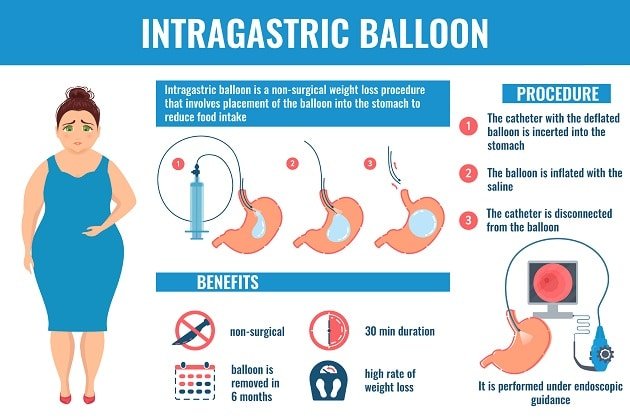
Definition of Bariatrics
Bariatrics is a branch of medicine that focuses on the study and treatment of obesity. It involves the diagnosis, prevention, and management of obesity-related health issues. The word “bariatrics” is derived from the Greek word “baros” meaning weight.
Overview of Bariatrics
Bariatrics encompasses various approaches to combat obesity, including lifestyle modifications, diet and exercise programs, medications, and bariatric surgery. It aims to help individuals achieve and maintain a healthy weight, improve their overall health, and reduce the risk of obesity-related complications.
Importance of Bariatrics
Obesity is a prevalent and escalating global health issue. It not only affects physical health but also significantly impacts mental health and overall well-being. Bariatrics plays a crucial role in addressing this concern by providing effective and sustainable solutions for weight loss and improving health outcomes.
Causes of Obesity
Genetic Factors
While genetics can influence a person’s predisposition to obesity, it does not solely determine whether someone will become obese. Certain genetic variations can make individuals more prone to weight gain or affect their metabolism. However, a healthy lifestyle can still help manage weight effectively, even in those with a genetic predisposition.
Lifestyle Factors
Unhealthy eating habits, sedentary lifestyles, and lack of physical activity are major contributors to obesity. Consuming high-calorie foods, excessive snacking, and limited physical activity can lead to weight gain over time. Encouraging healthier lifestyle choices can significantly reduce the risk of obesity.
Environmental Factors
The environment in which one lives can also influence the development of obesity. Factors such as easy access to unhealthy food options, limited opportunities for physical activity, and sedentary work environments can contribute to weight gain. Creating supportive environments that promote healthy choices can help combat obesity.

Health Risks of Obesity
Cardiovascular diseases
Obesity is a significant risk factor for cardiovascular diseases such as hypertension, heart disease, and stroke. Excessive weight places strain on the heart and blood vessels, leading to increased blood pressure, cholesterol levels, and inflammation. Bariatric surgery can help reduce these risk factors and improve cardiovascular health.
Type 2 diabetes
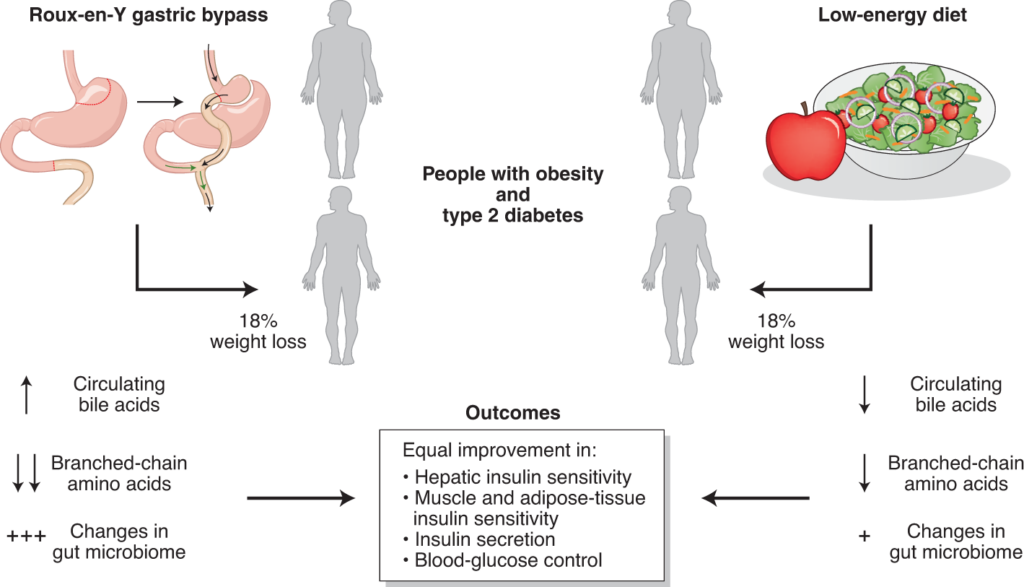
Obesity is closely associated with the development of type 2 diabetes. Excess body fat can lead to insulin resistance, making it difficult for the body to regulate blood sugar levels. Bariatric surgery has been proven to improve glycemic control and even lead to remission of diabetes in many cases.
Joint problems
The excessive weight carried by the body puts strain on the joints, leading to conditions such as osteoarthritis and joint pain. Bariatric surgery can alleviate this strain by promoting weight loss, thereby reducing the burden on the joints and improving mobility.
Sleep apnea
Obesity is a common cause of sleep apnea, a sleep disorder characterized by pauses in breathing during sleep. The excess weight in the neck area can obstruct the airways, leading to disrupted sleep and other complications. Bariatric surgery can improve sleep apnea symptoms and overall sleep quality.
Certain types of cancer
Obesity has been linked to an increased risk of several types of cancer, including breast, colorectal, and pancreatic cancer. Fat cells produce hormones and proteins that can promote tumor growth. Bariatric surgery can help reduce the risk of obesity-related cancers.
Mental health issues
Obesity can negatively impact mental health, leading to issues such as depression, anxiety, and poor body image. Bariatric surgery can improve psychological well-being by enabling significant weight loss and enhancing self-esteem.
Introduction to Bariatric Surgery
Different types of bariatric surgeries
Bariatric surgery encompasses various procedures, each with its own mechanisms for weight loss. The most common types include gastric bypass, gastric sleeve, gastric banding, biliopancreatic diversion with duodenal switch, and revisional bariatric surgery. These surgeries aim to limit food intake, reduce stomach size, and/or change the way food is digested.
How bariatric surgery works
Bariatric surgery promotes weight loss through different mechanisms depending on the procedure. Gastric bypass surgery, for example, reduces the size of the stomach and reroutes the small intestine, leading to reduced food intake and the decreased absorption of calories. Gastric sleeve surgery involves removing a portion of the stomach, resulting in reduced hunger and improved hormonal balance.
Eligibility for bariatric surgery
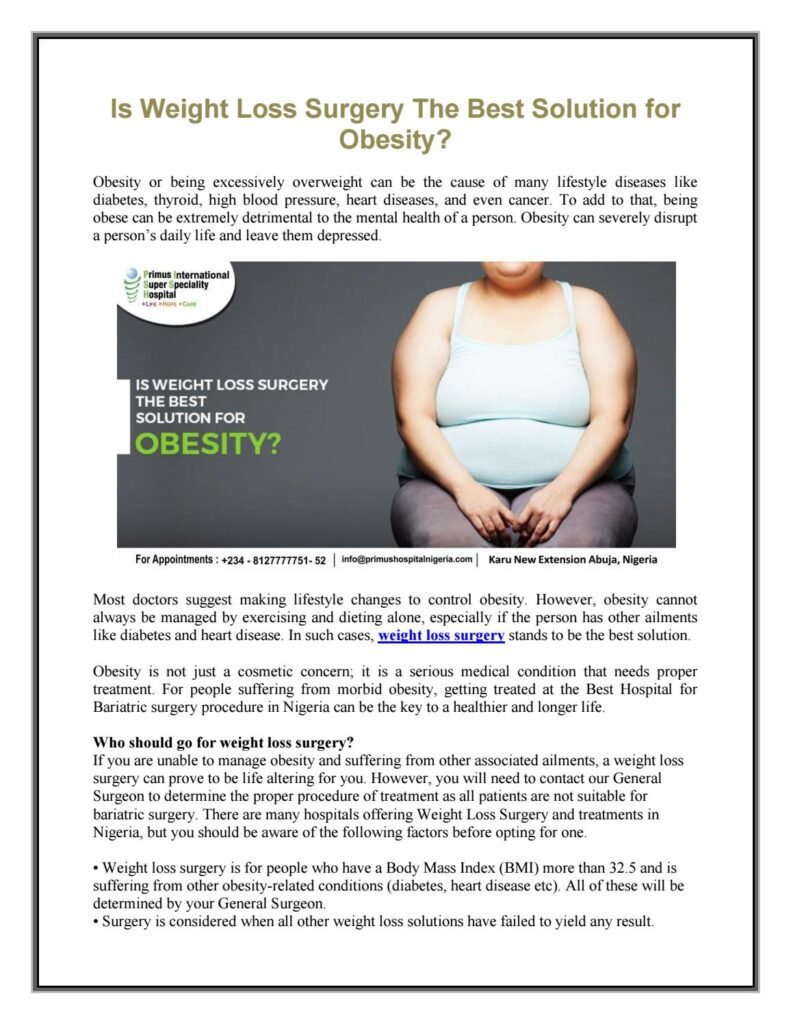
Eligibility for bariatric surgery is determined by several factors, including body mass index (BMI), obesity-related health conditions, previous weight loss attempts, and overall physical and mental well-being. Candidates typically need to demonstrate a commitment to long-term lifestyle changes and willingness to adhere to post-operative guidelines.
Benefits of Bariatric Surgery
Significant weight loss
One of the primary benefits of bariatric surgery is significant and sustained weight loss. Patients can expect to lose a significant amount of excess weight in the months following surgery. This weight loss can significantly improve physical health, enhance quality of life, and reduce the risk of obesity-related conditions.
Improvement in obesity-related health issues
Bariatric surgery often leads to improvements or even resolution of obesity-related health issues such as type 2 diabetes, hypertension, sleep apnea, and joint problems. Many patients experience a reduction in medication usage and an overall improvement in their health outcomes.
Enhanced quality of life
Obesity can limit physical mobility, restrict daily activities, and impact overall well-being. Bariatric surgery provides individuals with the opportunity to regain mobility, engage in physical activities with ease, and improve self-esteem and body confidence, leading to an overall enhanced quality of life.
Increased life expectancy
Numerous studies have shown that bariatric surgery can lead to increased life expectancy for individuals struggling with obesity. By improving overall health, reducing the risk of obesity-related complications, and promoting weight loss, bariatric surgery contributes to a longer and healthier life.
Types of Bariatric Surgery
Gastric Bypass
Gastric bypass surgery involves creating a small stomach pouch and rerouting a section of the small intestine to bypass the rest of the stomach. This procedure restricts food intake and reduces nutrient absorption, resulting in significant weight loss.
Gastric Sleeve
Gastric sleeve surgery involves removing a large portion of the stomach, leaving a smaller sleeve-shaped pouch. This procedure reduces the stomach’s size, curbs hunger, and leads to weight loss by limiting food intake and altering hunger hormone signals.
Gastric Banding
Gastric banding involves placing an adjustable band around the upper part of the stomach to create a small pouch. The band can be tightened or loosened to control food intake. This procedure restricts the amount of food consumed, promoting weight loss.
Biliopancreatic Diversion with Duodenal Switch
This procedure involves removing a large portion of the stomach and rerouting the small intestine in two separate paths, which limits both food intake and calorie absorption. It is typically used for individuals with severe obesity.
Revisional Bariatric Surgery
Revisional bariatric surgery refers to follow-up procedures performed on individuals who have previously undergone bariatric surgery but experienced inadequate weight loss, complications, or other issues. These procedures aim to address the specific concerns with the previous surgery and enhance weight loss outcomes.
Preparation for Bariatric Surgery
Consultation with a bariatric surgeon
Prior to bariatric surgery, it is crucial to schedule a consultation with a bariatric surgeon. The surgeon will evaluate the individual’s medical history, conduct a physical examination, and discuss the risks and benefits of the procedure. This consultation allows for an open dialogue and ensures that the patient is well-informed and prepared for the surgery.
Pre-operative evaluations
Patients need to undergo various pre-operative evaluations, including blood tests, imaging studies, and consultations with a nutritionist and other healthcare professionals. These evaluations help determine the patient’s overall health status, identify any potential risks or concerns, and customize the surgical plan accordingly.
Dietary and lifestyle changes
Prior to surgery, patients are required to make dietary and lifestyle changes. This may include following a specific diet plan, quitting smoking, abstaining from alcohol consumption, and engaging in regular physical activity. These changes help prepare the body for surgery and promote overall health and well-being.
Mental health support
Bariatric surgery candidates may be advised to seek mental health support to ensure they are emotionally and mentally prepared for the procedure. Mental health professionals can provide guidance, support, and coping strategies to help patients navigate the emotional challenges associated with significant weight loss and lifestyle changes.
Risks and Complications
Short-term complications
Bariatric surgery, like any surgical procedure, carries certain risks and potential complications. Short-term complications may include bleeding, infection, blood clots, adverse reactions to anesthesia, and leaks at the surgical site. These risks are usually manageable and can be minimized through proper surgical technique and post-operative care.
Long-term complications
Long-term complications following bariatric surgery can include nutritional deficiencies, gallstones, ulcers, dumping syndrome, hernias, and weight regain. These complications are relatively rare and can often be prevented or managed through regular follow-up appointments, adherence to dietary guidelines, and lifestyle modifications.
Managing and preventing complications
To manage and prevent complications, patients must adhere to post-operative guidelines provided by their healthcare team. These may include dietary restrictions, vitamin and mineral supplementation, regular exercise, and attending follow-up appointments. Recognizing and reporting any potential complications promptly is also essential for timely intervention and management.

Post-Surgery Care and Lifestyle Changes
Dietary changes
Following bariatric surgery, patients are required to make significant dietary changes. Initially, they will transition from a liquid diet to soft foods and gradually reintroduce solid foods. Portion control, balanced nutrition, and avoidance of high-calorie, sugary, and fatty foods are crucial for long-term success and weight maintenance.
Exercise and physical activity
Regular exercise and physical activity play a vital role in post-surgery care and weight maintenance. Patients are encouraged to engage in moderate-intensity exercises such as walking, swimming, or cycling. Physical activity not only aids in weight loss but also helps improve cardiovascular health, build muscle strength, and enhance overall well-being.
Follow-up appointments
Regular follow-up appointments with the bariatric surgery team are essential for monitoring progress, addressing any concerns or complications, and ensuring long-term success. These appointments allow for adjustments to the treatment plan, reinforcement of healthy habits, and ongoing support for the patient’s weight loss journey.
Support groups and counseling
Support groups and counseling services offer invaluable support and guidance throughout the post-surgery phase. They provide patients with opportunities to share experiences, gain insights from others, and receive emotional support. Support from peers and professionals can significantly contribute to a successful and sustainable weight loss journey.
Success Rates and Patient Experiences
Success rates of bariatric surgery
Studies have shown that bariatric surgery has high success rates in terms of weight loss and improvement in obesity-related health conditions. The amount of weight loss and the extent of health improvements may vary depending on the individual, the chosen procedure, and the commitment to post-operative lifestyle changes. However, overall, bariatric surgery has proven to be an effective tool for long-term weight loss and health improvement.
Case studies and patient testimonials
Numerous case studies and patient testimonials showcase the transformative effects of bariatric surgery. Stories of individuals who have successfully achieved significant weight loss, resolved health issues, and improved their quality of life serve as inspiration for others considering bariatric surgery. These firsthand experiences highlight the potential benefits and provide hope for those struggling with obesity.
Factors influencing success
Several factors can influence the success of bariatric surgery, including adherence to post-operative guidelines, dietary and lifestyle changes, ongoing support, and regular follow-up appointments. The patient’s commitment to long-term behavior modifications and the ability to address any emotional or psychological challenges that may arise are also crucial factors in achieving long-term success.
In conclusion, bariatrics offers a comprehensive approach to combat obesity and improve overall health outcomes. Through a combination of lifestyle modifications, medications, and bariatric surgery, individuals struggling with obesity can achieve significant and sustainable weight loss, alleviate health issues, enhance their quality of life, and potentially increase their life expectancy. It is important to consult with a bariatric surgeon, undergo the necessary evaluations, make the required dietary and lifestyle changes, and adhere to post-operative guidelines to maximize the benefits of bariatric surgery. Success rates are high, and numerous case studies and patient testimonials highlight the life-changing effects of bariatric surgery. With the proper support and commitment to long-term lifestyle changes, obesity can be effectively managed, and overall health and well-being can be significantly improved.