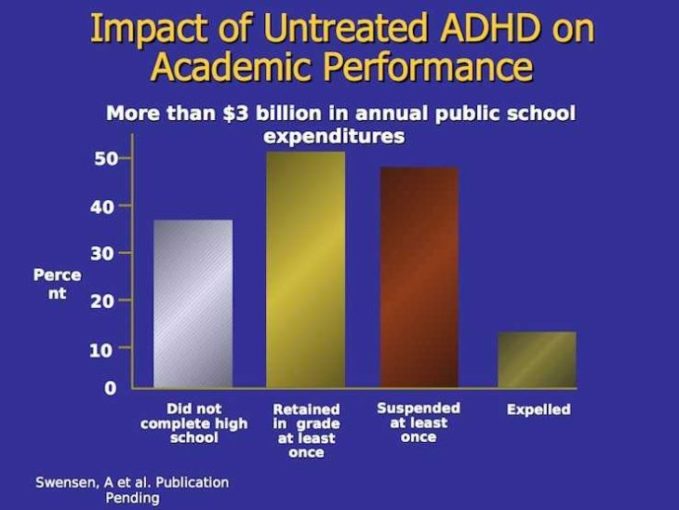
Having attention deficit hyperactivity disorder (ADHD) can significantly affect academic performance. From difficulty staying focused and completing assignments to struggling with time management, students with ADHD often face unique challenges in the classroom. This article explores the various ways in which ADHD can impact academic performance and offers strategies to help individuals with ADHD succeed in their educational endeavors.
1. Difficulties with Attention
Living with ADHD can present several challenges, especially when it comes to attention. People with ADHD often struggle with an inability to focus on tasks for extended periods of time. This difficulty in sustaining attention can make it challenging to complete tasks efficiently and effectively. Additionally, individuals with ADHD tend to be highly distractible, often becoming easily sidetracked by external stimuli or their own thoughts. This further impedes their ability to concentrate on the task at hand. Another aspect of attention difficulties experienced by individuals with ADHD is impaired sustained attention. This means that they may have trouble maintaining focus and engagement over longer periods, particularly when a task is demanding or repetitive.
2. Challenges with Organization
Organizational skills can be a significant struggle for individuals with ADHD. They often find it difficult to organize materials, whether it’s physical items such as notebooks and supplies or digital files on a computer. This lack of organization can make it harder to locate and retrieve necessary information when needed. In addition, individuals with ADHD may struggle with poor planning and prioritization. It can be challenging for them to break down tasks into manageable steps or to determine which tasks are most important to complete first. This can lead to a sense of overwhelm and a tendency to procrastinate. Forgetfulness and disorganization are also common manifestations of ADHD, making it challenging to keep track of appointments, deadlines, and important information.
3. Impaired Time Management
Managing time effectively is often a significant struggle for individuals with ADHD. They may have difficulty estimating how long tasks will take and become easily overwhelmed by the passage of time. This can lead to difficulties in meeting deadlines and completing tasks within given timeframes. Procrastination is another common challenge faced by individuals with ADHD, often due to a dislike of certain tasks or a tendency to seek out more stimulating activities. These patterns of procrastination can further exacerbate time management difficulties, making it difficult to allocate time appropriately for various tasks.
4. Learning Difficulties
Learning can be particularly challenging for individuals with ADHD due to specific difficulties they may experience. Problems with reading comprehension are common, as individuals may become easily distracted or lose focus while reading, making it difficult to retain and understand the material. Additionally, individuals with ADHD may struggle with information processing. They may have difficulty filtering out irrelevant information, leading to confusion and difficulty grasping key concepts. Following instructions can also be challenging, as individuals with ADHD may have difficulty remembering all the steps or staying focused long enough to complete them.
5. Impact on Memory
ADHD can have a significant impact on memory, both short-term and working memory. Short-term memory deficits are often observed in individuals with ADHD, making it difficult to retain information for short periods of time. This can make it challenging to follow along in a conversation or lecture and can lead to difficulties recalling information quickly. Working memory impairments, on the other hand, can affect an individual’s ability to hold and manipulate information in their mind while completing tasks. This can hinder problem-solving abilities and make it harder to keep track of multiple pieces of information simultaneously. Memory recall difficulties are also prevalent, as individuals with ADHD may struggle to retrieve information from their memory when needed.
6. Effect on Testing and Exams
The impact of ADHD on testing and exams can be significant. Individuals with ADHD may experience difficulties in exam preparations due to their challenges with focus, organization, and time management. It can be challenging to study effectively and efficiently, leading to a sense of being underprepared. In timed exams, individuals with ADHD may experience impaired performance due to their difficulties with sustained attention and time management. They may struggle to allocate their time appropriately and may become overwhelmed or distracted during the exam, thereby negatively impacting their ability to perform to their fullest potential. Furthermore, challenges in test-taking strategies can arise due to difficulties with reading comprehension, following instructions, and recalling information under pressure.
7. Social Interactions and Peer Relationships
ADHD can have a significant impact on social interactions and peer relationships. Individuals with ADHD may face challenges in forming and maintaining friendships due to their impulsivity, distractibility, and difficulty sustaining attention in social situations. They may struggle to engage in meaningful conversations or to follow social cues, leading to misunderstandings or social awkwardness. Peer rejection and social exclusion can be common experiences for individuals with ADHD, which can have a detrimental impact on their self-esteem and self-image. It is important for individuals with ADHD to receive support and understanding from their peers to foster healthy social relationships.
8. Teacher-Student Dynamics
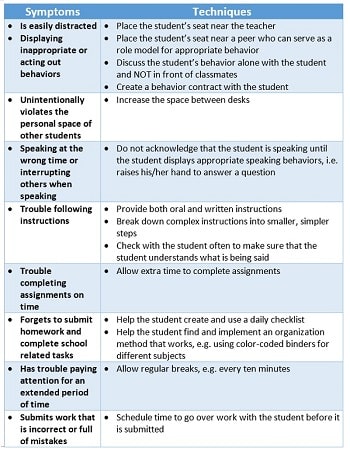
The classroom environment can be particularly challenging for individuals with ADHD, leading to misunderstandings and frustrations between teachers and students. Teachers may have difficulty understanding the unique learning needs and challenges faced by students with ADHD, which can result in their needs being overlooked or misunderstood. Classroom management can also be a challenge, as individuals with ADHD may struggle with staying on task, following instructions, or controlling impulsive behaviors. Strategies for effective teacher-student communication are critical in establishing a supportive and understanding classroom environment that caters to the needs of individuals with ADHD.

9. Interventions and Support Strategies
There are various interventions and support strategies available to help individuals with ADHD manage their symptoms and succeed academically. Medication options can be recommended by healthcare professionals to help reduce symptoms of inattention, hyperactivity, and impulsivity. Behavioral therapy, including cognitive-behavioral therapy, can be beneficial in teaching individuals with ADHD strategies to improve organization, time management, and problem-solving skills. Accommodations and modifications in educational settings are also important to provide individuals with ADHD with the necessary support to thrive academically. These may include extended time on exams, preferential seating, or the use of assistive technologies.
10. Role of Parents and Guardians
Parents and guardians play a crucial role in supporting their child with ADHD in their academic journey. Providing structure and routine at home can help individuals with ADHD develop better organization and time management skills. This can include having consistent daily schedules, creating designated study areas, and implementing regular review and planning sessions. Effective communication with teachers is also vital in ensuring the needs of the child are understood and met in the classroom. Regular communication can help parents stay informed about their child’s progress and any concerns that may arise. Advocating for the child’s needs is another essential role parents and guardians play, ensuring that necessary accommodations and support services are in place to enable their child’s academic success.