
Imagine receiving a diagnosis that changes your life in an instant: cervical cancer. The impact of that news can be overwhelming, filled with fear and uncertainty. But this is not the end of the road. It is the beginning of a journey towards recovery, hope, and a full life beyond the disease. In this article, you will discover the essential steps and resources available to navigate through life after a cervical cancer diagnosis, providing the guidance and support you need to heal, thrive, and regain control over your life.
Navigating the Diagnosis
Understanding the Diagnosis
Receiving a diagnosis of cervical cancer can be overwhelming and frightening. However, it’s crucial to take the time to understand what this diagnosis means for you and your health. Reach out to your healthcare provider to discuss the specifics of your diagnosis, including the stage of cancer and treatment options available to you. Educating yourself about cervical cancer and its potential impact on your body will help you make informed decisions moving forward.
Dealing with Emotions
Emotions can run high after a cervical cancer diagnosis. It’s normal to experience a range of feelings, including fear, anger, sadness, and even confusion. Remember that it is okay to feel these emotions and give yourself permission to express them. Find healthy ways to cope, such as talking to a trusted friend or family member, joining support groups or therapy sessions, or engaging in activities that bring you joy. Taking care of your emotional well-being is vital during this challenging time.
Exploring Treatment Options
There are various treatment options available for cervical cancer, depending on the stage and extent of the disease. It’s important to explore all your options and discuss them with your healthcare team to determine the most suitable treatment plan for you. Treatments may include surgery, radiation therapy, chemotherapy, or a combination of these modalities. Each treatment comes with its own benefits and potential side effects, so it’s crucial to weigh the pros and cons of each option before making a decision. Your healthcare provider will guide you through this process and help you make choices that align with your goals and values.
The Importance of Support
Seeking Emotional Support
One of the most crucial aspects of navigating life after a cervical cancer diagnosis is seeking emotional support. Surrounding yourself with a strong support system can provide comfort, understanding, and reassurance during this challenging time. Reach out to loved ones, friends, or support groups to share your experiences and emotions. Consider therapy sessions or counseling to help you process your emotions and develop coping strategies. Remember that you don’t have to face this journey alone, and seeking emotional support is a sign of strength.
Finding Practical Support
In addition to emotional support, practical support can make a significant difference throughout your cervical cancer journey. Practical support may include assistance with daily tasks, such as cooking, cleaning, or transportation to medical appointments. Reach out to your loved ones and ask for help or consider hiring professional services if needed. Knowing that you have reliable support for practical matters can alleviate some of the stress and allow you to focus on your health and recovery.
Building a Support Network
Building a support network is essential during your journey with cervical cancer. Connect with other individuals who have been through similar experiences by joining support groups or online communities. Sharing your stories, seeking advice, and providing support to others can create a sense of belonging and understanding. Additionally, consider involving your healthcare provider, nurses, or social workers in your support network. They can provide valuable guidance, resources, and help coordinate your care. Remember, together, we are stronger.
Taking Control of Your Health
Adopting a Healthy Lifestyle
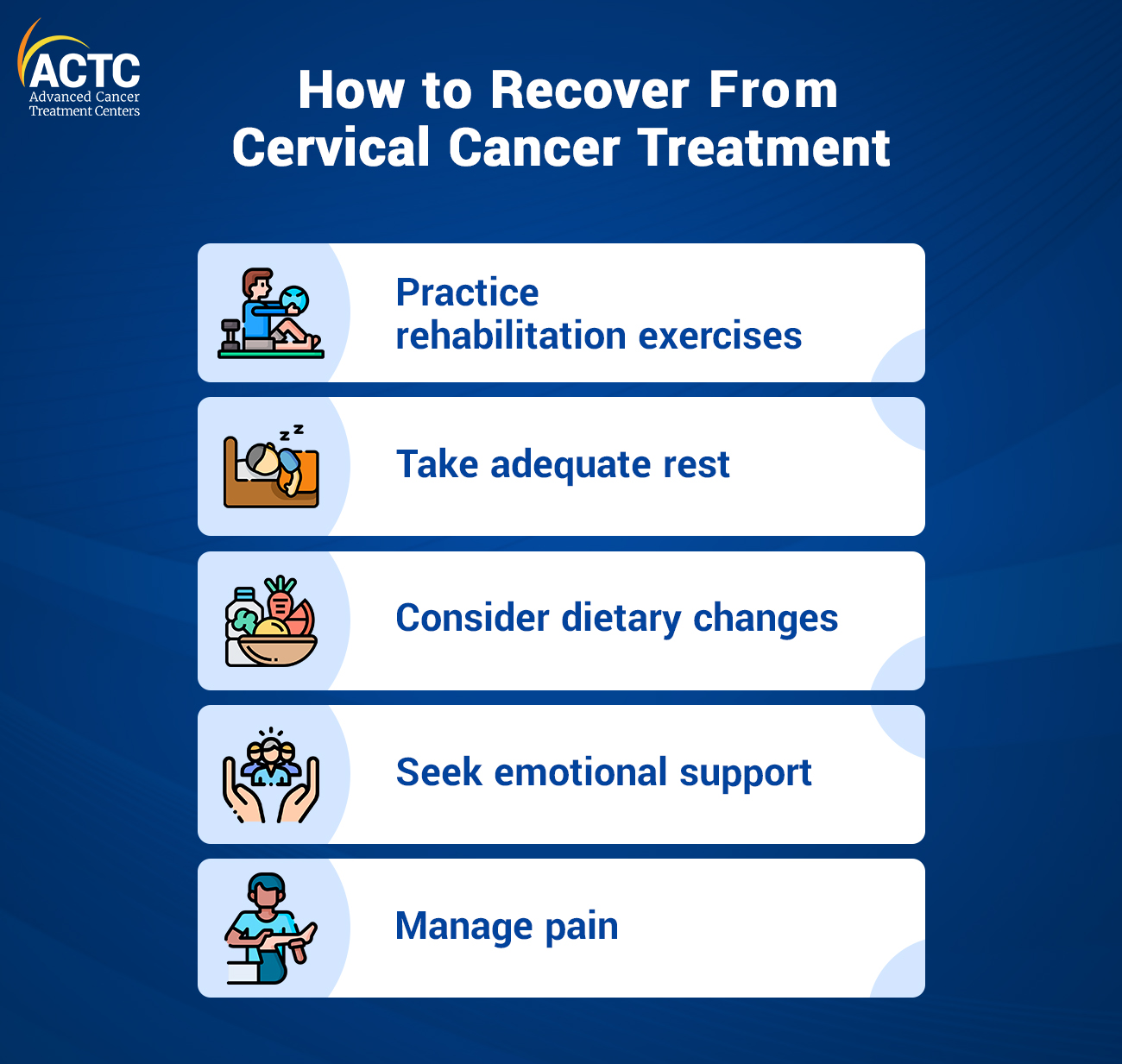
Taking control of your health is a crucial step to optimize your well-being during and after cervical cancer treatment. Focus on adopting a healthy lifestyle that includes regular exercise, a balanced diet, and adequate rest. Incorporate fruits, vegetables, whole grains, lean proteins, and plenty of water into your daily meals. Engage in physical activities that suit your abilities and preferences, such as walking, yoga, or swimming. Prioritizing your health through a healthy lifestyle can contribute to your body’s resilience and overall recovery.
Managing Side Effects
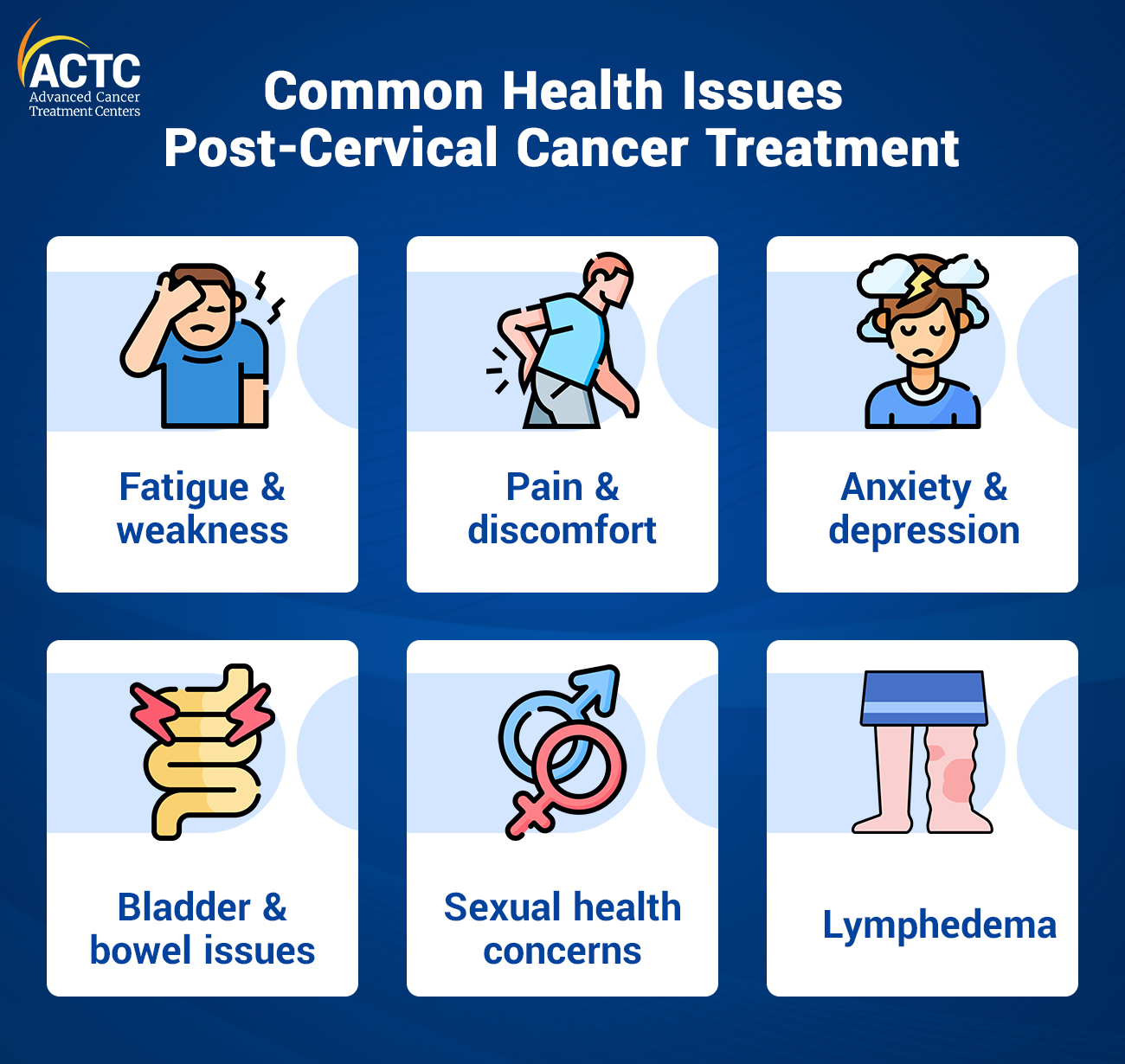
Cervical cancer treatments may cause various side effects that can affect your quality of life. These side effects can include fatigue, nausea, hair loss, and changes in appetite. Discuss potential side effects with your healthcare provider to develop strategies for managing them effectively. They may recommend medications, specialized diets, or alternative therapies to alleviate discomfort. Remember to communicate openly and honestly with your healthcare team to ensure they can provide you with the necessary support and guidance.
Monitoring Your Health
Regular monitoring of your health is essential after a cervical cancer diagnosis. Attend all follow-up appointments and screenings as recommended by your healthcare provider. These appointments may include physical examinations, blood tests, imaging scans, or other diagnostic procedures. By closely monitoring your health, any potential changes or concerns can be identified and addressed promptly. Take an active role in your healthcare by maintaining open communication with your healthcare team and staying informed about your condition.
Embracing Survivorship
Addressing Fertility Concerns
Cervical cancer and its treatments may impact fertility, raising concerns about future family planning. If preserving fertility is important to you, discuss fertility preservation options with your healthcare provider before starting treatment. These options may include freezing eggs or embryos for future use. It’s important to have open and honest discussions about your fertility concerns and explore all available options that align with your future goals.
Coping with Body Image Changes
Cervical cancer and its treatments can bring about changes in your body, such as hair loss, weight fluctuations, or surgical scars. Coping with these changes may require self-compassion and acceptance. Remember that beauty comes in many forms and that your worth is not defined by your appearance. Surround yourself with supportive people who value you for who you are and focus on activities that make you feel confident and empowered. If body image concerns persist, consider seeking professional help or support from therapists who specialize in body image and self-esteem.
Reclaiming Your Sexuality
Cervical cancer and its treatments can impact sexual health and intimacy. It’s important to have open and honest communication with your healthcare provider about any concerns or challenges you may face regarding sexual health. They can provide guidance or referrals to specialists who can help address these issues. Additionally, consider exploring alternative forms of intimacy and communication with your partner. Reclaiming your sexuality after a cervical cancer diagnosis may require patience, understanding, and a willingness to adapt to changes. Remember that open dialogue and support from your partner can play a significant role in maintaining a fulfilling and intimate relationship.
Maintaining Emotional Well-being
Managing Anxiety and Depression
A cervical cancer diagnosis can trigger feelings of anxiety and depression. If you find yourself struggling with these emotions, it’s essential to seek appropriate support and treatment. Speak openly with your healthcare provider about your emotional well-being, as they can provide guidance and refer you to mental health professionals. Therapy, medication, and holistic approaches such as mindfulness and meditation can be valuable tools in managing anxiety and depression. Remember that seeking help is a sign of strength, and you are not alone in your journey.
Seeking Professional Help
Cervical cancer and its treatments can have a significant impact on your emotional well-being. If you find it challenging to cope with the emotional toll, consider seeking professional help from therapists or counselors specializing in cancer survivorship. These professionals can guide you through the process of healing, provide coping strategies, and offer a safe space to express your emotions. Remember that your mental health matters and that seeking professional help is a proactive step towards emotional well-being.
Engaging in Self-Care Practices
Self-care practices are essential for maintaining emotional well-being and overall quality of life. Find activities that bring you joy, relaxation, and a sense of peace. This may include hobbies, reading, taking baths, spending time outdoors, or engaging in creative activities. Prioritize self-care activities in your daily routine to recharge and find moments of tranquility amidst the challenges. Remember that taking care of yourself is not selfish; it is a necessary step in your journey towards emotional well-being.
Promoting Physical Recovery
Returning to Normal Activities
As you navigate life after cervical cancer and its treatments, it’s important to gradually reintegrate into your normal activities. Start with small, manageable tasks and gradually increase your level of activity as your body allows. Listen to your body’s signals and rest when needed. Engaging in routines and daily activities can contribute to a sense of normalcy and provide a foundation for physical recovery.
Participating in Physical Therapy
Physical therapy can play a vital role in your physical recovery after cervical cancer treatment. Your healthcare provider may recommend working with a physical therapist who can design a personalized exercise program to help improve strength, flexibility, and overall physical function. Physical therapy not only supports your physical recovery but also provides an opportunity to address any lingering side effects or limitations. Attend therapy sessions consistently and communicate openly with your physical therapist to maximize the benefits of this treatment.
Preventing Recurrence
Taking steps to prevent cancer recurrence is crucial for long-term health. Follow your healthcare provider’s recommendations regarding cancer screenings, vaccinations, and lifestyle modifications. Attend regular check-ups and screenings as advised, and be proactive in managing your overall health. Additionally, adopting healthy habits such as quitting smoking, maintaining a healthy weight, and practicing safe sexual behaviors can further reduce the risk of cervical cancer recurrence. By taking preventive measures, you are actively investing in your long-term well-being.
Supporting Relationships and Communication
Effectively Communicating with Your Partner
Open and honest communication with your partner is crucial as you navigate life after a cervical cancer diagnosis. Share your feelings, concerns, and desires with your partner, and actively listen to their thoughts and emotions as well. Be patient with each other and allow for understanding and flexibility in supporting each other’s needs. Regularly reassess and adjust your communication strategies as both of you navigate the challenges, changes, and victories together.
Building Strong Relationships
Building strong relationships beyond your partner is also essential during your cervical cancer journey. Strengthen existing friendships by sharing your experiences and seeking their support. Consider joining support groups, participating in online forums, or attending local events to connect with others who have had similar experiences. Engaging in activities that align with your interests can help you meet new people and foster new friendships. Building strong relationships provides a valuable support system and a sense of belonging on this journey.
Educating Loved Ones about Cervical Cancer
Educating your loved ones about cervical cancer can help them understand your experiences and provide tailored support. Share informative resources with them, such as websites, brochures, or books, to enhance their knowledge. Encourage open conversations about your diagnosis, treatment, and ongoing challenges. By creating a safe space for discussion, you can foster understanding, empathy, and a deeper connection with your loved ones. Remember that education is a powerful tool in breaking down the barriers surrounding cervical cancer.
Managing the Financial Impact
Understanding Insurance Coverage
Cervical cancer treatment and its associated costs can have a significant financial impact. Take the time to thoroughly understand your insurance coverage, including deductibles, co-pays, and coverage limitations. Speak with your insurance provider to clarify any uncertainties and ensure you receive the maximum coverage available. Familiarize yourself with the procedures for claims and reimbursement to avoid unnecessary financial burden. By understanding your insurance coverage, you can better plan your financial resources and focus on your recovery.
Availing Financial Assistance Programs
If you are experiencing financial strain due to cervical cancer treatment, explore the availability of financial assistance programs. Nonprofit organizations, charities, or government programs may provide financial support for medical expenses, transportation, medication, or living costs. Research the eligibility criteria, application process, and deadlines for these programs, and consider seeking assistance if needed. Remember that there are resources available to help alleviate some of the financial burdens you may be facing.
Prioritizing Financial Health
Given the financial impact of cervical cancer, it’s important to prioritize your financial health even after treatment. Create a budget to manage your expenses, ensuring that essential needs are met while allowing for savings or emergency funds. Seek financial advice if you are unsure about your options or need assistance in managing debt or negotiating medical bills. By proactively addressing your financial health, you can alleviate stress and focus on your overall well-being.
Advocating for Cervical Cancer Awareness
Raising Awareness in the Community
Advocating for cervical cancer awareness can create a positive impact in your community. Share your story through public speaking, social media, or local events to raise awareness about the importance of regular screenings, prevention methods, and the emotional impact of cervical cancer. Collaborate with local organizations, schools, or healthcare facilities to organize awareness campaigns, workshops, or fundraisers. By raising awareness, you contribute to a community that is knowledgeable, supportive, and proactive in the fight against cervical cancer.
Supporting Fundraising Efforts
Supporting fundraising efforts for cervical cancer research, prevention, and support services demonstrates your commitment to the cause. Participate in local fundraising events such as walks, runs, or charity drives. Volunteer your time with organizations dedicated to cervical cancer research or patient support. Consider making financial contributions, no matter how small, to contribute to the advancement of prevention, treatment, and survivorship initiatives. Together, we can make a difference.
Becoming a Cervical Cancer Advocate
Becoming a cervical cancer advocate allows you to make a lasting impact on the lives of others affected by this disease. Advocate for policy changes that prioritize cervical cancer prevention, research, and access to healthcare. Join advocacy groups or start your own to champion the cause and rally support from local, state, and national representatives. By becoming a voice for change, you empower yourself and others to create a future where cervical cancer is a preventable and treatable condition.
Celebrating Milestones and Achievements
Marking Treatment Milestones
Every step of your cervical cancer journey is significant, and marking treatment milestones is an opportunity to celebrate your strength and resilience. Whether it’s completing a course of treatment, reaching a specific recovery goal, or receiving positive medical news, take the time to acknowledge and celebrate these milestones. Acknowledging your achievements reinforces your determination and reminds you of how far you have come.
Setting Goals and Celebrating Achievements
Setting goals can provide focus and motivation as you progress in your recovery from cervical cancer. These goals can range from personal milestones, like returning to work or engaging in a favorite hobby, to health-related achievements, such as completing physical therapy or adopting a healthy lifestyle. Set small and attainable goals, and celebrate each achievement along the way. Remember that every step forward is a victory worth celebrating.
Honoring Life After Cervical Cancer Diagnosis
Life after a cervical cancer diagnosis is an opportunity to embrace your new reality and honor the strength and resilience you have shown. Take the time to reflect on your journey, acknowledge your personal growth, and express gratitude for the individuals who have supported you along the way. Celebrate your survivorship and empower yourself to live a fulfilling life beyond cancer. Embrace the second chance at life and create new memories and experiences that honor your journey. Your story is an inspiration to others and a testament to the power of resilience.