
Are you often feeling tired, lethargic, and drained of energy? You might be surprised to learn that this exhaustion could be more than just physical. Recent studies have revealed a strong connection between fatigue and mental health, indicating that beyond mere tiredness, there may be deeper underlying issues at play. In this article, we will explore the link between fatigue and mental health, shedding light on how mental well-being can directly impact your energy levels and offering practical strategies for finding balance in your life. So, if you’ve been feeling constantly worn out, keep reading to discover how you can rejuvenate your mind and body for a happier, more energized you.

Physical Symptoms of Fatigue
Exhaustion and tiredness
Fatigue is often characterized by a persistent feeling of exhaustion and tiredness. You may find that no matter how much sleep you get, you still wake up feeling tired and lacking energy. This constant fatigue can make it challenging to carry out daily activities and can leave you feeling drained and unmotivated.
Muscle weakness and aches
Another physical symptom of fatigue is muscle weakness and aches. Your muscles may feel heavy and sore, making even simple tasks more laborious. This can affect your ability to engage in physical activities and can also lead to feelings of frustration and irritation.
Headaches
Fatigue can also manifest itself in the form of headaches. These headaches can range from mild to severe and may be accompanied by other symptoms such as sensitivity to light and sound. The persistent nature of these headaches can further contribute to feelings of discomfort and fatigue.
Impaired coordination
When you’re experiencing fatigue, you may notice a decline in your coordination and motor skills. Simple tasks that once required little effort may suddenly become more challenging. This impaired coordination can impact your ability to perform tasks at work or engage in leisure activities, adding to your overall frustration and fatigue.
Decreased appetite
Fatigue can also have an impact on your appetite. You may notice a decrease in your appetite or a lack of interest in food altogether. This can further exacerbate feelings of fatigue and make it difficult to maintain a balanced and nourishing diet, leading to potential nutrient deficiencies.
Sleep disturbances
One of the most common physical symptoms of fatigue is sleep disturbances. You may experience difficulty falling asleep, staying asleep, or waking up feeling refreshed. These disruptions in sleep can perpetuate fatigue and create a vicious cycle where insufficient rest leads to increased tiredness.
Psychological Symptoms of Fatigue
Reduced motivation and drive
Fatigue not only affects you physically but also has an impact on your psychological well-being. You may feel a significant reduction in your motivation and drive to accomplish tasks or pursue activities that once brought you joy. This lack of motivation can make it difficult to find the energy to engage in even the simplest of tasks.
Difficulty concentrating and making decisions
Another psychological symptom of fatigue is difficulty concentrating and making decisions. Your ability to focus and process information may decline, leading to decreased productivity and increased frustration. This can have a detrimental effect on various aspects of your life, including work, education, and personal relationships.
Irritability and mood swings
Fatigue can also contribute to irritability and mood swings. You may find yourself easily agitated and more prone to experiencing intense emotions. This can strain your relationships with others and make it challenging to navigate daily interactions in a positive and constructive manner.
Increased sensitivity to stress
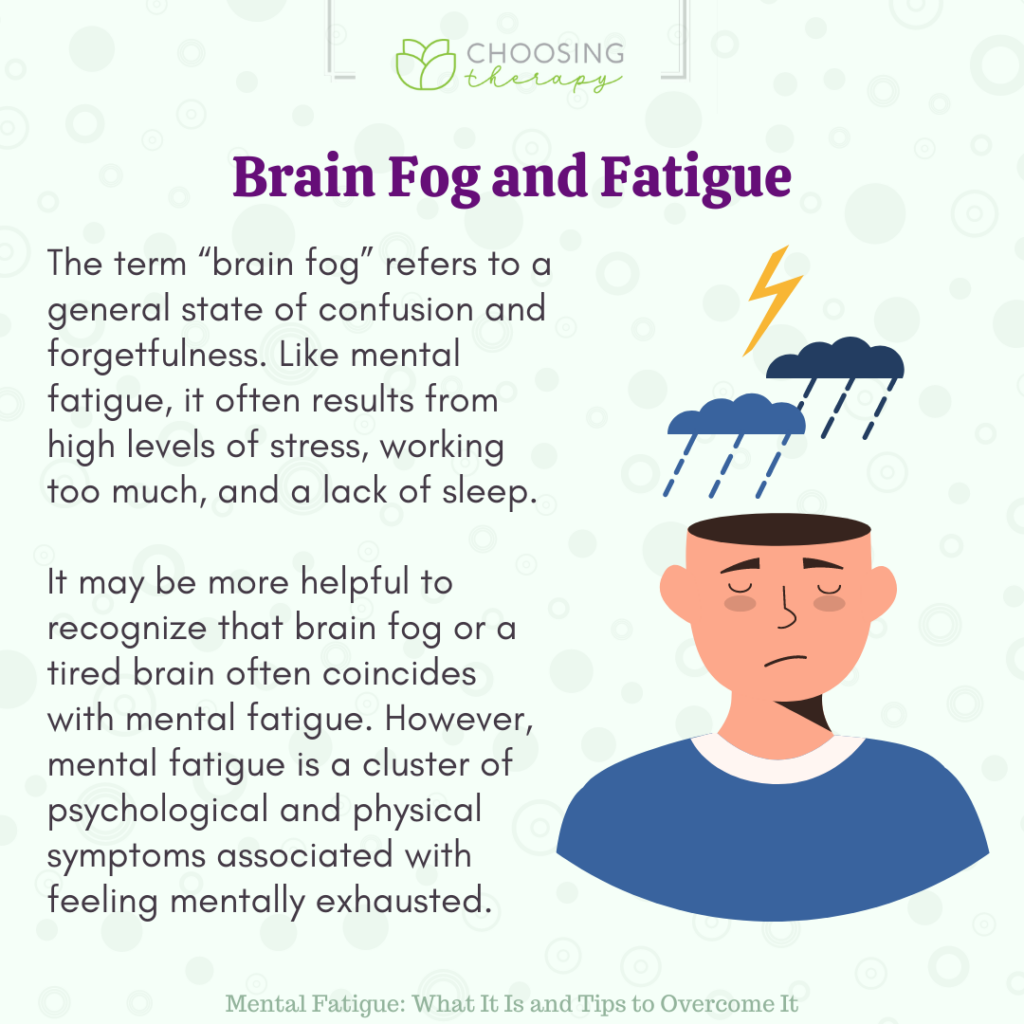
When you’re experiencing fatigue, you may find that you’re more sensitive to stress. Even minor stressors that you would typically handle with ease can feel overwhelming. This heightened sensitivity to stress can further contribute to feelings of fatigue and make it challenging to effectively manage and cope with daily stressors.
Feelings of overwhelm and hopelessness
Fatigue can also bring about feelings of overwhelm and hopelessness. You may feel as though the demands of life are too much to handle, and it can be challenging to see a way out of this cycle of exhaustion. These feelings can significantly impact your overall mental well-being and contribute to the development or exacerbation of mental health conditions.
The Impact of Fatigue on Mental Health
Increased risk of depression and anxiety
The persistent presence of fatigue can increase your risk of developing depression and anxiety. The constant exhaustion and lack of energy can make it challenging to engage in activities that once brought joy and fulfillment. This can lead to a decrease in positive experiences, which are essential for maintaining good mental health.
Impaired cognitive function and memory
Fatigue can also impair cognitive function and memory. You may experience difficulties with attention, concentration, and memory recall. This can affect your performance at work or school and further contribute to feelings of frustration and fatigue.
Negative impact on self-esteem and self-worth
When experiencing fatigue, you may also notice a negative impact on your self-esteem and self-worth. The inability to function at your usual capacity and meet your own expectations can lead to feelings of inadequacy and undermine your confidence. It’s important to recognize that fatigue is not a reflection of your worth as a person, but rather a symptom that requires attention and support.
Relationship strain and social isolation
Fatigue can strain your relationships with others and contribute to social isolation. When you’re constantly tired, it can be challenging to engage in social activities or maintain regular contact with friends and family. This can lead to feelings of disconnection and loneliness, further exacerbating symptoms of fatigue and impacting your mental well-being.
Decreased quality of life
Ultimately, the impact of fatigue on your mental health can significantly decrease your overall quality of life. It can limit your ability to engage in enjoyable activities, maintain relationships, and pursue personal goals. By addressing fatigue and prioritizing your mental health, you can take steps towards improving your overall well-being and reclaiming a fulfilling life.
The connection between Chronic Fatigue Syndrome (CFS) and Mental Health
Definition and symptoms of CFS
Chronic Fatigue Syndrome (CFS) is a complex disorder characterized by extreme fatigue that is not improved by rest and is accompanied by other symptoms such as muscle pain, headaches, and cognitive difficulties. CFS can significantly impact a person’s daily functioning and overall quality of life.
Overlapping symptoms with mental health conditions
CFS shares overlapping symptoms with various mental health conditions such as depression and anxiety. This can make it challenging to differentiate between CFS and mental health disorders, leading to potential misdiagnosis or delayed treatment.
High prevalence of comorbid mental health disorders in CFS patients
Research has shown a high prevalence of comorbid mental health disorders in individuals with CFS. Conditions such as depression, anxiety, and post-traumatic stress disorder (PTSD) are frequently diagnosed alongside CFS. These coexisting mental health disorders can complicate the management and treatment of both CFS and mental health symptoms.
Impact of mental health on CFS symptom severity and recovery
There is evidence to suggest that mental health plays a significant role in the severity of CFS symptoms and the recovery process. High levels of stress, anxiety, and depression can exacerbate fatigue and prolong the time it takes to regain functional capacity. Additionally, individuals with coexisting mental health conditions may find it more challenging to adhere to treatment plans and engage in self-care practices.
Fatigue as a Symptom of Mental Health Conditions
Common mental health disorders associated with fatigue
Fatigue is a common symptom experienced by individuals with various mental health disorders. Conditions such as depression, anxiety, and bipolar disorder are often characterized by persistent tiredness and lack of energy. Fatigue can be both a cause and a consequence of these mental health conditions, creating a cyclical relationship that can be challenging to break.
Role of fatigue in depression and its impact on functioning
Fatigue plays a significant role in depression and can have a profound impact on daily functioning. The constant exhaustion and lack of energy can make it challenging to complete routine tasks, engage in social activities, and pursue personal interests. Fatigue can further contribute to decreased motivation and pleasure, key symptoms of depression, perpetuating the cycle of low mood and tiredness.
Anxiety disorders and the relationship with fatigue
Anxiety disorders are also closely associated with fatigue. The constant worry and hyperarousal associated with anxiety can lead to disrupted sleep patterns and a constant state of alertness, both of which contribute to fatigue. In addition, the mental and emotional strain of anxiety can leave individuals feeling physically drained and depleted of energy.
Bipolar disorder and the influence of fatigue on mood episodes
Fatigue can have a significant influence on mood episodes in individuals with bipolar disorder. During depressive episodes, fatigue is a prominent symptom and can contribute to feelings of hopelessness and low energy. Conversely, during manic or hypomanic episodes, individuals may experience a surge of energy but eventually crash into a period of extreme fatigue and exhaustion.
Biological and Neurochemical Factors
Dysregulation of neurotransmitters and fatigue
Fatigue can be influenced by dysregulation of neurotransmitters in the brain. Neurotransmitters such as serotonin and dopamine play a crucial role in regulating mood, energy levels, and sleep. Imbalances in these neurotransmitters can contribute to fatigue and impact overall mental well-being.
Impact of cortisol and other stress hormones on fatigue
The release of cortisol and other stress hormones in response to chronic stress can also contribute to fatigue. Prolonged exposure to stress can dysregulate the body’s stress response system, leading to fatigue and exhaustion. This highlights the strong connection between stress, fatigue, and overall mental health.
Neuroinflammation and its connection to both fatigue and mental health disorders
Neuroinflammation, characterized by inflammation in the brain, has been linked to both fatigue and mental health disorders. Chronic inflammatory processes can disrupt normal brain functioning and lead to symptoms such as fatigue, cognitive impairment, and mood disturbances. Reducing inflammation through lifestyle changes and medical interventions can, in turn, alleviate fatigue and improve mental health outcomes.
Lifestyle Factors Influencing Fatigue and Mental Health
Poor sleep habits and insomnia
One of the most significant lifestyle factors that can contribute to fatigue and poor mental health is poor sleep habits. Insufficient sleep, difficulty falling asleep, or disrupted sleep patterns can worsen fatigue and increase the risk of developing mental health disorders. Establishing a regular sleep routine and adopting healthy sleep hygiene practices can improve both sleep quality and mental well-being.
Sedentary lifestyle and lack of physical activity
A sedentary lifestyle and lack of physical activity can also contribute to fatigue and mental health problems. Regular exercise has been shown to boost energy levels, improve mood, and reduce symptoms of fatigue. Engaging in activities such as walking, jogging, or yoga can enhance both physical and mental well-being.
Unhealthy diet and nutritional deficiencies
A poor diet lacking essential nutrients can contribute to fatigue and negatively impact mental health. Nutritional deficiencies, such as iron deficiency anemia or vitamin D deficiency, can lead to decreased energy levels, cognitive impairments, and mood disturbances. Consuming a balanced diet rich in fruits, vegetables, lean proteins, and whole grains can help combat fatigue and support optimal mental functioning.
Substance abuse and its impact on fatigue and mental health
Substance abuse, such as excessive alcohol consumption or illicit drug use, can significantly impact both fatigue and mental health. Substance abuse can disrupt sleep patterns, impair cognitive function, and lead to chronic fatigue. It can also contribute to the development or exacerbation of mental health conditions. Seeking professional help and engaging in substance abuse treatment programs is crucial for addressing both fatigue and mental health concerns.
Stress, Fatigue, and Mental Health
Relationship between chronic stress and fatigue
Chronic stress has a profound impact on fatigue and overall mental well-being. Prolonged exposure to stress can lead to the dysregulation of stress hormones, such as cortisol, which can contribute to fatigue. Chronic stress can also deplete energy resources, impair sleep quality, and increase the risk of developing mental health disorders.
Stress management techniques to alleviate fatigue and promote mental well-being
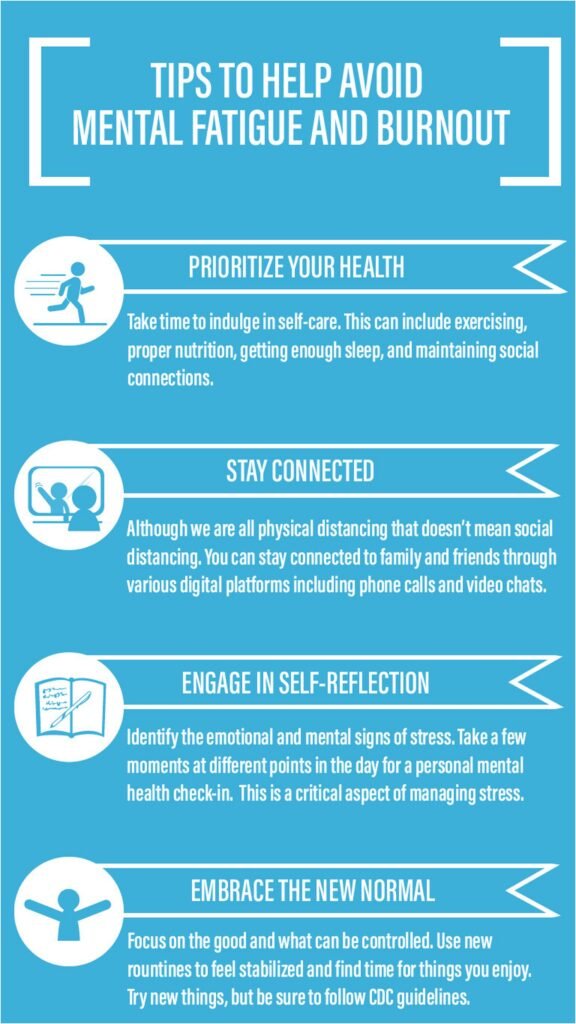
Implementing stress management techniques can help alleviate fatigue and promote mental well-being. Practices such as deep breathing exercises, mindfulness meditation, and engaging in relaxing activities like yoga or listening to music can effectively reduce stress and improve energy levels. Additionally, seeking support from mental health professionals trained in stress management techniques can provide valuable guidance and support.
Mindfulness and meditation as tools to reduce stress and improve mental health
Mindfulness and meditation have been shown to be effective tools for reducing stress and improving mental health outcomes. These practices involve focusing on the present moment, cultivating self-awareness, and fostering a non-judgmental attitude. By incorporating mindfulness and meditation into your daily routine, you can build resilience to stress, enhance self-regulation, and reduce the impact of fatigue on your mental well-being.
Treating Fatigue and Promoting Mental Health
Multidisciplinary approach in addressing both fatigue and mental health
The treatment of fatigue and promotion of mental health often require a multidisciplinary approach. This may involve collaborating with healthcare professionals from various disciplines, such as primary care physicians, psychologists, psychiatrists, and physical therapists. A comprehensive treatment plan can address the physical, psychological, and lifestyle factors contributing to fatigue and mental health concerns.
Cognitive-behavioral therapy (CBT) for fatigue management
Cognitive-behavioral therapy (CBT) is a well-established treatment approach for managing fatigue and improving mental health. CBT focuses on identifying and modifying negative thoughts and behaviors that contribute to fatigue and mental health issues. By developing coping strategies, setting realistic goals, and implementing healthy habits, individuals can effectively manage fatigue and improve their overall well-being.
Medications for fatigue and mental health symptoms
In some cases, medications may be prescribed to manage fatigue and alleviate symptoms of mental health disorders. Antidepressant medications, such as selective serotonin reuptake inhibitors (SSRIs), can help reduce fatigue and improve mood in individuals with depression or anxiety. Stimulant medications can also be used to address fatigue associated with conditions such as narcolepsy or attention-deficit/hyperactivity disorder (ADHD). It is essential to consult a healthcare professional to determine the most appropriate medication options and dosages.
Self-care strategies to improve energy levels and overall well-being
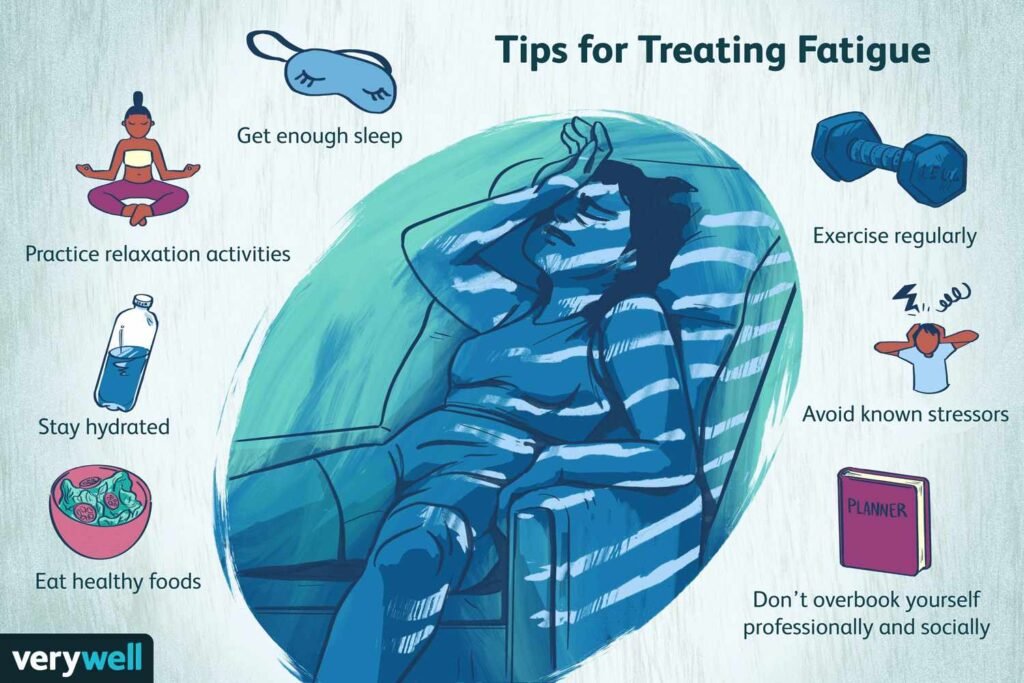
Engaging in self-care strategies is crucial for improving energy levels and overall well-being. This may include prioritizing sleep and establishing a consistent sleep routine, incorporating regular physical activity into your daily schedule, nourishing your body with a balanced diet, engaging in activities that bring you joy and relaxation, setting boundaries to manage stress, and seeking social support when needed. Implementing these self-care practices can provide a solid foundation for managing fatigue and enhancing mental health.
Conclusion
Recap of the relationship between fatigue and mental health
Fatigue and mental health are intricately connected, with each influencing and exacerbating the other. Physical symptoms of fatigue, such as exhaustion, muscle weakness, and headaches, can impact psychological well-being by reducing motivation, impairing concentration, and increasing irritability. Conversely, mental health conditions, such as depression and anxiety, can contribute to fatigue and further diminish overall vitality.
Importance of recognizing and addressing both aspects for overall well-being
It is crucial to recognize the interplay between fatigue and mental health and take a comprehensive approach to address both aspects of well-being. Understanding the physical and psychological symptoms of fatigue can help individuals seek appropriate support and treatment. By addressing the underlying factors contributing to fatigue and prioritizing mental health care, individuals can regain their vitality and improve overall well-being.
Encouragement to seek help and implement strategies to improve quality of life and mental well-being
If you’re experiencing persistent fatigue and mental health symptoms, it’s important to seek help from healthcare professionals. They can help assess your symptoms, develop an individualized treatment plan, and provide ongoing support. Implementing strategies such as stress management techniques, mindfulness, and self-care practices can also empower you to take an active role in improving your quality of life and mental well-being. Remember, you don’t have to face fatigue and mental health challenges alone – reach out for support and take the necessary steps towards reclaiming your vitality and happiness.