
Are you tired of feeling exhausted and lacking energy throughout the day? If so, then this article is for you. Discover practical tips and effective strategies to overcome fatigue and regain control of your energy levels. From simple lifestyle changes to targeted exercises and relaxation techniques, you’ll learn how to combat fatigue and experience more vitality and productivity in your daily life. Say goodbye to feeling drained and hello to a renewed sense of energy with these valuable insights. Read on to discover how to banish fatigue once and for all.
Understanding Fatigue
Definition of fatigue
Fatigue refers to a state of extreme tiredness and lack of energy that can impact both the physical and mental well-being of an individual. It is a common symptom experienced by many people at some point in their lives. Fatigue can vary in severity and duration, ranging from mild and temporary fatigue to chronic fatigue that persists for an extended period.
Causes of fatigue
There are various factors that can contribute to the experience of fatigue. These may include physical, mental, and emotional factors. Physical causes of fatigue can include lack of sleep, poor nutrition, sedentary lifestyle, and certain medical conditions such as anemia or thyroid disorders. Mental factors such as stress, anxiety, and depression can also contribute to feelings of fatigue. Additionally, certain medications and treatments like chemotherapy can induce fatigue.
Types of fatigue
Fatigue can manifest in different ways, and understanding the different types can help in identifying and addressing the underlying causes. Physical fatigue is characterized by a general feeling of heaviness, muscle weakness, and reduced physical stamina. Mental fatigue, on the other hand, affects cognitive functions and can result in difficulty concentrating, memory problems, and impaired decision-making. Emotional fatigue is characterized by feelings of emotional exhaustion, moodiness, and increased irritability.
The impact of fatigue on daily life
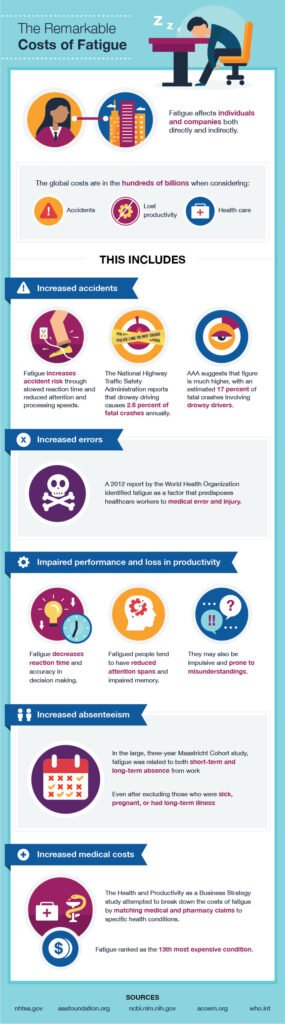
Fatigue can significantly impact an individual’s daily life in various aspects. It can affect work performance, making simple tasks feel challenging and overwhelming. Fatigue can also interfere with personal relationships, as the lack of energy and motivation may lead to decreased social interactions and engagement. In addition, fatigue can contribute to a decrease in overall quality of life, affecting one’s ability to enjoy hobbies and engage in leisure activities.
Identifying Fatigue
Recognizing signs and symptoms of fatigue
It is important to recognize the signs and symptoms of fatigue to address it effectively. Common signs of fatigue include persistent tiredness, lack of motivation, difficulty concentrating, frequent headaches, muscle weakness, and increased irritability. These symptoms may vary from person to person, and it is crucial to pay attention to any ongoing feelings of fatigue that seem out of the ordinary or not easily explained by other factors.
Differentiating fatigue from other conditions
Fatigue can sometimes be mistaken for other conditions or illnesses. It is essential to differentiate fatigue from normal tiredness that can be alleviated by rest. Chronic fatigue syndrome (CFS) is a condition characterized by extreme fatigue that lasts for at least six months and does not improve with rest. Other medical conditions such as sleep apnea, hypothyroidism, or anemia can also cause fatigue. Consulting a healthcare professional is recommended to identify and rule out any underlying medical conditions that may be contributing to fatigue.
Medical Approaches to Fatigue
Medical conditions associated with fatigue
Fatigue can be a symptom of various medical conditions. Some common medical conditions that may cause fatigue include anemia, hypothyroidism, chronic kidney disease, fibromyalgia, and autoimmune disorders such as lupus or rheumatoid arthritis. Identifying and addressing any underlying medical conditions is crucial in managing fatigue effectively.
Consulting a healthcare professional
If fatigue persists or is accompanied by additional concerning symptoms, it is important to consult a healthcare professional. A healthcare provider can help evaluate the possible causes, perform a thorough physical examination, and recommend further diagnostic tests if necessary. They can also provide guidance on treatment options and lifestyle changes to alleviate fatigue.
Diagnostic tests for fatigue
To determine the underlying cause of fatigue, healthcare professionals may recommend various diagnostic tests. Blood tests can help identify conditions such as anemia or thyroid disorders. Other tests, such as a sleep study or pulmonary function tests, can assess sleep disorders or respiratory issues that may contribute to fatigue. Additionally, psychological evaluations may be conducted to understand any psychological factors that may be contributing to fatigue.
Lifestyle Changes for Combating Fatigue
Maintaining a well-balanced diet
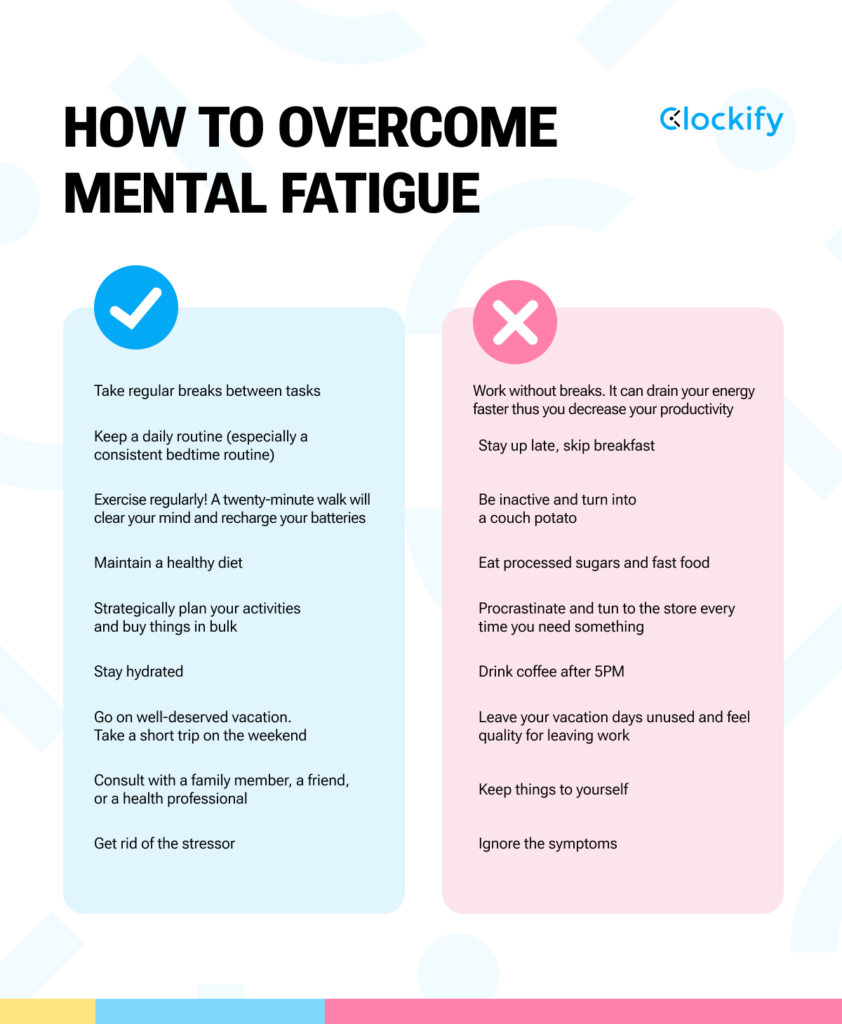
A well-balanced diet plays a crucial role in combating fatigue and maintaining overall health. It is important to consume a variety of nutrient-rich foods, including fruits, vegetables, whole grains, lean proteins, and healthy fats. Eating regular meals and avoiding excessive consumption of sugary or processed foods can help stabilize energy levels and prevent energy crashes throughout the day.
Getting regular exercise
Regular physical activity can be an effective way to combat fatigue and boost energy levels. Engaging in moderate-intensity exercise, such as brisk walking, swimming, or cycling, can increase blood circulation, release endorphins, and improve overall stamina. It is recommended to aim for at least 150 minutes of moderate-intensity exercise per week, spread out over several days.
Improving sleep quality
Quality sleep is essential for combating fatigue and promoting overall well-being. Establishing a consistent sleep routine by going to bed and waking up at the same time every day can help regulate the body’s internal clock. Creating a sleep-friendly environment by keeping the bedroom cool, dark, and quiet can also contribute to better sleep quality. Furthermore, practicing relaxation techniques such as deep breathing or meditation before bedtime can help relax the mind and improve sleep.
Reducing stress levels
Stress can be a major contributor to fatigue. Finding effective ways to manage and reduce stress can help combat fatigue and improve overall energy levels. Implementing stress-reducing techniques such as engaging in hobbies, practicing mindfulness or yoga, and maintaining a healthy work-life balance can help alleviate stress. It is also important to prioritize self-care and take time for activities that promote relaxation and enjoyment.
Improving Sleep Quality
Establishing a consistent sleep routine
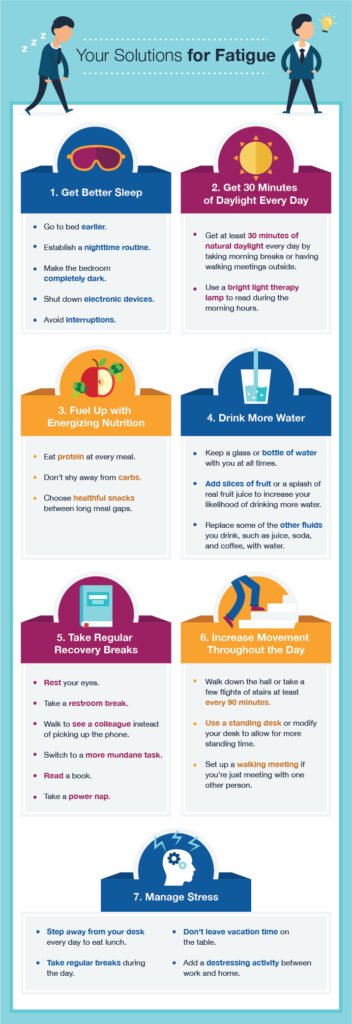
Establishing a consistent sleep routine is a key factor in improving sleep quality and combating fatigue. Going to bed and waking up at the same time every day, even on weekends, helps regulate the body’s internal clock and promotes better sleep patterns. It is recommended to create a relaxing bedtime routine, such as reading a book, taking a warm bath, or practicing relaxation exercises, to signal to the body that it is time to sleep.
Creating a sleep-friendly environment
The sleep environment plays a crucial role in improving sleep quality. Creating a sleep-friendly environment involves keeping the bedroom cool, dark, and quiet. Investing in a comfortable mattress, pillows, and bedding that suit personal preferences can also contribute to better sleep. Removing electronic devices such as smartphones or tablets from the bedroom can minimize distractions and promote a more restful sleep.
Avoiding stimulants and electronic devices before bedtime
Stimulants such as caffeine and nicotine can interfere with sleep quality. It is advisable to avoid consuming these substances, especially in the evening. Additionally, exposure to electronic devices and bright screens before bedtime can disrupt the body’s natural sleep-wake cycle due to the blue light emitted. Establishing a “screen-free” time before bedtime and replacing screen time with relaxing activities can help improve sleep quality.
Managing sleep disorders
Sleep disorders such as insomnia or sleep apnea can significantly affect sleep quality and contribute to fatigue. If sleep problems persist despite lifestyle changes, it is important to consult a healthcare professional or sleep specialist. They can provide a proper evaluation, diagnosis, and recommend appropriate treatments or therapies to manage sleep disorders and improve sleep quality.
Managing Stress
Identifying sources of stress
Identifying the sources of stress is the first step in managing and reducing its impact on fatigue. Stress can originate from various areas of life, including work, relationships, finances, or personal expectations. Taking time to reflect on the sources of stress and their impact on daily life can help in developing effective strategies to manage stress and reduce its negative effects.
Implementing stress-reducing techniques
There are numerous techniques that can help reduce and manage stress effectively. These techniques include engaging in regular physical exercise, practicing relaxation exercises such as deep breathing or meditation, and taking breaks throughout the day to engage in activities that provide relaxation and enjoyment. Prioritizing self-care activities, seeking support from loved ones, and maintaining a positive mindset can also contribute to stress reduction.
Seeking professional help for chronic stress
If stress levels persist or become chronic, it is important to seek professional help. Mental health professionals, such as therapists or counselors, can provide support and guidance in managing chronic stress. They can help individuals develop coping strategies, improve emotional well-being, and provide a safe space to explore and address the underlying causes of stress.
Boosting Energy Levels
Utilizing stress-reducing techniques
Reducing stress levels can directly impact energy levels. By effectively managing stress, individuals can experience increased energy and a renewed sense of vitality. Engaging in stress-reducing techniques such as exercise, relaxation exercises, and engaging in enjoyable activities can help combat fatigue and boost energy levels.
Adopting relaxation exercises
Relaxation exercises, such as deep breathing, progressive muscle relaxation, and guided imagery, can be effective in boosting energy levels. These exercises promote relaxation, reduce muscle tension, and calm the mind. By incorporating these exercises into daily routines, individuals can experience improved focus, increased mental clarity, and a replenished energy reserve.
Incorporating natural energy boosters into the diet
Certain foods and beverages can provide a natural energy boost and combat fatigue. Including nutrient-rich foods such as fruits, vegetables, whole grains, lean proteins, and healthy fats in the diet can help stabilize blood sugar levels and provide sustained energy throughout the day. Additionally, hydrating adequately and avoiding excessive consumption of sugary or processed foods can prevent energy crashes and promote overall energy levels.
Taking breaks and napping strategically
Taking regular breaks throughout the day can help prevent fatigue and promote energy levels. Engaging in short bursts of physical activity, stretching, or simply stepping away from work can invigorate the body and mind. Strategic napping, if feasible, can also be beneficial in combating fatigue. A short power nap of around 20-30 minutes can provide a quick energy boost and improve alertness.
Creating a Supportive Environment
Communicating with friends and family
Openly communicating with friends and family about experiencing fatigue can help create a supportive environment. By sharing feelings and concerns, loved ones can better understand the challenges faced and provide support and empathy. Maintaining open lines of communication can also help in seeking assistance and sharing strategies for managing fatigue.
Seeking understanding and assistance from loved ones
It is important to seek understanding and assistance from loved ones when dealing with fatigue. Loved ones can provide emotional support, help with day-to-day tasks, and offer encouragement during challenging times. By having a support system in place, individuals can feel more empowered and supported in their efforts to combat fatigue and improve overall well-being.
Joining support groups or online communities
Joining support groups or online communities can provide a sense of belonging and connection with others who may be experiencing similar challenges. Sharing experiences, exchanging strategies, and receiving support from individuals who understand the impact of fatigue can be encouraging and helpful. These groups can provide a safe space for individuals to express concerns, seek advice, and learn from the experiences of others.

Managing Your Time
Prioritizing tasks and setting realistic goals
Effective time management is crucial in combating fatigue and improving productivity. Prioritizing tasks and setting realistic goals can help individuals allocate energy and resources efficiently. Breaking tasks into smaller, manageable steps and creating a schedule or to-do list can provide structure and facilitate a sense of accomplishment.
Breaking tasks into manageable steps
When faced with a large or overwhelming task, breaking it down into smaller, manageable steps can make it more feasible and less taxing. By focusing on one step at a time, individuals can prevent feeling overwhelmed and conserve energy. Celebrating each completed step can also provide motivation and a sense of progress.
Minimizing distractions and improving focus
Minimizing distractions in the environment can help improve focus and prevent mental fatigue. Turning off notifications on electronic devices, creating a designated workspace, and utilizing productivity tools such as timers or noise-canceling headphones can enhance concentration and productivity. By eliminating unnecessary distractions, individuals can conserve mental energy and accomplish tasks more effectively.
Seeking Professional Help
Knowing when to consult a healthcare professional
If fatigue persists or becomes chronic despite implementing lifestyle changes and self-care strategies, it may be necessary to consult a healthcare professional. A healthcare provider can conduct a thorough evaluation, rule out underlying medical conditions, and provide appropriate medical treatment or referrals to specialists if needed. It is important to trust personal instincts and seek professional help when necessary.
Receiving appropriate medical treatment for underlying causes
Addressing any underlying medical conditions is crucial in managing fatigue. Depending on the diagnosed medical condition, healthcare professionals can recommend appropriate medical treatments, medications, or therapies to alleviate symptoms and improve energy levels. Adhering to the recommended treatment plan and closely following up with healthcare providers can optimize the management of fatigue.
Exploring therapy options for chronic fatigue
In cases of chronic fatigue that do not have an underlying medical cause, therapy can be a beneficial treatment option. Cognitive-behavioral therapy (CBT) has been shown to be effective in managing chronic fatigue by addressing underlying psychological factors such as stress, anxiety, or negative thought patterns. A therapist can provide guidance, support, and techniques tailored to the individual’s specific needs, empowering them to overcome chronic fatigue and improve overall quality of life.
In conclusion, understanding fatigue, identifying its causes, and implementing effective strategies to combat it is crucial for overall well-being. By incorporating lifestyle changes, improving sleep quality, managing stress, boosting energy levels, creating a supportive environment, managing time effectively, and seeking professional help when needed, individuals can overcome fatigue and regain their vitality and enjoyment of daily life.