
Did you know that there is a strong connection between hypercholesterolemia and cardiovascular disease? Hypercholesterolemia, which refers to high levels of cholesterol in the blood, has been identified as a major risk factor for developing serious heart-related issues. In this article, we will explore the link between these two conditions and how understanding it can help you make informed choices for a healthier heart. So, grab a cup of tea and let’s dive into the fascinating world of hypercholesterolemia and cardiovascular disease together!
1. Definition of Hypercholesterolemia
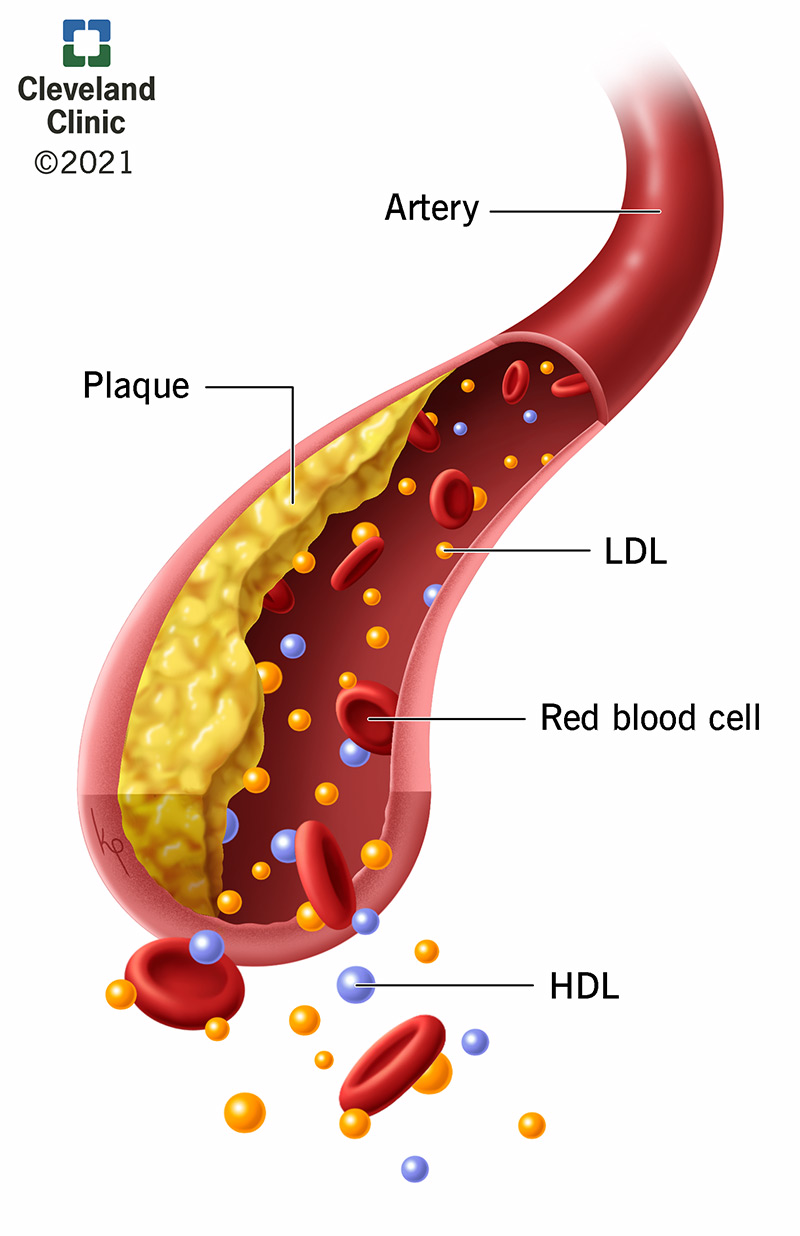
Hypercholesterolemia is a medical condition characterized by high levels of cholesterol in the blood. Cholesterol is a waxy, fat-like substance that is produced by the liver and is also found in certain foods. While cholesterol is necessary for several bodily functions, too much of it can lead to a buildup of fatty deposits in the arteries, increasing the risk of cardiovascular diseases such as heart attacks and strokes.
1.1 Causes of Hypercholesterolemia
There are several factors that can contribute to the development of hypercholesterolemia. One of the primary causes is an unhealthy diet high in saturated and trans fats, as well as cholesterol-containing foods. Additionally, a sedentary lifestyle, obesity, and smoking can all increase cholesterol levels in the body. There are also certain genetic conditions that can result in high levels of cholesterol, such as familial hypercholesterolemia.
1.2 Symptoms of Hypercholesterolemia
Hypercholesterolemia itself does not typically cause any noticeable symptoms. This is why it is often referred to as a silent condition. However, over time, the buildup of cholesterol in the arteries can lead to the development of cardiovascular diseases, which can present with symptoms such as chest pain, shortness of breath, and fatigue. It is essential to address high cholesterol levels early on to prevent the progression of these symptoms.
1.3 Diagnosis of Hypercholesterolemia
Diagnosis of hypercholesterolemia involves a blood test called a lipid profile. This test measures the levels of total cholesterol, low-density lipoprotein (LDL) cholesterol, high-density lipoprotein (HDL) cholesterol, and triglycerides in the blood. An LDL cholesterol level above 190 mg/dL is generally considered high and may warrant further evaluation. Additionally, if an individual has a family history of early-onset cardiovascular disease or has other risk factors, a lipid profile test may be recommended even if there are no symptoms present.
2. Introduction to Cardiovascular Disease
2.1 Definition of Cardiovascular Disease
Cardiovascular disease is a broad term that encompasses various conditions affecting the heart and blood vessels. These conditions can range from coronary artery disease to heart failure and stroke. Cardiovascular disease is a leading cause of death globally, emphasizing the importance of understanding the link between hypercholesterolemia and cardiovascular health.
2.2 Types of Cardiovascular Disease
There are several types of cardiovascular disease that can arise from high cholesterol levels and other risk factors. Coronary artery disease occurs when there is a buildup of plaque within the arteries supplying the heart, leading to reduced blood flow and potentially causing a heart attack. Stroke occurs when there is a blockage or rupture of blood vessels in the brain, depriving the brain of oxygen and nutrients. Other conditions, such as peripheral artery disease and heart failure, can also arise from the detrimental effects of hypercholesterolemia on the cardiovascular system.

3. Pathophysiology of Hypercholesterolemia and Cardiovascular Disease
3.1 Role of LDL Cholesterol
LDL cholesterol, also known as “bad” cholesterol, plays a crucial role in the development of hypercholesterolemia and subsequent cardiovascular diseases. When LDL cholesterol levels are high, it can lead to the accumulation of cholesterol within the arterial walls, leading to the formation of plaques. Over time, these plaques can narrow and harden the arteries, reducing proper blood flow and increasing the risk of cardiovascular events.
3.2 Formation of Arterial Plaque
The formation of arterial plaque begins with the presence of LDL cholesterol in the bloodstream. When LDL cholesterol particles oxidize, they become more susceptible to sticking to the walls of the arteries. Macrophages, a type of white blood cell, attempt to remove the cholesterol from the arterial walls. However, sometimes the process becomes overwhelmed, leading to the buildup of fatty deposits. These deposits, along with calcium and other substances, form plaques that can gradually clog the arteries and restrict blood flow.
4. Risk Factors for Hypercholesterolemia and Cardiovascular Disease
4.1 Modifiable Risk Factors
Several risk factors for hypercholesterolemia and cardiovascular disease can be modified through lifestyle changes. Unhealthy eating habits, lack of physical activity, and smoking are all modifiable risk factors that can be addressed to reduce the risk of developing these conditions. Adopting a healthy, balanced diet rich in fruits, vegetables, and whole grains, being physically active, and quitting smoking can all have a positive impact on cholesterol levels and cardiovascular health.
4.2 Non-Modifiable Risk Factors
While some risk factors can be modified, there are also non-modifiable risk factors that individuals cannot change. These include age, gender, and family history. As individuals age, the risk of developing hypercholesterolemia and cardiovascular disease tends to increase. Men are generally at a higher risk compared to women, although the risk for women increases post-menopause. Additionally, individuals with a family history of high cholesterol or cardiovascular disease are more likely to develop these conditions themselves.

5. Link Between Hypercholesterolemia and Cardiovascular Disease
5.1 Atherosclerosis
Atherosclerosis is a condition directly linked to hypercholesterolemia. It refers to the progressive buildup of plaques within the arteries, resulting in the narrowing of the blood vessels. This narrowing restricts blood flow, and in severe cases, can completely block the artery. Atherosclerosis can occur in any artery in the body, including those supplying the heart, brain, and extremities. The buildup of plaques in the coronary arteries can lead to coronary artery disease and ultimately result in heart attacks. Similarly, atherosclerosis in the carotid arteries can increase the risk of strokes.
5.2 Coronary Artery Disease
Coronary artery disease (CAD) is a specific type of cardiovascular disease that arises from the narrowing or blockage of the coronary arteries. These arteries supply oxygenated blood to the heart muscle, enabling it to pump effectively. When plaques build up within these arteries, the blood supply to the heart is compromised, leading to chest pain, also known as angina. In severe cases, a complete blockage of the artery can occur, resulting in a heart attack where the heart muscle is deprived of oxygen and permanently damaged.
5.3 Myocardial Infarction
Myocardial infarction, commonly known as a heart attack, is a serious complication of hypercholesterolemia and cardiovascular disease. It occurs when there is sudden, prolonged blockage of a coronary artery, leading to the death of a portion of the heart muscle. Symptoms of a heart attack include chest pain or discomfort, shortness of breath, nausea, and lightheadedness. Immediate medical attention is crucial in order to minimize heart muscle damage and prevent further complications.
5.4 Stroke
Stroke is another significant consequence of hypercholesterolemia and cardiovascular disease. When the blood vessels supplying the brain become blocked or burst, brain cells are deprived of oxygen and nutrients, resulting in damage or death. High cholesterol levels can contribute to the development of blood clots that can cause a stroke. The severity of a stroke can vary, from temporary mild symptoms to permanent disability or even death. Prompt medical intervention is essential to minimize the damage caused by a stroke.
6. Prevention and Management of Hypercholesterolemia and Cardiovascular Disease
6.1 Lifestyle Modifications
Lifestyle modifications play a crucial role in the prevention and management of hypercholesterolemia and cardiovascular disease. Adopting a heart-healthy diet low in saturated and trans fats, and high in fruits, vegetables, and whole grains can help lower cholesterol levels. Regular physical activity, such as aerobic exercises, can improve cardiovascular health and help maintain a healthy weight. Smoking cessation is also imperative, as smoking not only increases cholesterol levels but also damages the blood vessels, further contributing to cardiovascular disease.
6.2 Medications
In some cases, lifestyle modifications alone may not be sufficient to lower cholesterol levels. Medications, such as statins, can be prescribed to help reduce LDL cholesterol levels and lower the risk of cardiovascular events. Statins work by inhibiting the enzyme responsible for cholesterol production in the liver. Other medications, such as ezetimibe and PCSK9 inhibitors, can also be used in combination with statins or as alternatives depending on the individual’s situation.
6.3 Surgical Interventions
In certain cases where lifestyle modifications and medications are not effective, or when there is significant blockage of arteries, surgical interventions may be necessary. Procedures such as angioplasty, stenting, or coronary artery bypass grafting (CABG) may be performed to open up or bypass blocked or narrowed arteries. These interventions aim to improve blood flow and reduce the risk of cardiovascular complications.

7. Screening and Diagnosis of Hypercholesterolemia and Cardiovascular Disease
7.1 Lipid Profile Test
Screening and diagnosis of hypercholesterolemia and cardiovascular disease often begin with a lipid profile test. This blood test measures cholesterol levels, including total cholesterol, LDL cholesterol, HDL cholesterol, and triglycerides. These results provide valuable information about an individual’s overall cardiovascular health and can help guide treatment decisions. The frequency of lipid profile testing depends on various factors, including age, existing medical conditions, and overall cardiovascular risk.
7.2 Imaging Techniques
In addition to lipid profile testing, imaging techniques can provide further insight into the extent of cardiovascular disease. Tests such as coronary angiography, cardiac computed tomography (CT) scan, and cardiac magnetic resonance imaging (MRI) can evaluate the condition of the coronary arteries, heart structure, and function. These imaging techniques can help identify areas of blockage or plaque buildup, guiding treatment decisions and monitoring disease progression.
7.3 Genetic Testing
In some cases, genetic testing may be recommended, especially if there is a family history of hypercholesterolemia or cardiovascular disease. Genetic testing can identify specific gene mutations that contribute to high cholesterol levels or increase the risk of developing cardiovascular diseases. This information can help tailor treatment plans and inform family members about their own risk of these conditions.
8. Treatment Guidelines for Hypercholesterolemia and Cardiovascular Disease
8.1 Lifestyle Recommendations
Treatment guidelines for hypercholesterolemia and cardiovascular disease emphasize the importance of lifestyle modifications. These recommendations include adopting a heart-healthy diet, engaging in regular physical activity, maintaining a healthy weight, and quitting smoking. These lifestyle changes can help reduce cholesterol levels, improve overall cardiovascular health, and prevent disease progression.
8.2 Pharmacological Interventions
Pharmacological interventions are an integral part of the treatment of hypercholesterolemia and cardiovascular disease. Statins are the most commonly prescribed medications for lowering LDL cholesterol levels. Additionally, other medications, such as ezetimibe, bile acid sequestrants, and PCSK9 inhibitors, may be used alone or in combination with statins to further reduce cholesterol levels. The choice and dosage of medications depend on various factors, including individual risk factors, cholesterol levels, and tolerability.
9. Future Directions and Research
9.1 Novel Therapies
Research and development efforts continue to explore novel therapies for managing hypercholesterolemia and cardiovascular diseases. One promising area of focus is the development of new cholesterol-lowering medications that can effectively target specific proteins and pathways involved in cholesterol metabolism. Furthermore, the use of gene therapy and gene-editing techniques holds potential for addressing genetic causes of hypercholesterolemia and cardiovascular diseases.
9.2 Genetic Studies
Genetic studies play a crucial role in understanding the link between hypercholesterolemia and cardiovascular diseases. By identifying specific genetic variations associated with increased cholesterol levels and cardiovascular risk, researchers can gain insight into the underlying mechanisms and identify potential targets for intervention. This field of research not only helps in understanding the genetic basis of these conditions but also aids in personalized medicine approaches for prevention and treatment.
10. Conclusion
10.1 Summary of the Link Between Hypercholesterolemia and Cardiovascular Disease
Hypercholesterolemia is a condition characterized by high levels of cholesterol in the blood, which can lead to the development of cardiovascular diseases. Atherosclerosis, coronary artery disease, myocardial infarction, and stroke are some of the serious complications that can arise from hypercholesterolemia. Modifiable risk factors such as an unhealthy diet, lack of physical activity, and smoking contribute to the development of hypercholesterolemia. Non-modifiable risk factors include age, gender, and family history. Prevention and management strategies involve lifestyle modifications, medications, and, in some cases, surgical interventions. Screening and diagnosis include lipid profile testing, medical imaging, and genetic testing. Future research aims to develop novel therapies and explore genetic factors associated with hypercholesterolemia and cardiovascular disease. Overall, understanding the link between hypercholesterolemia and cardiovascular disease is crucial for promoting heart health and preventing serious complications.