
Did you know that there is a strong connection between hypertension and heart disease? Hypertension, or high blood pressure, is a common condition that affects millions of people worldwide. It occurs when the force of blood against the walls of your arteries is consistently too high. While hypertension might not have any noticeable symptoms, it can have severe consequences over time. This article will explore the link between hypertension and heart disease, providing you with valuable insights and information about how these two conditions are interconnected. So, sit back, relax, and let’s delve into the fascinating world of hypertension and its impact on heart health.
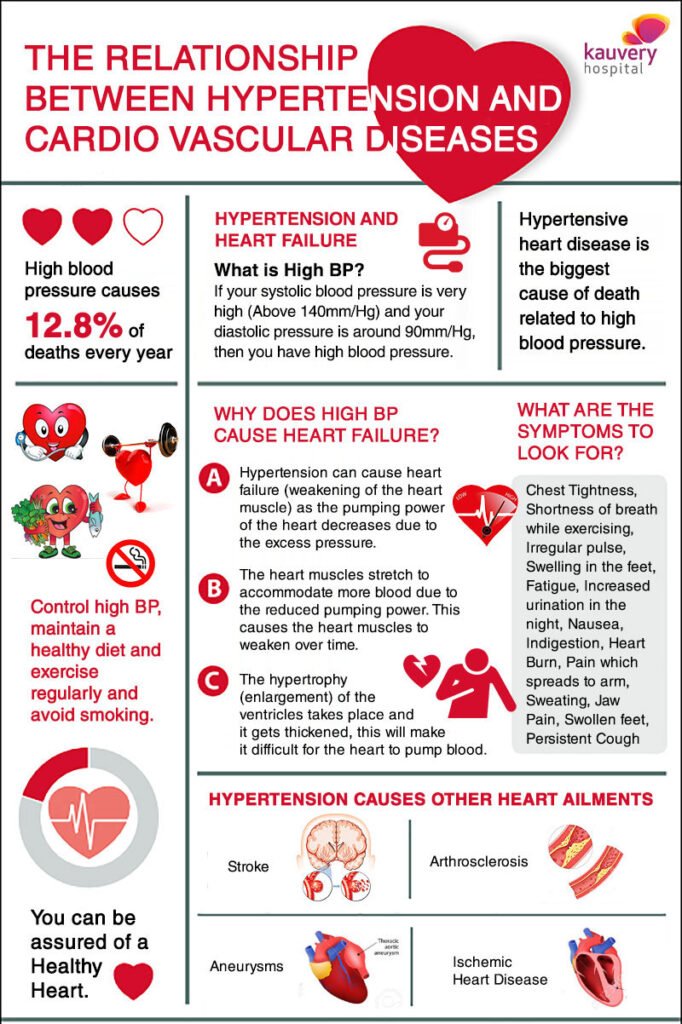
Understanding Hypertension
Hypertension, also known as high blood pressure, is a common medical condition that affects a significant portion of the population. It is defined as persistently elevated blood pressure readings above the normal range, which is typically around 120/80 mmHg. The prevalence of hypertension has been steadily increasing over the years, with estimates suggesting that more than a billion people worldwide are affected by this condition.
There are different types of hypertension, each with its own unique characteristics. Essential hypertension is the most common form, accounting for about 90-95% of cases. It occurs when there is no identifiable cause for the elevated blood pressure. On the other hand, secondary hypertension occurs as a result of an underlying medical condition, such as kidney disease or hormonal disorders. Malignant hypertension is a severe and potentially life-threatening form of the condition, characterized by extremely high blood pressure levels.
Several risk factors contribute to the development of hypertension. These include lifestyle factors such as poor diet, lack of physical activity, and excessive alcohol consumption. Other risk factors include age, family history of hypertension, obesity, stress, and certain medical conditions like diabetes and chronic kidney disease. It is important to be aware of these risk factors and take steps to manage them to reduce the likelihood of developing hypertension.
Hypertension often does not present with noticeable symptoms, earning it the name “the silent killer.” However, the long-term consequences of uncontrolled high blood pressure can be severe. If left untreated, hypertension can lead to various complications, such as damage to the blood vessels, heart, kidneys, and other organs. It increases the risk of heart disease, stroke, kidney disease, and other cardiovascular conditions. It is crucial to understand the symptoms and complications associated with hypertension to take proactive measures for prevention and control.
Effects of Hypertension on the Heart
The heart is a vital organ that is greatly affected by hypertension. High blood pressure exerts constant pressure on the walls of the arteries, causing them to become thicker and less flexible. This thickening of the arterial walls is known as hypertrophy. Over time, hypertrophy can lead to structural changes in the heart, resulting in enlarged heart chambers and decreased pumping efficiency.
Hypertension is closely linked to coronary artery disease (CAD), the most common form of heart disease. The restricted blood flow caused by the buildup of plaque in the arteries can be exacerbated by high blood pressure. The combination of hypertension and CAD significantly increases the risk of heart attacks and chest pain (angina).
Hypertensive heart disease encompasses a range of conditions that affect the heart as a result of prolonged high blood pressure. Left ventricular hypertrophy is a hallmark of hypertensive heart disease, wherein the left ventricle, the heart’s main pumping chamber, becomes abnormally thickened. This condition can impair the heart’s ability to fill and pump blood efficiently, leading to heart failure.
In addition to heart failure, hypertension also increases the risk of arrhythmias, which are abnormal heart rhythms. The constant strain on the heart caused by high blood pressure can disrupt the electrical signals that regulate the heart’s rhythm, leading to irregular heartbeats. It is crucial for individuals with hypertension to monitor their heart health and seek medical attention if they experience any symptoms of heart problems.

Hypertension and Atherosclerosis
Hypertension plays a significant role in the development of atherosclerosis, a condition characterized by the buildup of fatty plaques within the arteries. Elevated blood pressure damages the inner lining of the arteries, creating an ideal environment for the deposition of cholesterol and other substances. These deposits form plaques that narrow the arteries and restrict blood flow.
Atherosclerosis is strongly associated with cardiovascular diseases, including heart attacks, strokes, and peripheral artery disease. Hypertension accelerates the progression of atherosclerosis by further damaging the arterial walls and promoting the formation of unstable plaques. These unstable plaques are more likely to rupture, leading to the formation of blood clots that can block blood flow to vital organs and trigger a heart attack or stroke.
Controlling blood pressure is of utmost importance in preventing the development and progression of atherosclerosis. By keeping blood pressure within a healthy range, the risk of plaque formation and its associated complications can be significantly reduced. Lifestyle modifications and medication management play important roles in achieving optimal blood pressure control.
Hypertension as a Risk Factor for Heart Attack and Stroke
Elevated blood pressure is a major risk factor for heart attacks and strokes. Over time, the constant strain on the blood vessels caused by high blood pressure can cause damage to their inner linings. This damage creates an ideal environment for the formation of blood clots, which can partially or completely block blood flow to the heart or brain.
Ischemic heart disease, also known as coronary artery disease, is a cardiovascular condition characterized by narrowed or blocked arteries supplying blood to the heart. Hypertension is closely linked to the development and progression of ischemic heart disease. The increased pressure and damage to the arterial walls caused by high blood pressure contribute to the formation of plaques and the narrowing of the coronary arteries.
Hypertension-related strokes can be either ischemic or hemorrhagic. Ischemic strokes occur when a blood clot blocks a blood vessel supplying the brain. Hemorrhagic strokes, on the other hand, result from a weakened blood vessel that ruptures and causes bleeding within the brain. Both types of strokes can be life-threatening and lead to neurological deficits or even death.
Control of blood pressure is paramount in reducing the risk of cardiovascular events such as heart attacks and strokes. Managing hypertension through lifestyle modifications, medication, and regular monitoring can greatly reduce the likelihood of these life-threatening events.

Hypertension and Heart Failure
There is a strong link between long-standing hypertension and the development of heart failure. Uncontrolled high blood pressure places excessive strain on the heart, causing it to pump blood against increased resistance. This increased workload over time can lead to the weakening and enlargement of the heart muscle, eventually resulting in heart failure.
Heart failure occurs when the heart is unable to pump enough blood to meet the body’s demands. Hypertensive heart disease is a common cause of heart failure, with left ventricular hypertrophy being a prevalent feature. The thickening of the heart muscle compromises its ability to contract and relax properly, leading to impaired pumping function.
Hypertension-related heart failure can manifest as either systolic heart failure, where the heart loses its ability to contract effectively, or diastolic heart failure, characterized by the impaired relaxation and filling of the heart chambers. Both types of heart failure require careful management and treatment strategies tailored to the individual patient’s needs.
To manage heart failure effectively in patients with hypertension, blood pressure control is a crucial aspect of treatment. Lowering blood pressure helps to reduce the strain on the heart and improves the heart’s pumping ability. Lifestyle modifications, such as maintaining a heart-healthy diet, exercising regularly, and taking prescribed medications, are important components of heart failure management in hypertensive individuals.
Kidney Disease and Hypertension
Hypertension and kidney disease have a bidirectional relationship, meaning that one condition can both contribute to and worsen the other. High blood pressure can cause kidney damage by placing excessive pressure on the small blood vessels in the kidneys. In turn, kidney disease can lead to hypertension due to impaired kidney function regulating fluid balance and the release of hormones that control blood pressure.
Hypertension is one of the leading causes of chronic kidney disease (CKD). The relentless strain on the kidneys caused by high blood pressure can gradually impair their ability to filter waste products and excess fluid from the blood. This impairment can eventually progress to end-stage renal disease, where the kidneys can no longer adequately perform their vital functions, necessitating dialysis or kidney transplantation.
Managing blood pressure is crucial in preventing renal complications and preserving kidney function. By achieving and maintaining optimal blood pressure control, the risk of kidney damage and progression of CKD can be significantly reduced. Blood pressure-lowering medications, along with lifestyle modifications, play a pivotal role in the prevention and management of kidney disease in hypertensive individuals.

Hypertension and Valvular Heart Disease
Hypertension and valvular heart disease often coexist and interact with each other in complex ways. The prolonged exposure to high blood pressure can exert excess stress on the heart valves, leading to structural abnormalities. On the other hand, valvular heart disease can contribute to the development or worsening of hypertension due to the heart’s impaired pumping ability.
Persistent high blood pressure can result in thickening and stiffening of the heart valves, affecting their functionality. This can ultimately lead to conditions such as aortic stenosis, where the aortic valve becomes narrowed and restricts blood flow from the heart to the rest of the body. Hypertension can also contribute to valvular regurgitation, where the valve fails to close properly, causing blood to leak backward.
The management of valvular heart disease in patients with hypertension requires a comprehensive approach. Controlling blood pressure is essential to promote the optimal functioning of both the heart and the valves. Depending on the severity of the valvular abnormalities, treatment options may range from medication management and lifestyle modifications to surgical interventions such as valve repair or replacement.
Hypertension Treatment Strategies
In managing hypertension, a multi-faceted approach is often necessary to achieve optimal blood pressure control. Lifestyle modifications play a central role and involve making healthy choices in terms of diet, exercise, and weight management. A heart-healthy diet, rich in fruits, vegetables, lean protein, whole grains, and limited sodium and saturated fats, can help reduce blood pressure levels. Regular physical activity and weight management contribute to overall cardiovascular health and blood pressure control.
In cases where lifestyle modifications alone are insufficient, pharmacological treatment options are available to help lower blood pressure. These may include different classes of antihypertensive medications, such as diuretics, beta-blockers, ACE inhibitors, ARBs, calcium channel blockers, and others. The choice of medication and dosage will depend on the individual patient’s needs, comorbidities, and potential side effects.
Monitoring blood pressure regularly is crucial in determining the effectiveness of treatment and maintaining optimal control. Blood pressure targets may vary depending on individual risk factors and the presence of other medical conditions. Regular visits to healthcare providers and adherence to prescribed medications and lifestyle modifications are essential in achieving blood pressure goals and preventing complications.
In some cases, combination therapy may be necessary to achieve optimal blood pressure control. This involves the use of two or more medications from different classes to target different aspects of blood pressure regulation. Personalized treatment plans are tailored to each patient’s specific needs, ensuring the most effective and well-tolerated regimen.

Hypertension Prevention and Control Methods
Prevention and control of hypertension rely on early detection and regular blood pressure screenings. Monitoring blood pressure allows for timely intervention and treatment to prevent the development and progression of hypertension. Regular visits to healthcare providers help identify risk factors, assess overall health, and implement appropriate interventions.
Education and awareness about the risks associated with hypertension and the importance of lifestyle changes are critical. People should be informed about the link between hypertension and heart disease, stroke, kidney disease, and other complications. Understanding how diet, exercise, stress management, and other lifestyle factors can impact blood pressure empowers individuals to make informed choices and take control of their health.
Public health initiatives have an essential role in promoting healthy blood pressure management. Government organizations, healthcare providers, and community outreach programs can raise awareness, provide educational resources, and offer support to individuals and communities at risk. By implementing preventive measures and addressing the root causes of hypertension, public health initiatives can help reduce the prevalence and impact of this widespread condition.
Adherence to treatment plans and regular follow-up care are vital components of hypertension prevention and control. Patients should be encouraged to take their prescribed medications as directed, monitor their blood pressure regularly, and seek medical attention for any concerns or changes in their condition. Compliance with lifestyle modifications, medication management, and regular follow-up visits contribute to better outcomes and reduced cardiovascular risks.
Future Directions in Hypertension and Heart Disease Management
Ongoing research and advancements in hypertension treatment provide hope for improved outcomes and novel therapeutic approaches. Scientists and healthcare professionals are continuously studying the mechanisms underlying hypertension and its cardiovascular consequences to develop targeted interventions. This research aims to uncover new strategies for preventing, diagnosing, and treating high blood pressure and related complications.
Novel therapies targeting hypertension and its cardiovascular consequences are being explored. Researchers are investigating new drug classes, medical devices, and interventions that can more effectively lower blood pressure and reduce the risk of complications. These advancements have the potential to revolutionize hypertension management and improve the quality of life for individuals affected by this condition.
Digital health technologies offer promising opportunities in blood pressure monitoring and management. Wearable devices, smartphone applications, and telemedicine platforms allow for remote monitoring of blood pressure, facilitating timely intervention and personalized care. Integrating these technologies into routine healthcare practice can enhance patient engagement, medication adherence, and communication between patients and healthcare providers.
An integrative approach to hypertension and heart disease management involves addressing the condition from multiple angles. This approach combines medical interventions, lifestyle modifications, and holistic strategies to achieve optimal outcomes. By considering the interplay between physical health, mental well-being, stress management, and social determinants, healthcare providers can develop comprehensive treatment plans tailored to each individual’s needs.
In conclusion, hypertension is a prevalent condition that significantly impacts cardiovascular health. Its effects on the heart, blood vessels, kidneys, and other organs highlight the importance of prevention, early detection, and optimal management. Through lifestyle modifications, pharmacological treatments, regular monitoring, and public health initiatives, it is possible to reduce the burden of hypertension and improve overall cardiovascular outcomes. Ongoing research, technological advancements, and integrative approaches provide hope for a future where hypertension and its cardiovascular consequences can be effectively addressed and managed.