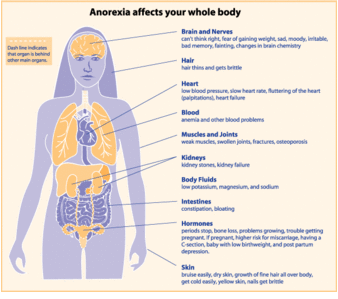
Are you concerned about your health or the health of a loved one? If so, it’s important to be aware of the signs and symptoms of anorexia nervosa. This serious eating disorder affects both the body and the mind, and recognizing the warning signs is the first step towards seeking help and treatment. From extreme weight loss and obsession with food to a distorted body image and excessive exercise, understanding these symptoms can make a world of difference in identifying and addressing anorexia nervosa.
Physical Signs
Extreme weight loss
One of the most noticeable physical signs of anorexia nervosa is extreme weight loss. When you’re struggling with this eating disorder, your body becomes significantly underweight due to self-imposed starvation and restriction of food intake. Extreme weight loss is often visible in your appearance, with your clothes becoming loose and your body looking frail. It is important to remember that this weight loss is not a healthy or sustainable way to achieve your desired body shape or size.
Abnormal blood counts
Anorexia nervosa can lead to abnormal blood counts, which is a clear indication that your body is not receiving the necessary nutrients it needs to function properly. A lack of essential vitamins, minerals, and proteins can cause your blood counts to become imbalanced, resulting in deficiencies or irregularities. This can affect your overall health and lead to a weakened immune system, making you more susceptible to illnesses and infections.
Fatigue and weakness
Due to the severe restriction of calories and essential nutrients, individuals with anorexia nervosa often experience chronic fatigue and weakness. Your body is not getting the energy it needs to perform daily activities, leading to a constant feeling of exhaustion. Simple tasks that used to be effortless can become overwhelming and draining. Fatigue and weakness can hinder your ability to fully engage in life and affect your overall quality of life.
Brittle nails and hair
Anorexia nervosa can have visible effects on your nails and hair. The lack of nutrients needed for healthy hair and nail growth can result in brittle nails that break easily and hair that becomes thin, dry, and prone to falling out. Your body prioritizes vital organs over external appearance, diverting nutrients away from non-essential functions like hair and nail growth. Brittle nails and hair can impact your self-esteem and contribute to feelings of self-consciousness.
Dry and yellowish skin
Your skin is another area that can show physical signs of anorexia nervosa. The lack of proper nutrition and hydration can cause your skin to become dry, rough, and discolored. Anorexia nervosa can also lead to a condition called carotenemia, where your skin takes on a yellowish hue. Dry and yellowish skin can be alarming and noticeable to others, further highlighting the toll that this eating disorder is taking on your body.
Emotional and Behavioral Signs
Preoccupation with weight, food, and calories
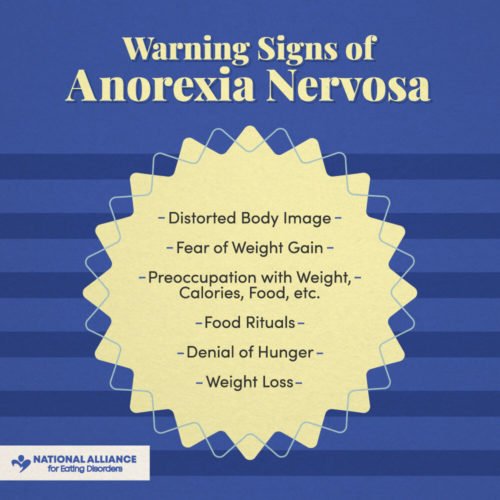
Anorexia nervosa is characterized by a preoccupation with weight, food, and calories. You may find yourself constantly thinking about your weight, obsessing over the number on the scale, and meticulously calculating the caloric content of everything you consume. Food can become the center of your world, leading to a rigid and restricted eating pattern that dominates your thoughts and behaviors. This preoccupation can significantly impact your mental well-being and daily functioning.
Distorted body image
Individuals with anorexia nervosa often experience a distorted body image. You may perceive your body as much larger than it actually is, even when others insist that you are underweight. This distorted body image can drive you to pursue extreme weight loss, believing that you still need to lose more weight despite being dangerously thin. Your perception of your body becomes skewed, making it challenging to have an accurate understanding of your physical appearance.
Obsessive and rigid behavior
Anorexia nervosa is characterized by obsessive and rigid behavior surrounding food and eating. You may develop strict rules and rituals around mealtimes, portion sizes, and food choices. Deviating from these self-imposed rules can cause significant distress and anxiety. This rigidity can manifest in meticulous and time-consuming meal planning, constant calorie counting, and an obsession with maintaining control over your food intake. These behaviors can consume your thoughts and lead to a highly restricted and controlled lifestyle.
Intense fear of gaining weight
One of the most significant emotional and behavioral signs of anorexia nervosa is an intense fear of gaining weight. This fear often drives the extreme restriction of food intake and perpetuates the cycle of self-starvation. An overwhelming dread of becoming fat or overweight can dominate your thoughts and dictate your behaviors, resulting in further weight loss and an unhealthy relationship with food. This fear is often irrational and difficult to overcome without professional help and support.
Social and Interpersonal Signs
Withdrawal from social activities
Individuals with anorexia nervosa often withdraw from social activities as the disorder consumes their thoughts and energy. Engaging in social situations can be challenging, especially if they involve food or open discussions about body image. You may avoid social gatherings or events that revolve around eating, preferring to isolate yourself instead. The withdrawal from social activities can lead to feelings of loneliness and isolation, further exacerbating the emotional toll of the eating disorder.
Avoidance of meals and eating in public
Anorexia nervosa can lead to a strong aversion to meals and eating in public. The fear of judgment and scrutiny can make the simple act of eating in front of others a distressing experience. You may go to great lengths to avoid situations where you would have to eat in public, finding excuses or manipulating your schedule to minimize eating opportunities. This avoidance can contribute to social isolation and impact your ability to fully participate in social activities.
Irritability and mood swings
Anorexia nervosa can have a profound impact on your mood and emotional well-being. The constant denial of nourishment and the physical toll it takes on your body can lead to irritability and mood swings. You may find yourself becoming easily agitated, lashing out at others, or experiencing intense mood fluctuations throughout the day. These emotional changes can strain your relationships and make it difficult to engage in healthy social interactions.
Anxiety and depression
Anxiety and depression often coexist with anorexia nervosa. The overwhelming fear and preoccupation with food, weight, and body image can contribute to high levels of anxiety. Additionally, the lack of proper nutrition can affect your brain chemistry, potentially leading to symptoms of depression. Anxiety and depression can make it challenging to cope with the daily challenges of life and can worsen the severity of anorexia nervosa symptoms.
Physical Complications
Slow heart rate and low blood pressure
Anorexia nervosa can lead to physical complications, particularly concerning cardiovascular health. A slow heart rate, known as bradycardia, and low blood pressure are common symptoms of anorexia nervosa. Your body goes into a state of conservation, slowing down its functions to conserve energy. This can lead to dizziness, fainting, and an increased risk of cardiac issues, ultimately putting your overall health at risk.
Loss of bone density
Inadequate nutrition and the lack of essential vitamins and minerals can result in the loss of bone density, known as osteoporosis. Anorexia nervosa can prevent your bones from properly absorbing calcium and other necessary nutrients, leaving them weak and brittle. This can result in an increased risk of fractures and long-term bone-related complications. The loss of bone density is concerning, as it can have long-lasting effects on your overall health and mobility.
Muscle weakness and loss
Due to the severe restriction of calories and insufficient protein intake, individuals with anorexia nervosa often experience muscle weakness and loss. Your body breaks down muscle tissue to use as energy, resulting in a loss of muscle mass. This can further worsen your physical strength and stamina, making it challenging to perform everyday activities or engage in exercise. Muscle weakness and loss can also impact your metabolism and overall physical function.
Lanugo (fine, downy hair growth on body)
Anorexia nervosa can lead to the growth of fine, downy hair known as lanugo. This is a physiological response to your body’s attempt to keep itself warm due to a lack of body fat. Your body tries to insulate itself by growing this fine hair, which is most noticeable on the face, arms, and back. The presence of lanugo is a sign that your body is in an extremely malnourished state and struggling to maintain its normal functioning.
Gastrointestinal problems
The gastrointestinal system can also be significantly affected by anorexia nervosa. The lack of proper nutrition and restricted intake of food can lead to constipation, bloating, and other digestive issues. Your body may struggle to break down and absorb nutrients, resulting in problems such as acid reflux, gastric ulcers, and impaired digestion. Gastrointestinal problems can contribute to further discomfort and negatively impact your overall well-being.

Psychological Complications
Perfectionism
Many individuals with anorexia nervosa exhibit traits of perfectionism. The relentless pursuit of thinness, the strict adherence to self-imposed rules, and the need to achieve unattainable standards contribute to this perfectionistic mindset. You may strive for perfection in all areas of your life, setting unrealistic expectations and being overly critical of yourself. Perfectionism can fuel the self-destructive cycle of anorexia nervosa and make it challenging to break free from its grasp.
Obsessive-compulsive behavior
Obsessive-compulsive behavior often accompanies anorexia nervosa. The strict rituals and behaviors surrounding eating, exercise, and body image can become obsessive in nature. You may feel compelled to engage in repetitive actions, such as excessive handwashing, constant weighing, or arranging food in specific patterns. These behaviors provide a sense of control in an otherwise chaotic mindset, but they can also further perpetuate the eating disorder and hinder your ability to break free from its grip.
Low self-esteem
Anorexia nervosa can have a significant impact on your self-esteem. Constant comparison to unrealistic beauty standards, a distorted body image, and the pursuit of weight loss reinforce feelings of inadequacy. You may have a distorted perception of your self-worth, believing that your value is solely based on your appearance and the number on the scale. Low self-esteem can contribute to further negative thoughts and behaviors, making it challenging to develop a healthy and positive self-image.
Intense fear of food and eating
An intense fear of food and eating is a prominent psychological complication of anorexia nervosa. The fear is often irrational and reaches extreme levels, making it difficult to establish healthy eating habits. Even the thought of consuming food can trigger anxiety and distress. This fear is deeply ingrained and requires professional intervention to address and overcome. Overcoming the fear of food and eating is a crucial step in the recovery process.
Neurological Complications
Impaired cognitive function and concentration
Anorexia nervosa can have detrimental effects on cognitive function and concentration. The lack of proper nutrition and an inadequate intake of essential nutrients can impact your brain’s ability to function optimally. Cognitive processes such as memory, attention, and decision-making can be impaired, leading to difficulties in academic or professional settings. Impaired cognitive function and concentration can affect your overall productivity and quality of life.
Insomnia and disrupted sleep patterns
Anorexia nervosa can disrupt your sleep patterns, leading to insomnia and difficulties falling asleep or staying asleep throughout the night. The physical stress that the disorder places on your body can result in sleep disturbances. Additionally, anxiety and depression, which often accompany anorexia nervosa, can further contribute to sleep problems. Adequate sleep is essential for your overall well-being, and addressing sleep disruptions is crucial for successful recovery.

Female-specific Complications
Amenorrhea (loss of menstrual periods)
One of the specific complications of anorexia nervosa for females is the loss of menstrual periods, known as amenorrhea. The severe restriction of calories and weight loss disrupts the hormonal balance in the body, leading to the cessation of menstrual periods. Amenorrhea can have long-lasting effects on reproductive health and may indicate hormonal imbalances that can impact fertility. It is essential to address this complication and work towards restoring a healthy menstrual cycle.
Infertility
Anorexia nervosa can contribute to infertility in women. The disruption of hormonal balance, as well as the lack of proper nutrition and low body weight, can impact reproductive functions. Irregular or absent menstrual periods, as mentioned earlier, can be a significant factor in fertility issues. It is crucial to seek professional help and address the underlying causes of anorexia nervosa to improve the likelihood of achieving and maintaining a healthy pregnancy.
Medical Emergency Signs
Significant weight loss in a short period
Rapid and significant weight loss within a short period is a medical emergency sign in anorexia nervosa. It indicates that your body is in a severely malnourished state and may not be able to sustain vital functions. Extreme weight loss can lead to multiple organ failures and immediate intervention is necessary to prevent life-threatening complications. If you or someone you know experiences rapid and significant weight loss, immediate medical attention should be sought.
Severe dehydration
Severe dehydration is a critical medical emergency sign in anorexia nervosa. The restriction of fluids, coupled with excessive exercise and inadequate intake of necessary nutrients, can cause dehydration. Dehydration can lead to multiple organ failures, as your body requires proper hydration for its organs to function optimally. Severe dehydration requires immediate medical attention and prompt rehydration measures to restore the body’s fluid balance.
Cardiac arrest or heart failure
Anorexia nervosa can lead to cardiac arrest or heart failure, which is a life-threatening emergency. The significant weight loss, nutritional deficiencies, and stress on the cardiovascular system put immense strain on the heart. Your heart may struggle to pump blood efficiently, leading to irregular heart rhythms, weakened muscles, and potentially fatal complications. If you or someone you know experiences symptoms such as chest pain, shortness of breath, or fainting, call emergency services immediately.
Kidney failure
The kidneys can suffer severe damage in the advanced stages of anorexia nervosa, potentially resulting in kidney failure. The lack of proper hydration and the strain placed on the body’s organs can impact renal function. Kidney failure is a medical emergency that requires immediate intervention, as it can lead to life-threatening complications and the need for dialysis or a kidney transplant.
Severe electrolyte imbalances
Anorexia nervosa can cause severe electrolyte imbalances, which can disrupt the body’s delicate equilibrium. Electrolytes play a vital role in maintaining the balance of fluids, transmitting nerve signals, and regulating muscle function. When electrolyte levels become dangerously imbalanced, it can lead to seizures, heart arrhythmias, and even coma or death. If you or someone you know experiences symptoms such as muscle cramps, weakness, or confusion, seek immediate medical attention.
Dental Signs
Tooth erosion and decay
Poor oral health is a significant dental sign of anorexia nervosa. The frequent vomiting, malnutrition, and dehydration associated with the eating disorder can lead to tooth erosion and decay. Stomach acid from vomiting can erode tooth enamel, causing tooth sensitivity and cavities. Additionally, the lack of essential nutrients weakens tooth structure and compromises oral health. Regular dental check-ups and proper oral hygiene practices are crucial to address and prevent dental complications.
Gum disease
Anorexia nervosa can also contribute to gum disease, also known as periodontal disease. The lack of proper nutrition and adequate oral hygiene can weaken the gums, making them more susceptible to infection and inflammation. Gum disease can result in gum recession, tooth loss, and other dental complications. Proper dental care and oral hygiene practices, including regular brushing and flossing, are essential for maintaining oral health while recovering from anorexia nervosa.
Behavioral Signs in Children and Teens
Restricted eating and refusal to eat
In children and teens, a common behavioral sign of anorexia nervosa is restricted eating and refusal to eat. You may notice that your child consistently avoids certain foods, becomes increasingly selective about what they eat, or outright refuse meals altogether. These behaviors can be distressing for parents and caregivers and may require professional intervention to address and prevent the progression of anorexia nervosa.
Excessive exercise behavior
Excessive exercise behavior is another behavioral sign of anorexia nervosa in children and teens. You may observe that your child engages in compulsive exercise routines, demonstrates a relentless need to stay active, or becomes distressed if their exercise routine is interrupted. Excessive exercise serves as a way to burn calories and maintain control over weight, further perpetuating the eating disorder. It is important to address these behaviors and promote a healthy relationship with exercise.
Poor growth and development
Anorexia nervosa can significantly impact a child’s growth and development. The lack of proper nutrition, coupled with the strain placed on the body, can negatively affect physical growth and cognitive development. Children and teens with anorexia nervosa may experience stunted growth, delays in puberty, and impaired cognitive function. Early intervention and professional help are crucial to address these concerns and support healthy growth and development.