
The Science Behind Diabetes Mellitus
Diabetes mellitus affects millions of people worldwide, but it remains a condition shrouded in misunderstandings and myths. Understanding the science behind diabetes isn’t just an academic exercise; it plays a crucial role in managing your health and supporting those you care about. In this friendly exploration, you’ll discover how diabetes develops, its types, the role of insulin, and much more. So, let’s embark on this enlightening journey together!
What is Diabetes Mellitus?
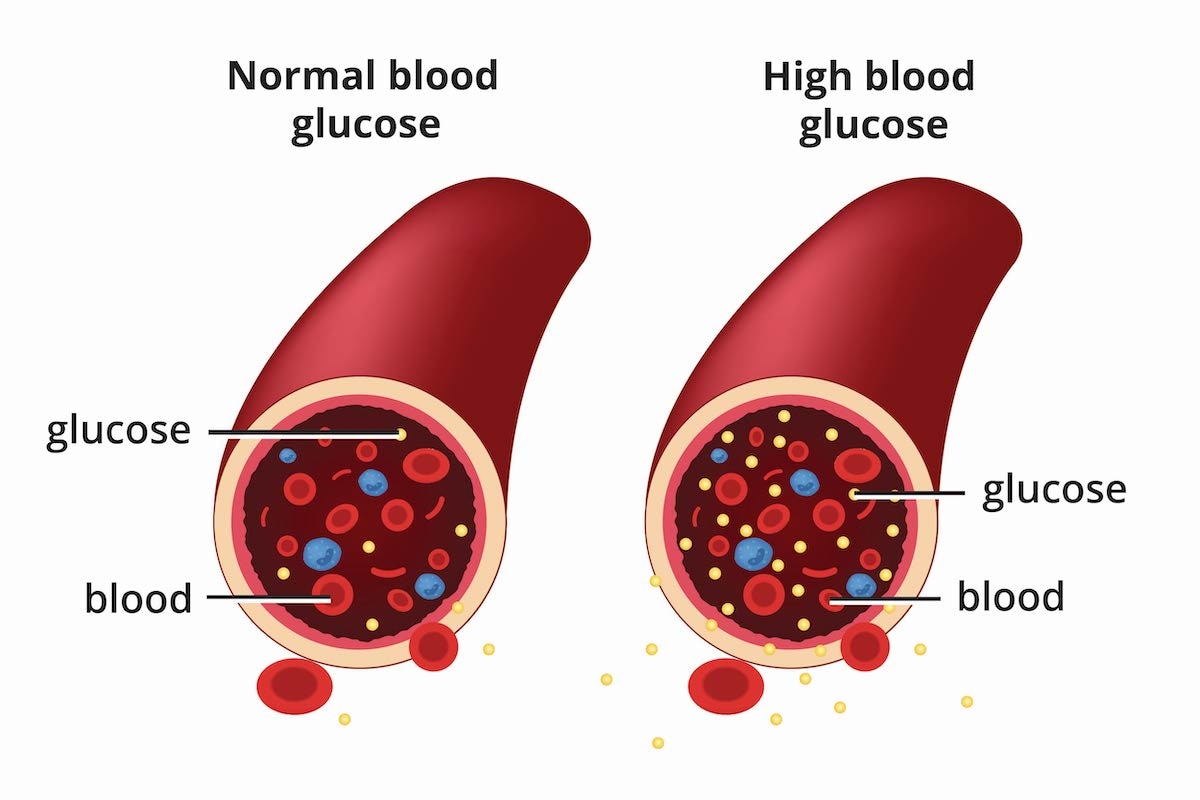
At its core, diabetes mellitus is a chronic medical condition characterized by elevated levels of glucose in your bloodstream. When you eat, your body breaks down food into glucose, which is then used for energy. However, if the process goes awry, it can lead to prolonged periods of high blood sugar, which may have serious health consequences. Understanding what diabetes is can help you recognize its implications for your overall well-being.
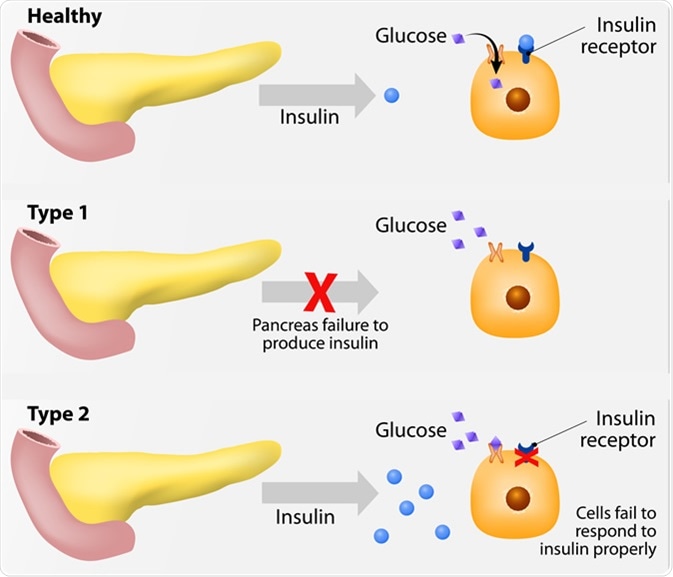
There are two primary types of diabetes mellitus: Type 1 and Type 2. Type 1 diabetes occurs when your immune system mistakenly attacks insulin-producing cells in the pancreas. On the other hand, Type 2 diabetes usually develops because your body becomes resistant to insulin, or your pancreas can’t produce enough insulin to maintain normal glucose levels. As you delve deeper, you’ll find layers of complexity beneath these basic definitions.
The Role of Insulin in Your Body
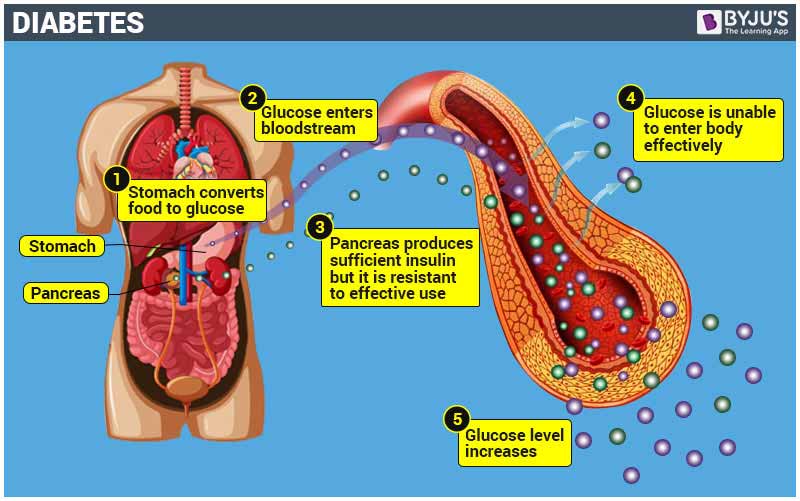
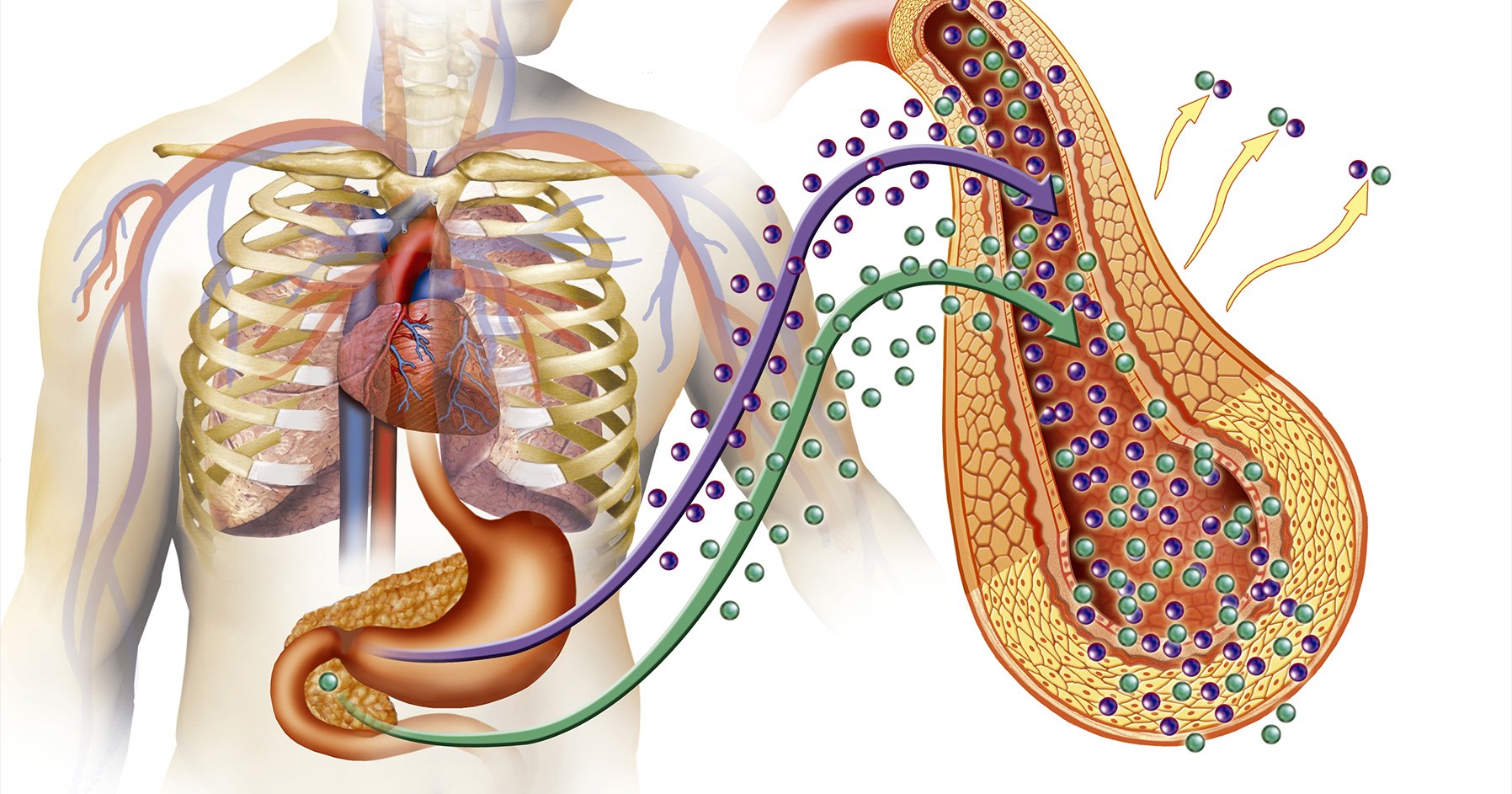
Insulin is a hormone produced by the pancreas, and it plays a pivotal role in how your body uses and processes glucose. When you eat, your blood sugar levels rise, prompting the pancreas to release insulin. This hormone acts like a key, allowing glucose to enter the cells of your body, where it’s converted into energy. Understanding insulin’s function can help you grasp the importance of maintaining healthy glucose levels.
Without adequate insulin or proper response to it, excess glucose cannot enter the cells, leading to high blood sugar levels. Over time, this can damage various body systems, including nerves and blood vessels. In essence, insulin regulates the entire glucose-control system within your body, making its function critical to your overall health.
Types of Diabetes Mellitus
Understanding the types of diabetes can help you identify which category you or a loved one may fall into. Each type has its own causes, risk factors, and management strategies.
Type 1 Diabetes
Type 1 diabetes is often diagnosed in childhood or early adulthood, but it can develop at any age. It occurs when the immune system attacks and destroys insulin-producing beta cells in the pancreas. This results in little to no insulin production, which means that people with Type 1 diabetes must inject insulin or use an insulin pump to manage their blood sugar levels.
Living with Type 1 diabetes requires constant monitoring of your blood sugar, careful planning of meals, and regular physical activity. Although this condition can be challenging, with proper education and management strategies, individuals can live fulfilling lives.
Type 2 Diabetes
Type 2 diabetes is by far the more common form of diabetes and usually develops in adults, although it is increasingly seen in children and adolescents due to rising obesity rates. This type occurs when the body becomes resistant to insulin or when the pancreas fails to produce enough insulin. It is often associated with lifestyle factors such as poor diet, inactivity, and obesity.
The good news is that Type 2 diabetes can often be prevented or managed through lifestyle changes such as weight loss, healthy eating, and regular exercise. Research shows that even modest weight loss can significantly enhance insulin sensitivity, leading to improved control of blood sugar levels.
Gestational Diabetes
Gestational diabetes is a temporary form of diabetes that can occur during pregnancy. It usually resolves after childbirth, but women who experience it are at higher risk for Type 2 diabetes later in life. Gestational diabetes arises when the body is unable to produce enough insulin during pregnancy, resulting in elevated blood sugar levels.
If you’re pregnant or plan to become pregnant, it’s important to understand how your body’s insulin needs change and how to manage blood sugar effectively during this critical time. Regular prenatal check-ups and screenings can help identify and address any arising concerns.
Other Specific Types
In addition to the three primary types of diabetes, there are other, rarer forms of the condition, including monogenic diabetes syndromes and secondary diabetes caused by other medical conditions or treatments. These types often require specialized management and should be looked at individually to understand their unique characteristics.
The Causes of Diabetes Mellitus
The causes of diabetes mellitus are multifactorial and can often feel overwhelming. Both genetic predispositions and environmental factors coalesce to create a higher risk for developing diabetes.
Genetic Factors
Family history plays a significant role in diabetes. If you have relatives with diabetes, you may be at a greater risk of developing the condition yourself. Certain genes have been identified that increase susceptibility to Type 1 and Type 2 diabetes.
Lifestyle Factors
In our fast-paced world, lifestyle choices often dictate our health outcomes. Poor eating habits, lack of physical activity, and being overweight contribute heavily to the development of Type 2 diabetes. Processed foods high in sugar and fat overpower your system, making it hard for your body to respond to insulin appropriately.
Environmental Factors
In addition to genetic predispositions and lifestyle, environmental factors, such as exposure to certain viruses and high-stress levels, can unleash an autoimmune response leading to Type 1 diabetes. Moreover, socioeconomic status can impact access to health resources, further perpetuating risk factors for diabetes.
The Symptoms of Diabetes Mellitus
While some symptoms of diabetes can be quite subtle and might go unnoticed, others are more pronounced. Recognizing the signs and symptoms is crucial for early diagnosis and intervention.
Common Symptoms
Common symptoms of diabetes include increased thirst, frequent urination, extreme fatigue, and blurred vision. If you notice these signs, it’s essential to consult with a healthcare professional for a thorough evaluation.
In Type 1 diabetes, symptoms may appear quickly, while Type 2 diabetes can develop more gradually, leading some individuals to remain unaware for years. This gradual onset is particularly concerning because prolonged high blood sugar can cause more significant damage.
Long-term Complications
If left unmanaged, diabetes can lead to serious long-term health complications like heart disease, kidney damage, nerve damage (neuropathy), and foot problems. Understanding how these complications can arise provides a strong motivation for maintaining proper management and monitoring of your blood sugar levels.
Diagnosing Diabetes Mellitus
If you suspect you may have diabetes, it’s crucial to seek professional medical advice for a diagnosis. Typically, doctors will use one or more tests to examine your blood sugar levels.
Fasting Blood Glucose Test
The fasting blood glucose test measures your blood sugar level after you haven’t eaten for at least eight hours. A reading of 126 mg/dL or higher indicates diabetes.
Oral Glucose Tolerance Test
The oral glucose tolerance test assesses your blood sugar before and after drinking a sugary solution. This test can reveal how your body handles glucose over time, helping to diagnose diabetes. A blood sugar level of 200 mg/dL or higher two hours after drinking the solution may indicate diabetes.
A1C Test
The A1C test measures your average blood sugar levels over the past two to three months. An A1C of 6.5% or higher confirms diabetes if the test was done in a lab. If you’re interested in understanding where you stand typically, this test could be beneficial.
Receiving a diagnosis can feel overwhelming, but knowing the facts can help empower you to make informed decisions about your health.
Managing Diabetes Mellitus
Managing diabetes is vital for maintaining your quality of life and preventing complications. The good news is that, with proper care and understanding, many people lead healthy, active lives despite having this condition.
Dietary Modifications
Your diet plays a crucial role in managing diabetes. Opting for whole, unprocessed foods can provide essential nutrients while helping control blood sugar levels. You may want to focus on:
- Vegetables, particularly non-starchy ones
- Whole grains
- Lean proteins
- Healthy fats
It’s a good idea to consult a registered dietitian for personalized meal planning and to understand how various foods affect your blood sugar.
Physical Activity
Regular exercise is a cornerstone of diabetes management. It enhances insulin sensitivity, helping your cells use glucose more effectively. It doesn’t have to be a grueling gym routine; simple activities like walking, cycling, or swimming can yield significant benefits. Aim for at least 150 minutes of moderate exercise each week.
Monitoring Blood Sugar Levels
Regular monitoring of your blood sugar is essential for effective management. You might need to check your levels several times a day or use continuous glucose monitors depending on your healthcare provider’s recommendations. Tracking your levels can help you identify what works for you and what doesn’t, empowering you to make informed decisions.
Medication and Insulin Therapy
Depending on your type of diabetes and individual needs, you may require medication or insulin therapy. Medications can help lower blood sugar levels, while insulin injections or an insulin pump may be necessary for Type 1 diabetes. Consulting your healthcare provider will give you insight into what’s right for you.
The Emotional Aspect of Diabetes
It’s crucial to acknowledge the emotional toll that diabetes can take. Managing a chronic illness can lead to feelings of frustration, sadness, or anxiety. Recognizing these feelings is essential for appropriate coping strategies and support systems.
Seeking Support
Whether it’s connecting with support groups, talking to friends and family, or accessing professional therapy services, don’t hesitate to seek support. You are not alone, and sharing experiences with others going through similar challenges can be incredibly beneficial.
Practicing Mindfulness
Mindfulness techniques, such as meditation or deep-breathing exercises, can help you manage stress and maintain a positive mindset. Setting small, manageable goals related to your diabetes management can also instill a sense of accomplishment, improving your overall emotional well-being.
The Future of Diabetes Management
With the advancement of technology and research, the future of diabetes management looks promising. New developments, such as artificial pancreas systems, continuous glucose monitors that integrate with smartphones, and breakthrough medications, are all paving the way for better management options.
Education and Awareness
Continued education and awareness are crucial in managing and preventing diabetes. You play an essential role in this process, exploring reputable sources of information, and sharing knowledge within your community. The more informed you and those around you are, the better equipped everyone will be to handle challenges.
Ongoing Research
Research into diabetes is ongoing and aims to enhance our understanding of its complexities. From new treatment options to potential preventive measures, staying abreast of these developments can empower you to make informed choices about your care.
Conclusion
Understanding the science behind diabetes mellitus not only enlightens your view of the condition but also equips you with tools for managing your health effectively. Whether you are navigating a diagnosis yourself or supporting someone else, this knowledge can foster empathy and proactive engagement in care.
Take a moment to reflect on what you’ve learned today and consider how you might apply it to your life or someone else’s. Your health journey is unique, and the more you understand, the better you can navigate it. If you found this article helpful, please clap for it, leave a comment, and subscribe to my Medium newsletter for updates. Together, we can continue learning and growing!
