
Are you tired of dealing with the discomfort of acid reflux? Look no further, because in this ultimate guide, we will explore the various remedies available to help alleviate your acid reflux symptoms. From lifestyle changes to over-the-counter medications and natural remedies, we’ve got you covered. Say goodbye to those sleepless nights and say hello to a happier, more comfortable you. It’s time to find the best remedy for your acid reflux and start enjoying life to the fullest again.
Understanding Acid Reflux
Acid reflux is a common digestive disorder that occurs when stomach acid flows back up into your esophagus, causing a burning sensation commonly known as heartburn. This condition, also referred to as gastroesophageal reflux disease (GERD), can be bothersome and uncomfortable. It is important to understand the causes, symptoms, and triggers of acid reflux in order to effectively manage and find relief from this condition.
What is Acid Reflux?
Acid reflux occurs when the lower esophageal sphincter (LES), a ring of muscle that acts as a valve between the stomach and the esophagus, fails to close properly. This allows stomach acid to flow back up into the esophagus, irritating its lining and causing the characteristic burning sensation in the chest known as heartburn. In addition to heartburn, acid reflux can also cause regurgitation, bloating, and a sour or bitter taste in the mouth.
Causes of Acid Reflux
There are several factors that can contribute to the development of acid reflux. One of the main causes is a weakened or malfunctioning LES, which can occur due to factors such as obesity, pregnancy, hiatal hernia, or certain medications. Certain foods and beverages, such as fatty or fried foods, citrus fruits, tomatoes, chocolate, alcohol, and caffeine, can also trigger acid reflux. Other lifestyle factors, such as smoking, eating large meals, lying down immediately after eating, and wearing tight clothing, can also increase the risk of developing acid reflux.
Symptoms of Acid Reflux
The most common symptom of acid reflux is a burning sensation in the chest, often referred to as heartburn. This burning sensation usually occurs after meals or during the night when lying down. Other symptoms of acid reflux may include regurgitation of food or sour liquid, difficulty swallowing, coughing, wheezing, hoarseness, and a persistent sore throat. It is important to recognize these symptoms and seek appropriate treatment to prevent further complications.
Identifying Triggers
To effectively manage and find relief from acid reflux, it is crucial to identify and avoid your personal triggers. Triggers are specific foods, beverages, or lifestyle factors that can worsen your acid reflux symptoms. By keeping a food diary and paying attention to your body’s reactions, you can pinpoint the triggers that affect you the most.
Common Triggers of Acid Reflux
Some common triggers of acid reflux include fatty or fried foods, citrus fruits, tomatoes, chocolate, alcohol, caffeine, spicy foods, and carbonated beverages. Additionally, lifestyle factors such as smoking, eating large meals, lying down immediately after eating, and wearing tight clothing can also trigger acid reflux symptoms. By being aware of these triggers, you can make informed choices and reduce the occurrence of acid reflux episodes.
Keeping a Food Diary
Keeping a food diary is a helpful tool in identifying your personal triggers for acid reflux. In your food diary, record everything you eat and drink, as well as any symptoms you experience. Pay attention to patterns and correlations between specific foods or beverages and your symptoms. This will enable you to identify your personal triggers and make appropriate dietary modifications to manage your acid reflux.
Identifying Personal Triggers
While there are common triggers for acid reflux, it is essential to recognize that triggers can vary from person to person. Some individuals may experience symptoms after consuming spicy foods, while others may be more sensitive to acidic fruits. By carefully monitoring your diet and lifestyle, you can identify your own personal triggers and make the necessary adjustments to alleviate your symptoms.

Lifestyle Changes for Acid Reflux Relief
In addition to avoiding trigger foods and beverages, making certain lifestyle changes can significantly reduce acid reflux symptoms. By incorporating these changes into your daily routine, you can manage your acid reflux more effectively and improve your overall quality of life.
Dietary Modifications
Making dietary modifications is a key aspect of managing acid reflux. It is recommended to eat smaller, more frequent meals throughout the day instead of large meals. This helps prevent overloading your stomach and reduces the likelihood of acid reflux. Additionally, avoiding acidic and spicy foods, citrus fruits, tomatoes, fatty or fried foods, and carbonated beverages can help alleviate symptoms. Opting for a diet high in fiber, whole grains, lean proteins, and fruits and vegetables can also promote better digestion and reduce the occurrence of acid reflux.
Weight Management
Maintaining a healthy weight is crucial for managing acid reflux. Excess weight can put pressure on your abdomen, causing the stomach acid to be pushed up into the esophagus. Losing weight through a combination of a balanced diet and regular exercise can help alleviate acid reflux symptoms. Consult with a healthcare professional for personalized guidance on weight management strategies.
Eating Habits
The way you eat can also influence the occurrence of acid reflux. It is important to eat slowly and chew your food thoroughly to aid digestion. Avoid eating too close to bedtime, as lying down can trigger acid reflux symptoms. Instead, aim to have your last meal or snack at least two to three hours before lying down. Additionally, elevate the head of your bed by using a wedge pillow or placing blocks under the bed frame to prevent stomach acid from flowing back up into the esophagus.
Avoiding Triggering Substances
In addition to food and eating habits, certain substances and habits can exacerbate acid reflux symptoms. It is advisable to quit smoking, as smoking weakens the LES and increases the risk of acid reflux. Limit or avoid alcohol consumption, as alcohol can relax the LES and contribute to acid reflux. It is also important to reduce or eliminate the intake of caffeine, as it can stimulate the production of stomach acid. By avoiding these triggering substances, you can minimize acid reflux episodes and find relief from symptoms.
Over-the-Counter Medications for Acid Reflux
Over-the-counter (OTC) medications can provide temporary relief from acid reflux symptoms. These medications are easily accessible and can help neutralize stomach acid or reduce its production.
Antacids
Antacids are OTC medications that work by neutralizing stomach acid, providing quick relief from heartburn and acid reflux symptoms. Common antacids include calcium carbonate (Tums) and aluminum hydroxide and magnesium hydroxide (Maalox, Mylanta). However, antacids only provide temporary relief and are best used for occasional or mild acid reflux symptoms.
Proton Pump Inhibitors (PPIs)
Proton pump inhibitors (PPIs) are a type of medication that reduces the production of stomach acid. PPIs such as omeprazole (Prilosec), lansoprazole (Prevacid), and esomeprazole (Nexium) are available over-the-counter and can provide longer-lasting relief from acid reflux symptoms. PPIs are typically taken once a day for a specific duration, as directed by a healthcare professional.
H2 Blockers
H2 blockers, such as ranitidine (Zantac) and famotidine (Pepcid), are another type of OTC medication that reduces the production of stomach acid. H2 blockers provide relief from heartburn and can be taken as needed. However, they may not provide as long-lasting relief as PPIs.
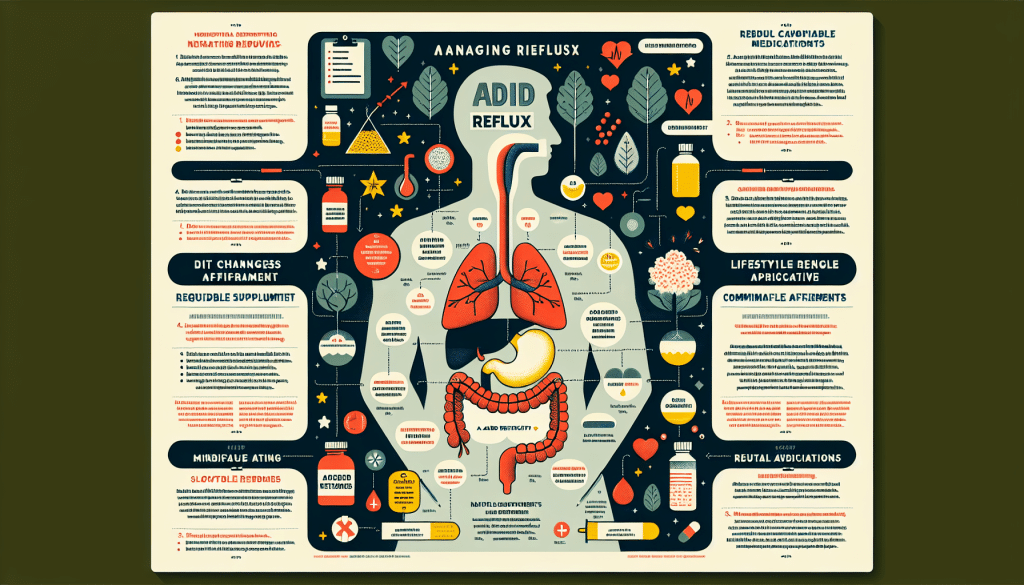
Natural Remedies for Acid Reflux
For those who prefer natural remedies, several options can help alleviate acid reflux symptoms. These natural remedies are generally considered safe and can be used in conjunction with lifestyle modifications for added relief.
Ginger
Ginger has been used for centuries to aid digestion and reduce inflammation. Its natural anti-inflammatory properties can help soothe the digestive tract and reduce acid reflux symptoms. Ginger can be consumed in various forms, such as fresh ginger, ginger tea, or ginger supplements, to provide relief.
Aloe Vera Juice
Aloe vera juice is known for its soothing properties and can help alleviate acid reflux symptoms. It forms a protective lining in the esophagus, reducing irritation and providing relief from heartburn. It is best to choose aloe vera juice that is specifically formulated for internal use and follow the recommended dosage.
Slippery Elm
Slippery elm is an herb that has been used for centuries to treat various digestive issues, including acid reflux. It forms a gel-like substance when mixed with water, which can coat and protect the esophagus, reducing the burning sensation. Slippery elm can be consumed in the form of lozenges, capsules, or tea.
Marshmallow Root
Similar to slippery elm, marshmallow root can help soothe and protect the lining of the esophagus. It contains a substance called mucilage, which forms a protective barrier and reduces inflammation. Marshmallow root can be consumed as a tea or in supplement form.
Chamomile Tea
Chamomile tea has a calming effect on the body and can provide relief from acid reflux symptoms. It helps relax the muscles of the digestive tract, including the LES, and aids in digestion. Enjoying a cup of chamomile tea before bedtime can promote better sleep and reduce nighttime acid reflux.
Herbal and Alternative Remedies for Acid Reflux
In addition to the natural remedies mentioned above, there are other herbal and alternative remedies that can help alleviate acid reflux symptoms. These remedies have been used for centuries in traditional medicine and are worth considering for those seeking alternative approaches.
Licorice
Licorice root has been used for its medicinal properties for many years. It can help soothe the digestive tract, reduce inflammation, and promote the healing of the esophagus. It is important to choose deglycyrrhizinated licorice (DGL) to avoid potential side effects associated with regular licorice.
DGL (Deglycyrrhizinated Licorice)
DGL is a form of licorice root that has had the compound responsible for raising blood pressure, known as glycyrrhizin, removed. DGL can help protect the esophagus, reduce inflammation, and improve digestive symptoms associated with acid reflux. DGL is available in chewable tablets or powder form.
Peppermint Oil
Peppermint oil is commonly used to alleviate indigestion and promote better digestion. However, it can relax the LES and worsen symptoms in some individuals. If you choose to use peppermint oil for acid reflux relief, it is important to do so with caution and monitor your body’s response.
Melatonin
Melatonin is a hormone naturally produced by the body that regulates sleep-wake cycles. Some studies suggest that melatonin supplementation can help improve nighttime acid reflux symptoms. It is best to consult with a healthcare professional before starting melatonin supplementation.
Baking Soda
Baking soda, also known as sodium bicarbonate, is a natural antacid that can provide temporary relief from acid reflux symptoms. However, its long-term use is not recommended as it can lead to electrolyte imbalances and other health complications. It is best to use baking soda sparingly and under the guidance of a healthcare professional.
Prescription Medications for Acid Reflux
In cases where over-the-counter and natural remedies do not provide sufficient relief, prescription medications may be necessary. These medications are prescribed by a healthcare professional and may have stronger effects on reducing stomach acid production or strengthening the lower esophageal sphincter.
Proton Pump Inhibitors (PPIs)
Prescription-strength PPIs are available for individuals with severe or frequent acid reflux symptoms. These medications, such as pantoprazole (Protonix) and rabeprazole (Aciphex), work by reducing the production of stomach acid. They are typically taken once a day and may require a prescription from a healthcare professional.
H2 Blockers
Prescription-strength H2 blockers, such as cimetidine (Tagamet) and nizatidine (Axid), can provide stronger relief from acid reflux symptoms compared to their over-the-counter counterparts. These medications reduce stomach acid production and may be prescribed for those with more severe symptoms.
Promotility Agents
Promotility agents, such as metoclopramide (Reglan), are medications that help improve the movement of the digestive tract. They can be prescribed for individuals with acid reflux and associated conditions, such as gastroparesis. These medications help empty the stomach faster, reducing the likelihood of acid reflux episodes.
Foam Barriers
Foam barriers, such as Gaviscon, are medications that create a foam layer on top of the stomach contents, preventing them from flowing back up into the esophagus. Foam barriers offer temporary relief and can be an option for individuals with mild to moderate acid reflux symptoms.
Surgical Treatments for Acid Reflux
In cases where lifestyle modifications and medications do not provide sufficient relief, surgical treatments may be considered. These treatments aim to reinforce the lower esophageal sphincter or prevent stomach acid from flowing back up into the esophagus.
Fundoplication
Fundoplication is a surgical procedure in which the upper part of the stomach is wrapped around the lower esophagus to strengthen the LES. This procedure helps prevent stomach acid from flowing back up into the esophagus and can provide long-lasting relief from acid reflux symptoms.
LINX Device
The LINX device is a small, flexible ring of magnets that is placed around the LES through a minimally invasive procedure. The magnets help strengthen the LES and prevent acid reflux episodes. The LINX device offers an alternative to traditional fundoplication surgery and has been shown to provide effective relief.
Stretta Procedure
The Stretta procedure is a minimally invasive procedure that uses radiofrequency energy to strengthen the muscles of the LES and reduce acid reflux symptoms. This procedure is performed using an endoscope and does not involve any incisions. The Stretta procedure can provide long-lasting relief for individuals with acid reflux.
Managing Acid Reflux During Pregnancy
Pregnancy can often exacerbate acid reflux symptoms due to hormonal changes and the pressure exerted on the abdomen by the growing baby. It is important for pregnant women to manage their acid reflux symptoms while ensuring the safety of both themselves and their unborn child.
Safe Medications for Pregnant Women
When seeking relief from acid reflux during pregnancy, it is essential to use medications that are safe for both the mother and the baby. Antacids, such as calcium carbonate (Tums), are generally considered safe for use during pregnancy. However, it is advisable to consult with a healthcare professional before taking any medications during pregnancy.
Lifestyle Modifications
Pregnant women with acid reflux can benefit from implementing lifestyle modifications to alleviate their symptoms. These modifications include eating smaller meals more frequently, avoiding trigger foods and beverages, elevating the head of the bed, wearing loose-fitting clothing, and avoiding lying down immediately after eating.
Avoiding Triggers
Pregnant women should pay close attention to their personal triggers and avoid them as much as possible. Trigger foods and beverages that commonly worsen acid reflux include citrus fruits, tomatoes, spicy foods, chocolate, caffeine, and carbonated beverages. By avoiding these triggers, pregnant women can reduce the occurrence of acid reflux episodes.
Sleeping Positions
Finding a comfortable sleeping position that minimizes acid reflux symptoms is crucial for pregnant women. It is recommended to sleep on the left side with the upper body slightly elevated. This position helps prevent stomach acid from flowing back up into the esophagus, reducing nighttime heartburn.
When to Seek Medical Help for Acid Reflux
While occasional acid reflux is common and can often be managed with lifestyle modifications and over-the-counter remedies, there are situations where medical help should be sought. It is important to recognize the signs of more serious acid reflux and seek appropriate medical attention to prevent further complications.
Persistent Symptoms
If your acid reflux symptoms persist despite lifestyle modifications and over-the-counter remedies, it is advisable to consult with a healthcare professional. Persistent symptoms may indicate a more severe form of acid reflux or an underlying condition that requires further evaluation and treatment.
Complications
If you experience complications associated with acid reflux, such as esophageal ulcers, esophagitis (inflammation of the esophagus), Barrett’s esophagus (precancerous changes in the esophagus), or respiratory issues, it is crucial to seek medical help promptly. These complications require specialized treatment and monitoring to prevent further damage.
Difficulty Swallowing
Difficulty swallowing, also known as dysphagia, can be a sign of a more serious underlying condition, such as a narrowing of the esophagus or esophageal stricture. If you experience persistent difficulty swallowing or feel like food is getting stuck in your chest, it is important to consult with a healthcare professional for evaluation and appropriate management.
Weight Loss
Unintentional weight loss can be a red flag that something more serious is going on. If you are experiencing significant weight loss without trying, it is important to seek medical help to rule out any underlying conditions or complications related to acid reflux.
Worsening Symptoms
If your acid reflux symptoms worsen over time, despite following recommended lifestyle modifications and appropriate treatment, it is essential to consult with a healthcare professional. Worsening symptoms can indicate an inadequate treatment plan or the need for further evaluation and adjustment of your treatment approach.
In conclusion, understanding acid reflux is crucial for effectively managing and finding relief from this common digestive disorder. By identifying triggers, making lifestyle changes, and considering various treatment options, you can successfully manage your acid reflux and improve your quality of life. If your symptoms persist or worsen, it is important to seek medical help to prevent further complications and ensure your overall well-being. Always consult with a healthcare professional for personalized advice and guidance tailored to your specific needs.