
Imagine finding peace and serenity amidst the chaos of buzzing and ringing noises constantly filling your ears. This is the reality for those who suffer from tinnitus, a condition characterized by persistent noise in the ears. However, a ray of hope shines through in the form of meditation. By exploring the connection between tinnitus and meditation, this article reveals the potential of finding tranquility within the noise, offering a path towards inner calm and relief.
Understanding Tinnitus
What is Tinnitus?
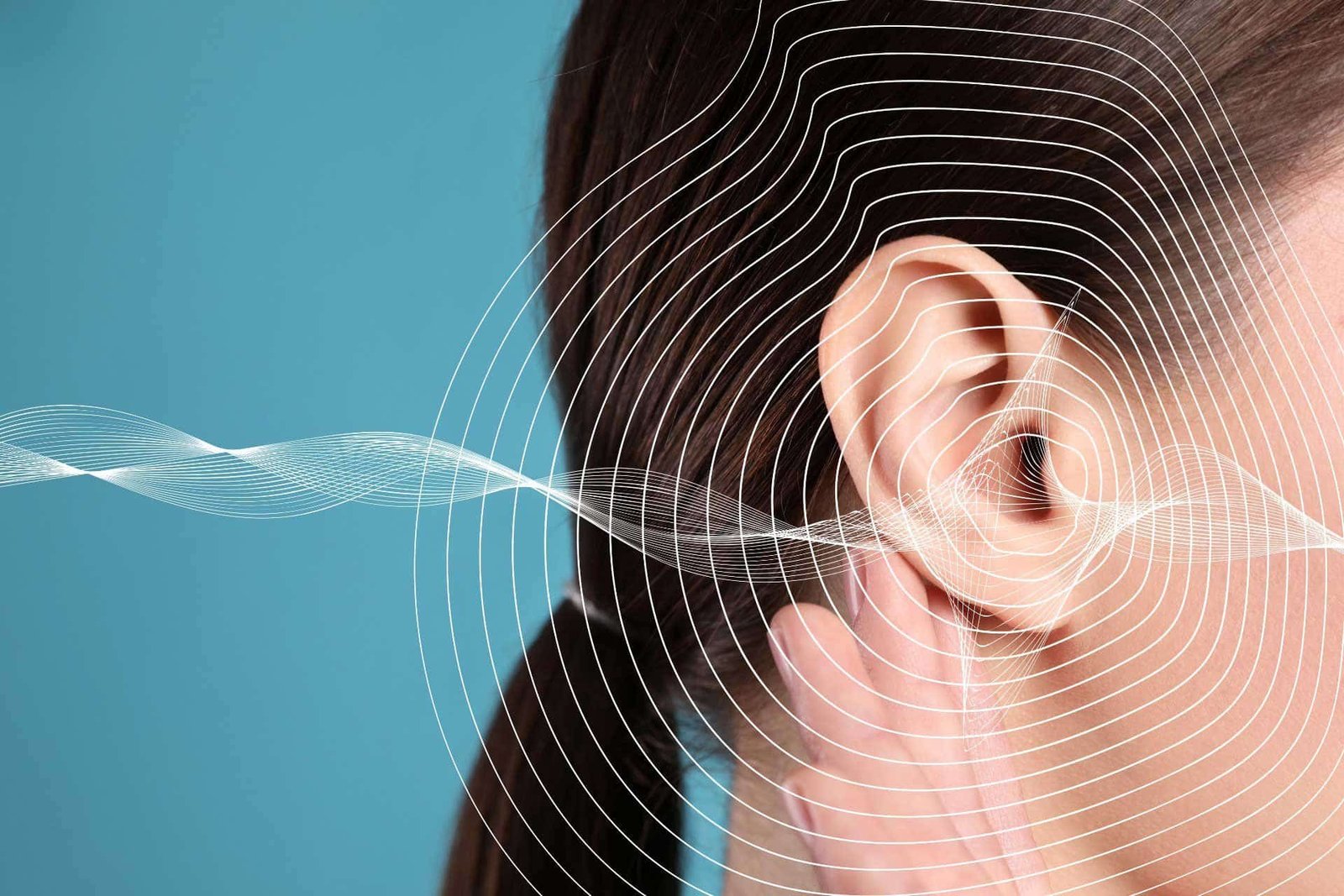
Tinnitus is a condition characterized by the perception of sound in the absence of any external noise source. It often manifests as a persistent ringing, buzzing, hissing, or whistling sound that can be heard in one or both ears. While it is not a disease itself, tinnitus can be a symptom of an underlying condition, such as hearing loss, ear injury, or circulatory disorders. It can be temporary or chronic, and its impact can vary from person to person.
Causes of Tinnitus
Tinnitus can have various causes, including exposure to loud noises, age-related hearing loss, earwax blockage, certain medications, and underlying medical conditions such as Meniere’s disease or temporomandibular joint (TMJ) disorders. Stress, anxiety, and depression can also contribute to the development or worsening of tinnitus. Understanding the underlying cause of tinnitus is crucial for effective management and treatment.
Types of Tinnitus
There are two broad categories of tinnitus: subjective and objective. Subjective tinnitus is the most common type and can only be heard by the person experiencing it. It is often associated with damage to the auditory system. On the other hand, objective tinnitus is rare and can be heard by an outside observer as well. It is typically caused by vascular or muscular conditions in the body. Understanding the specific type of tinnitus a person is experiencing is essential for tailoring appropriate management strategies.
Effects of Tinnitus
Impact on Mental Health
Living with tinnitus can take a toll on one’s mental health. The persistent presence of noise can lead to increased stress, anxiety, and even depression. The constant distraction and difficulty in finding moments of peace can negatively impact one’s overall well-being. It is important to address the psychological effects of tinnitus along with the physical symptoms to improve quality of life.
Impairment in Daily Life
Tinnitus can also interfere with daily activities and social interactions. The constant presence of the sound can make it challenging to concentrate, focus, or engage in conversations. Work productivity and performance may be affected, and simple tasks may become more daunting. The impact of tinnitus on daily life can lead to frustration, isolation, and a reduced sense of enjoyment in day-to-day activities.
Sleep Disturbances
Tinnitus can disrupt sleep patterns, making it difficult to fall asleep or stay asleep throughout the night. The sound can become more noticeable in the quiet of the night, further exacerbating the problem. Sleep deprivation can have a cascading effect on overall health, affecting mood, cognitive function, and immune system function. Addressing sleep disturbances caused by tinnitus is crucial for overall well-being.

Introduction to Meditation
What is Meditation?
Meditation is a practice that involves training the mind to focus and redirect thoughts, cultivating a state of mental clarity and emotional calm. It has been practiced for centuries and is rooted in various religious and spiritual traditions. However, meditation can also be approached from a secular perspective and can be beneficial for individuals seeking stress reduction, relaxation, and self-awareness. It does not require any specific religious beliefs, making it accessible to individuals from all walks of life.
Benefits of Meditation
The benefits of meditation extend beyond the realm of tinnitus management. Regular meditation practice has been associated with a wide range of positive effects on physical, mental, and emotional well-being. It can help reduce stress, lower blood pressure, improve attention span, enhance self-awareness, promote emotional resilience, and contribute to an overall sense of calm and inner peace. Incorporating meditation into one’s daily life can have transformative effects.
Different Meditation Techniques
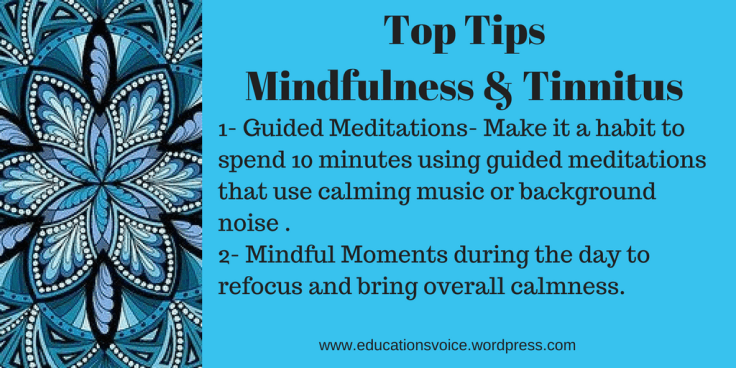
There are various meditation techniques that individuals can explore to find what works best for them. Some common techniques include mindfulness meditation, transcendental meditation, visualization, and guided meditation. Each technique has its own approach and focus, but all share the common goal of training the mind to achieve a state of present-moment awareness and calm.
Meditation as a Coping Mechanism
Mindfulness Meditation
Mindfulness meditation involves bringing one’s attention to the present moment, observing thoughts, sensations, and emotions without judgment. It cultivates an attitude of non-reactivity and acceptance, allowing individuals to develop a healthier relationship with their tinnitus. By learning to observe the sound without attaching negative emotions or labels, mindfulness meditation can help reduce the distress associated with tinnitus.
Transcendental Meditation
Transcendental meditation involves the use of a mantra or a repeated sound to help calm the mind and induce a state of relaxed awareness. It aims to transcend ordinary thinking and access deeper levels of consciousness. Transcendental meditation can provide a sense of peace and equanimity, allowing individuals to experience a shift in their relationship with tinnitus.
Visualization and Guided Meditation
Visualization and guided meditation techniques involve creating mental images and following a guided script to induce relaxation and focus. These techniques can help distract the mind from the perceived noise of tinnitus and promote a sense of tranquility. Visualization techniques may involve imagining a calm and peaceful environment or picturing the sound of tinnitus as a soft, gentle noise rather than an intrusive disturbance.
Scientific Approach: The Link Between Tinnitus and Meditation
Research on Tinnitus and Meditation
Scientific research has shown promising results regarding the potential benefits of meditation for tinnitus management. Studies have explored the positive impact of mindfulness-based stress reduction (MBSR) programs on reducing tinnitus-related distress and improving overall well-being. Additionally, neuroimaging studies have revealed changes in neural activity and brain structure associated with meditation, suggesting potential mechanisms through which meditation may influence tinnitus perception.
Neuroplasticity and Tinnitus
Neuroplasticity refers to the brain’s ability to reorganize itself and form new connections. It plays a crucial role in tinnitus perception and management. Meditation has been found to influence neuroplasticity by promoting changes in brain structure and function. By actively engaging in meditation, individuals may be able to reshape the neural networks involved in tinnitus perception, leading to a reduction in the impact of tinnitus on daily life.
Effectiveness of Meditation in Tinnitus Management
While further research is needed to fully understand the relationship between tinnitus and meditation, preliminary studies suggest that meditation can be a valuable tool in tinnitus management. Meditation techniques can help individuals develop a sense of control over their tinnitus and improve their ability to cope with its impact. The benefits of meditation extend beyond immediate relief, and regular practice can lead to long-term improvements in overall well-being.
Practical Steps for Meditating with Tinnitus
Creating a Calm Environment
Creating a calm and quiet environment is essential for a successful meditation practice with tinnitus. Find a peaceful space where you can minimize external noise distractions. Consider using earplugs or playing soft, soothing background music to help mask the sound of tinnitus. Dimming the lights and creating a comfortable space can also enhance relaxation.
Focus on Breath and Body Sensations
During meditation, focus your attention on your breath or the physical sensations in your body. By redirecting your focus away from the sound of tinnitus, you can cultivate a sense of relaxation and detachment. Engaging in mindful breathing exercises and body scans can help foster a greater connection with the present moment and reduce the intensity of tinnitus perception.
Guided Meditation for Tinnitus Relief
Guided meditation is an excellent option for individuals with tinnitus. There are numerous guided meditation recordings and apps available that specifically target tinnitus relief. These guided sessions provide instructions and visualization techniques that can help shift focus away from the sound and promote a sense of calm and tranquility.
Cognitive Behavioral Therapy (CBT) Combined with Meditation for Tinnitus Relief
Understanding CBT for Tinnitus
Cognitive Behavioral Therapy (CBT) is a therapeutic approach that aims to change dysfunctional thoughts and behaviors by focusing on the connection between thoughts, emotions, and behaviors. CBT for tinnitus involves challenging negative thoughts and beliefs about tinnitus and developing coping strategies to manage distress. When combined with meditation, CBT can provide individuals with a comprehensive toolkit for effectively managing tinnitus symptoms.
Merging CBT Techniques with Meditation
Merging CBT techniques with meditation can enhance the effectiveness of tinnitus management strategies. By incorporating mindfulness into the CBT process, individuals can cultivate a greater sense of awareness and detachment from tinnitus-related distress. This integration allows individuals to harness the benefits of both approaches, ultimately leading to improved well-being and a better quality of life.
Benefits Beyond Tinnitus Relief
Stress Reduction and Overall Well-being
Regular meditation practice has been proven to reduce stress levels and promote a sense of overall well-being. By incorporating meditation into their daily routine, individuals with tinnitus can experience a reduction in anxiety, improved mood, and a greater ability to cope with stressors. The benefits of stress reduction extend far beyond tinnitus management and can positively impact various aspects of one’s life.
Enhanced Concentration and Focus
Meditation can enhance concentration and focus, enabling individuals to redirect their attention away from the sound of tinnitus and engage more fully in their daily activities. By training the mind to remain present and grounded, individuals can reduce the intrusive nature of tinnitus and improve their cognitive abilities.
Improved Sleep Quality
One of the most significant challenges for individuals with tinnitus is sleep disturbances. Meditation can help create a sense of calm and relaxation, making it easier to fall asleep and stay asleep throughout the night. By improving sleep quality, individuals can experience increased energy levels, improved mood, and better overall health.

Seeking Professional Guidance
Consulting a Tinnitus Specialist
If you are experiencing tinnitus, it is essential to consult a tinnitus specialist or an audiologist who can evaluate your condition and provide personalized recommendations. A thorough assessment can help determine the cause and severity of tinnitus and guide the choice of appropriate management strategies, including incorporating meditation into your treatment plan.
Working with a Meditation Teacher
While meditation can be practiced independently, working with a meditation teacher or attending meditation classes can provide additional guidance and support, especially when using meditation specifically for tinnitus management. A meditation teacher can help tailor the practice to your individual needs, provide valuable insights, and offer encouragement throughout your journey.
Conclusion
Embracing Meditation for Tinnitus Management
Meditation offers a holistic approach to managing tinnitus, addressing both the physical and psychological aspects of the condition. By cultivating a sense of calm and detachment, individuals can reduce the distress associated with tinnitus and improve their overall well-being. Incorporating meditation into a comprehensive treatment plan, possibly combined with cognitive behavioral therapy, can provide individuals with the tools to effectively manage tinnitus symptoms and find tranquility within the noise.
Potential for Future Research
While current research suggests the potential benefits of meditation for tinnitus management, more studies are needed to fully understand the mechanisms behind these positive effects. Further research exploring the long-term impact of meditation on tinnitus perception, neuroplasticity, and quality of life will help expand our understanding of this promising approach. Continued scientific inquiry has the potential to unlock further insights into the role of meditation in tinnitus management and open up new avenues for improved treatment strategies.