
If you’re one of the many individuals suffering from the persistent ringing or buzzing sound in your ears known as tinnitus, you’ll be glad to know that there are effective treatment options that you can try in the comfort of your own home. In this article, we will explore some easy and accessible ways to alleviate tinnitus symptoms and regain peace of mind. From sound therapy techniques to relaxation exercises and lifestyle adjustments, there are various approaches you can take to manage tinnitus without the need for medical intervention. So sit back, relax, and discover these simple yet powerful methods for tinnitus treatment at home.
Overview of Tinnitus
What is Tinnitus?
Tinnitus is a condition characterized by the perception of sound in the ears or head without any external source. This phantom noise can manifest as ringing, buzzing, hissing, or clicking, and it can range from mild to severe. Tinnitus is not a disease itself but rather a symptom of an underlying issue, such as hearing loss, exposure to loud noises, or certain medical conditions.
Causes of Tinnitus
There are several factors that can contribute to the development of tinnitus. Common causes include age-related hearing loss, exposure to loud noises, earwax buildup, ear infections, high blood pressure, and certain medications, such as antibiotics, antidepressants, and nonsteroidal anti-inflammatory drugs (NSAIDs). In some cases, tinnitus may be a result of a more serious condition, such as a tumor or a problem with the blood vessels in the head and neck.
Symptoms of Tinnitus
The main symptom of tinnitus is the perception of sound when no external noise is present. This sound can be continuous or intermittent, and its volume and pitch may vary. Tinnitus can also be accompanied by dizziness, headaches, ear fullness, and difficulty concentrating or sleeping. It is important to note that tinnitus affects each individual differently, and the severity and impact on daily life can vary from person to person.
Professional Evaluation of Tinnitus
When to Seek Medical Help
If you are experiencing persistent tinnitus or if it is accompanied by other concerning symptoms, it is recommended to seek medical help. Additionally, if tinnitus suddenly develops after a head injury or if it is significantly affecting your quality of life, it is important to consult a healthcare professional. They can assess your condition, identify the underlying cause, and provide appropriate treatment or referral to a specialist if necessary.
Diagnosis of Tinnitus
To diagnose tinnitus, a healthcare professional will begin by conducting a thorough medical history and physical examination. They may also perform various hearing tests to assess your auditory function and determine the extent of hearing loss, if present. In some cases, further diagnostic procedures such as imaging scans or blood tests may be recommended to rule out underlying medical conditions.
Medical Treatments for Tinnitus
While there is no cure for tinnitus, medical treatments can help manage the symptoms and improve quality of life. Your healthcare provider may prescribe medications such as antidepressants, antianxiety drugs, or even medications specifically targeted at tinnitus. In certain cases, hearing aids or other devices that provide sound amplification or noise suppression may be recommended. Additionally, cognitive behavioral therapy (CBT) or other forms of counseling can help individuals cope with the emotional distress caused by tinnitus.
Home Remedies for Tinnitus
1. Lifestyle Changes
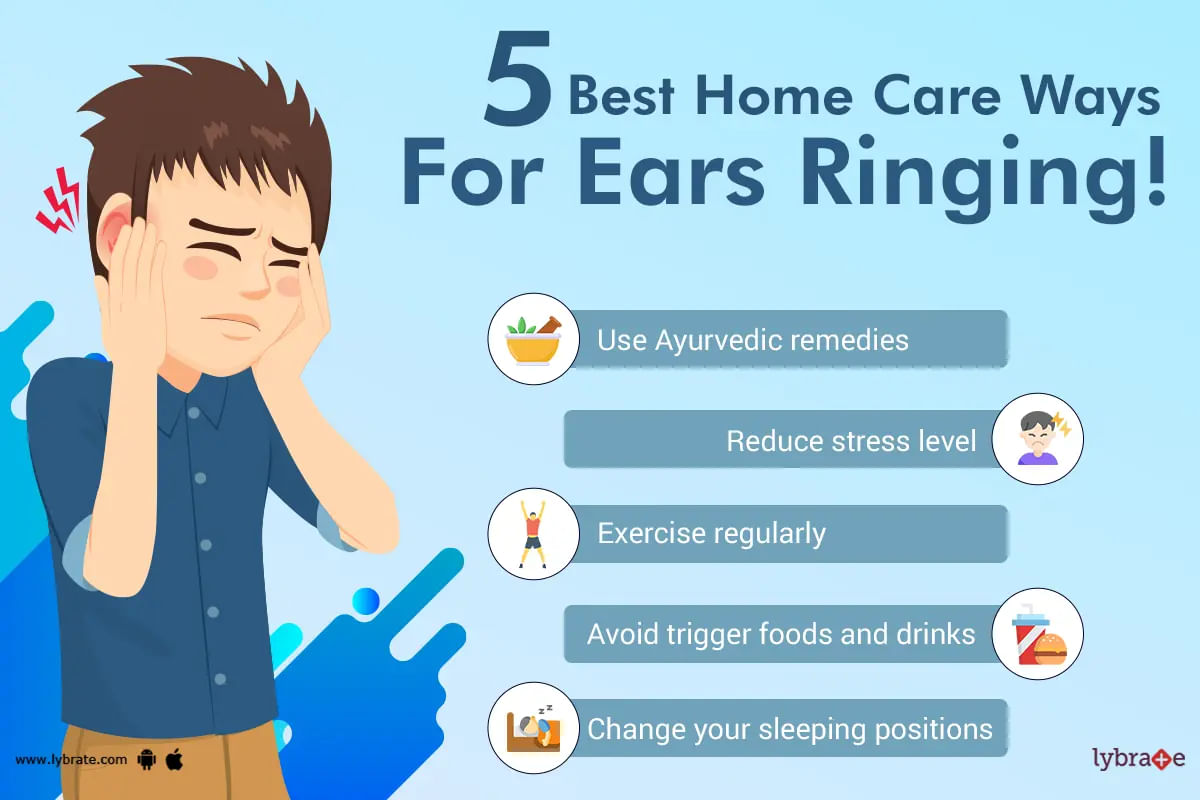
Making certain lifestyle modifications can significantly alleviate tinnitus symptoms. Firstly, it is crucial to protect your ears from loud noises by wearing earplugs or earmuffs in noisy environments. Limiting exposure to loud music, concerts, and other sources of excessive noise is also important. Additionally, managing stress and anxiety through relaxation techniques, exercise, and engaging in hobbies or activities that bring joy can help minimize the impact of tinnitus on your well-being.
2. Sound Therapy
Sound therapy aims to provide relief by masking or distracting from the ringing or buzzing sound of tinnitus. White noise machines, which produce a constant and soothing sound, can be used to mask the tinnitus noise, especially during sleep. Ear maskers, small electronic devices that produce low-level sounds, can also be worn to provide relief during the day. Relaxation techniques such as listening to calming music or engaging in guided meditation can also help divert attention from the tinnitus sounds.
3. Dietary Modifications
Certain dietary modifications can potentially improve tinnitus symptoms. Reducing salt intake can help manage tinnitus associated with high blood pressure, as excessive salt consumption can worsen fluid retention and increase fluid pressure in the inner ear. Avoiding stimulants like caffeine, which can exacerbate tinnitus, is also advised. On the other hand, including antioxidant-rich foods, such as fruits and vegetables, may have a protective effect on the auditory system and potentially reduce tinnitus severity.
Herbal Remedies for Tinnitus
Ginkgo Biloba
Ginkgo biloba, derived from the leaves of the ginkgo tree, is a popular herbal remedy for tinnitus. It is believed to improve blood circulation and provide antioxidant properties, which may benefit individuals with tinnitus caused by poor blood flow or oxidative stress. While some studies suggest that ginkgo biloba may provide mild relief for tinnitus symptoms, more research is needed to fully understand its effectiveness and safety for long-term use.
Zinc Supplements
Zinc is an essential mineral that plays a crucial role in various bodily functions, including maintaining the health of the auditory system. Some individuals with tinnitus have been found to have lower zinc levels, and zinc supplementation has shown promise in reducing tinnitus severity. However, it is important to consult with a healthcare professional before starting any zinc supplements, as excessive intake can lead to adverse effects.
B vitamins
Certain B vitamins, such as B12, B6, and folate, are involved in nerve function and the production of red blood cells. Deficiencies in these vitamins have been linked to tinnitus, and supplementation may help alleviate symptoms in some cases. However, it is essential to consult with a healthcare professional to determine the appropriate dosage and ensure it is safe for your specific situation.

Physical Treatments for Tinnitus
Acupuncture
Acupuncture is a traditional Chinese medicine practice that involves inserting thin needles into specific points on the body. It is believed to stimulate the body’s natural healing processes and restore balance. Some individuals with tinnitus have reported improvement in their symptoms after acupuncture sessions. However, the efficacy of acupuncture for tinnitus is still a subject of debate, and further research is needed to establish its effectiveness.
Massage Therapy
Massage therapy can help relax muscles, improve blood circulation, and promote overall well-being. For individuals with tinnitus, massage techniques targeting the head, neck, and jaw area can help relieve tension and reduce the perception of tinnitus. However, it is important to seek a qualified and experienced massage therapist who is knowledgeable about tinnitus management.
Chiropractic Adjustments
Chiropractic adjustments, also known as spinal manipulations, involve applying controlled force to the joints of the spine or other parts of the body. Some people with tinnitus have reported relief from their symptoms after chiropractic treatments. However, more research is needed to determine the effectiveness and safety of chiropractic adjustments specifically for tinnitus management.
Self-Care Techniques for Tinnitus
Relaxation Exercises
Practicing relaxation exercises, such as deep breathing, progressive muscle relaxation, or guided imagery, can help reduce stress and anxiety associated with tinnitus. These techniques promote a sense of calm and relaxation, which can alleviate the intensity of tinnitus and improve overall well-being.
Yoga and Meditation
Yoga and meditation have long been recognized for their ability to promote relaxation, improve mental focus, and reduce stress. Engaging in regular yoga or meditation sessions can help individuals with tinnitus manage their symptoms by fostering a sense of inner peace and tranquility.
Breathing Techniques
Breathing techniques, such as diaphragmatic breathing or box breathing, can help individuals with tinnitus shift their attention away from the phantom sounds. By focusing on slow and controlled inhaling and exhaling, one can achieve a state of calm and redirect their focus towards a more peaceful experience.

Technological Aids for Tinnitus Relief
Hearing Aids
For individuals with both hearing loss and tinnitus, hearing aids can be a valuable tool. These devices amplify external sounds, making it easier to hear and reducing the perception of tinnitus. Additionally, some hearing aids offer built-in sound therapy features, allowing users to customize the background noise to mask their tinnitus more effectively.
Tinnitus Maskers
Tinnitus maskers are similar to hearing aids but are specifically designed to generate sounds that mask or partially cover up the tinnitus sounds. These devices produce low-level background noises, such as white noise or nature sounds, which can provide relief and make the tinnitus less noticeable.
Cochlear Implants
Cochlear implants are electronic devices surgically implanted into the inner ear to provide a sense of sound for individuals with severe hearing loss. In some cases, cochlear implants can also help alleviate tinnitus symptoms, especially when combined with sound therapy. However, cochlear implants are typically recommended for individuals with profound hearing loss and severe tinnitus who have not responded to other treatment options.
In conclusion, tinnitus can be a challenging condition to live with, but there are various approaches and treatments available to help manage its symptoms. Whether through professional evaluation, home remedies, herbal remedies, physical treatments, self-care techniques, or technological aids, finding the right combination of strategies can offer relief and improve quality of life. It is important to consult with a healthcare professional to determine the best course of action based on your specific situation, as tinnitus management is highly individualized. With patience, perseverance, and a comprehensive approach, you can find relief and regain control over your tinnitus.