
Imagine finally finding relief from the persistent ringing in your ears. Tinnitus Treatment Medication offers a glimmer of hope for those suffering from this frustrating condition. Designed to target the root causes of tinnitus, this medication aims to provide lasting relief and restore your peace of mind. Say goodbye to the constant buzzing and humming, and embrace a world filled with clarity and tranquility. Discover how Tinnitus Treatment Medication can make a difference in your life today.
Types of Tinnitus Treatment Medication
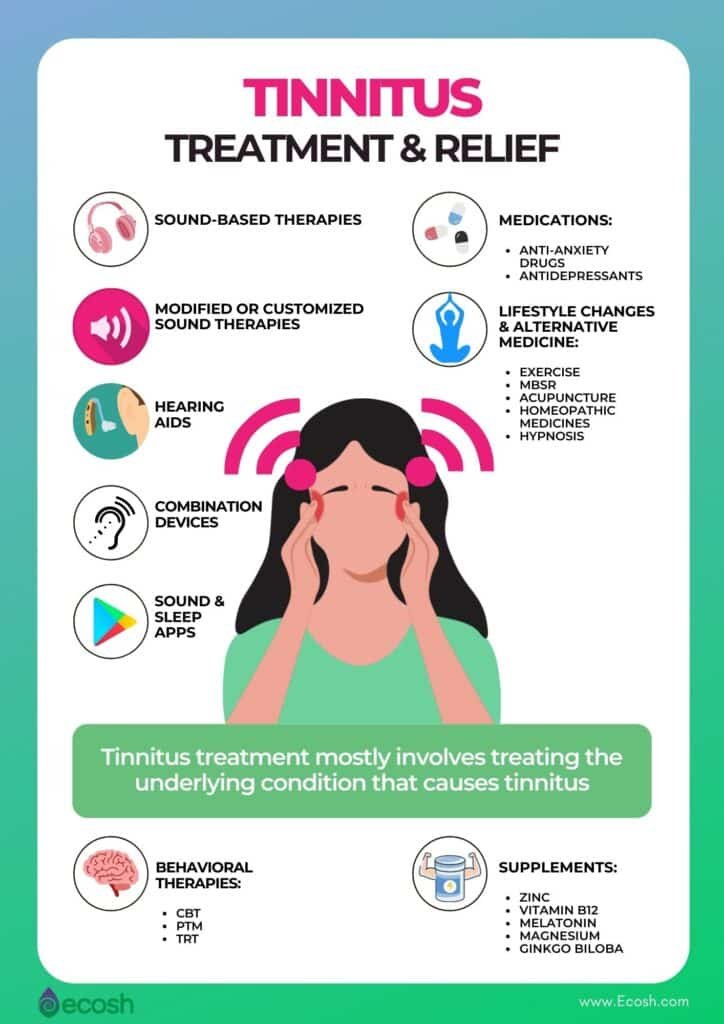
Tinnitus, the perception of sound in the absence of any external stimulus, can be a frustrating and disruptive condition. Fortunately, there are various types of medication that can help alleviate the symptoms of tinnitus. These medications belong to different categories and work in diverse ways to provide relief. Some of the commonly used types of tinnitus treatment medication include antidepressants, anticonvulsants, benzodiazepines, nootropics, and antihistamines. Let’s explore each of these categories in more detail to understand how they can help manage tinnitus.
Antidepressants
Antidepressants are a class of medications commonly prescribed for the treatment of depression, but they can also be effective in managing tinnitus symptoms. Selective Serotonin Reuptake Inhibitors (SSRIs) are a popular type of antidepressant that can help increase serotonin levels in the brain, which has been linked to reducing tinnitus severity. Tricyclic Antidepressants (TCAs) may also be prescribed for tinnitus, as they can affect the chemicals in the brain that are involved in the perception of sound. Norepinephrine and Dopamine Reuptake Inhibitors (NDRIs) and Serotonin-Norepinephrine Reuptake Inhibitors (SNRIs) are other types of antidepressants that may be prescribed for tinnitus management.
Anticonvulsants
Anticonvulsants, also known as antiepileptic drugs, are primarily used to treat epilepsy. However, they have also shown promise in managing tinnitus symptoms. Gabapentin is a commonly prescribed anticonvulsant for tinnitus treatment. It is believed to work by calming overactive nerve cells that may contribute to tinnitus. Pregabalin is another anticonvulsant medication that may be prescribed for its potential benefits in reducing tinnitus severity. Carbamazepine, an anticonvulsant often used to treat seizures, has also been studied for its potential role in managing tinnitus symptoms.
Benzodiazepines
Benzodiazepines are a class of medications commonly used to treat anxiety and insomnia. They can also be prescribed for tinnitus to help reduce the perception of sound and promote relaxation. Diazepam, a benzodiazepine with sedative properties, may be prescribed to help manage tinnitus symptoms. Clonazepam, another benzodiazepine, has been studied for its potential to suppress abnormal neuronal activity that may contribute to tinnitus. Lorazepam, a short-acting benzodiazepine, may also be prescribed to provide temporary relief from tinnitus symptoms.

Nootropics
Nootropics, also known as “smart drugs,” are substances that are believed to enhance cognitive function. While there is limited scientific research on their specific efficacy for tinnitus treatment, some individuals have reported benefits from using certain nootropic medications. Piracetam, a popular nootropic, has been suggested to improve blood flow and circulation in the brain, which may help reduce tinnitus symptoms. Aniracetam and Oxiracetam are other nootropics that have shown potential in enhancing memory and cognitive function, but their direct impact on tinnitus is not yet fully understood.
Antihistamines
Antihistamines are commonly used to relieve symptoms of allergies, such as runny nose and sneezing. They can also help manage tinnitus symptoms in some cases. Diphenhydramine, an over-the-counter antihistamine, has been studied for its potential to reduce tinnitus severity. Promethazine, another antihistamine often used for allergies and motion sickness, may also be prescribed for tinnitus relief. Cetirizine, a non-drowsy antihistamine, has shown promise in managing tinnitus symptoms, although more research is needed to fully understand its effectiveness.
Effectiveness of Tinnitus Treatment Medications
The effectiveness of tinnitus treatment medication can vary from person to person. While some individuals may experience significant relief, others may see limited results or even no improvement at all. It’s important to remember that tinnitus is a complex condition with various underlying causes, and what works for one person may not work for another. When considering medication for tinnitus, it’s crucial to have realistic expectations and understand that there is no one-size-fits-all solution.
Limited Evidence
For some tinnitus treatment medications, such as certain antidepressants and anticonvulsants, the scientific evidence is limited. While there may be anecdotal reports of improvement, more rigorous studies and clinical trials are needed to establish their efficacy definitively. It’s important to consult with a healthcare professional before starting any medication to understand the potential benefits and limitations.
Mixed Results
Other tinnitus treatment medications, like benzodiazepines and certain nootropics, have shown mixed results in clinical trials and studies. While they may provide relief for some individuals, their effectiveness can vary widely. Factors such as individual response, tinnitus severity, and the underlying cause of tinnitus can influence the outcome.
Placebo Effect
It is worth noting that the placebo effect, a phenomenon where a person experiences an improvement in their symptoms due to their belief in the treatment, can play a role in the perceived effectiveness of tinnitus medications. Tinnitus treatment medication trials often include a placebo group to account for this effect and determine whether the observed benefits are genuine or influenced by psychological factors.
Individual Response Variations
Each individual may have a different response to tinnitus treatment medications due to the individual characteristics of their tinnitus and their overall health. It is essential to keep in mind that what works for someone else may not work for you. It may take some trial and error, under the guidance of a medical professional, to find the most effective medication or combination of medications for your specific situation.
Side Effects of Tinnitus Treatment Medications
Like any medication, tinnitus treatment medications can have side effects. While not everyone will experience side effects, it’s important to be aware of the potential risks involved. Some common side effects of tinnitus treatment medications include drowsiness, dizziness, nausea, headaches, and dry mouth. It’s important to discuss these potential side effects with your healthcare provider and report any unusual or severe symptoms.
Considerations Before Taking Tinnitus Medication
Before starting any medication for tinnitus, it’s crucial to consider several factors and consult with a healthcare professional. These considerations may include:
Consulting a Physician
It is always recommended to consult with a physician before starting any tinnitus treatment medication. They can evaluate your specific situation, conduct necessary tests or evaluations, and provide guidance on the most appropriate course of treatment.
Understanding Potential Benefits and Risks
It’s essential to have a thorough understanding of the potential benefits and risks associated with tinnitus treatment medications. Your physician can help explain these factors and discuss any potential contraindications or precautions.
Evaluation of Individual Condition
Each person’s tinnitus is unique, and the underlying causes and contributing factors can vary widely. Before starting medication, it’s important to evaluate your individual condition, including the severity of your symptoms, any associated conditions, and any previous treatments you may have tried.
Medical History and Existing Medications
Your medical history and any existing medications you may be taking can also influence the choice of tinnitus treatment medication. It’s important to inform your physician about any allergies, medical conditions, or medications you are currently using to ensure the safe and effective use of tinnitus medications.
Alternative Tinnitus Treatment Options
While medication can be a valuable tool in managing tinnitus symptoms, there are alternative treatment options that individuals can explore. These options may include:
Tinnitus Retraining Therapy (TRT)
TRT is a therapeutic approach that aims to retrain the brain’s response to tinnitus. It combines sound therapy with counseling to help individuals habituate to the perception of tinnitus and reduce its impact on daily life. TRT can be an effective long-term solution for some individuals.
Sound Therapy
Sound therapy involves the use of external sounds to mask or distract from the perception of tinnitus. This can be done through wearable devices that emit low-level sounds or through environmental sounds such as nature sounds or white noise. Sound therapy can help individuals focus less on their tinnitus and promote relaxation.
Mindfulness-Based Stress Reduction (MBSR)
MBSR is a mindfulness-based program that incorporates meditation, body awareness, and gentle movement to help individuals manage stress and increase their resilience. It can be particularly beneficial for individuals whose tinnitus is exacerbated by stress or anxiety.
Acupuncture
Acupuncture is an ancient Chinese medical practice that involves the insertion of thin needles into specific points on the body. While its effectiveness for tinnitus treatment is still debated, some individuals have reported relief from tinnitus symptoms following acupuncture sessions.
In conclusion, tinnitus treatment medication can be a valuable tool in managing the symptoms of tinnitus. However, it’s important to consider the specific type of medication, its potential effectiveness, and the individual response. Consulting with a healthcare professional, understanding the potential benefits and risks, and considering alternative treatment options can help individuals make informed decisions and find the most effective approach to manage their tinnitus.