
So you’ve experienced an Anterior Cruciate Ligament (ACL) injury and now you’re on the road to recovery. Don’t worry, you’re not alone! In this article, we’ll provide you with some valuable tips to help ensure a successful recovery from ACL injuries. From proper rest and rehabilitation exercises to the importance of maintaining a positive mindset, we’ve got you covered. By following these tips, you’ll be back on your feet and ready to conquer the world in no time!
Preparing for Recovery

Understanding the Injury
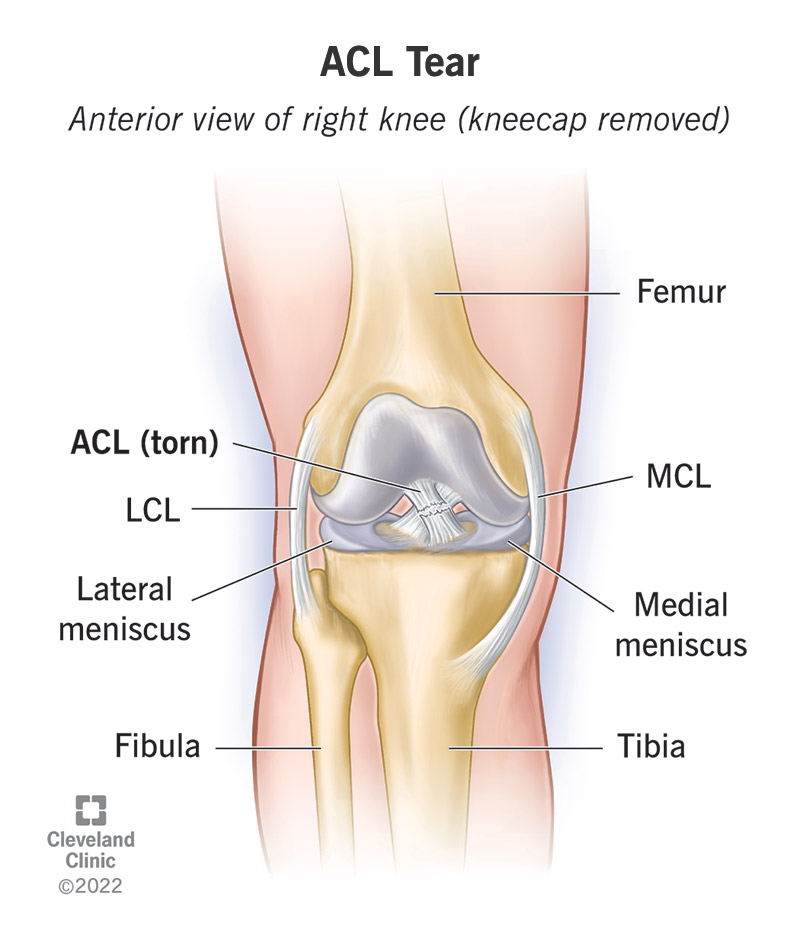
Before embarking on your road to recovery, it’s important to have a clear understanding of the injury you’re dealing with. In the case of an anterior cruciate ligament (ACL) injury, it involves damage to one of the major ligaments in your knee. The ACL plays a crucial role in providing stability and preventing the shinbone from sliding out in front of the thighbone. Understanding the anatomy and function of the ACL can help you navigate your recovery journey more effectively.
Getting a Proper Diagnosis
Getting a proper diagnosis is essential to determine the extent of the ACL injury and create an appropriate treatment plan. Consult with a qualified orthopedic specialist who has experience in diagnosing and treating ACL injuries. They will conduct a thorough physical examination, possibly including an MRI or other imaging tests, to assess the severity of the injury and identify any other associated damage.
Seeking Medical Advice and Second Opinions
When dealing with an ACL injury, it’s always wise to seek medical advice from multiple experts and consider getting a second opinion. Different specialists may offer unique insights and alternative treatment approaches. By seeking multiple opinions, you can make a more informed decision about the best course of action for your recovery.
Finding the Right Medical Team
Choosing an Experienced Orthopedic Surgeon
Should surgery be necessary for your ACL injury, selecting an experienced orthopedic surgeon is crucial. Look for a surgeon who specializes in knee injuries and has a proven track record of successful ACL reconstructions. Don’t hesitate to ask about their experience, success rates, and techniques they employ. Your surgeon should inspire confidence and be well-versed in the latest advancements in ACL surgery.
Considering Physical Therapists and Rehabilitation Specialists
Alongside your orthopedic surgeon, your medical team should include physical therapists and rehabilitation specialists. They play a critical role in guiding your recovery process through targeted exercise programs, manual therapy, and other interventions. When choosing a physical therapist, prioritize those who have experience working with ACL injuries and a track record of helping patients regain strength and mobility.
Collaborating with Trainers and Coaches
In addition to medical professionals, enlisting the support of trainers and coaches who specialize in sports rehabilitation can be immensely helpful. These professionals can work with you to design a training program that optimizes your recovery while reducing the risk of reinjury. They can provide expert guidance, helping you gradually reintegrate into your favorite activities and sports in a safe and controlled manner.
Surgical Considerations
Exploring Surgical Options
Surgery may be recommended for ACL injuries, particularly for individuals who lead active lifestyles or participate in sports. It’s important to explore the different surgical options available. Traditionally, ACL reconstruction surgery has been the go-to procedure. However, newer techniques such as ACL repair and nonsurgical treatments are gaining traction. Discuss the pros and cons of each option with your orthopedic surgeon to make an informed decision.
Understanding the Surgical Procedure
Prior to undergoing ACL surgery, it’s essential to fully understand the surgical procedure. The surgeon will explain the details of the operation, including the use of grafts from your own tissues or donor tissues to reconstruct the ACL. They will also discuss the expected duration of the surgery, potential risks and complications, and postoperative recovery protocols. Gathering this information will help alleviate any anxieties and ensure you are mentally prepared for the procedure.
Choosing the Right Time for Surgery
Timing is a crucial factor to consider when planning for ACL surgery. It’s important to discuss with your orthopedic surgeon the optimal timing for the procedure, taking into account factors such as swelling reduction, regaining range of motion, and overall physical condition. Waiting until the knee has reached a stable state can improve surgical outcomes and facilitate a smoother recovery process.
Preoperative Preparation
Strengthening the Quadriceps and Hamstrings
A strong and balanced musculature around the knee is paramount in ACL recovery. Before surgery, focus on strengthening your quadriceps and hamstrings through specific exercises recommended by your physical therapist or trainer. By building the strength in these muscle groups, you can provide additional stability to the knee joint and potentially reduce postoperative complications.
Improving Range of Motion
To optimize the outcome of ACL surgery, it’s important to work on improving your joint’s range of motion before the procedure. Your physical therapist will guide you through exercises and techniques to gradually increase your knee’s flexibility. This preoperative preparation can facilitate a smoother rehabilitation process post-surgery.
Managing Pain and Inflammation
Pain and inflammation are common symptoms associated with ACL injuries. Prior to surgery, your medical team may provide you with strategies to manage these symptoms effectively. This could involve the use of medication, ice packs, compression sleeves, or other modalities to alleviate pain and reduce swelling. By proactively managing pain and inflammation, you’ll be better prepared to tackle the challenges of postoperative recovery.
Postoperative Care

Managing Pain and Discomfort
Following ACL surgery, it’s expected to experience pain and discomfort. However, it’s crucial to effectively manage these sensations to support your recovery. Your surgeon will prescribe appropriate pain medication, which should be taken as directed. Additionally, utilizing ice packs and elevating your leg can help reduce swelling and discomfort. Communicate with your medical team about any concerns or unusual pain experiences to ensure optimal postoperative care.
Understanding Activity Restrictions
After ACL surgery, there will be specific activity restrictions to protect your healing knee joint. Your surgeon will provide you with detailed guidelines on which activities to avoid and for how long. It may include limitations on weight-bearing, running, jumping, and participating in sports. It’s essential to abide by these restrictions to prevent reinjury and complications during the initial stages of recovery.
Maintaining Proper Incision Care
Proper wound care is vital to prevent infection and promote optimal healing of the surgical incision. Follow your surgeon’s instructions regarding incision care, which may involve regular cleaning, dressing changes, and using antibiotic ointment. Keep the incision site clean and dry, and notify your medical team immediately if you notice any signs of infection, such as redness, increased pain, or drainage.
Physical Therapy
Regular Therapy Sessions
Physical therapy plays a pivotal role in ACL recovery, helping you regain strength, flexibility, and functional mobility. Attend regular therapy sessions as recommended by your physical therapist. These sessions will typically involve a combination of targeted exercises, manual therapy, and modalities such as heat or electrical stimulation. Consistency and commitment to your therapy sessions are key to achieving the best results.

Establishing a Home Exercise Program
Besides attending therapy sessions, your physical therapist will likely provide you with a home exercise program to perform independently. These exercises are designed to complement your in-clinic sessions, allowing you to continue your progress between appointments. It’s important to follow the prescribed program diligently and communicate any difficulties or concerns to your therapist for necessary adjustments.
Gradual Progression of Exercises
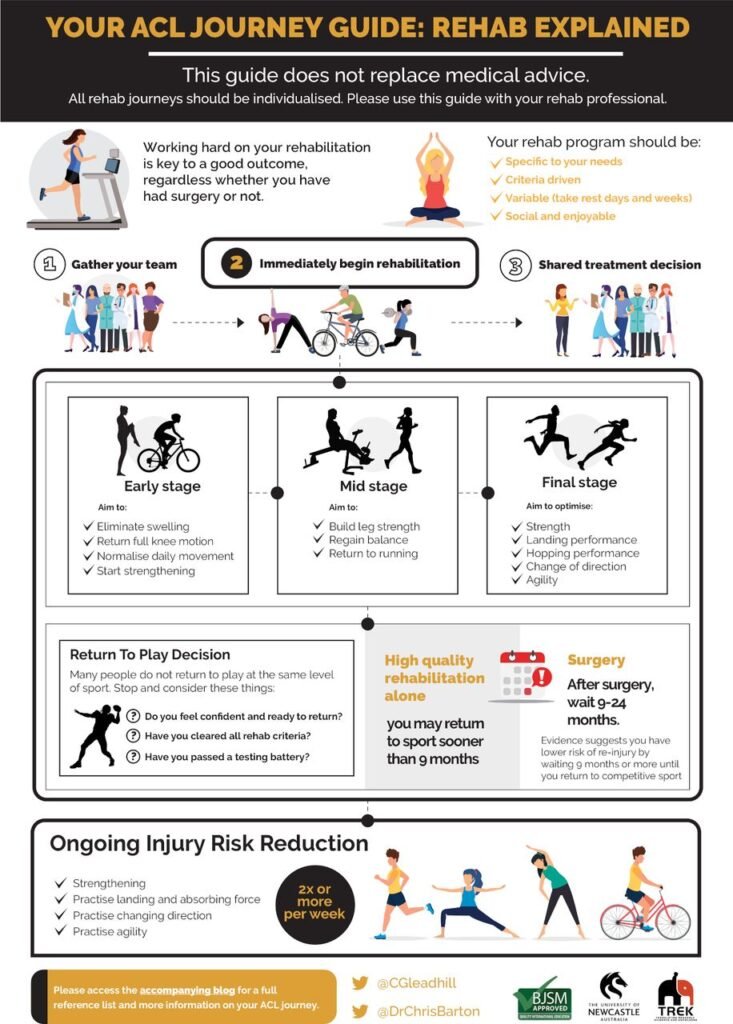
As you continue your rehabilitation journey, your physical therapist will progressively challenge you with more advanced exercises and activities. The key is to progress gradually, ensuring your knee is ready for each new level of intensity. Pushing too hard or too quickly can increase the risk of reinjury. Trust the guidance of your physical therapist and communicate any pain or discomfort during the progression.
Rest and Recovery
Giving the Body Adequate Rest
Rest is a critical component of the recovery process. While it’s important to engage in regular exercise and physical therapy, it’s equally crucial to allow your body enough time to rest and recover. Listen to your body’s cues and avoid overexertion. Adequate rest helps reduce fatigue and gives your tissues time to heal and strengthen, ultimately contributing to a successful recovery.
Implementing Recovery Techniques
In addition to rest, incorporating recovery techniques into your routine can enhance the healing process. Techniques such as foam rolling, stretching, and utilizing heat or cold therapy can aid in reducing muscle soreness and improving circulation. Discuss with your physical therapist or trainer about the appropriate recovery techniques for your specific needs.
Listening to Your Body’s Signals
Throughout the recovery process, it’s essential to listen to your body’s signals and take appropriate action as needed. Pay attention to any discomfort, pain, or swelling you may experience. If something feels off or unusual, consult with your medical team promptly. Your body’s feedback is valuable in ensuring a safe and successful recovery from your ACL injury.
Nutrition and Hydration
Eating a Well-Balanced Diet
Nutrition plays a crucial role in overall recovery, providing your body with the necessary nutrients for tissue repair and rebuilding. Aim for a well-balanced diet that includes a variety of fruits, vegetables, lean proteins, whole grains, and healthy fats. Consider consulting with a registered dietitian to optimize your nutritional intake during the recovery period.
Getting Sufficient Protein for Tissue Repair
Protein is particularly important for tissue repair, making it an essential component of your recovery diet. Include lean sources of protein such as poultry, fish, tofu, beans, and dairy products in your meals and snacks. Aiming for an adequate amount of protein throughout the day can support the healing process and aid in rebuilding damaged tissues.
Staying Hydrated for Optimal Healing
Proper hydration is often overlooked but is essential for optimal healing. Water is crucial for maintaining overall bodily functions, including the circulation of nutrients and removal of waste products. Make a conscious effort to drink enough water throughout the day, aiming for at least eight glasses. Avoid excessive caffeine and alcohol consumption, as these can contribute to dehydration.
Mental Health Support
Coping with Emotional Challenges
Recovering from an ACL injury can be emotionally challenging. It’s normal to experience feelings of frustration, sadness, or anxiety during the healing process. Engage in activities that bring you joy and help distract from negative emotions. Lean on your support system, whether it’s family, friends, or a mental health professional, to provide the necessary emotional support.
Seeking Professional Counseling
If the emotional challenges become overwhelming, seeking professional counseling can be immensely beneficial. A mental health professional can help you navigate through the emotional roller coaster of recovery, providing coping strategies and support tailored to your individual needs. Don’t hesitate to reach out and get the help you need to maintain a positive mindset throughout your recovery journey.
Joining Support Groups
Connecting with others who have gone through or are going through a similar recovery journey can provide a sense of camaraderie and support. Consider joining support groups, either in person or online, where you can share experiences, ask questions, and obtain valuable advice from those who have firsthand knowledge of the challenges and triumphs of ACL recovery.
Returning to Physical Activity
Gradual Return to Sports and Exercise
Returning to sports and exercise after an ACL injury requires a gradual and phased approach. Rushing back too soon can increase the risk of reinjury. Work closely with your physical therapist and trainer to create a personalized plan that gradually reintroduces your preferred activities while ensuring proper technique, strength, and stability.
Working with a Physical Therapist
Having the guidance of a physical therapist throughout your return to physical activity is invaluable. They will assess your progress and modify your exercise program according to your individual needs. Your therapist will ensure that your knee is ready for the demands of your chosen activities, gradually increasing the intensity while closely monitoring your form and function.
Monitoring Progress and Adjusting
Returning to physical activity requires ongoing monitoring of your progress and making necessary adjustments along the way. Regularly assess your knee’s stability, flexibility, and strength. Listen to your body’s feedback and take note of any discomfort or pain. Communicate with your medical team and adjust your activity level as needed to promote a safe and successful transition back to your desired sports and exercise routine.
By following these comprehensive steps and working closely with your medical team, you will be well-equipped to achieve a successful recovery from your ACL injury. Remember to be patient with yourself, celebrate even the smallest victories, and stay committed to the process. With determination and perseverance, you will regain strength, mobility, and confidence in returning to an active, fulfilling lifestyle.