
If you or someone you know is living with diabetes or wants to prevent it, this article is for you! Packed with practical tips and expert advice, we will explore effective strategies to help you manage and control diabetes. From making healthy food choices to incorporating physical activity into your daily routine, these simple yet powerful tips will empower you to take control of your health and prevent diabetes from dictating your life. Let’s get started on this journey towards a healthier and happier you!
Understanding Diabetes
Types of Diabetes
Diabetes is a chronic condition that affects the way your body processes blood sugar, or glucose. There are three main types of diabetes: type 1, type 2, and gestational diabetes.
Type 1 diabetes is an autoimmune condition where the body’s immune system mistakenly attacks and destroys the insulin-producing cells in the pancreas. This type of diabetes usually develops in childhood or adolescence, and people with type 1 diabetes require insulin injections to manage their blood sugar levels.
Type 2 diabetes is the most common type and occurs when your body becomes resistant to the effects of insulin, or when the pancreas does not produce enough insulin. This type of diabetes is often related to lifestyle factors such as diet and physical activity, and can usually be managed with healthy lifestyle changes, oral medications, or insulin therapy.
Gestational diabetes occurs during pregnancy and usually resolves after the baby is born. However, women who have had gestational diabetes are at a higher risk of developing type 2 diabetes later in life.
Causes of Diabetes
The exact cause of diabetes is not fully understood, but there are several factors that can contribute to its development. In type 1 diabetes, it is believed that genetic and environmental factors play a role in triggering the autoimmune response that destroys the insulin-producing cells.
Type 2 diabetes is strongly influenced by lifestyle factors such as poor diet, lack of physical activity, and obesity. Being overweight or obese increases your risk of developing type 2 diabetes because excess body fat can make your body more resistant to insulin.
Other risk factors for type 2 diabetes include family history of diabetes, ethnicity (African Americans, Hispanics, Native Americans, and Asians have a higher risk), age (risk increases with age), and certain medical conditions such as polycystic ovary syndrome (PCOS) and prediabetes.
Risk Factors for Diabetes
Knowing the risk factors for diabetes can help you take proactive steps to prevent its onset or manage it effectively if you already have the condition. Some of the common risk factors for type 2 diabetes include:
- Family history of diabetes: If a close family member has diabetes, your risk of developing the condition increases.
- Excess weight or obesity: Carrying excess weight, especially around the abdomen, makes it harder for your body to use insulin effectively.
- Sedentary lifestyle: Lack of physical activity and prolonged sitting can increase your risk of developing type 2 diabetes.
- Unhealthy diet: Consuming a diet high in processed foods, sugary drinks, and unhealthy fats can contribute to the development of type 2 diabetes.
- Age: The risk of type 2 diabetes increases with age, especially after the age of 45.
- Ethnicity: Certain ethnic groups, such as African Americans, Hispanics, Native Americans, and Asians, are at a higher risk of developing diabetes.
By understanding these risk factors, you can make informed choices to reduce your risk and lead a healthier lifestyle.
Diagnosing Diabetes
Symptoms of Diabetes
Recognizing the symptoms of diabetes is crucial for early detection and timely intervention. Common symptoms of diabetes include:
- Increased thirst and frequent urination
- Extreme hunger
- Unexplained weight loss
- Fatigue and irritability
- Blurred vision
- Slow healing of wounds
- Frequent infections, such as urinary tract infections
If you experience any of these symptoms, it is important to consult a healthcare professional for further evaluation and testing.
Diagnostic Tests for Diabetes
To diagnose diabetes, healthcare professionals may perform various tests. The most common tests include:
- Fasting plasma glucose (FPG) test: This test measures your blood sugar levels after fasting for at least 8 hours. A result of 126 mg/dL (7.0 mmol/L) or higher indicates diabetes.
- Oral glucose tolerance test (OGTT): This test measures your blood sugar levels 2 hours after drinking a sugary liquid. A result of 200 mg/dL (11.1 mmol/L) or higher indicates diabetes.
- Hemoglobin A1c (HbA1c) test: This test provides an average of your blood sugar levels over the past 2-3 months. An HbA1c level of 6.5% or higher is indicative of diabetes.
It is important to note that these tests may need to be repeated on a separate occasion for confirmation of the diagnosis.
Pre-Diabetes
Pre-diabetes is a condition in which blood sugar levels are higher than normal, but not yet high enough to be diagnosed as diabetes. It is a warning sign that you are at risk of developing type 2 diabetes in the future.
If you have pre-diabetes, it is essential to take proactive steps to prevent or delay the development of type 2 diabetes. This can be achieved through lifestyle changes such as adopting a healthy diet, increasing physical activity, and maintaining a healthy weight.

Managing Diabetes through Lifestyle Changes
Importance of a Balanced Diet
A balanced diet is essential for managing diabetes and maintaining overall health. It is important to focus on consuming a variety of nutrient-rich foods in appropriate portions. Key principles of a balanced diet for diabetes management include:
- Carbohydrate counting: Monitoring your carbohydrate intake and spreading it evenly throughout the day can help control blood sugar levels.
- High fiber foods: Including fiber-rich foods such as whole grains, fruits, vegetables, and legumes can help regulate blood sugar levels and improve digestion.
- Healthy fats: Choose sources of healthy fats, such as avocados, nuts, seeds, and olive oil, instead of saturated and trans fats.
- Lean proteins: Incorporate lean sources of protein, such as poultry, fish, legumes, and tofu, into your meals.
Working with a registered dietitian or diabetes educator can help you create a personalized meal plan that suits your specific needs and preferences.
Regular Physical Activity
Physical activity plays a crucial role in diabetes management by helping to control blood sugar levels, improving insulin sensitivity, and supporting weight management. Aim for at least 150 minutes of moderate-intensity aerobic activity, such as brisk walking or cycling, per week.
In addition to aerobic exercise, strength training and flexibility exercises are also beneficial. These activities can help build muscle, increase metabolism, and improve overall physical well-being. It is important to choose activities that you enjoy and make them a regular part of your daily routine.
Weight Management
Maintaining a healthy weight is important for diabetes management. If you are overweight or obese, losing a modest amount of weight can significantly improve your blood sugar control and reduce your risk of complications.
To achieve and maintain a healthy weight, it is important to focus on a combination of healthy eating and regular physical activity. Working with a healthcare professional, such as a registered dietitian or a fitness trainer, can provide guidance and support throughout your weight management journey.
Medications and Insulin
Oral Medications for Diabetes
For people with type 2 diabetes, oral medications can be prescribed to help lower blood sugar levels and improve insulin sensitivity. Some common classes of oral medications include:
- Metformin: This medication lowers blood sugar levels by reducing the amount of glucose produced by the liver and increasing insulin sensitivity.
- Sulfonylureas: These medications stimulate the pancreas to produce more insulin.
- DPP-4 inhibitors: These medications help control blood sugar levels by inhibiting an enzyme that breaks down incretin hormones responsible for insulin production.
It is important to follow the prescribed medication regimen and communicate any concerns or side effects with your healthcare provider.
Insulin Therapy
Insulin therapy is essential for individuals with type 1 diabetes and may also be required for some individuals with type 2 diabetes. Insulin is typically injected using a syringe, pen, or an insulin pump.
The dosage and timing of insulin injections are determined by your healthcare provider based on your blood sugar levels, lifestyle factors, and individual needs. Regular monitoring of blood sugar levels is crucial when using insulin therapy to ensure proper dosage adjustments.
Injectable Medications
In addition to insulin therapy, injectable medications called glucagon-like peptide 1 receptor agonists (GLP-1 RAs) and sodium-glucose cotransporter-2 inhibitors (SGLT2 inhibitors) are prescribed to manage blood sugar levels in certain individuals with type 2 diabetes.
GLP-1 RAs help lower blood sugar levels by increasing insulin secretion and reducing appetite, while SGLT2 inhibitors lower blood sugar levels by causing the kidneys to excrete excess glucose. These medications are typically self-administered via a pen device and can be a valuable addition to the treatment plan for individuals who need additional blood sugar control.

Monitoring Blood Sugar Levels
Self-Monitoring of Blood Glucose
Regular self-monitoring of blood glucose is crucial for diabetes management. By checking your blood sugar levels using a blood glucose monitor, you can track how food choices, physical activity, medications, and other factors affect your blood sugar levels throughout the day.
It is important to work with your healthcare provider to determine the target range for your blood sugar levels and to establish a monitoring schedule that best suits your needs.
Continuous Glucose Monitoring
Continuous glucose monitoring (CGM) systems provide real-time information about your blood sugar levels by using a tiny sensor inserted under the skin. This sensor measures glucose levels in the interstitial fluid and transmits the data to a receiver or a smartphone app.
CGM systems can provide valuable insights into blood sugar patterns and trends, helping you make informed decisions about medication adjustments, diet modifications, and physical activity.
Target Blood Sugar Levels
The target blood sugar levels may vary depending on individual factors such as age, overall health, and presence of other medical conditions. Generally, the American Diabetes Association recommends the following target ranges:
- Fasting blood sugar: 80-130 mg/dL (4.4-7.2 mmol/L)
- Pre-meal blood sugar: 80-130 mg/dL (4.4-7.2 mmol/L)
- Post-meal blood sugar: <180 mg />L (<10.0 mmol />)
Working closely with your healthcare provider will help identify the specific target ranges that are appropriate for you.
Prevention Strategies for Diabetes
Maintaining a Healthy Weight
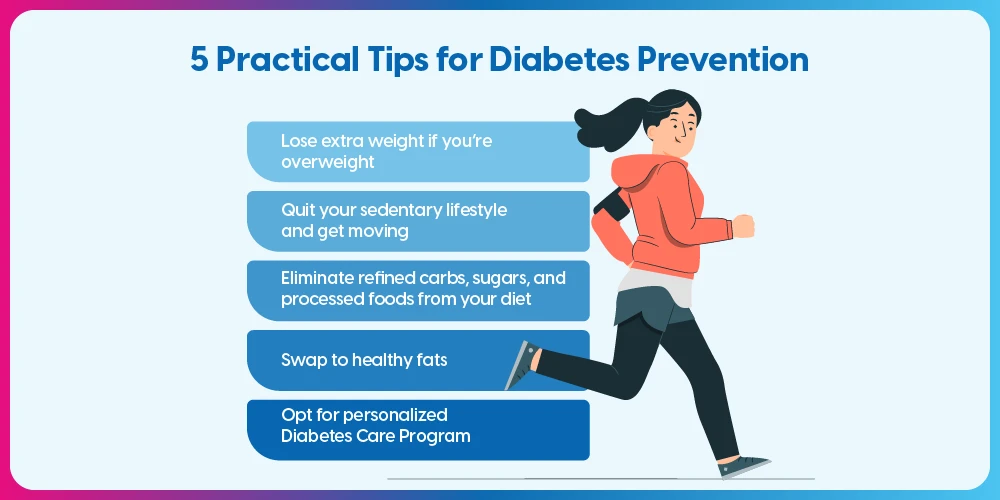
Maintaining a healthy weight is one of the most effective ways to prevent or delay the onset of type 2 diabetes. By adopting a balanced diet and engaging in regular physical activity, you can achieve and maintain a healthy weight.
Focus on consuming nutrient-dense foods, controlling portion sizes, and reducing calorie intake from sugary beverages and high-fat foods. Incorporating small changes into your lifestyle, such as taking the stairs instead of the elevator or going for a walk during lunch breaks, can make a significant difference in preventing diabetes.
Healthy Eating Habits
Adopting healthy eating habits can go a long way in preventing diabetes. Aim for a balanced diet that includes a variety of colorful fruits and vegetables, whole grains, lean proteins, and healthy fats.
It is important to limit the consumption of processed foods, sugary snacks, and beverages high in added sugars. Making mindful food choices and opting for homemade meals instead of fast food or takeout can help you maintain steady blood sugar levels and support overall health.
Regular Exercise
Engaging in regular exercise is key to preventing diabetes. Physical activity helps improve insulin sensitivity, maintain a healthy weight, and reduce the risk of cardiovascular complications associated with diabetes.
Choose activities that you enjoy and make them a part of your routine. Aim for at least 150 minutes of moderate-intensity aerobic activity, such as brisk walking, cycling, or swimming, per week. Additionally, include strength training exercises two or more days a week to build muscle and increase metabolism.

Importance of Blood Pressure and Cholesterol Control
Connection Between Diabetes, Blood Pressure, and Cholesterol
Individuals with diabetes are at an increased risk of developing high blood pressure (hypertension) and high cholesterol levels. The combination of these conditions can significantly increase the risk of heart disease, stroke, and other complications.
High blood pressure and high cholesterol impact blood vessel health and can further accelerate the progression of diabetes-related complications. It is therefore crucial to manage blood pressure and cholesterol levels effectively in individuals with diabetes.
Lifestyle Modifications for Optimal Blood Pressure and Cholesterol Levels
Maintaining a healthy lifestyle can help manage blood pressure and cholesterol levels. Some lifestyle modifications that can be beneficial include:
- Following a heart-healthy diet: Emphasize fruits, vegetables, whole grains, lean proteins, and healthy fats while limiting sodium, saturated fats, and trans fats.
- Regular exercise: Engage in aerobic and strength training exercises to improve cardiovascular health.
- Limit alcohol consumption: Excessive alcohol intake can increase blood pressure and triglyceride levels.
- Quit smoking: Smoking damages blood vessels, further increasing the risk of cardiovascular complications.
Implementing these lifestyle modifications can significantly improve your overall health and reduce the risk of complications associated with diabetes.
Frequent Monitoring and Medication Usage
Regular monitoring of blood pressure and cholesterol levels is crucial for individuals with diabetes. Monitoring can be done at home with a blood pressure monitor and regular blood tests to assess cholesterol levels.
In some cases, medication may be necessary to manage blood pressure and cholesterol levels effectively. Depending on individual factors, healthcare providers may prescribe medications such as angiotensin-converting enzyme (ACE) inhibitors, angiotensin II receptor blockers (ARBs), statins, or other cholesterol-lowering medications.
Managing Stress and Mental Health
Impact of Stress on Diabetes
Stress can have a significant impact on blood sugar levels and diabetes management. When you are stressed, your body releases stress hormones that can cause blood sugar levels to rise. Additionally, stress can lead to unhealthy coping behaviors such as emotional eating, lack of physical activity, and poor sleep, all of which can negatively affect diabetes management.
Stress Management Techniques
Managing stress is essential for diabetes management. Incorporating stress reduction techniques into your daily routine can help improve blood sugar control and overall well-being. Some effective stress management techniques include:
- Regular physical activity: Engaging in physical activities you enjoy can help reduce stress and improve your mood.
- Relaxation techniques: Practices such as deep breathing exercises, meditation, and yoga can promote relaxation and reduce stress.
- Social support: Talking to a trusted friend or family member about your feelings can help alleviate stress.
- Time management: Prioritize tasks, delegate when necessary, and make time for activities that bring you joy.
Finding what works best for you in managing stress will help you maintain better control of your diabetes.
Importance of Emotional Well-being
Taking care of your emotional well-being is just as important as managing your physical health. Diabetes can be a challenging condition to live with, and it is normal to experience a range of emotions. Be kind to yourself and seek support from loved ones, support groups, or mental health professionals if needed.
Openly discussing your feelings and concerns with your healthcare team can help them provide appropriate guidance and support. Remember, you are not alone, and there are resources available to help you navigate the emotional aspects of living with diabetes.

Regular Medical Check-ups
Importance of Regular Check-ups
Regular medical check-ups are essential for individuals with diabetes to monitor their health, detect any potential complications, and make necessary adjustments to their treatment plan. These check-ups allow healthcare providers to assess blood sugar control, blood pressure, cholesterol levels, and overall well-being.
During check-ups, healthcare providers may also perform additional tests to monitor kidney function, eye health, and nerve function. These tests are important for early detection of diabetes-related complications and timely intervention.
Monitoring Complications and Risk Factors
One of the primary goals of regular check-ups is to monitor for the development of complications associated with diabetes. Early detection and management of complications can help prevent further progression and preserve overall health.
Additionally, regular check-ups allow healthcare providers to assess and address other risk factors that could affect diabetes management, such as smoking, poor diet, and lack of physical activity.
Collaboration with Healthcare Providers
Collaboration with your healthcare provider is key to effectively managing diabetes. Regular check-ups provide an opportunity to discuss any concerns or challenges you may be facing in managing your diabetes. Working together with your healthcare provider will help ensure that your treatment plan is personalized, effective, and aligned with your goals.
Be open and honest about your lifestyle, medication adherence, and any changes or difficulties you may be experiencing. Active communication and collaboration will support better management of diabetes and overall well-being.
Support System and Diabetes Education
Role of Support System
Building a strong support system is crucial for individuals living with diabetes. Your support system can include family, friends, healthcare professionals, and support groups.
A support system can provide encouragement, motivation, and assistance in managing diabetes on a daily basis. They can also offer emotional support and be there to celebrate your successes and help you through challenges.
Diabetes Education Programs
Diabetes education programs are a valuable resource for individuals with diabetes. These programs provide essential information and guidance on managing diabetes, making lifestyle changes, understanding medication regimens, and preventing complications.
Education programs may include group sessions, individual counseling, and hands-on training for self-monitoring of blood glucose levels, injection techniques, and other diabetes management skills. Participating in these programs can empower individuals with the knowledge and skills necessary for effective diabetes management.
Online Resources and Peer Support Groups
Online resources and peer support groups can provide additional support and educational materials for individuals with diabetes. The internet offers a wealth of information on diabetes management, healthy recipes, exercise tips, and tools for tracking blood sugar levels.
Peer support groups, both in-person and online, provide a platform for individuals living with diabetes to connect, share experiences, learn from one another, and find solace in a community of individuals facing similar challenges.
Utilizing both online resources and peer support groups can complement the support received from healthcare professionals and strengthen your diabetes management journey.
In summary, understanding diabetes is essential for effective management and prevention. By familiarizing yourself with the different types of diabetes, the causes and risk factors, as well as the symptoms and diagnostic tests, you can take proactive steps towards early detection and appropriate treatment.
Managing diabetes through lifestyle changes, such as adopting a balanced diet, engaging in regular physical activity, and maintaining a healthy weight, plays a critical role in blood sugar control and overall well-being.
Medications, insulin therapy, and regular monitoring of blood sugar levels are additional tools that can aid in diabetes management. By closely monitoring blood pressure, cholesterol levels, and taking steps to manage stress and maintain emotional well-being, individuals with diabetes can mitigate the risk of complications and lead a fulfilling life.
Regular medical check-ups, collaboration with healthcare providers, and the support of a strong support system and diabetes education programs are essential for long-term success in managing diabetes.
Remember, you are not alone on this journey, and there are numerous resources available to provide guidance, support, and encouragement throughout your diabetes management and prevention efforts.