In this article, you will discover effective strategies for treating febrile seizures, a common occurrence among children. Febrile seizures, which are convulsions triggered by a rapid rise in body temperature, can be frightening for both the child experiencing them and their parents or caregivers. By understanding the causes, symptoms, and appropriate actions to take during a febrile seizure, you can feel more confident in providing the necessary care and support when it is most needed. Let’s explore the best ways to approach and treat febrile seizures, ensuring the wellbeing of your little one.
Treating Febrile Seizures
Definition and Overview
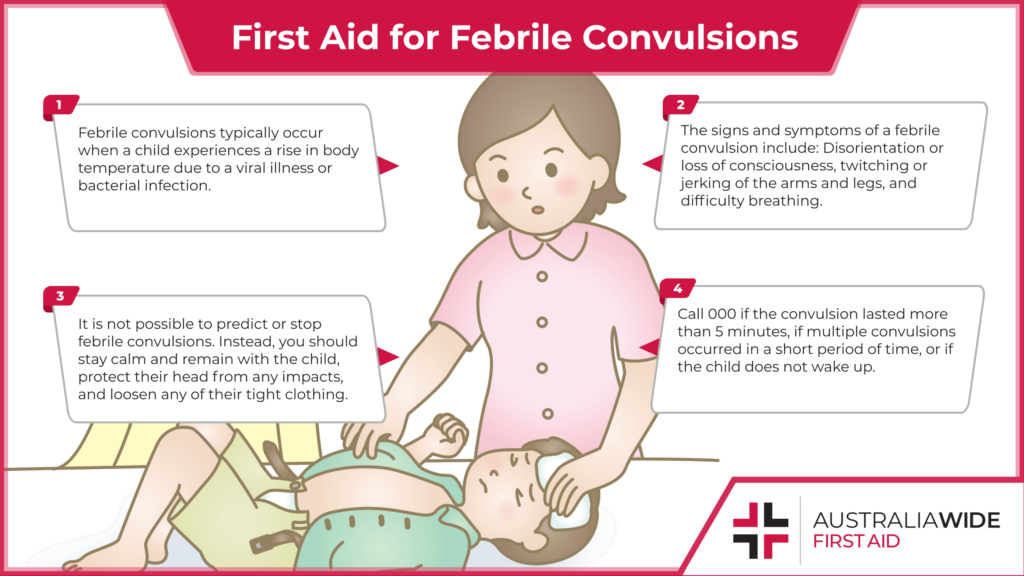
Febrile seizures are a type of seizures that occur in children when they have a high fever, usually between the ages of six months and five years. These seizures can be a frightening experience for parents and caregivers, but it’s important to know that they are usually harmless and do not cause any long-term effects. Understanding how to treat febrile seizures can help provide comfort and support to a child experiencing one.
Identifying Febrile Seizures
Febrile seizures can be identified by specific symptoms that occur during a fever. These symptoms include a sudden loss of consciousness, convulsions or jerking movements of the body, and sometimes even temporary changes in breathing patterns. It’s crucial to remember that febrile seizures are a result of the fever and not the underlying cause of the fever itself. Therefore, it’s important to monitor and address the fever as well as the seizure.

When to Seek Medical Help
While febrile seizures are typically harmless, there are certain instances when it’s essential to seek medical help immediately. If a seizure lasts longer than five minutes, if it occurs repeatedly within a 24-hour period, or if the child shows signs of breathing difficulties, it’s crucial to call for emergency medical assistance. Additionally, if the child appears to be in pain, has a stiff neck, or experiences neck or back stiffness, seeking immediate medical attention is necessary.
First Aid Measures
During a febrile seizure, there are a few first aid measures that can be taken to ensure the safety and well-being of the child. It’s recommended to stay calm and carefully lay the child on their side to prevent choking on vomit or other fluids. Clear the area around the child to prevent injury, and do not restrain or attempt to stop the seizure movements. It’s important to note the duration of the seizure to share with medical professionals, as well as any other observations or symptoms.
Medical Evaluation
After a febrile seizure, it’s important to seek medical evaluation to determine the underlying cause of the fever and rule out any other serious conditions. The healthcare provider will conduct a thorough physical examination and may also order additional tests such as blood work or a lumbar puncture. The goal of the evaluation is to identify the cause of the fever and provide appropriate treatment, as well as to assess any potential risk factors for recurring seizures.
Treatment Options
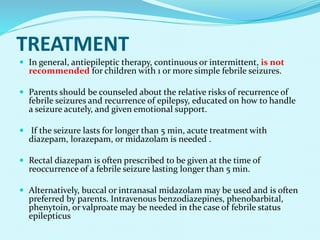
Treating febrile seizures typically involves managing the underlying fever and providing comfort to the child. The specific treatment options may vary depending on the child’s age and the severity of the seizure. It’s important to consult with a healthcare professional to determine the best course of action for each individual case.

Antipyretic Medications
Antipyretic medications, such as acetaminophen or ibuprofen, can help reduce fever and alleviate any discomfort associated with it. These medications can be administered as directed by a healthcare professional, following the appropriate dosage guidelines based on the child’s age and weight. It’s important to remember that fever-reducing medications should only be used to manage the fever itself and not to prevent or treat the febrile seizure.
Fever Management
In addition to antipyretic medications, there are other fever management techniques that can be used to provide comfort to the child. Dressing the child in light and breathable clothing can help prevent overheating, and keeping the room temperature at a comfortable level is essential. Hydration is also important, as fevers can cause increased fluid loss through sweating. Encouraging the child to drink plenty of fluids, such as water or electrolyte solutions, can help prevent dehydration.

Other Medications
In certain cases, healthcare professionals may prescribe additional medications to manage febrile seizures. These medications are typically reserved for children who have a higher risk of recurring seizures. Examples of these medications may include diazepam or midazolam, which are benzodiazepines that work to calm the brain and prevent seizure activity. These medications should only be used under the guidance and supervision of a healthcare professional.
Preventing Recurrence
While most febrile seizures are a one-time occurrence and do not recur, there are some preventive measures that can be taken to reduce the risk of future seizures. It’s important to focus on minimizing fever episodes by preventing and managing fevers. This can be done by following regular immunization schedules, practicing good hygiene to prevent infections, and taking appropriate measures to reduce fever when necessary. Caregivers should be vigilant and responsive to any signs of illness or fever in the child to address them promptly.
Educating Parents and Caregivers
Lastly, educating parents and caregivers about febrile seizures is essential to ensure their preparedness and peace of mind. Providing information on the definition, symptoms, first aid measures, and when to seek medical help can help alleviate anxiety and empower parents and caregivers to respond appropriately during an episode. It’s also important to emphasize the benign nature of febrile seizures and the positive prognosis associated with them, to reassure parents and caregivers that their child will generally not experience long-term effects from these seizures.
In conclusion, treating febrile seizures involves a combination of managing the fever, providing comfort to the child, seeking appropriate medical evaluation, and taking preventive measures. By understanding the nature of febrile seizures and following the guidance of healthcare professionals, parents and caregivers can confidently navigate this common childhood condition and support their child’s well-being. Remember, febrile seizures may be frightening, but they are usually harmless and do not typically lead to long-term complications.