Hey there! Are you familiar with Functional Neurological Disorder, or FND? If not, no worries, because in this article, we’ll explore how to effectively treat this condition. FND is a condition that affects the nervous system, causing a range of symptoms such as tremors, weakness, and paralysis, without any identifiable structural or neurological damage. It can have a significant impact on a person’s daily life, but the good news is that there are various treatment approaches available to manage and alleviate these symptoms. So let’s dive into this fascinating topic and learn more about how to tackle Functional Neurological Disorder!
Introduction
Welcome to this comprehensive article on Functional Neurological Disorder (FND). In this article, we will explore what FND is, its causes, symptoms, and various treatment options available. We understand that dealing with FND can be challenging, but rest assured, there are supportive therapies and approaches that can help improve your quality of life. So, let’s dive in!
Understanding Functional Neurological Disorder (FND)
Definition of Functional Neurological Disorder
Functional Neurological Disorder, also known as FND, is a condition in which individuals experience neurological symptoms that cannot be fully explained by underlying structural or neurological abnormalities. These symptoms are believed to be related to how the brain functions, rather than any physical damage or disease.
Causes of FND
The exact causes of FND are yet to be fully understood. However, it is believed that a combination of psychological factors, genetic predisposition, and previous traumatic events or stressful life experiences may contribute to the development of FND. Research also suggests that disruptions in the brain-body communication pathways may play a role.
Symptoms of FND
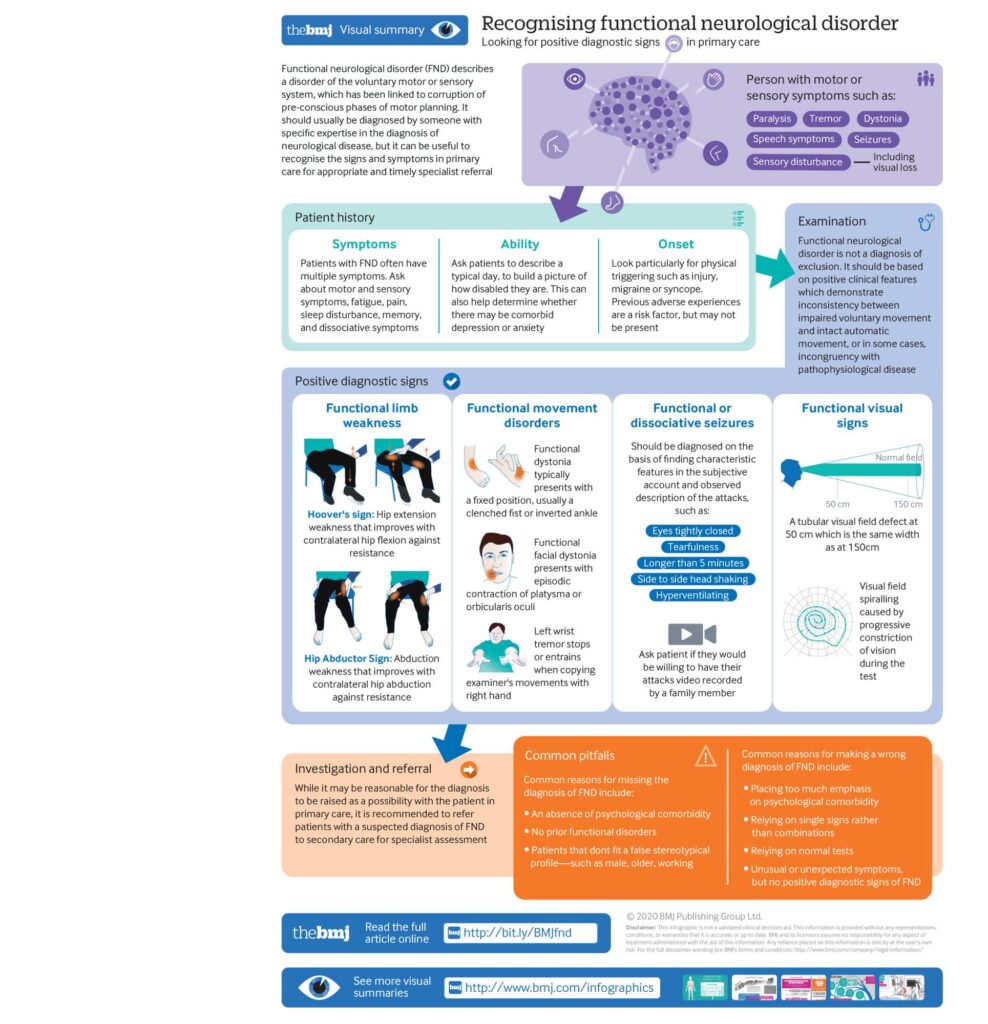
FND can manifest in a wide range of symptoms affecting various parts of the body. These may include but are not limited to: muscle weakness or paralysis, tremors or uncontrollable movements, sensory disturbances, vision problems, non-epileptic seizures, speech difficulties, and difficulties with coordination and balance. It is important to note that the symptoms experienced by individuals with FND can vary greatly.

Diagnosing Functional Neurological Disorder
Medical History Evaluation
To diagnose FND, your healthcare provider will start by taking a detailed medical history. This will involve discussing your symptoms, any potential triggers or stressors, and any previous medical or psychiatric conditions. It is crucial to provide accurate and detailed information to help guide the diagnostic process.
Diagnostic Tests
While there is no specific test to definitively diagnose FND, your healthcare provider may recommend a variety of tests to rule out other possible causes of your symptoms. These tests may include blood tests, imaging studies such as MRI or CT scans, and electrical tests such as electroencephalograms (EEG) or electromyograms (EMG). These tests are important for ruling out other potential neurological conditions.
Differential Diagnosis
Differential diagnosis is the process of distinguishing one disease or condition from others that present similar symptoms. FND can sometimes resemble other neurological disorders such as multiple sclerosis or epilepsy. Through a comprehensive evaluation of your symptoms and test results, your healthcare provider will work to rule out other potential causes and arrive at an accurate diagnosis of FND.
Treatment Options for Functional Neurological Disorder
Multidisciplinary Approach
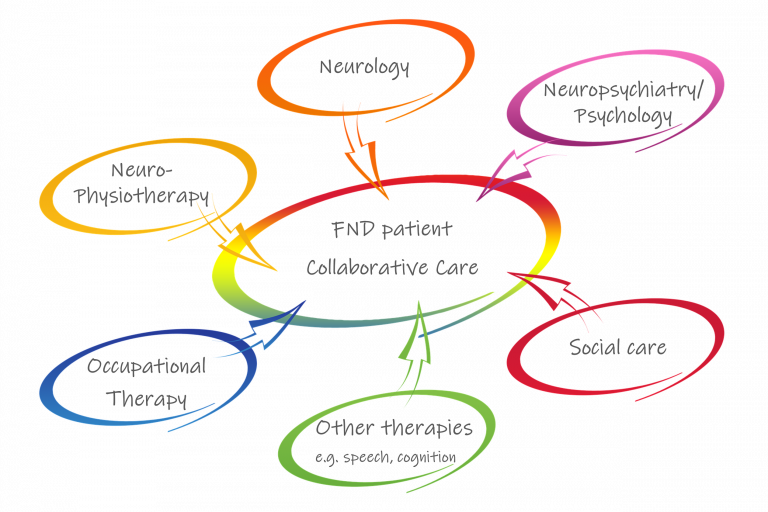
The treatment of FND typically involves a multidisciplinary approach, meaning that a team of healthcare professionals specializing in different areas will work together to develop a comprehensive treatment plan tailored to your specific needs. This team may include neurologists, psychiatrists, psychologists, physical therapists, occupational therapists, and speech and language therapists.
Psychotherapy
Psychotherapy, particularly cognitive-behavioral therapy (CBT), can be extremely beneficial for individuals with FND. CBT aims to identify and change negative thought patterns and behaviors that may contribute to the development or maintenance of symptoms. It can help you develop coping mechanisms, improve emotional well-being, and reduce stress, which may directly impact your symptoms.
Physical Therapy
Physical therapy plays a crucial role in the treatment of FND. A skilled physical therapist can help you restore your physical function and improve your mobility. They may employ a variety of techniques such as stretching exercises, strength training, balance training, and gait training. Physical therapy can help you regain control over your body and improve your overall quality of life.

Medications for Functional Neurological Disorder
Antidepressants
Antidepressant medications, such as selective serotonin reuptake inhibitors (SSRIs) or tricyclic antidepressants, may be prescribed to individuals with FND. These medications can help manage associated anxiety or depression that often coexist with FND. By addressing these underlying emotional factors, antidepressants may indirectly alleviate FND symptoms.
Anti-anxiety Medications
In some cases, anti-anxiety medications, such as benzodiazepines, may be prescribed to manage anxiety and stress-related symptoms associated with FND. These medications can help reduce muscle tension and promote relaxation, which may in turn provide symptomatic relief for individuals with FND. It is important to discuss the potential benefits and side effects with your healthcare provider.
Antipsychotics
In certain situations, antipsychotic medications may be utilized to manage specific symptoms associated with FND, such as tremors or hallucinations. These medications work by affecting certain brain chemicals and can help reduce the severity of these symptoms. As with any medication, careful monitoring and discussions with your healthcare provider are important.
Other Medications
Depending on your specific symptoms and their impact on your daily life, your healthcare provider may prescribe other medications to target and manage your symptoms. These may include muscle relaxants, pain relievers, or medications aimed at reducing specific symptoms like seizures. It is crucial to work closely with your healthcare provider to find the most appropriate medication regimen for your needs.
Complementary and Alternative Therapies
Acupuncture
Acupuncture, an ancient Chinese healing practice, involves the insertion of fine needles into specific points on the body. Some individuals with FND have found acupuncture to be helpful in managing their symptoms, such as pain or muscle tension. While the exact mechanisms of how acupuncture works are still being researched, it is considered a safe and non-invasive therapy worth exploring.
Biofeedback
Biofeedback techniques aim to help individuals gain control over their bodily functions that are typically considered unconscious. Through specialized equipment, biofeedback therapists monitor and provide feedback on various physiological processes, such as heart rate, muscle tension, or skin temperature. This can assist individuals with FND in learning to regulate their body’s responses and potentially reduce certain symptoms.
Hypnosis
Hypnosis involves guided relaxation and focused attention, allowing individuals to enter a heightened state of awareness. Some individuals with FND have reported positive results when using hypnosis as an adjunctive therapy. By tapping into the power of the mind, hypnosis may help individuals gain better control over their symptoms and find relief.
Massage Therapy
Massage therapy can be a beneficial complementary therapy for individuals with FND. Skilled massage therapists can use techniques to alleviate muscle tension, reduce pain, and promote relaxation. Regular massage sessions can not only physically assist with symptom management but also provide a sense of comfort and emotional well-being.
Yoga and Meditation
Yoga and meditation practices can be helpful in managing stress and promoting overall well-being for individuals with FND. These mind-body practices focus on breathing techniques, gentle movements, and mindfulness, helping individuals cultivate a sense of calmness and improve their overall resilience. Incorporating these practices into your daily routine may aid in symptom management.
Dietary Supplements
While there is limited research specifically on dietary supplements for FND, ensuring a well-balanced diet rich in essential nutrients is important for overall health and well-being. In consultation with a healthcare professional, certain supplements such as omega-3 fatty acids, vitamin B12, or magnesium may be recommended based on individual needs.
Cognitive-Behavioral Therapy for FND
Overview of Cognitive-Behavioral Therapy
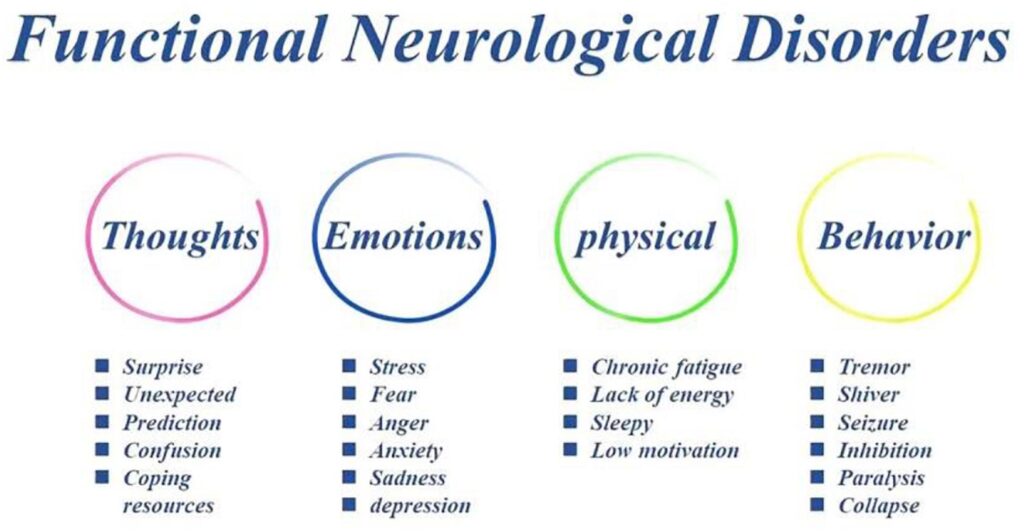
Cognitive-Behavioral Therapy (CBT) is a psychotherapeutic approach that focuses on identifying and modifying unhelpful thought patterns and behaviors. In the context of FND, CBT helps individuals understand the relationship between their thoughts, emotions, and symptoms. By challenging negative beliefs and implementing new coping strategies, individuals can learn to better manage their symptoms and improve their overall well-being.
CBT Techniques for FND
CBT for FND typically involves various techniques such as cognitive restructuring, relaxation training, and behavioral activation. Cognitive restructuring aims to challenge and replace negative thoughts or beliefs with more positive and realistic ones. Relaxation training helps individuals learn techniques to reduce stress levels and manage symptoms more effectively. Behavioral activation involves engaging in pleasurable and meaningful activities to improve mood and overall functioning.
Benefits of CBT for FND Patients
CBT has been shown to be effective in reducing symptom severity, improving functioning, and enhancing overall quality of life for individuals with FND. By helping individuals gain a better understanding of their symptoms and providing them with practical tools to manage them, CBT can be a valuable therapeutic approach in the treatment of FND.
Physical Therapy and Rehabilitation
The Role of Physical Therapy
Physical therapy and rehabilitation play a vital role in improving functional abilities and enhancing overall independence for individuals with FND. A skilled physical therapist will evaluate your specific needs and create a personalized treatment plan. Their focus may include gait training, posture and balance exercises, strengthening exercises, and mobility training. Through regular sessions, physical therapy can help you regain control over your movements and improve your quality of life.
Specific Techniques and Exercises
Physical therapists use various techniques and exercises to address specific symptoms associated with FND. These may include range-of-motion exercises to improve joint mobility, coordination exercises to enhance balance and control, and functional training to help you perform daily activities more effectively. Your physical therapist will work closely with you to ensure that the exercises and techniques are suited to your unique needs.
Improving Function and Quality of Life
Physical therapy and rehabilitation can have a significant impact on improving overall function and quality of life for individuals with FND. The targeted exercises and techniques aim to enhance your physical capabilities, reduce pain and discomfort, and boost your confidence in performing everyday tasks. With consistency and dedication, physical therapy can help you regain greater control over your body and improve your overall well-being.
Supportive Therapies for FND
Occupational Therapy
Occupational therapy focuses on helping individuals regain, develop, or maintain the skills needed for everyday activities. An occupational therapist can assist individuals with FND in improving their functional abilities and independence in various areas such as self-care, work, or leisure activities. They may provide adaptive equipment, suggest modifications to the environment, and teach compensatory strategies to optimize participation in meaningful activities.
Speech and Language Therapy
Speech and language therapy can be beneficial for individuals with FND experiencing speech difficulties or difficulties with swallowing and communication. A speech-language pathologist can evaluate your specific needs and develop a personalized treatment plan. Techniques may include exercises to improve muscle strength and coordination, speech therapy exercises, and alternative communication strategies to enhance speech and language skills.
Art and Music Therapy
Art and music therapy can provide a creative outlet for individuals with FND, allowing them to express themselves in non-verbal ways. These therapeutic approaches can help individuals explore emotions, reduce stress, and improve overall well-being. Art therapy may involve activities such as painting, drawing, or sculpting, while music therapy can involve playing instruments, listening to music, or engaging in guided musical activities.
Animal-Assisted Therapy
Animal-assisted therapy involves interactions with specially trained animals to promote physical, emotional, and social well-being. Animals, such as dogs or horses, can offer comfort, companionship, and a sense of security. Animal-assisted therapy can assist individuals with FND in reducing stress, improving mood, and enhancing overall engagement in therapy sessions.
Prognosis and Outlook for FND Patients
Factors That Influence Prognosis
The prognosis for FND varies from individual to individual and is influenced by a range of factors. These may include the severity and duration of symptoms, the presence of co-existing medical or psychiatric conditions, the individual’s response to treatment, and their level of support and access to healthcare services. It is important to remember that each person’s journey with FND is unique and can involve ups and downs.
Long-Term Management and Maintenance
While FND may not have a definitive cure, long-term management and maintenance strategies can significantly improve overall well-being. Regular follow-up appointments with your healthcare team, adherence to treatment plans, and self-care practices are essential in managing symptoms and preventing relapses. Developing a support network and accessing resources can also be valuable in navigating challenges associated with FND.
Improving Quality of Life
With proper management and support, individuals with FND can experience improvements in their quality of life. The combination of various therapies, medications, and lifestyle changes can lead to a reduction in symptom severity, improved functioning, and enhanced emotional well-being. Remember, you don’t have to face FND alone – there is support available to help you along your journey.
In conclusion, Functional Neurological Disorder (FND) can significantly impact an individual’s life, but with the right diagnosis, treatment, and support, it is possible to manage and improve symptoms. A comprehensive approach involving multidisciplinary therapies, medications, and complementary therapies can provide individuals with FND the tools they need to regain control over their lives and enhance their overall well-being. Remember to consult with your healthcare provider to determine the most suitable treatment plan for your unique situation.