
Heart disease is a prevalent health issue affecting numerous individuals worldwide. This article explores the various risk factors associated with heart disease, providing valuable insights into the potential causes and prevention methods. By understanding the factors that contribute to this condition, you can make informed choices to promote a healthier lifestyle and reduce the risk of developing heart disease. So, let’s delve into these risk factors and empower ourselves with the knowledge necessary to prioritize our heart health.
Risk Factors Associated with Heart Disease
Heart disease is a serious medical condition that affects millions of people around the world. It is important to understand the risk factors associated with heart disease in order to take necessary steps to prevent its development. By recognizing these risk factors, you can make informed decisions about your lifestyle and overall health. In this article, we will discuss the various risk factors that can contribute to the development of heart disease.
Age
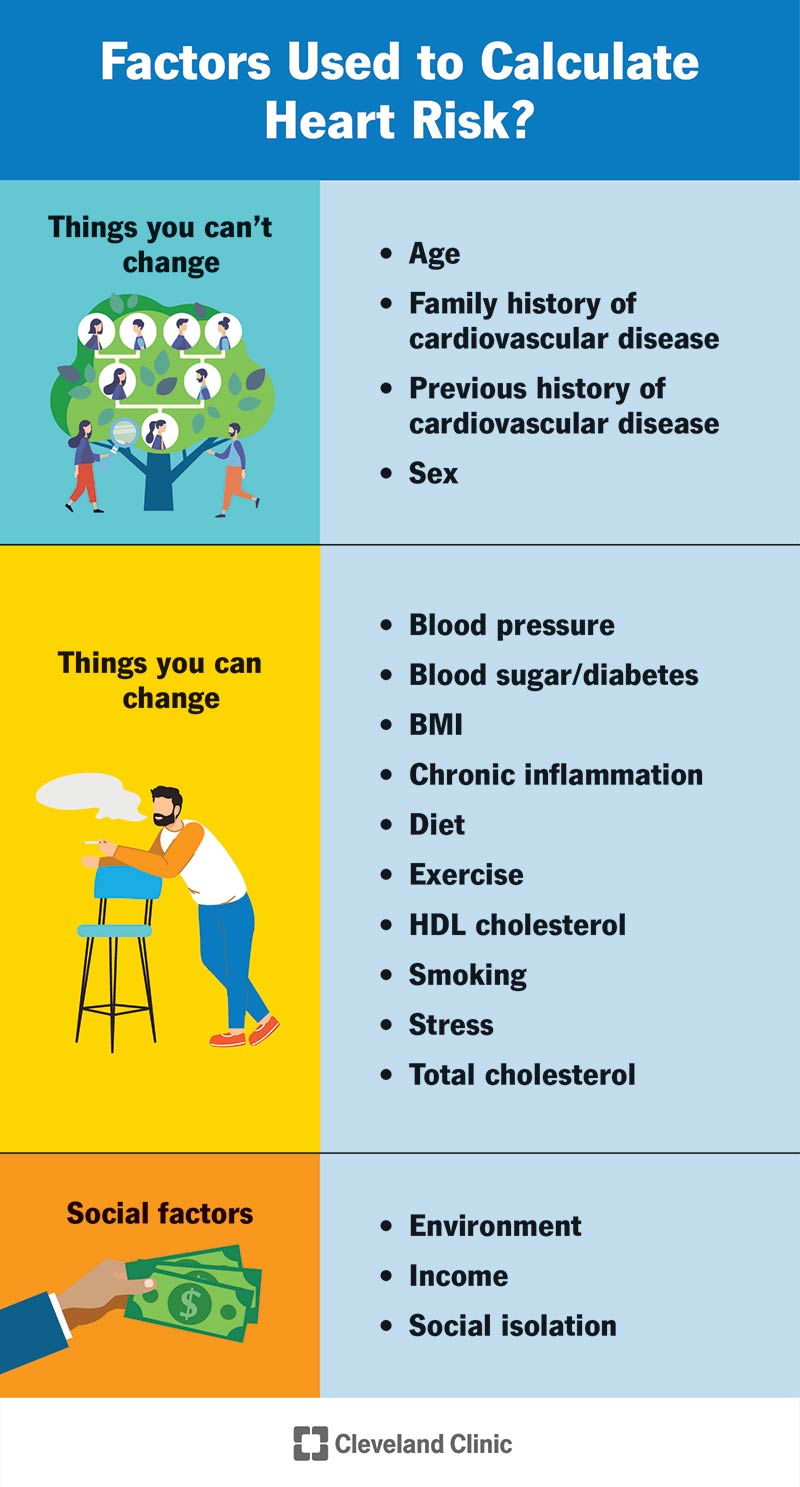
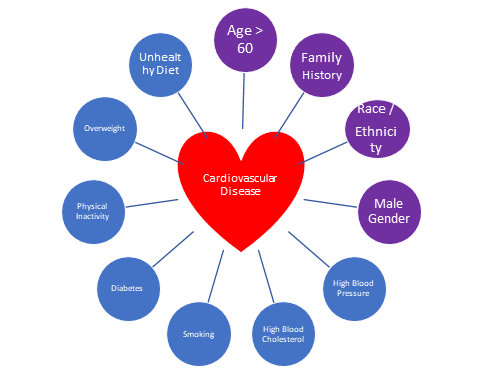
One of the primary risk factors for heart disease is age. As you grow older, your risk of developing heart disease increases. This is because as you age, your blood vessels and heart muscles also age, leading to a higher likelihood of developing cardiovascular problems. It is important to take proactive measures to protect your heart health as you age, such as maintaining a healthy lifestyle, regular exercise, and routine check-ups with your healthcare provider.
Gender
Gender is another significant factor that can impact your risk of heart disease. Generally, men are at a higher risk of developing heart disease compared to women. However, women’s risk of heart disease increases after menopause. This is due to hormonal changes that occur during this time. It is important for both men and women to be aware of their risk and take preventive measures to protect their heart health.
Family History
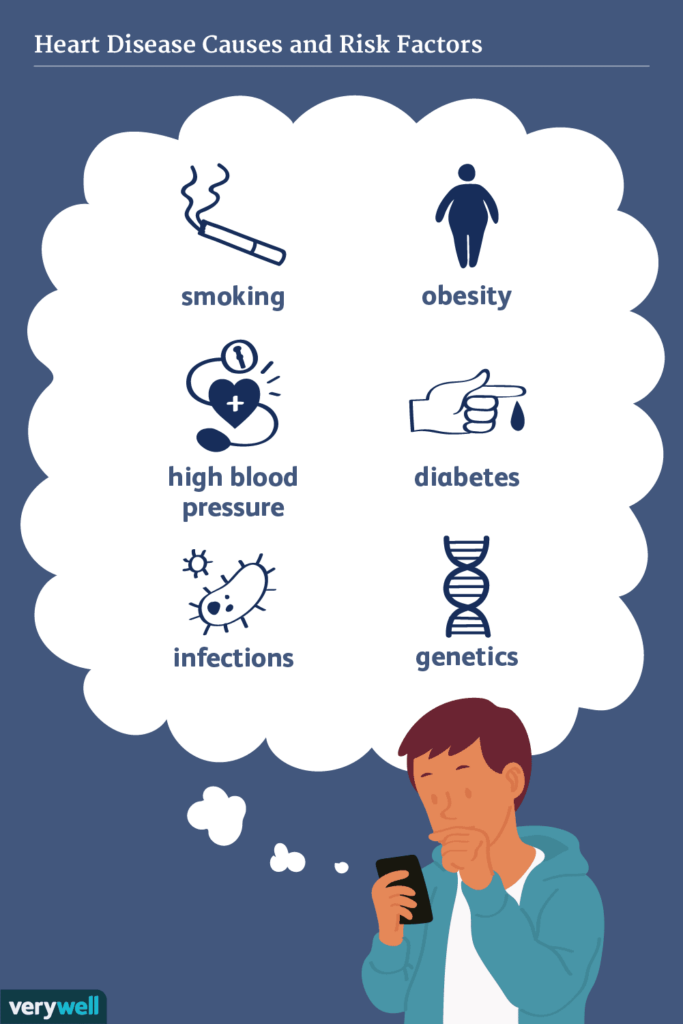
Your family history plays a crucial role in determining your risk of developing heart disease. If you have a family history of heart disease, such as a parent or sibling who has been diagnosed with heart disease, your risk is significantly higher. Genetic factors can increase your susceptibility to heart problems, making it even more important for you to take preventive measures such as leading a healthy lifestyle and regular screenings.
High Blood Pressure
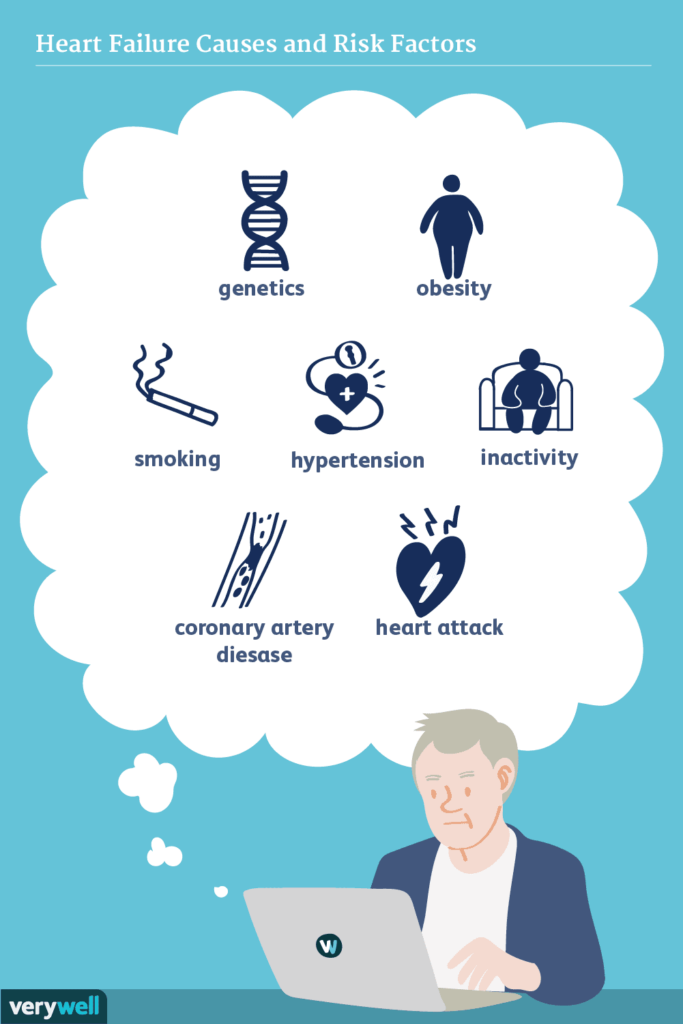
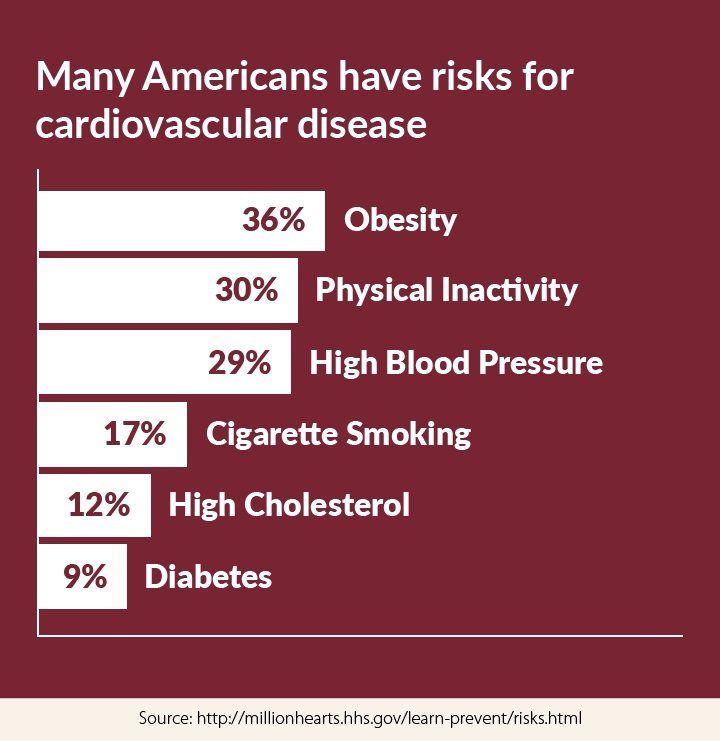
High blood pressure, also known as hypertension, is a major risk factor for heart disease. When your blood pressure is consistently high, it puts an extra strain on your heart and blood vessels, increasing the risk of developing heart-related problems. Monitoring and managing your blood pressure through lifestyle modifications, such as reducing salt intake, regular exercise, and medication if needed, can help lower your risk of heart disease.
High Cholesterol
High cholesterol levels in your blood can contribute to the formation of plaque in your arteries, narrowing them and reducing blood flow to the heart. This can lead to various cardiovascular problems, including heart disease. It is important to maintain healthy cholesterol levels by following a balanced diet low in saturated and trans fats, engaging in regular exercise, and, if necessary, taking prescribed cholesterol-lowering medications.
Smoking
Smoking is a well-known risk factor for heart disease. The chemicals present in cigarettes can damage your blood vessels, making them more prone to blockages and increasing the risk of heart problems. Quitting smoking is one of the most effective ways to reduce your risk of heart disease. Seek support from healthcare professionals or support groups to help you quit smoking if you are a current smoker.
Obesity
Obesity is a significant risk factor for heart disease. Carrying excess weight can increase your blood pressure, cholesterol levels, and the strain on your heart. Maintaining a healthy weight through a balanced diet and regular exercise is crucial for reducing your risk of heart disease. If you are struggling with obesity, consult with a healthcare professional, who can provide guidance and support in developing a personalized weight-loss plan.
Physical Inactivity
Leading a sedentary lifestyle and not engaging in regular physical activity can contribute to the development of heart disease. Regular exercise helps improve heart health, reduces blood pressure, and helps maintain healthy cholesterol levels. Incorporating moderate-intensity activities such as walking, jogging, swimming, or cycling into your routine can significantly lower your risk of heart disease. Aim for at least 150 minutes of moderate-intensity aerobic activity each week.
Diabetes
Diabetes, particularly type 2 diabetes, is a significant risk factor for heart disease. The high blood sugar levels associated with diabetes can damage blood vessels and increase the risk of developing cardiovascular problems. Proper management of diabetes through medication, a healthy diet, regular physical activity, and regular monitoring of blood sugar levels is vital in reducing the risk of heart disease.
Poor Diet and Nutrition
A poor diet and inadequate nutrition can contribute to the development of heart disease. Consuming a diet high in saturated and trans fats, cholesterol, sodium, and added sugars can increase your risk of developing cardiovascular problems. It is important to focus on a heart-healthy diet that includes fruits, vegetables, whole grains, lean proteins, and healthy fats. Limit your intake of processed and fried foods to reduce your risk of heart disease.
Stress
Excessive stress can have a negative impact on your heart health and increase the risk of heart disease. Constant exposure to stress hormones can lead to high blood pressure and inflammation, both of which contribute to heart problems. Finding healthy ways to manage and cope with stress, such as practicing relaxation techniques, physical activity, and seeking support from loved ones, can help reduce your risk of heart disease.
In conclusion, there are several risk factors associated with heart disease that everyone should be aware of. By understanding these risk factors and taking proactive measures to address them, you can significantly reduce your risk and maintain a healthy heart. Remember to lead a healthy lifestyle, including regular exercise, a balanced diet, not smoking, and managing chronic conditions such as high blood pressure and diabetes. Regular check-ups with your healthcare provider can also help identify and manage any potential risk factors. Your heart health is in your hands, and by making smart choices, you can ensure a healthier future.