Have you ever wondered what ADHD really is and how it affects people? In this article, we will explore the causes, symptoms, and treatment options for ADHD, giving you a better understanding of this often misunderstood condition. Whether you have ADHD yourself or know someone who does, gaining insight into its complexities can help create a more supportive environment for everyone involved. Let’s dive into the world of ADHD and uncover its various facets.
Understanding ADHD
ADHD, or Attention-Deficit/Hyperactivity Disorder, is a neurodevelopmental disorder that affects both children and adults. It is characterized by a persistent pattern of inattention, hyperactivity, and impulsivity that can interfere with daily functioning and quality of life. It is important to understand the definition, prevalence, causes, symptoms, diagnosis, impact, and treatment of ADHD in order to support individuals with this condition effectively.
Definition
ADHD is a complex disorder that affects various cognitive and behavioral functions. The Diagnostic and Statistical Manual of Mental Disorders (DSM-5) provides criteria for diagnosing ADHD. In order to receive a diagnosis, an individual must exhibit symptoms that are persistent, impairing, and inconsistent with developmental level. These symptoms should occur in multiple settings, such as at school, work, or home. The inattention, hyperactivity, and impulsivity associated with ADHD can significantly impact an individual’s ability to focus, organize, and regulate impulses.
Prevalence
ADHD is one of the most commonly diagnosed neurodevelopmental disorders among children. According to the Centers for Disease Control and Prevention (CDC), approximately 6.1 million children in the United States have been diagnosed with ADHD. It is important to note that ADHD can persist into adulthood, and around 4.4% of adults also experience the challenges associated with this disorder. The prevalence of ADHD varies across different populations, with males being more likely to receive a diagnosis than females.
Causes of ADHD
The exact causes of ADHD are not fully understood, but research suggests that a combination of genetic and environmental factors, as well as brain differences, contribute to the development of the disorder.
Genetic Factors
There is evidence to suggest that ADHD has a strong genetic component. Studies have shown that there is a higher likelihood of developing ADHD if there is a family history of the disorder. Certain genes that play a role in neurotransmitter regulation and brain development have been identified as potential contributors to ADHD. However, it is important to note that genetics alone cannot solely account for the development of ADHD.
Environmental Factors
Environmental factors, such as prenatal and early life experiences, can also influence the risk of developing ADHD. Exposure to toxins, maternal smoking during pregnancy, low birth weight, premature birth, and maternal stress have been linked to an increased likelihood of ADHD. Additionally, a chaotic home environment, poor parenting practices, and inconsistent discipline may contribute to the development of ADHD symptoms.
Brain Differences
Research using neuroimaging techniques has shown that individuals with ADHD have structural and functional differences in certain areas of the brain associated with attention, impulse control, and executive functions. These differences in brain development and activity may contribute to the symptoms experienced by individuals with ADHD.
Symptoms of ADHD
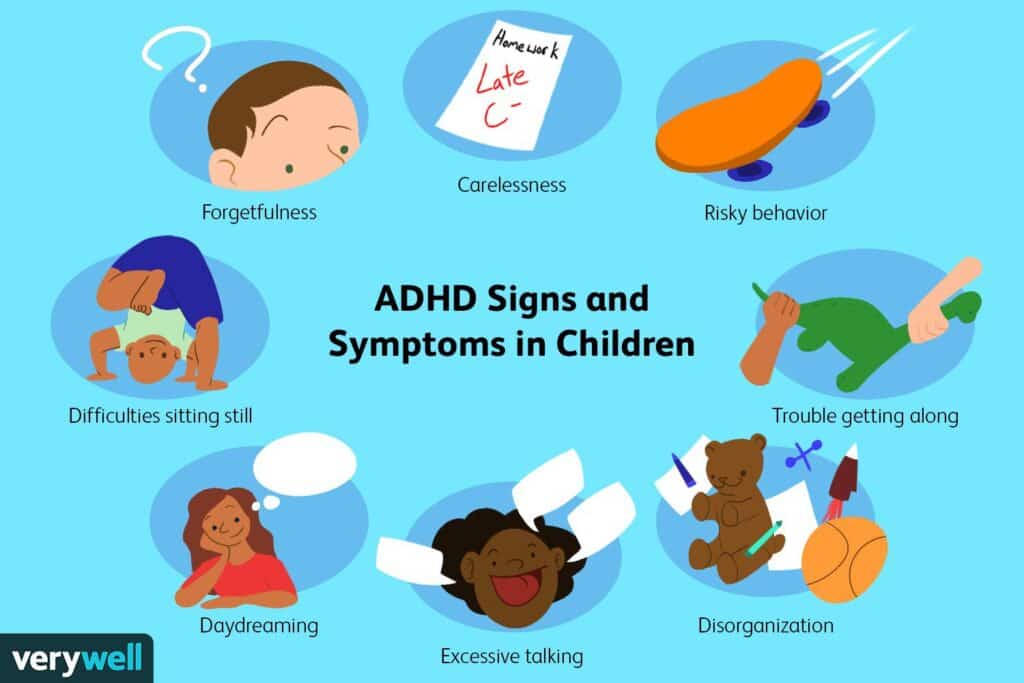
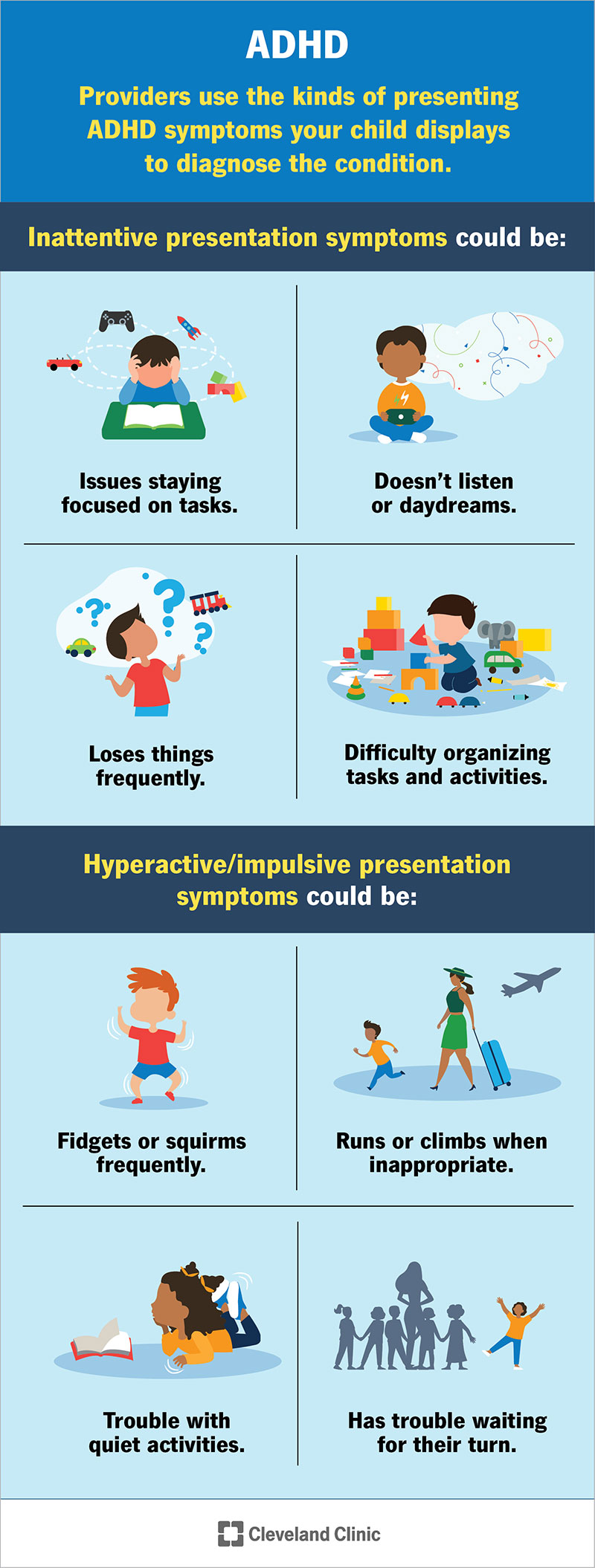
ADHD is characterized by three main symptoms: inattention, hyperactivity, and impulsivity. Each of these symptoms manifests differently in individuals with ADHD.
Inattention
Inattention refers to difficulties in sustaining attention, being easily distracted, and having trouble organizing tasks or activities. Individuals with ADHD may have trouble following through on instructions or completing tasks, often appearing forgetful or disorganized. They may also struggle with staying focused on tasks that are not interesting or rewarding to them.
Hyperactivity
Hyperactivity is characterized by excessive movement and a constant need for activity. Individuals with ADHD may constantly fidget, squirm, or tap their hands or feet. They often have difficulty engaging in activities that require them to sit still for extended periods of time, such as attending school or working at a desk job.
Impulsivity
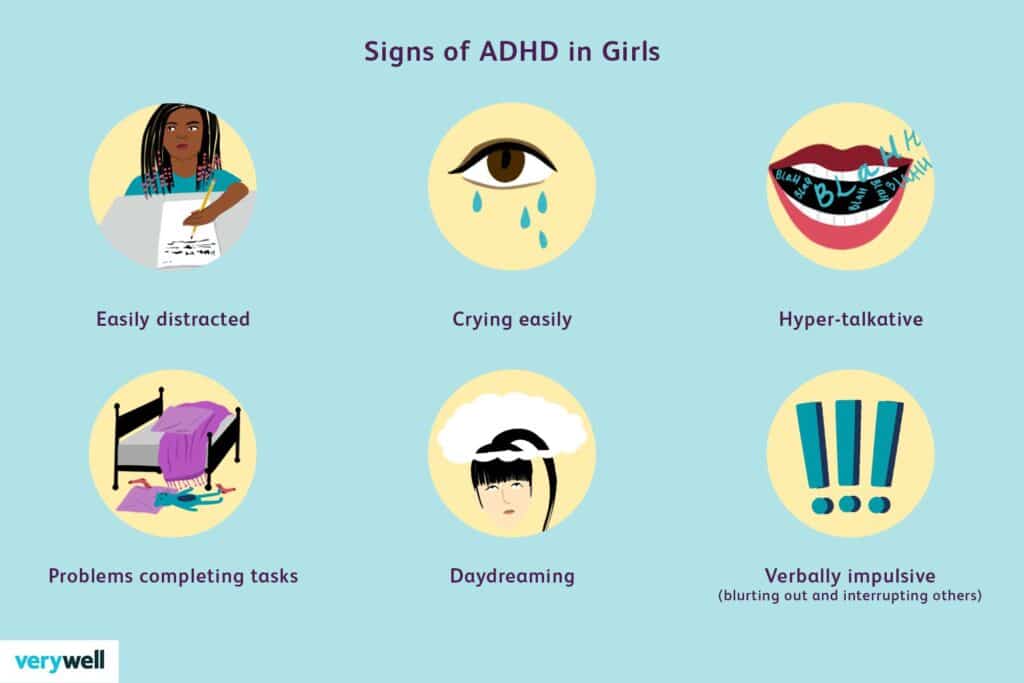
Impulsivity refers to acting without thinking and difficulty in delaying gratification. Individuals with ADHD may blurt out answers before a question is complete, have trouble waiting their turn, or struggle with making impulsive decisions. They may interrupt conversations or engage in risky behaviors without considering the consequences.
Diagnosis of ADHD
Diagnosing ADHD involves multiple steps, including assessing symptoms, conducting a medical evaluation, and performing a psychological assessment.
Diagnostic Criteria
The DSM-5 provides specific criteria that must be met in order to diagnose ADHD. These criteria include the presence of symptoms that are developmentally inappropriate and cause significant impairment in social, academic, or occupational functioning. The symptoms should also be present before the age of 12 and manifest in two or more settings.
Medical Evaluation
A medical evaluation is conducted to rule out other possible causes of the symptoms. This may involve a physical examination, gathering medical history, and conducting laboratory tests. It is important to rule out medical conditions that may mimic ADHD symptoms, such as hearing or vision problems, thyroid disorders, or sleep disorders.
Psychological Assessment
A psychological assessment is typically conducted by a trained professional, such as a psychologist or psychiatrist. This may involve gathering information from multiple sources, including the individual, their family, and teachers. Standardized rating scales and questionnaires may be used to assess ADHD symptoms and impairment. The assessment also considers the duration and severity of symptoms.
Types of ADHD
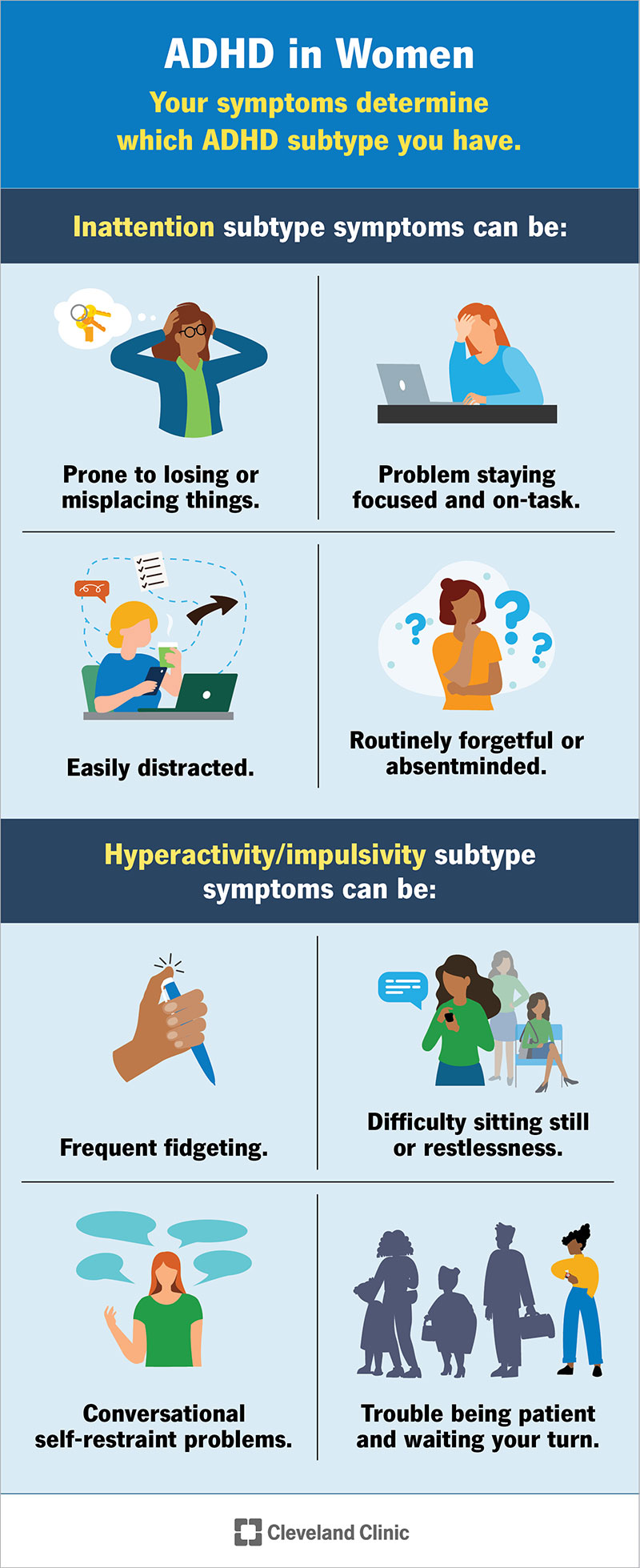
ADHD can present in different ways, leading to three main subtypes: predominantly inattentive, predominantly hyperactive-impulsive, and combined presentation.
Predominantly Inattentive Presentation
Individuals with the predominantly inattentive presentation of ADHD predominantly struggle with attention and organization. They may appear dreamy or forgetful, have difficulty following instructions, and often lose or misplace items. This presentation is more common in girls and may be overlooked as symptoms are not as disruptive compared to other presentations.
Predominantly Hyperactive-Impulsive Presentation
The predominantly hyperactive-impulsive presentation of ADHD is characterized by excessive movement and impulsivity. Individuals with this presentation may have trouble sitting still, talk excessively, and engage in impulsive behaviors without thinking. They may struggle with taking turns or waiting patiently.
Combined Presentation
The combined presentation is the most common subtype of ADHD. Individuals with this presentation exhibit both inattentive and hyperactive-impulsive symptoms. They often struggle with sustaining attention, excessive movement, impulsivity, and difficulty with organization.
Impact of ADHD
ADHD can have a significant impact on various aspects of an individual’s life, including academic performance, social and emotional well-being, and relationships with family and peers.
Academic Challenges
One of the primary areas affected by ADHD is academic performance. Difficulties with attention, organization, and impulsivity can lead to a lack of focus, poor time management, and incomplete assignments. Individuals with ADHD may struggle with following instructions, staying organized, and completing tasks accurately and on time. These challenges can result in lower grades, increased frustration, and decreased self-esteem.
Social and Emotional Difficulties
ADHD can also impact an individual’s social and emotional well-being. Difficulties with impulse control and hyperactivity can lead to problems with peer relationships. Individuals with ADHD may have trouble taking turns, interrupt conversations, or exhibit behaviors that may be perceived as disruptive or socially inappropriate. They may also experience challenges with emotional regulation, leading to frequent mood swings, irritability, or difficulty managing frustration and anger.
Relationships and Family Dynamics
ADHD can have a significant impact on family dynamics. The challenges associated with ADHD, such as inattention, impulsivity, and hyperactivity, can put strain on relationships between parents and children, as well as among siblings. Parents of children with ADHD may feel overwhelmed, frustrated, or guilty, which can affect their emotional well-being and parenting practices. Siblings may experience feelings of resentment or jealousy if they perceive that their needs are being disregarded due to the attention given to the child with ADHD.
Treatment of ADHD
While there is no cure for ADHD, there are effective treatments available to help manage symptoms and improve daily functioning. The treatment approach for ADHD typically involves a combination of medication, behavioral therapies, and parenting and educational support.
Medication
Medication is often prescribed to individuals with ADHD to help manage symptoms. Stimulant medications, such as methylphenidate and amphetamines, are commonly used and have been shown to be effective in reducing hyperactivity, impulsivity, and improving attention and focus. Non-stimulant medications, such as atomoxetine and guanfacine, may also be prescribed as an alternative for individuals who cannot tolerate stimulant medications or have certain medical conditions.
Behavioral Therapies
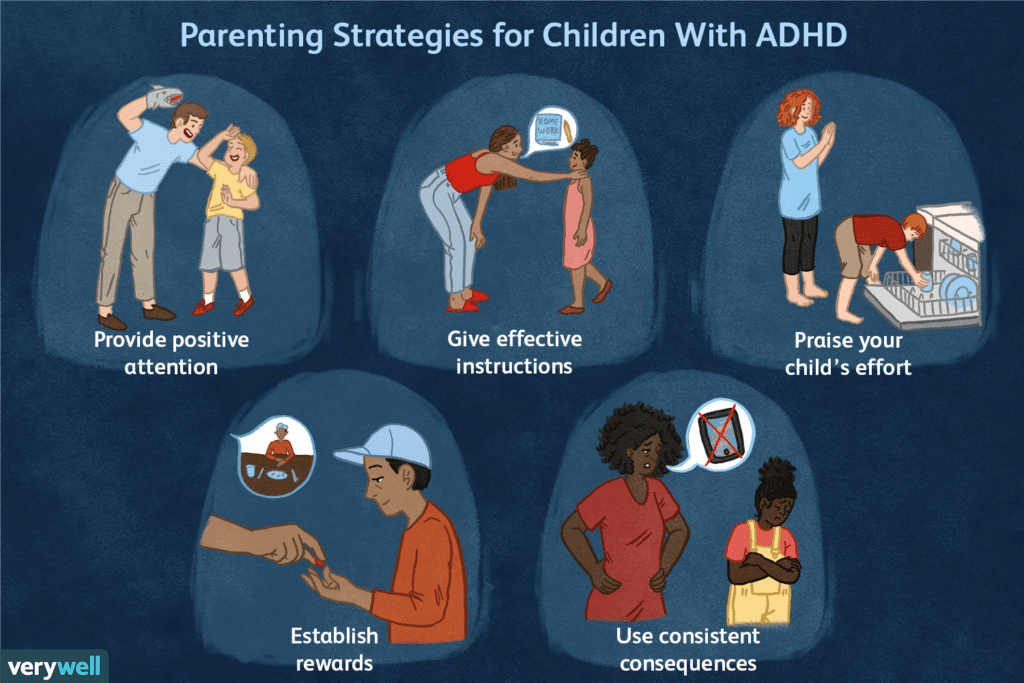
Behavioral therapies, such as cognitive-behavioral therapy (CBT), social skills training, and parent training, are important components of ADHD treatment. CBT helps individuals develop strategies to enhance attention, manage impulsivity, and improve organizational skills. Social skills training focuses on improving interpersonal skills and enhancing peer relationships. Parent training equips parents with strategies to manage challenging behaviors, implement consistent discipline, and provide structure and support for the child with ADHD.
Parenting and Educational Support
Parenting and educational support play a vital role in helping individuals with ADHD thrive. Establishing structure and routine at home can help individuals with ADHD better manage their time and tasks. Providing clear expectations, setting realistic goals, and implementing effective discipline strategies can assist in reducing impulsive behaviors and improving self-control. In educational settings, individualized education plans (IEPs) can be created to address specific academic challenges and provide necessary accommodations or modifications.
Medication for ADHD
Medication is often prescribed as part of the treatment plan for ADHD. It can help manage symptoms and improve daily functioning for individuals with ADHD.
Stimulant Medications
Stimulant medications, such as methylphenidate (Ritalin, Concerta) and amphetamines (Adderall, Vyvanse), are the most commonly prescribed medications for ADHD. These medications work by increasing the level of neurotransmitters in the brain, improving attention, impulse control, and reducing hyperactivity. They are available in immediate-release and extended-release formulations, allowing for flexible dosing options based on individual needs. However, it is important to note that stimulant medications may have side effects, such as decreased appetite, sleep disturbance, and increased heart rate or blood pressure.
Non-Stimulant Medications
Non-stimulant medications, such as atomoxetine (Strattera) and guanfacine (Intuniv), may be prescribed as an alternative for individuals who cannot tolerate stimulant medications or have certain medical conditions. Atomoxetine works by increasing the levels of norepinephrine in the brain, improving attention and reducing impulsivity. Guanfacine acts on alpha-2 receptors in the brain, enhancing self-control and cognitive function. Non-stimulant medications may have fewer side effects but may take longer to show effectiveness compared to stimulant medications.
Behavioral Therapies for ADHD
Behavioral therapies are an essential component of ADHD treatment, focusing on teaching individuals with ADHD the skills needed to manage symptoms and improve daily functioning.
Cognitive-Behavioral Therapy
Cognitive-behavioral therapy (CBT) is a commonly used approach for individuals with ADHD. It aims to help individuals recognize and modify negative thoughts and behaviors that contribute to ADHD symptoms. CBT focuses on building skills in time management, organization, problem-solving, and planning. It also addresses emotional regulation, helping individuals develop strategies to manage stress, frustration, and impulsivity.
Social Skills Training
Social skills training is aimed at improving interpersonal skills and enhancing peer relationships for individuals with ADHD. This therapy focuses on teaching individuals how to appropriately interact with others, read social cues, and develop problem-solving and conflict resolution skills. By improving social skills, individuals with ADHD can build stronger relationships and have better success in social situations.
Parent Training
Parent training programs are designed to support parents in managing the challenges associated with raising a child with ADHD. These programs provide parents with strategies and tools to implement consistent discipline, promote positive behaviors, and support their child’s development. Parent training may also involve educating parents about ADHD, offering guidance on effective communication, and providing support for self-care and stress management.
Parenting and Educational Support for ADHD
Parenting and educational support are crucial in helping individuals with ADHD navigate the challenges they face at home and in school.
Structure and Routine
Establishing structure and routine at home is important for individuals with ADHD. Having consistent expectations, schedules, and routines can help individuals manage their time, stay focused, and reduce distractions. Clear rules and consequences for behaviors can provide structure and guidance, enabling individuals with ADHD to understand expectations and develop self-control.
Environmental Modifications
Making appropriate environmental modifications can help individuals with ADHD in their daily lives. Creating a clutter-free and organized workspace at home or in the classroom can minimize distractions and improve focus. Reducing noise levels, using visual aids, and providing a quiet and calm environment can also support individuals with ADHD in managing their attention and promoting productivity.
Individualized Education Plans
Individualized education plans (IEPs) can be developed in educational settings to address the specific academic challenges faced by individuals with ADHD. These plans outline accommodations and modifications that can support the individual’s learning needs. Examples of accommodations may include additional time for assignments or tests, a designated quiet space for tasks, or assistance in organizational skills. IEPs help ensure that individuals with ADHD receive the necessary support and resources to succeed academically.
In conclusion, understanding ADHD is key to providing effective support and interventions for individuals with this neurodevelopmental disorder. ADHD is a complex condition influenced by a combination of genetic and environmental factors, as well as brain differences. It presents with symptoms of inattention, hyperactivity, and impulsivity, which can impact various areas of life, including academic performance, social and emotional well-being, and relationships. Treatment options for ADHD include medication, behavioral therapies, and parenting and educational support. Through a comprehensive and holistic approach, individuals with ADHD can be empowered to manage their symptoms and thrive in their daily lives.