
You’ve probably heard of the term “ACL injuries” before, but do you truly understand what they are? In this article, we’ll shed some light on these common knee injuries and help you understand what they entail. Whether you’ve experienced an ACL injury yourself or simply want to be informed about this topic, we’ve got you covered. By the end of this article, you’ll have a clearer picture of what an ACL injury is, how it happens, and what treatment options are available. So, let’s get started on our journey of understanding ACL injuries and gain valuable knowledge about this prevalent issue.
Causes of Anterior Cruciate Ligament (ACL) Injuries
Sports-related injuries
One of the primary causes of anterior cruciate ligament (ACL) injuries is sports-related activities. Sports such as football, soccer, basketball, and skiing often involve sudden stops and changes in direction, which can put excessive stress on the knee joint and lead to ACL injuries. These injuries commonly occur when the knee is subjected to a twisting or hyperextension force, causing the ligament to tear or rupture.
Direct trauma
ACL injuries can also be caused by direct trauma to the knee. This can occur in accidents such as motor vehicle collisions, falls, or any situation where a significant force is applied directly to the knee joint. The impact can cause the ACL to tear or rupture, leading to pain, swelling, and instability of the knee.
Non-contact injuries
Non-contact ACL injuries happen without any external force or direct trauma. These injuries often occur during activities that involve sudden changes in direction, jumping, or landing awkwardly. The mechanism of injury is usually a combination of factors like improper landing techniques, inadequate muscle strength or coordination, and poor body mechanics. The ACL can be stretched, torn, or ruptured during these movements, resulting in significant knee instability.
Risk Factors for Anterior Cruciate Ligament (ACL) Injuries
Gender
Gender is a significant risk factor for ACL injuries, with females being more susceptible to these injuries compared to males. The exact reason for this difference is not entirely clear, but some factors that may contribute to the increased risk in females include differences in anatomy, hormonal influences, and neuromuscular imbalances. It is crucial for both males and females to be aware of these risks and take appropriate preventive measures.
Age
ACL injuries can occur at any age, but certain age groups are more prone to these injuries. Adolescent athletes, particularly those involved in sports with a high risk of ACL injuries, are at increased risk due to factors like growth spurts, increased sports participation, and still-developing neuromuscular control. Older adults may also be at a higher risk due to natural degenerative changes in the knee joint. Being mindful of age-related risk factors can help individuals take proactive steps to prevent ACL injuries.
Anatomical factors
Certain anatomical factors can predispose individuals to ACL injuries. A shallow knee joint, abnormal alignment of the knee, or differences in bone structure can affect how the forces are distributed across the knee, making the ACL more vulnerable to injury. Conditions like hypermobility or laxity of the ligaments can also increase the risk of ACL injuries. Understanding these anatomical factors can aid athletes, coaches, and healthcare professionals in identifying individuals who may need additional preventive measures.
Signs and Symptoms of Anterior Cruciate Ligament (ACL) Injuries
Popping sound or sensation
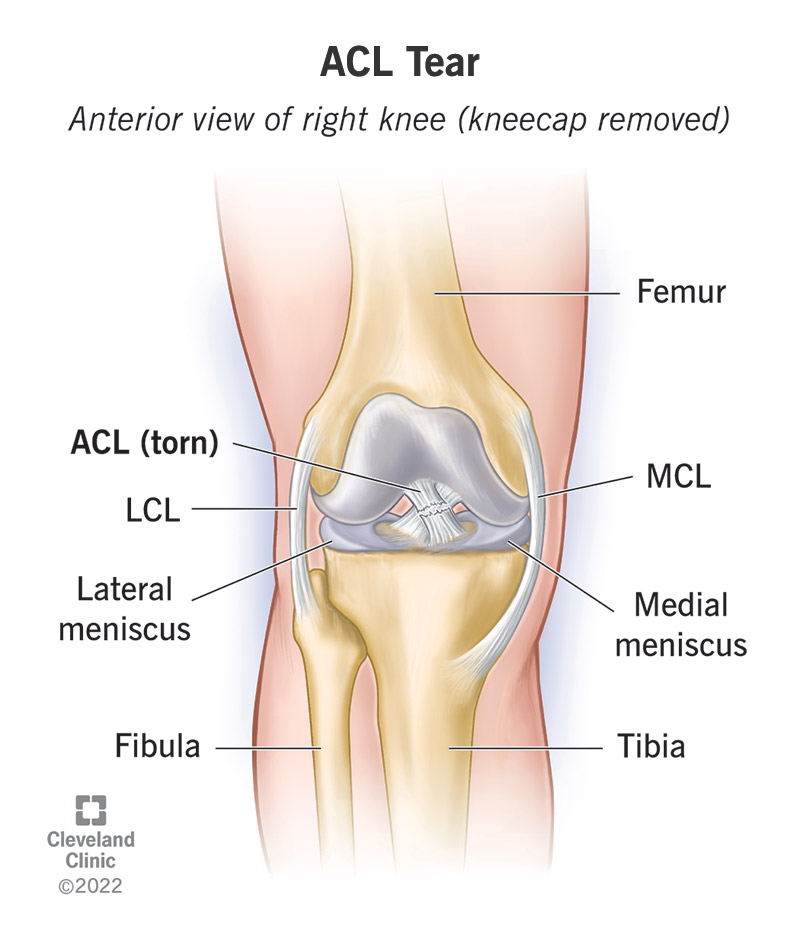
When the ACL tears or ruptures, it can sometimes be accompanied by a popping sound or sensation in the knee. This can be alarming and is often an immediate indication of a significant injury. If you experience a popping sound or sensation in your knee during physical activity, it is important to seek medical attention promptly to determine the extent of the injury.
Pain and swelling
One of the primary symptoms of an ACL injury is pain and swelling in the knee joint. The pain may range from mild to severe, depending on the severity of the injury. Swelling usually occurs immediately after the injury and can be accompanied by bruising around the knee area. This pain and swelling can significantly impact your ability to bear weight or move the knee comfortably.
Instability
ACL injuries can result in knee instability, where the knee feels weak, wobbly, or gives out. You may experience a feeling of the knee buckling or giving way, particularly during activities that involve pivoting, jumping, or changing direction. This instability can make it challenging to participate in sports or perform daily activities that require stability and control of the knee joint.
Limited range of motion
Another common symptom of ACL injuries is a limited range of motion in the knee joint. You may have difficulty fully bending or straightening your knee, and any attempt to do so may cause pain or discomfort. This limited range of motion can affect your overall mobility and ability to engage in physical activities, thereby impacting your quality of life.
Diagnosis of Anterior Cruciate Ligament (ACL) Injuries
Medical history
To diagnose an ACL injury, your healthcare provider will begin by assessing your medical history. They will ask questions about your symptoms, the mechanism of injury, and any previous knee injuries or surgeries. Providing accurate and detailed information about your medical history can aid in the accurate diagnosis and development of an appropriate treatment plan.
Physical examination
A comprehensive physical examination is essential in diagnosing ACL injuries. Your healthcare provider will examine your knee joint, assessing for signs of swelling, tenderness, and instability. They may perform specific tests, such as the Lachman test, anterior drawer test, or pivot-shift test, to evaluate the integrity of the ACL and other supporting structures of the knee.
Imaging tests
Imaging tests, such as X-rays, may be ordered to rule out other possible injuries, including fractures or dislocations. However, X-rays do not provide a clear view of the ACL itself. For a more accurate diagnosis, magnetic resonance imaging (MRI) is often recommended. An MRI can provide detailed images of the soft tissues in the knee, allowing your healthcare provider to assess the condition of the ACL and identify any associated injuries.
Arthroscopy
In some cases, arthroscopy may be required to confirm the diagnosis and visualize the extent of the ACL injury more accurately. This minimally invasive procedure involves inserting a small camera through a small incision in the knee, allowing the healthcare provider to directly visualize the torn or ruptured ACL and evaluate the overall condition of the knee joint. Arthroscopy can also be used for surgical repair or reconstruction of the ACL if necessary.
Treatment Options for Anterior Cruciate Ligament (ACL) Injuries
Conservative treatment
In some cases, conservative treatment approaches may be sufficient for managing ACL injuries, particularly in individuals who do not participate in high-demand sports or have less severe injuries. Conservative treatment options may include rest, ice, compression, elevation (RICE), physical therapy exercises to strengthen surrounding muscles, and the use of braces or supportive devices to provide stability to the knee. However, it is crucial to note that conservative treatment alone may not be suitable for everyone, especially athletes or individuals with more significant injuries.
Surgical intervention
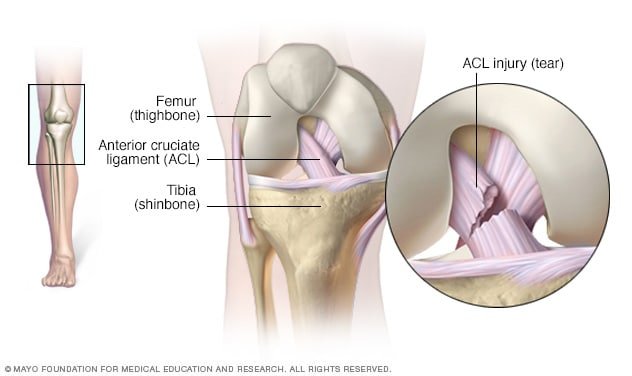
For individuals with severe ACL injuries or those who wish to return to high-demand sports or activities, surgical intervention may be recommended. The primary surgical options for ACL injuries are ACL repair and ACL reconstruction. ACL repair involves suturing the torn ends of the ligament together, allowing it to heal and regain its stability. ACL reconstruction, on the other hand, involves replacing the torn ligament with a graft, typically using a portion of the patient’s own tendon or tissue from a donor. The choice of surgical technique depends on various factors like the patient’s age, activity level, and the condition of the injured ACL.
Rehabilitation and physical therapy
Regardless of whether you choose conservative treatment or undergo surgical intervention, rehabilitation and physical therapy play a crucial role in the recovery process. A customized rehabilitation program will be designed to help restore the strength, flexibility, and stability of your knee joint. Physical therapy exercises will focus not only on the injured knee but also on other areas like the hip and ankle to ensure proper muscle balance and coordination. Rehabilitation may include a combination of exercises, manual therapy, balance training, and functional activities to help you regain optimal function and return to your desired level of activity.
Recovery and Rehabilitation for Anterior Cruciate Ligament (ACL) Injuries
Immediate post-injury
During the immediate post-injury period, it is essential to follow the RICE principle (rest, ice, compression, elevation) to help reduce pain, swelling, and inflammation. Resting the injured knee and avoiding any activities that exacerbate the pain is crucial for the initial healing process. Applying ice to the affected area for about 20 minutes every few hours can help reduce swelling. Compression with a bandage or brace and elevating the leg above the level of the heart can also aid in reducing swelling.
Pre-surgical rehabilitation
Before undergoing ACL surgery, individuals typically undergo pre-surgical rehabilitation. The primary goal of pre-surgical rehabilitation is to optimize the pre-operative condition of the knee and surrounding structures. This may involve exercises to improve muscle strength and flexibility, balance training, and education about the surgical procedure and expected post-operative rehabilitation process. Pre-surgical rehabilitation can improve outcomes and accelerate the recovery process after ACL surgery.
Post-surgical rehabilitation
Following ACL surgery, post-surgical rehabilitation is crucial for achieving a successful recovery. The initial phase focuses on controlling pain and swelling, restoring knee range of motion, and gradually bearing weight on the operated leg. As healing progresses, exercises to strengthen the quadriceps, hamstrings, and other muscles around the knee are introduced. The rehabilitation program will gradually ramp up in difficulty, with a focus on regaining functional stability, balance, and proprioception. The duration of post-surgical rehabilitation can vary depending on the individual’s progress and the type of surgical procedure performed.
Return to sports
Returning to sports after an ACL injury requires careful planning and guidance from healthcare professionals. Clearance to return to sports is typically based on several factors, including the individual’s overall physical condition, ability to perform specific functional tests, and completion of the recommended rehabilitation program. It is crucial to ensure adequate healing, proper muscle strength and control, and realistic expectations before returning to high-demand activities. Gradual progression and ongoing monitoring are essential to reduce the risk of re-injury and optimize long-term outcomes.
Prevention of Anterior Cruciate Ligament (ACL) Injuries
Neuromuscular training
Neuromuscular training programs aim to improve muscle strength, balance, proprioception, and movement patterns to reduce the risk of ACL injuries. These programs typically involve exercises that focus on core stability, hip and thigh muscle strength, balance and proprioceptive training, and proper landing and cutting techniques. Consistent participation in neuromuscular training can help individuals develop better control and coordination of their movements, reducing the chances of ACL injuries.
Bracing
In certain situations, the use of knee braces may be recommended to provide additional support and stability to the knee joint. Braces can help protect the ACL from excessive forces and provide a sense of reassurance during activities that pose a higher risk of injury. However, it is important to note that knee braces alone may not be sufficient to prevent ACL injuries and should be used in conjunction with other preventive measures.
Ankle and hip strengthening
In addition to focusing on knee-specific exercises, it is important to strengthen the surrounding joints, such as the ankles and hips. Weakness or imbalances in these areas can affect how forces are distributed during movements and increase the risk of ACL injuries. Including exercises that target ankle and hip strength and stability in your regular training or exercise routine can help promote overall joint health and reduce the risk of ACL injuries.
Proper technique and body mechanics
Proper technique and body mechanics are essential in preventing ACL injuries. Learning and practicing correct movement patterns can help reduce the stress on the knee joint and minimize the risk of injury. Coaches, trainers, and healthcare professionals play a vital role in educating individuals on proper techniques for jumping, landing, cutting, and changing directions to ensure safe participation in sports and activities. Developing good habits and body awareness can significantly contribute to preventing ACL injuries.
Long-Term Effects of Anterior Cruciate Ligament (ACL) Injuries
Risk of further injury
Individuals who have suffered from ACL injuries are at an increased risk of experiencing further knee injuries, including both re-injury to the ACL and subsequent injuries to other structures of the knee. Therefore, it is crucial to address any underlying factors, such as muscle imbalances, neuromuscular control issues, or biomechanical abnormalities, to reduce the risk of future knee injuries. Proper rehabilitation, ongoing strength and conditioning, and regular monitoring by healthcare professionals can help mitigate these risks.
Development of osteoarthritis
One of the long-term effects of ACL injuries is an increased risk of developing osteoarthritis in the knee joint. ACL injuries can lead to changes in the knee’s biomechanics, increased stress on the joint surfaces, and altered joint stability, which can accelerate the degenerative changes associated with osteoarthritis. Although not everyone who experiences an ACL injury will develop osteoarthritis, it is important to adopt preventive measures and ongoing management strategies to preserve joint health and reduce the risk of long-term complications.
Complications and Associated Injuries with Anterior Cruciate Ligament (ACL) Injuries
Meniscus tears
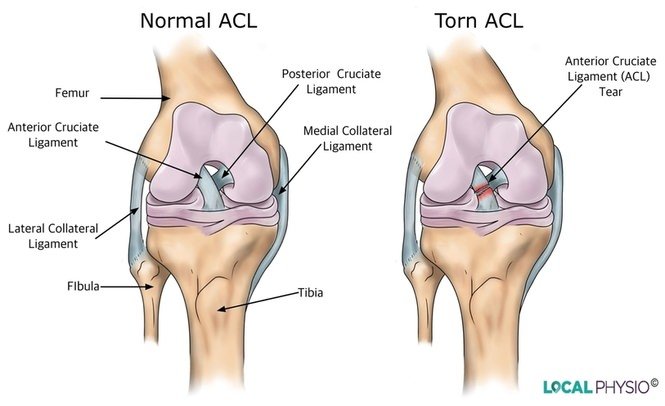
ACL injuries often occur in conjunction with meniscus tears. The menisci are two C-shaped discs of cartilage in the knee joint that act as shock absorbers. The forces involved in an ACL injury can cause the menisci to tear. Meniscus tears can further compromise knee stability, cause pain and swelling, and may require additional medical intervention, such as arthroscopic surgery, to repair or remove the damaged tissue.
Other ligament injuries
In addition to ACL tears, other ligaments in the knee can also be damaged during an injury. The medial collateral ligament (MCL), lateral collateral ligament (LCL), and posterior cruciate ligament (PCL) can be sprained or torn in conjunction with an ACL injury. These combined injuries can significantly impact knee stability and require a comprehensive treatment approach.
Cartilage damage
ACL injuries can also result in damage to the articular cartilage, the smooth surface covering the ends of the bones in the knee joint. The shearing forces and instability caused by an ACL tear can cause wear and tear on the articular cartilage, potentially leading to cartilage lesions or even full-thickness defects. Cartilage damage can contribute to pain, limited mobility, and the development of osteoarthritis over time. Proper diagnosis, treatment, and ongoing management are important in preventing or mitigating cartilage damage associated with ACL injuries.
Emotional and Psychological Impact of Anterior Cruciate Ligament (ACL) Injuries
Fear of re-injury
ACL injuries can have a significant emotional and psychological impact on individuals. After experiencing an ACL injury, individuals may develop a fear of re-injury, which can limit their participation in sports or physical activities. This fear can impact their confidence, motivation, and overall enjoyment of sports, potentially leading to a decline in physical fitness and overall well-being. Addressing these psychological factors through appropriate support, counseling, and education can play a vital role in the recovery and return to sports.
Loss of identity
For athletes and individuals heavily involved in sports, an ACL injury can sometimes result in a loss of identity. Being unable to participate in the activities they love, feeling disconnected from their team or social circle, and facing the uncertainty of recovery can lead to feelings of frustration, sadness, and a sense of loss. Providing a support system that includes emotional support, guidance, and encouragement can help individuals navigate these emotional challenges and maintain a positive outlook throughout their recovery journey.
Depression and anxiety
ACL injuries can also contribute to the development or exacerbation of depression and anxiety symptoms. The physical limitations, potential loss of independence, and the uncertainty surrounding the recovery process can take a toll on an individual’s mental well-being. It is crucial to recognize and address these emotional challenges by seeking appropriate professional help, engaging in positive coping strategies, and maintaining open communication with healthcare providers and support networks.
In conclusion, anterior cruciate ligament (ACL) injuries can have a significant impact on individuals’ lives, particularly those involved in sports or activities that put stress on the knee joint. Understanding the common causes, risk factors, signs and symptoms, diagnosis, treatment options, and long-term implications of ACL injuries is crucial for prevention, prompt management, and successful recovery. By incorporating preventive measures, following appropriate rehabilitation protocols, and addressing the emotional aspects of these injuries, individuals can optimize their outcomes and regain their physical function, confidence, and enjoyment of an active lifestyle.