Hey there! Are you curious about Attention Deficit Hyperactivity Disorder (ADHD) and want to understand it better? Well, you’re in the right place! In this article, we’ll quickly delve into the world of ADHD, exploring its key features, causes, and how it impacts individuals. Whether you have ADHD yourself or know someone who does, this article will provide you with an insightful understanding of this common neurodevelopmental disorder. So, get ready to expand your knowledge and gain a deeper understanding of ADHD!
What is Attention Deficit Hyperactivity Disorder (ADHD)?
Definition of ADHD
Attention Deficit Hyperactivity Disorder, commonly known as ADHD, is a neurodevelopmental disorder that affects both children and adults. It is characterized by persistent patterns of inattention, hyperactivity, and impulsivity that can significantly impact daily functioning and quality of life. Individuals with ADHD often have difficulty paying attention, staying organized, and controlling impulsive behaviors. While it is a chronic condition, with proper management and support, individuals with ADHD can thrive and lead fulfilling lives.
Prevalence of ADHD
ADHD is one of the most common psychiatric disorders in children, affecting approximately 5-10% of children worldwide. It is also prevalent in adults, with around 2.5-4% of adults estimated to have ADHD. The disorder tends to persist into adulthood for about 60% of children diagnosed with ADHD. While the exact cause of ADHD is not fully understood, multiple factors such as genetics, brain structure and function, and environmental factors are believed to contribute to its development.
Types of ADHD
ADHD can be classified into three main types based on the dominant symptoms:
-
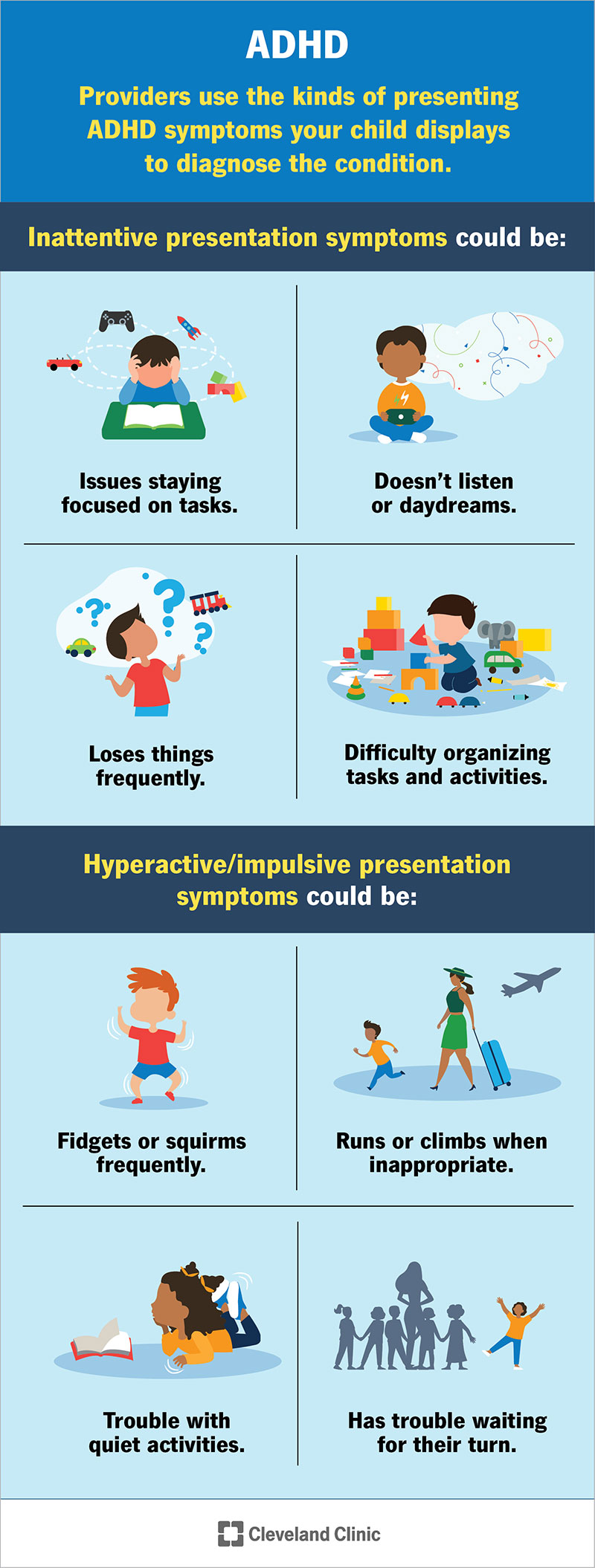
Predominantly Inattentive Presentation: Individuals with this type of ADHD primarily struggle with inattention. They may have difficulty paying attention to details, organizing tasks, listening, and following instructions.
-
Predominantly Hyperactive-Impulsive Presentation: This type of ADHD is characterized by excessive hyperactivity and impulsivity. Individuals may often fidget, have trouble staying seated, interrupt others, and tend to act without thinking.
-
Combined Presentation: As the name suggests, this type includes symptoms of both inattention and hyperactivity-impulsivity. It is the most common type of ADHD.
Understanding the specific type of ADHD is crucial for proper diagnosis and determining the most effective treatment approach.
Signs and Symptoms of ADHD
Inattention
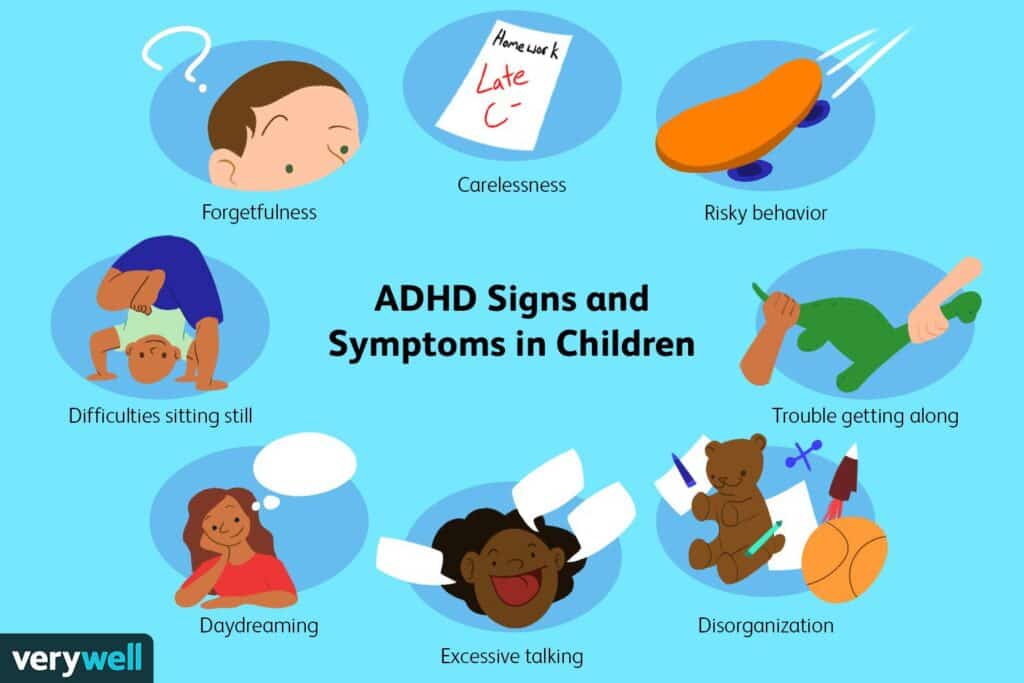
People with ADHD often exhibit symptoms of inattention, which can manifest in various ways. Some common signs include:
- Having difficulty sustaining attention on tasks or activities.
- Making careless mistakes or overlooking details, even in simple tasks.
- Struggling to follow through on instructions or complete tasks.
- Appearing forgetful, frequently losing or misplacing items necessary for tasks.
- Becoming easily distracted by external stimuli.
- Having difficulty organizing tasks and managing time effectively.
Hyperactivity
Hyperactivity is a key characteristic of ADHD, and it refers to excessive and often uncontrolled movement. Signs of hyperactivity may include:
- Constantly fidgeting or squirming, often unable to stay seated.
- Feeling restless and being unable to engage in activities quietly.
- Exhibiting excessive talking and a constant need to be on the go.
- Having difficulty participating in activities that demand calm and stillness.
Impulsivity
Impulsivity refers to acting or speaking without forethought and self-control. Some signs of impulsivity in individuals with ADHD include:
- Impatiently interrupting conversations or activities of others.
- Difficulty waiting for their turn, whether in line or during group activities.
- Acting impulsively without considering the potential consequences.
- Inability to resist immediate desires or temptations, leading to impulsive decision-making.
It is important to remember that everyone experiences these symptoms to some extent occasionally. However, individuals with ADHD consistently exhibit these signs in a way that significantly impairs their daily functioning and relationships.
Causes of ADHD
While the exact causes of ADHD are not fully understood, research suggests that a combination of genetic, neurological, and environmental factors play a role in its development.
Genetics and ADHD
Studies have shown that ADHD tends to run in families, indicating a genetic component. If a parent or sibling has ADHD, an individual is more likely to develop the disorder. However, the specific genes and genetic mechanisms involved in ADHD are still being researched.
Brain Structure and Function
Research has also revealed differences in brain structure and function between individuals with ADHD and those without the disorder. Certain regions of the brain involved in attention, impulse control, and executive functions (such as the prefrontal cortex and basal ganglia) may function differently in individuals with ADHD. Chemical imbalances in neurotransmitters, such as dopamine and norepinephrine, have also been observed in individuals with ADHD, impacting cognitive processes.
Environmental Factors
Various environmental factors can influence the development or exacerbation of ADHD symptoms. These factors may include exposure to tobacco smoke during pregnancy, premature birth, low birth weight, lead or other environmental toxins, and certain prenatal or postnatal complications. Additionally, high levels of stress and inconsistent parenting practices may contribute to the manifestation of ADHD symptoms.
Diagnosis of ADHD
To receive a formal diagnosis of ADHD, a comprehensive evaluation is necessary. Diagnosis typically involves multiple steps and assessments conducted by medical professionals such as pediatricians, psychiatrists, or psychologists.
Medical Evaluation
A medical evaluation is essential for ruling out any underlying medical conditions that may mimic ADHD symptoms. During this evaluation, the healthcare provider will review the individual’s medical history, conduct a physical examination, and may order additional tests if necessary.
Psychological Testing
Psychological testing, including cognitive assessments, may be conducted to evaluate various aspects of the individual’s cognitive functioning, attentional capacity, and emotional well-being. These tests help assess the severity of symptoms and identify potential comorbidities (other co-existing conditions) that may be present.
Diagnostic Criteria
The diagnosis of ADHD is primarily based on specific criteria outlined in the Diagnostic and Statistical Manual of Mental Disorders (DSM-5), published by the American Psychiatric Association. These criteria consider the individual’s age, the presence and persistence of symptoms, impairment in multiple settings (such as home, school, or work), and the impact on daily functioning.
Treatment Options for ADHD
While there is no cure for ADHD, there are various treatment options available to help manage symptoms and improve quality of life for individuals with the disorder. Treatment approaches often involve a combination of medication, behavioral therapy, and supportive strategies.
Medication
Medication is commonly prescribed to help manage the symptoms of ADHD. Stimulant medications, such as methylphenidate or amphetamines, are often used as they can help increase attention and decrease hyperactivity and impulsivity. Non-stimulant medications, such as atomoxetine or guanfacine, may be recommended for individuals who do not respond well to or have contraindications for stimulant medications.
Behavioral Therapy
Behavioral therapy, such as cognitive-behavioral therapy (CBT) or behavioral parent training, can be highly effective in teaching individuals with ADHD strategies to develop better organizational skills, manage impulsivity, and improve attention. These therapies focus on modifying behaviors, identifying triggers, and implementing coping mechanisms to address specific challenges associated with ADHD.
Parenting Strategies
Parenting a child with ADHD can be challenging, but adopting certain strategies can help create a supportive and structured environment for the child. Setting clear expectations, establishing routines, providing positive reinforcement, and using visual aids or reminders are examples of effective parenting strategies. Parent support groups and education programs can also be beneficial in learning effective techniques and connecting with other parents facing similar challenges.
Managing ADHD in School
Children with ADHD may face particular difficulties in the academic setting due to their symptoms. However, with proper support and accommodations, they can thrive in the classroom environment.
Educational Support
Schools play a crucial role in supporting students with ADHD. Teachers, in collaboration with other professionals, can provide accommodations tailored to the specific needs of each child. These may include preferential seating, extended time for assignments or tests, and the use of assistive technologies to enhance learning and organization.
Individualized Education Plan (IEP)
For students with significant academic challenges, an Individualized Education Plan (IEP) can be developed. An IEP is a legally binding document that outlines the student’s specific educational goals, accommodations, and support services. It ensures that appropriate interventions are in place to address the child’s individual needs and foster their academic and social development.
Classroom Accommodations
Teachers can implement various accommodations within the classroom to create an inclusive and supportive learning environment. Strategies such as breaking down tasks into smaller steps, providing visual schedules or task lists, and incorporating movement breaks can benefit students with ADHD. Clear communication, positive reinforcement, and consistent structure are also vital in helping students with ADHD thrive academically.

Tips for Parents of Children with ADHD
Parenting a child with ADHD can be challenging, but with the right strategies and support, it can be incredibly rewarding. Here are some tips for parents:
Establishing Routines
Creating and maintaining consistent routines can help children with ADHD effectively manage their day-to-day activities. Having set routines for waking up, getting ready for school, doing homework, and bedtime can reduce anxiety and provide structure.
Providing Structure
Children with ADHD often thrive in structured environments. Clear expectations, rules, and regular schedules can help them understand what is expected of them. Breaking tasks into manageable steps and setting achievable goals can also prevent them from feeling overwhelmed.
Encouraging Healthy Habits
Promoting healthy habits and self-care is crucial for children with ADHD. Regular physical exercise, a balanced diet, adequate sleep, and relaxation techniques can all contribute to better focus and emotional well-being. Encouraging open communication, positive reinforcement, and celebrating their achievements can further boost their self-esteem and motivation.
Supporting Adults with ADHD
ADHD can persist into adulthood, requiring ongoing support and management. Here are some strategies for adults with ADHD:
Workplace Accommodations
Informing your employer about your ADHD diagnosis can help facilitate certain workplace accommodations. Requesting a quiet work environment, flexible work hours, or task prioritization assistance can optimize your productivity and reduce stress.
Time-Management Techniques
Time-management skills are often challenging for individuals with ADHD. Strategies such as breaking tasks into smaller steps, using visual calendars or digital reminders, and prioritizing tasks can assist with managing deadlines and maintaining focus.
Self-Care Strategies
Engaging in self-care activities is crucial for adults with ADHD to maintain well-being and manage symptoms. Regular exercise, stress management techniques (such as meditation or deep breathing), and setting aside time for hobbies or leisure activities can help reduce anxiety and promote overall mental health.
Common Misconceptions about ADHD
Despite increased awareness and understanding, several misconceptions about ADHD persist. It is important to address these misconceptions to dispel myths and foster a more accurate understanding of ADHD.
ADHD is Not a Real Disorder
ADHD is indeed a real and recognized medical condition. It is supported by extensive scientific research and acknowledged by reputable medical and psychiatric organizations worldwide. The symptoms associated with ADHD are genuine and can significantly impact an individual’s daily life.
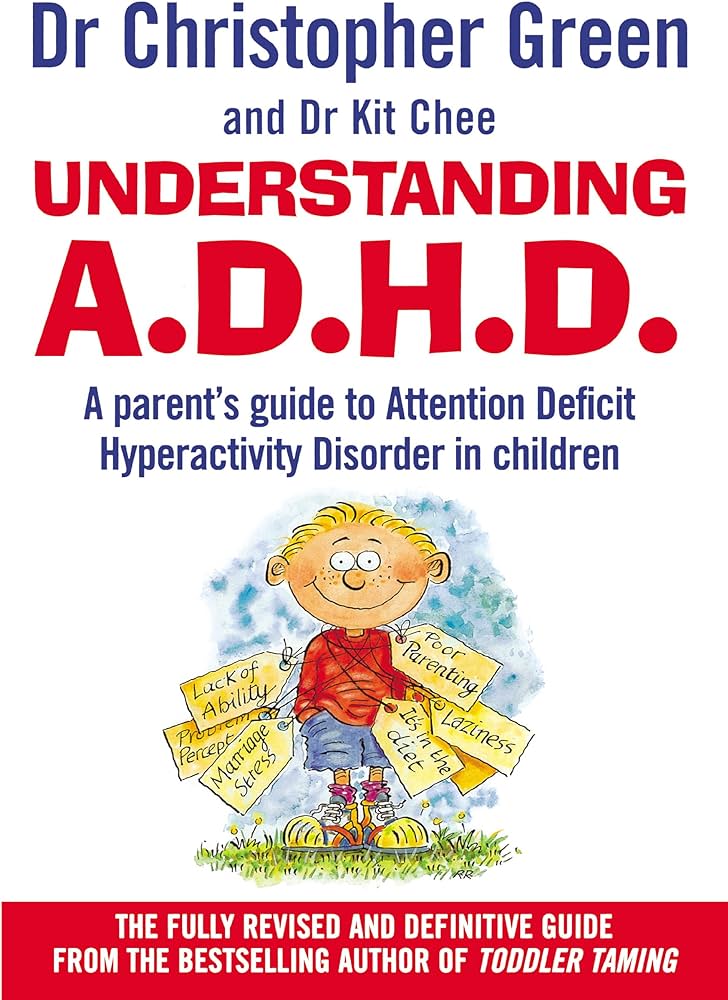
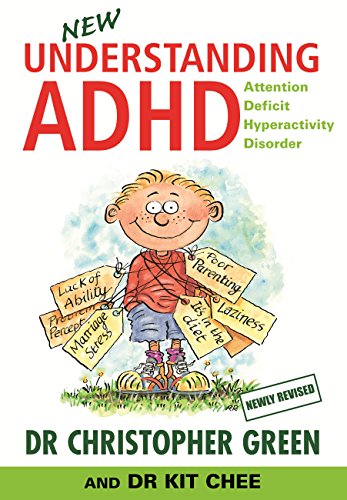
ADHD is Caused by Bad Parenting
ADHD is not caused by parenting style or discipline methods. While parenting strategies can influence behavior, ADHD is primarily a neurodevelopmental disorder with genetic and environmental factors playing a significant role in its development. Effective parenting strategies can help manage symptoms, but they do not cause ADHD.
ADHD Only Affects Children
ADHD is commonly diagnosed in childhood, but it can persist into adulthood. Many individuals who have ADHD symptoms during childhood continue to experience difficulties in adulthood. However, it is important to note that ADHD can also be diagnosed for the first time in adulthood. It is never too late to seek a diagnosis and receive appropriate support.
Conclusion
Understanding Attention Deficit Hyperactivity Disorder (ADHD) is crucial in recognizing its symptoms, addressing misconceptions, and providing appropriate support and treatment. ADHD is a complex condition with varying presentations, affecting individuals of all ages. With early identification, accurate diagnosis, and access to appropriate interventions, individuals with ADHD can lead fulfilling lives, capitalize on their strengths, and navigate their challenges more effectively. It is essential to create an inclusive and supportive environment that fosters understanding, empathy, and awareness of ADHD to empower individuals with the disorder to reach their full potential.