
If you’ve ever struggled with your relationship with food, you’re not alone. In the realm of eating disorders, binge eating disorder (BED) is an often misunderstood and overlooked condition. This article aims to shed light on BED, exploring its causes, symptoms, and treatment options. Understanding BED can help you or someone you know navigate and address this challenging disorder with compassion and knowledge. So, let’s uncover the intricacies of binge eating disorder together.
Understanding Binge Eating Disorder
Binge Eating Disorder (BED) is a serious mental health condition characterized by recurrent episodes of consuming unusually large amounts of food in a short period of time, often to the point of discomfort or pain. Unlike other eating disorders, such as anorexia or bulimia, individuals with BED do not engage in compensatory behaviors, such as purging or excessive exercise, to counteract the overeating episodes. This can result in significant physical and emotional distress, impacting both mental and physical health.
Definition of Binge Eating Disorder
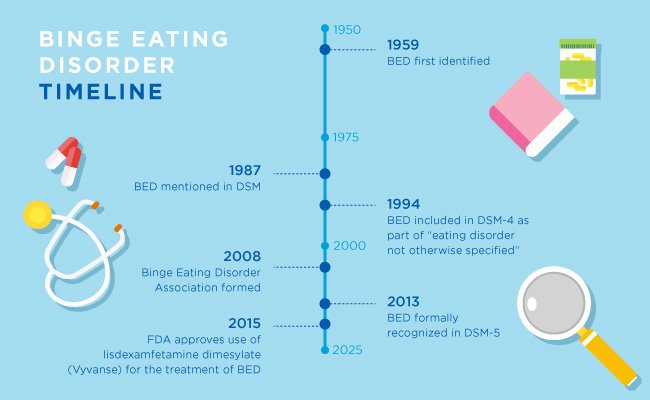
Binge Eating Disorder is officially recognized as an eating disorder by the Diagnostic and Statistical Manual of Mental Disorders, Fifth Edition (DSM-5). According to the DSM-5 criteria, individuals must experience recurrent episodes of binge eating, characterized by consuming an excessive amount of food within a discrete period of time (e.g., two hours), accompanied by a sense of lack of control. They may also experience feelings of guilt, shame, and distress following episodes of binge eating.

Prevalence and Statistics
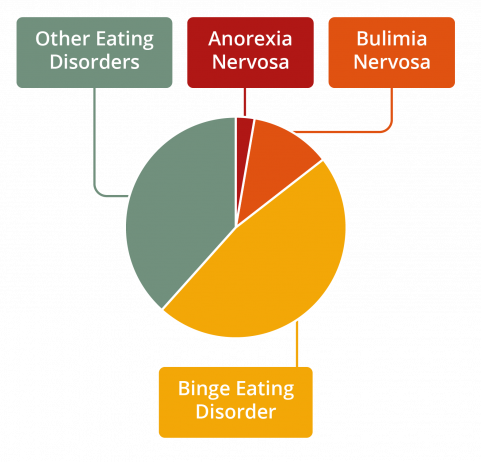
Binge Eating Disorder is more common than many people realize. It is estimated that approximately 2-3% of the general population in the United States suffers from BED, making it the most prevalent eating disorder in the country. Furthermore, studies have shown that BED affects both males and females, although it may be more frequently diagnosed in females. The disorder can occur at any age, but it often starts in late adolescence or early adulthood.
Impact on Mental and Physical Health
Binge Eating Disorder can have a profound impact on both mental and physical health. Individuals struggling with BED often experience significant distress, as the disorder may lead to feelings of shame, guilt, and low self-esteem. This can further exacerbate the cycle of binge eating and emotional distress. Additionally, the excessive intake of food during binge eating episodes may lead to significant weight gain, increasing the risk of obesity, diabetes, hypertension, and other related health problems.

Causes of Binge Eating Disorder
While the exact causes of Binge Eating Disorder are not fully understood, research suggests that a combination of psychological, genetic, and sociocultural factors may contribute to its development.
Psychological Factors
Many individuals with BED have underlying psychological issues, such as depression, anxiety, or a history of trauma. Binge eating may serve as a way to cope with negative emotions or to numb oneself from distressing feelings. Additionally, society’s emphasis on thinness and unrealistic beauty standards can contribute to body image dissatisfaction, leading to a higher risk of developing BED.
Genetic Factors
Research suggests that there may be a genetic component to the development of Binge Eating Disorder. Studies have shown that individuals with a family history of eating disorders, obesity, or mental health conditions are more likely to develop BED themselves.
Sociocultural Factors
Sociocultural factors, such as societal pressures to be thin, can greatly influence the development of Binge Eating Disorder. Media messages promoting unrealistic body ideals and the cultural norm of “dieting” can contribute to body dissatisfaction and disordered eating behaviors.
Symptoms of Binge Eating Disorder
Binge Eating Disorder is characterized by several key symptoms that can help identify the condition.
Recurrent Episodes of Binge Eating
The primary symptom of BED is the occurrence of recurrent episodes of binge eating. These episodes involve consuming larger amounts of food than most people would eat in a similar period of time under similar circumstances. This behavior occurs at least once a week for three months or longer.
Lack of Control over Eating
During episodes of binge eating, individuals with BED often experience a sense of lack of control over their eating. They may feel unable to stop eating or to control the amount of food they consume, leading to a feeling of powerlessness.
Eating in Secret or Alone
Individuals with BED often eat in secret or prefer to eat alone to avoid judgment or scrutiny from others. This behavior may contribute to feelings of shame and guilt associated with the disorder.
Feelings of Guilt and Shame
After binge eating episodes, individuals with BED typically experience intense feelings of guilt, shame, and remorse. They may be distressed by their inability to control their eating behavior or their struggle with weight and body image.

Consequences and Complications
Binge Eating Disorder can have significant consequences and complications for both mental and physical health.
Physical Health Consequences
The excessive intake of food during binge eating episodes can result in significant weight gain, leading to obesity and related health problems such as diabetes, high blood pressure, heart disease, and sleep apnea. Individuals with BED may also experience gastrointestinal issues, including digestive problems and stomach discomfort.
Psychological Consequences
The psychological impact of Binge Eating Disorder can be profound. The feelings of guilt, shame, and low self-esteem associated with the disorder can contribute to the development of depression, anxiety, and other mental health conditions. Individuals may also engage in negative self-talk and engage in further emotional eating as a way to cope with these negative emotions.
Social Consequences
Binge Eating Disorder can negatively impact an individual’s social life and relationships. The shame and guilt experienced after binge eating episodes may lead to social withdrawal, isolation, and difficulties in maintaining intimate relationships. The secretive nature of the disorder can create a sense of disconnection from others.
Diagnosis of Binge Eating Disorder
A proper diagnosis of Binge Eating Disorder is essential to ensure appropriate treatment and support. Diagnosis typically involves the following:
Diagnostic Criteria
To meet the DSM-5 criteria for BED, an individual must experience recurrent episodes of binge eating, as well as a sense of lack of control over eating during these episodes. These binge eating episodes must occur at least once a week for three months or longer.
Distinguishing from Other Eating Disorders
Binge Eating Disorder must be differentiated from other eating disorders, such as bulimia nervosa and anorexia nervosa. Unlike individuals with bulimia, individuals with BED do not engage in compensatory behaviors, such as vomiting or excessive exercise, following binge eating episodes. Differentiating BED from anorexia can be done by evaluating an individual’s weight and eating habits.
Potential Co-occurring Mental Health Conditions
It is important to assess individuals with suspected Binge Eating Disorder for co-occurring mental health conditions, such as depression or anxiety. These conditions can complicate the treatment process and may require additional interventions to address the individual’s overall well-being.
Treatment Approaches
Effective treatment options are available for individuals with Binge Eating Disorder. Treatment approaches typically involve a combination of therapy, medical management, and support.
Psychotherapy
Psychotherapy, also known as talk therapy, is often the first-line treatment for Binge Eating Disorder. Various therapeutic modalities can be utilized, including cognitive-behavioral therapy, interpersonal psychotherapy, and dialectical behavior therapy. These therapies focus on identifying and addressing the underlying factors contributing to the development and maintenance of binge eating behaviors.
Cognitive-Behavioral Therapy
Cognitive-Behavioral Therapy (CBT) is particularly effective in treating Binge Eating Disorder. CBT helps individuals develop skills to identify and challenge negative thoughts and beliefs related to food, body image, and self-worth. It also teaches healthier coping mechanisms to manage stress and emotions without resorting to binge eating.
Interpersonal Psychotherapy
Interpersonal Psychotherapy (IPT) focuses on exploring and addressing the interpersonal issues that may contribute to binge eating behaviors. By improving communication and relationship skills, IPT can help individuals develop healthier strategies for managing emotions and triggering situations.
Dialectical Behavior Therapy
Dialectical Behavior Therapy (DBT) combines elements of CBT and mindfulness techniques. It can be beneficial for individuals with Binge Eating Disorder who struggle with emotion regulation and self-soothing. DBT helps individuals develop alternative coping strategies and improve self-care practices.
Medical Management
In some cases, medication may be prescribed as part of the treatment plan for Binge Eating Disorder. Medications such as selective serotonin reuptake inhibitors (SSRIs) and Vyvanse may help reduce binge eating episodes and manage related mental health conditions, such as depression or anxiety.
Supportive and Group Therapies
Supportive and group therapies provide individuals with a safe and supportive environment to share experiences, receive encouragement, and learn from others who are facing similar challenges. Group therapy can also help individuals develop a sense of belonging and reduce feelings of isolation.
Nutritional Counseling
Working with a registered dietitian or nutritionist can be an integral part of the treatment process for Binge Eating Disorder. These professionals can help individuals develop a balanced approach to nutrition, address disordered eating patterns, and create individualized meal plans that promote physical and mental well-being.
Self-Care Strategies
In addition to professional treatment, individuals with Binge Eating Disorder can benefit from implementing self-care strategies in their daily lives.
Developing Healthy Eating Habits
Focusing on implementing healthy and balanced eating habits can be a crucial part of recovery from Binge Eating Disorder. This may involve practicing mindful eating, seeking professional guidance for meal planning, and establishing regular meal times.
Building a Supportive Network
Seeking support from trusted friends, family members, or support groups can provide individuals with the encouragement and understanding they need to navigate their recovery journey. Building a supportive network of people who can validate their experiences and provide a listening ear can be instrumental in maintaining motivation and accountability.
Stress Management Techniques
Finding healthy ways to manage stress is essential for individuals with Binge Eating Disorder. Engaging in activities such as meditation, deep breathing exercises, journaling, or engaging in hobbies can help reduce stress levels, improve mood, and decrease the likelihood of turning to binge eating as a coping mechanism.
Regular Physical Activity
Incorporating regular physical activity into one’s routine can have numerous benefits for individuals with Binge Eating Disorder. Exercise not only supports physical health but also improves mood, reduces stress, and can serve as a healthy outlet for emotions. It is important to choose activities that one enjoys and to focus on the joy of movement rather than solely on weight loss or calorie burn.
Prevention and Early Intervention
Promoting awareness and implementing preventive measures can help reduce the prevalence of Binge Eating Disorder and mitigate its impact.
Promoting Positive Body Image
Promoting positive body image and self-acceptance can help prevent the development of Binge Eating Disorder. Educating individuals about the unrealistic nature of media images, celebrating diverse body shapes and sizes, and encouraging self-care rather than focusing solely on appearance can help promote a healthier relationship with food and body.
Educating about Healthy Eating Patterns
Educating individuals about balanced and nutritious eating patterns can help prevent the development of disordered eating behaviors. Providing information about the importance of regular meals, mindful eating, and the benefits of a varied and balanced diet can empower individuals to make healthier choices from an early age.
Recognizing and Addressing Emotional Factors
Recognizing and addressing emotional factors that may contribute to the development of Binge Eating Disorder is crucial. By promoting emotional intelligence, teaching healthy coping mechanisms, and creating safe spaces for individuals to express and process their emotions, early interventions can help prevent the escalation of disordered eating behaviors.
Support Resources
Various support resources are available for individuals with Binge Eating Disorder and their loved ones. These resources offer information, guidance, and a sense of community for those affected.
Binge Eating Disorder Organizations
Organizations such as the National Eating Disorders Association (NEDA) and the Binge Eating Disorder Association (BEDA) offer valuable resources, including educational materials, support groups, and referrals to treatment providers specializing in Binge Eating Disorder.
Online Support Groups
Online support groups provide individuals with the opportunity to connect with others facing similar challenges. Websites and forums, such as Eating Disorder Hope and The Emily Program, offer online communities where individuals can find support, share their experiences, and gain advice from others who have firsthand knowledge of Binge Eating Disorder.
Books and Publications
Books and publications aimed at individuals with Binge Eating Disorder can offer valuable insights and strategies for recovery. Some recommended titles include “Overcoming Binge Eating” by Christopher G. Fairburn and “Brain over Binge” by Kathryn Hansen.
Conclusion
Binge Eating Disorder is a complex and serious condition that can have significant impacts on both mental and physical health. Understanding the causes, symptoms, and treatment approaches for BED is essential for promoting early intervention and effective support. Through a combination of therapy, self-care strategies, and support resources, individuals with Binge Eating Disorder can find hope and recovery on their journey towards a healthier relationship with food and themselves.