
Have you ever wondered about the causes, symptoms, and treatments of hepatitis? This article aims to provide a comprehensive understanding of this liver disease, shedding light on its various forms and the factors contributing to its development. From discussing the different types of hepatitis to delving into the common symptoms one might experience, we will also explore the available treatments for this condition. By the end, you will have a clear grasp of what hepatitis entails and how it can be managed effectively. So, let’s start unraveling the mysteries of hepatitis together!

What is Hepatitis?
Hepatitis is a term used to describe inflammation of the liver. It can be caused by several factors, including viral infections, alcohol and substance abuse, autoimmune diseases, toxicity, and other causes. Hepatitis can vary in severity, ranging from mild and self-limiting to chronic and life-threatening.
Definition
Hepatitis refers to the inflammation of the liver, which can impair its ability to function properly. The liver plays a crucial role in detoxifying the body, producing important proteins, and metabolizing nutrients. When the liver becomes inflamed, it can lead to a range of symptoms and complications.
Types of Hepatitis
There are several different types of hepatitis, including hepatitis A, B, C, D, and E. Each type is caused by a different virus and has distinct characteristics. Hepatitis A and E are typically acute infections that resolve on their own, while hepatitis B, C, and D can become chronic and lead to long-term liver damage.
Causes of Hepatitis
Hepatitis can be caused by various factors, including viral infections, alcohol and substance abuse, autoimmune diseases, toxicity, and other less common causes.
Viral Infections
One of the primary causes of hepatitis is viral infections. Hepatitis A and E are spread primarily through contaminated food and water, while hepatitis B, C, and D are mainly transmitted through contact with infected blood, sexual intercourse, or from mother to child during childbirth.
Alcohol and Substance Abuse
Excessive alcohol consumption and substance abuse can lead to hepatitis. Prolonged and heavy alcohol use can cause alcoholic hepatitis, which can progress to liver cirrhosis. Illicit drug use, such as injection drug use with shared needles, can also increase the risk of hepatitis B and C.
Autoimmune Diseases
Autoimmune diseases, such as autoimmune hepatitis, can cause the body’s immune system to mistakenly attack the liver. This can result in ongoing inflammation and damage to the liver cells.
Toxicity
Certain medications, chemicals, and toxins can cause hepatitis when the liver is exposed to them. This can include long-term exposure to medications like acetaminophen, as well as exposure to industrial chemicals and environmental toxins.
Other Causes
There are other less common causes of hepatitis, such as genetic disorders, metabolic diseases, and vascular disorders. These causes are usually rare but can still lead to liver inflammation and damage.

Symptoms of Hepatitis
The symptoms of hepatitis can vary depending on the type and severity of the infection. Some common symptoms of hepatitis include fatigue, jaundice (yellowing of the skin and eyes), abdominal pain, loss of appetite, nausea, vomiting, dark urine, and pale stools.
Common Symptoms
Fatigue and general weakness are often early signs of hepatitis. Jaundice, which is caused by the buildup of bilirubin in the body, can give the skin and eyes a yellowish appearance. Abdominal pain and discomfort, often in the upper right quadrant, may also be present. Other symptoms can include a low-grade fever, muscle and joint pain, and a general feeling of being unwell.
Acute vs Chronic Hepatitis Symptoms
Acute hepatitis is a short-term infection that typically resolves on its own, whereas chronic hepatitis persists for longer periods and can lead to long-term liver damage. In chronic hepatitis, symptoms may be less noticeable and may develop gradually over time. Fatigue, jaundice, and abdominal pain can still be present, but individuals with chronic hepatitis may also experience weight loss, fluid retention, and the development of spider-like blood vessels on the skin.
Complications of Hepatitis
If left untreated or unmanaged, hepatitis can lead to various complications, including liver cirrhosis, liver cancer, and liver failure.
Liver Cirrhosis
Liver cirrhosis is a late-stage liver disease in which healthy liver tissue is replaced with scar tissue. This can inhibit the liver’s ability to function properly, leading to a range of complications, including fluid buildup in the abdomen, easy bleeding, and mental confusion.
Liver Cancer
Long-term inflammation of the liver due to chronic hepatitis can increase the risk of developing liver cancer, also known as hepatocellular carcinoma. Regular monitoring and early detection are essential to improve the prognosis of liver cancer.
Liver Failure
Severe and long-standing hepatitis can eventually lead to liver failure. This occurs when the liver can no longer perform its vital functions, resulting in a life-threatening situation. Liver failure may require urgent medical intervention, including a liver transplant.
Diagnosing Hepatitis
Diagnosing hepatitis involves a combination of physical examination, liver function tests, viral testing, and in some cases, a liver biopsy.
Physical Examination
During a physical examination, a healthcare provider will assess the patient’s overall health, including checking for signs of jaundice, abdominal tenderness, and any potential symptoms of hepatitis. The medical history and risk factors will also be evaluated.
Liver Function Tests
Liver function tests involve measuring levels of enzymes and proteins in the blood that indicate how well the liver is functioning. Abnormal results may suggest liver inflammation or damage.
Viral Testing
Different types of viral testing can be done to identify the specific virus causing hepatitis. This can include blood tests to detect antibodies or genetic material of the virus.
Biopsy
In some cases, a liver biopsy may be recommended to analyze a small sample of liver tissue to assess the extent of inflammation and damage. This procedure involves inserting a needle into the liver and extracting a tiny sample for examination under a microscope.
Preventing Hepatitis
Prevention is crucial in reducing the incidence of hepatitis. There are several measures individuals can take to prevent the spread of hepatitis.
Vaccinations
Vaccinations are available for hepatitis A and B. These vaccines can provide long-lasting immunity and are especially important for individuals at higher risk of exposure, such as healthcare workers, travelers to endemic areas, and individuals with chronic liver disease.
Safe Needle Use
Proper disposal of needles and syringes and the use of sterile equipment are essential in preventing hepatitis transmission, particularly hepatitis B and C. This applies to both healthcare settings and for those using needles at home, such as individuals with diabetes.
Safe Sex Practices
Practicing safe sex by using barrier methods, such as condoms, can help reduce the transmission of hepatitis B and C, as well as other sexually transmitted infections.
Preventing Alcohol and Drug Abuse
Avoiding excessive alcohol consumption and substance abuse is crucial in preventing hepatitis related to these factors. Education on the risks and proper management of alcohol and drug use should be promoted to minimize the occurrence of hepatitis.
Food and Water Safety
Practicing good hygiene and ensuring proper food and water safety measures are essential in preventing hepatitis A and E, which can be spread through contaminated food and water sources.

Treating Hepatitis
The treatment of hepatitis depends on the type and severity of the infection. Treatment aims to reduce inflammation, prevent complications, and support liver function.
Antiviral Medications
Antiviral medications can be used to treat certain types of viral hepatitis, such as hepatitis B and C. These medications can help suppress viral replication, reduce liver inflammation, and improve liver function.
Interferon Therapy
In some cases, interferon therapy may be used as a treatment option for hepatitis B and C. Interferons are synthetic versions of naturally occurring proteins that can stimulate the immune system’s response to the virus.
Liver Transplant
In severe cases of hepatitis where the liver becomes severely damaged or fails completely, a liver transplant may be necessary. This involves replacing the damaged liver with a healthy liver from a deceased or living donor.
Supportive Care
Supportive care plays a vital role in managing hepatitis by alleviating symptoms, supporting overall health, and preventing complications. This can include lifestyle modifications, dietary changes, and regular monitoring of liver function.
Hepatitis A
Hepatitis A is a viral infection that is primarily transmitted through contaminated food and water. It is typically an acute infection and does not lead to chronic liver disease.
Causes
Hepatitis A is caused by the hepatitis A virus (HAV), which is commonly found in the feces of infected individuals. It can be contracted by ingesting food or water contaminated with the virus.
Symptoms
Symptoms of hepatitis A can range from mild to severe and may include fatigue, loss of appetite, nausea, abdominal pain, dark urine, pale stools, fever, and jaundice.
Treatment
Treatment for hepatitis A is mainly focused on supportive care, as the infection typically resolves on its own. Rest, adequate nutrition, and avoiding alcohol are recommended. Vaccination is also available for long-term prevention.

Hepatitis B
Hepatitis B is a viral infection that can lead to both acute and chronic liver disease. It is primarily transmitted through contact with infected blood, sexual intercourse, or from mother to child during childbirth.
Causes
Hepatitis B is caused by the hepatitis B virus (HBV). It is commonly spread through unprotected sex, sharing needles, and from an infected mother to her newborn during childbirth.
Symptoms
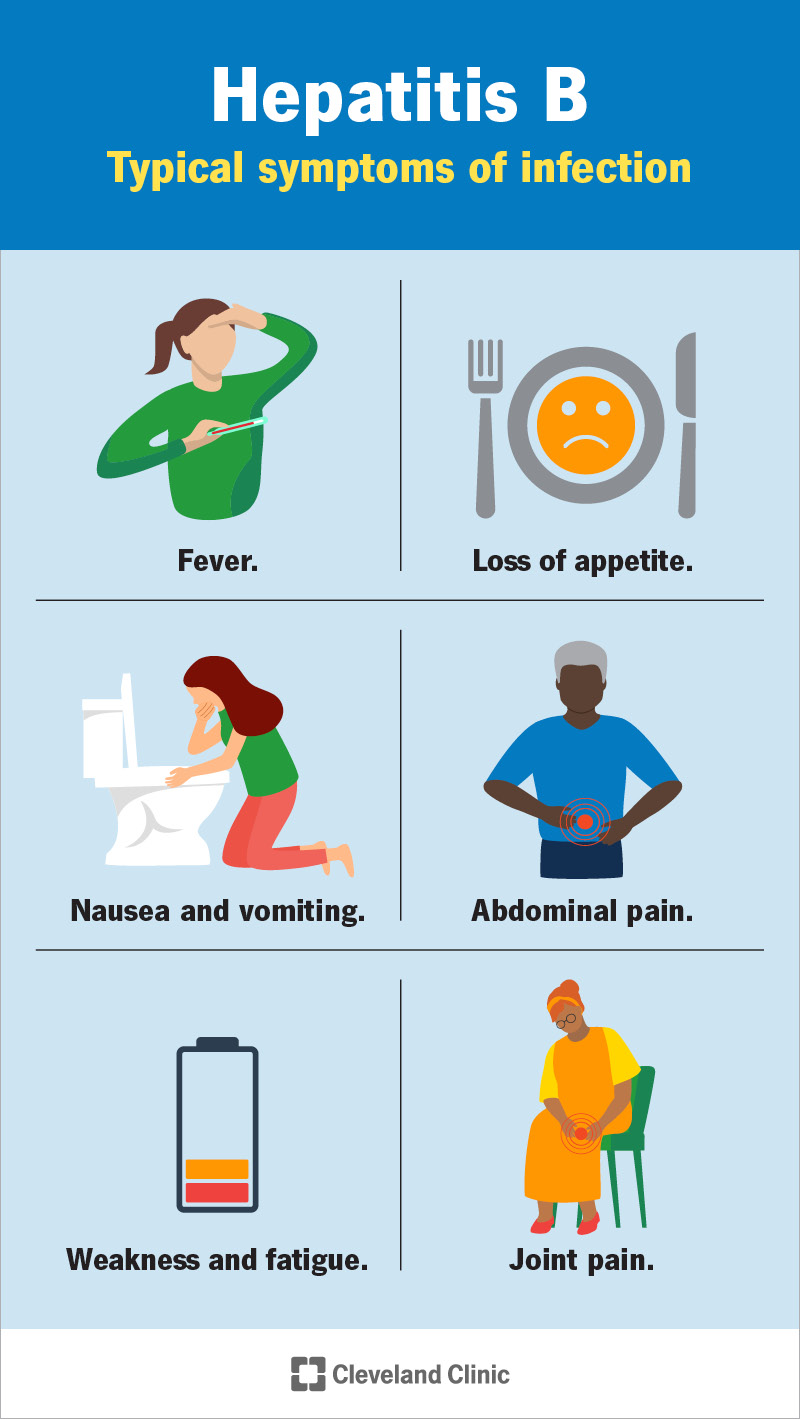
Symptoms of hepatitis B can vary, ranging from mild to severe. They may include fatigue, abdominal pain, loss of appetite, jaundice, joint pain, and nausea. Some individuals may be asymptomatic and only discover they have hepatitis B through routine blood tests.
Treatment
Treatment for hepatitis B includes antiviral medications that help suppress viral replication, reduce liver inflammation, and prevent long-term complications. Regular monitoring of liver function and vaccination to prevent further infection are also important aspects of hepatitis B management.
Hepatitis E
Hepatitis E is a viral infection that is primarily transmitted through contaminated food and water. It is similar to hepatitis A in terms of its acute nature.
Causes
Hepatitis E is caused by the hepatitis E virus (HEV) and is commonly spread through the consumption of food or water contaminated with the virus. It is most prevalent in developing countries with inadequate sanitation systems.
Symptoms
Hepatitis E symptoms can include fatigue, loss of appetite, jaundice, abdominal pain, nausea, vomiting, and fever. In pregnant women, hepatitis E can lead to more severe complications and a higher risk of mortality.
Treatment
Similar to hepatitis A, treatment for hepatitis E is primarily supportive care. This includes rest, adequate nutrition, and avoiding alcohol. Severe cases may require hospitalization and monitoring of liver function. Vaccination for long-term prevention is not widely available yet.
In conclusion, hepatitis is a condition characterized by inflammation of the liver that can be caused by viral infections, alcohol and substance abuse, autoimmune diseases, toxicity, and other factors. It can lead to various symptoms and complications, such as liver cirrhosis, liver cancer, and liver failure. Diagnosing hepatitis involves a combination of physical examination, liver function tests, viral testing, and sometimes a liver biopsy. Prevention is key in reducing the incidence of hepatitis, and measures such as vaccinations, safe needle use, safe sex practices, preventing alcohol and drug abuse, and practicing food and water safety can help minimize the risk. Treatment options for hepatitis include antiviral medications, interferon therapy, liver transplant, and supportive care. Understanding the different types of hepatitis, such as hepatitis A, B, and E, can help individuals recognize the causes, symptoms, and available treatments for each specific type. Overall, early detection, proper management, and prevention are essential in combating hepatitis and ensuring liver health.