
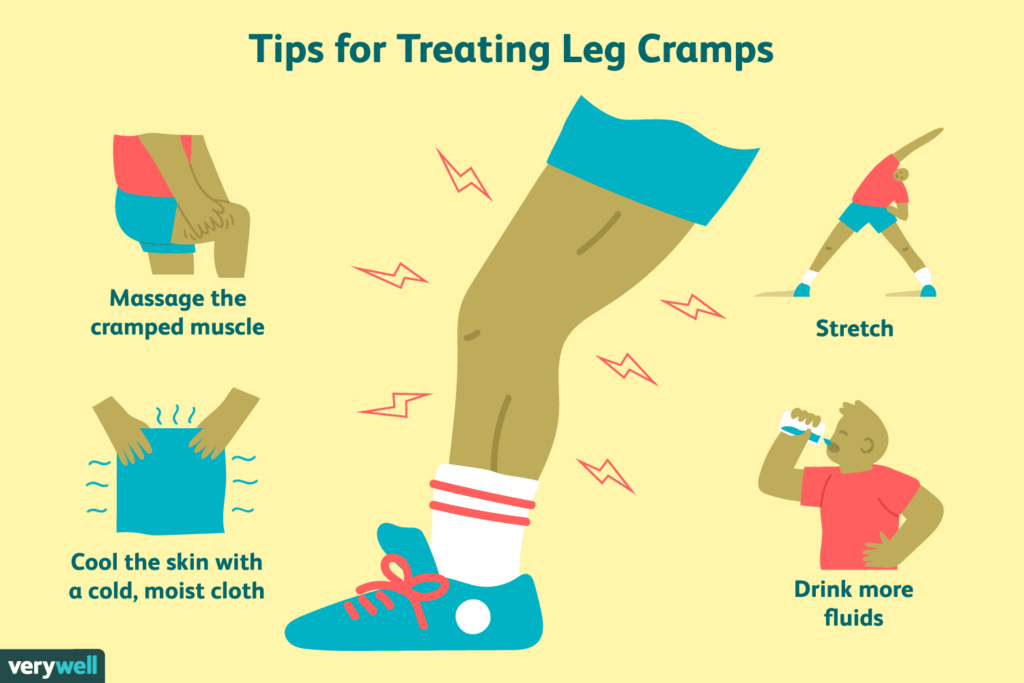
Hey there! If you’ve ever experienced the agony of a leg cramp, you know just how important it is to understand what causes them and how to find some relief. Whether it’s waking you up in the middle of the night or striking during your daily workout, leg cramps can be a real pain. But fear not, because in this article, we’ll explore the various causes behind those pesky leg cramps and share some effective solutions to help you tackle them head-on. So, sit back, relax, and get ready to bid farewell to those cramps once and for all!
Causes of Leg Cramps
Leg cramps are a common and often painful experience that many people have encountered at some point in their lives. These sudden, involuntary contractions of the leg muscles can occur for a variety of reasons. Understanding the causes of leg cramps is essential in finding effective ways to prevent and manage them. Here, we will explore the various factors that can contribute to the occurrence of leg cramps. By gaining insight into these causes, you can take steps to alleviate this troublesome condition.

Muscle fatigue
One common cause of leg cramps is muscle fatigue. This occurs when your muscles become tired due to overexertion or prolonged activity. When the muscles in your legs are fatigued, they are more prone to cramping. This is particularly true if you engage in repetitive movements or exercises that place excessive strain on your leg muscles. Over time, this strain can lead to the development of leg cramps.
To understand the link between muscle fatigue and leg cramps, it is important to define what muscle fatigue is. Muscle fatigue refers to the decline in muscle performance due to the accumulation of lactic acid, a byproduct of glucose metabolism. When your muscles are fatigued, they are more likely to contract involuntarily, resulting in the onset of leg cramps.
Dehydration
Dehydration is another common cause of leg cramps. When your body does not have enough water, it can disrupt the normal functioning of your muscles. Water plays a vital role in muscle function, as it helps to maintain proper muscle contraction and relaxation. Without adequate hydration, your muscles may become more susceptible to cramping.
Signs and symptoms of dehydration include increased thirst, dry mouth, dark-colored urine, fatigue, and dizziness. If you experience any of these symptoms, it is crucial to replenish your body’s water levels to avoid the onset of leg cramps.
Electrolyte imbalances
Electrolytes are minerals in your body that carry an electrical charge. They play a crucial role in muscle contraction and relaxation. Common electrolytes include potassium, sodium, calcium, and magnesium. When these electrolytes are imbalanced, it can disrupt the normal functioning of your muscles and lead to leg cramps.
There are several factors that can contribute to electrolyte imbalances, such as excessive sweating, certain medications, and underlying medical conditions. It is important to maintain a balance of electrolytes in your body to prevent leg cramps. This can be achieved through a healthy, balanced diet and proper hydration.
Poor circulation
Poor circulation is another potential cause of leg cramps. When blood flow to your legs is restricted or inadequate, it can lead to muscle cramping. Various factors can contribute to poor circulation, including peripheral artery disease, diabetes, obesity, and sedentary lifestyle.
The impact of poor circulation on leg muscles is significant. When blood flow is compromised, muscles may not receive enough oxygen and nutrients, resulting in muscle cramps. Addressing the underlying cause of poor circulation is crucial in managing and preventing leg cramps associated with this condition.

Muscle overuse
Muscle overuse is a common cause of leg cramps, especially in individuals who engage in repetitive movements or strenuous physical activities. When you push your muscles beyond their normal range of motion or engage in repetitive strain, it can lead to muscle fatigue and cramping.
To prevent muscle overuse-related leg cramps, it is important to incorporate proper warm-up and cooldown routines into your exercise regimen. Additionally, listening to your body and allowing for adequate rest and recovery can help prevent muscle overuse and the subsequent cramping.
Nerve compression
Nerve compression can also contribute to the occurrence of leg cramps. This occurs when the nerves in your legs become compressed or squeezed, leading to pain and muscle cramping. Common conditions that cause nerve compression include herniated discs, sciatica, and peripheral neuropathy.
When nerves are compressed, it can disrupt the normal signals between your brain and muscles, resulting in muscle cramps. Treating the underlying cause of nerve compression is essential to alleviate leg cramps associated with this condition.

Medication side effects
Certain medications can have leg cramps as a side effect. These medications often interfere with the normal functioning of your muscles and can lead to cramping. Examples of medications associated with leg cramps include diuretics, statins, beta-blockers, and certain asthma medications.
If you experience leg cramps as a side effect of medication, it is important to speak with your healthcare provider. They may be able to adjust your medication dosage or provide alternative options to alleviate the discomfort.
Pregnancy
Pregnancy is a unique physiological state that can increase the likelihood of leg cramps. Hormonal changes during pregnancy can lead to muscle imbalances and cramping. Additionally, the increased weight and pressure on the legs can contribute to the occurrence of leg cramps.
To alleviate leg cramps during pregnancy, it is important to stay hydrated, engage in regular gentle exercise, and practice stretching exercises that target the leg muscles. Consulting with your healthcare provider can provide additional guidance and support during this time.

Underlying medical conditions
Leg cramps can also be a symptom of underlying medical conditions such as diabetes, kidney disease, thyroid disorders, and nerve conditions. These conditions can affect the normal functioning of muscles and nerves, leading to cramping.
If you experience frequent or severe leg cramps, it is essential to consult with a healthcare professional. They can evaluate your symptoms and perform necessary tests to determine if an underlying medical condition is causing your leg cramps.
Age-related factors
Age-related factors can also contribute to the occurrence of leg cramps, particularly in older adults. As we age, our muscles tend to lose strength and flexibility, making them more susceptible to cramping. Additionally, age-related medical conditions such as arthritis and peripheral artery disease can increase the risk of leg cramps.
Addressing leg cramps in older adults involves a comprehensive approach that includes regular exercise, proper hydration, maintaining a healthy diet, and managing underlying medical conditions. Consulting with a healthcare professional can provide personalized recommendations based on your specific needs.
In conclusion, leg cramps can be caused by various factors, ranging from muscle fatigue and dehydration to electrolyte imbalances and underlying medical conditions. By understanding the causes of leg cramps, you can take proactive measures to prevent and manage this uncomfortable condition. Whether it’s through proper hydration, regular exercise, or addressing underlying medical conditions, finding effective solutions to leg cramps is within your reach. Remember to consult with a healthcare professional for personalized advice tailored to your situation.