
Leg cramps can be a painful and annoying occurrence that disrupts your daily activities. Whether it happens during exercise or in the middle of the night, the discomfort can be unbearable. But fear not, as there are effective ways to prevent leg cramps and ensure a cramp-free life. This article will provide you with valuable tips and techniques to keep your legs happy and pain-free. So, say goodbye to those painful muscle contractions and say hello to a more relaxed and comfortable lifestyle.
Stretching and exercising
Stretching before physical activity
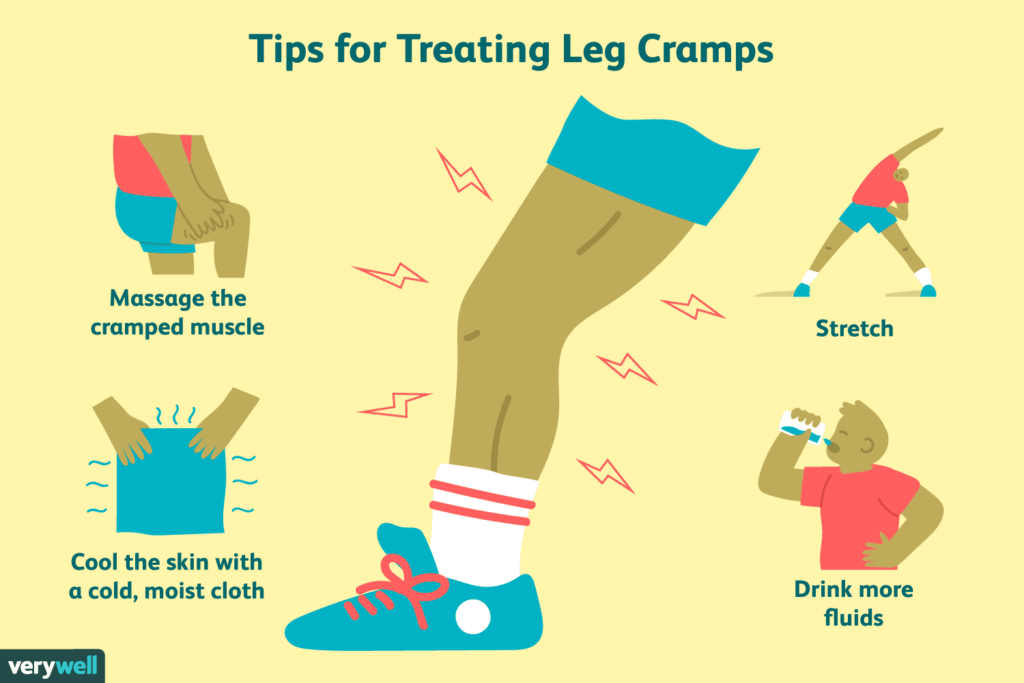
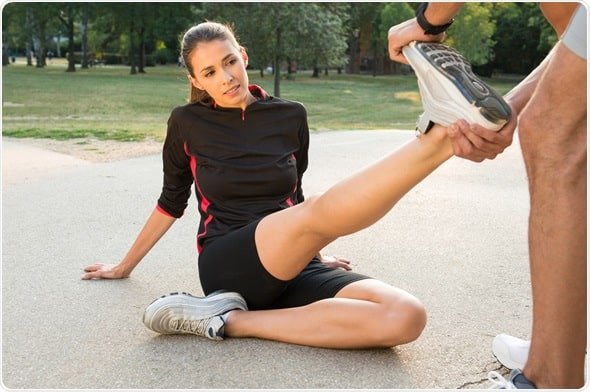
Stretching before engaging in physical activity is an essential component of a comprehensive warm-up routine. It helps prepare your muscles, tendons, and ligaments for the upcoming exercise by increasing blood flow and flexibility. Dynamic stretches, such as leg swings, lunges, and calf raises, are particularly beneficial before activities that involve repetitive leg movements, like running or cycling. By incorporating stretching into your pre-workout routine, you can significantly reduce the risk of leg cramps and improve your overall performance.
Regular exercise routine
Establishing a regular exercise routine is another effective way to prevent leg cramps. Engaging in regular physical activity helps improve muscle strength, endurance, and flexibility, reducing the likelihood of experiencing muscle cramps. Aim for at least 150 minutes of moderate-intensity aerobic activity, such as brisk walking or cycling, per week. Additionally, include strength training exercises on two or more days to enhance overall muscle function and prevent imbalances that could lead to cramping.
Strengthening exercises
Incorporating specific strengthening exercises into your workout routine can help target the muscles most prone to cramping. Exercises such as calf raises, squats, lunges, and leg presses can strengthen the leg muscles, promoting better stability and decreasing the risk of cramping. It is important to start with lighter weights and gradually increase the intensity as your muscles adapt and become stronger. Remember to always maintain proper form during these exercises to avoid injury.
Range of motion exercises
Range of motion exercises are crucial for maintaining flexibility and preventing muscle imbalances that can contribute to leg cramps. Focus on exercises that target the lower extremities, such as ankle circles, heel-to-toe walks, and leg swings. These exercises help improve joint mobility and increase blood flow to the muscles, reducing the likelihood of cramping. It is recommended to perform range of motion exercises daily or at least several times a week to maximize their benefits and prevent muscle stiffness.
Proper hydration
Importance of staying hydrated
Staying adequately hydrated is paramount in preventing leg cramps. Dehydration can lead to an imbalance of electrolytes, such as sodium, potassium, calcium, and magnesium, which are essential for muscle function. When the levels of these electrolytes are disrupted, it can increase the likelihood of muscle cramps. By maintaining proper hydration, you can ensure that your muscles have the necessary electrolytes to function optimally and decrease the risk of cramping.
Recommended daily water intake
The amount of water you should consume daily depends on various factors, such as age, weight, activity level, and climate. However, a general guideline is to drink at least eight glasses (8 ounces each) of water per day. If you engage in intense physical activity or live in a hot, humid environment, you may need to increase your water intake to compensate for the extra fluid loss through sweating. Consulting with a healthcare professional can help determine your specific hydration needs.
Hydrating before, during, and after exercise
To prevent leg cramps during exercise, it is important to properly hydrate before, during, and after physical activity. Begin by drinking 16 to 20 ounces of water or a sports drink at least two hours before your workout. During your exercise session, aim to consume 7 to 10 ounces of water or a sports drink every 10 to 20 minutes to replenish the fluid lost through sweat. After finishing your workout, continue hydrating by drinking an additional 16 to 24 ounces of water within two hours. This regimen will help maintain optimal hydration levels, reducing the risk of muscle cramps.
Drinking electrolyte-rich fluids
In addition to drinking water, consuming electrolyte-rich fluids can provide the necessary minerals to prevent leg cramps. Sports drinks or electrolyte solutions contain sodium, potassium, and other essential electrolytes that are lost through sweat during intense physical activity. These beverages can help replenish electrolytes and maintain proper fluid balance, reducing the chances of muscle cramping. It is important to note that while sports drinks can be beneficial for those engaged in prolonged or high-intensity exercise, they should be consumed in moderation to avoid excessive sugar intake.

Balanced diet
Importance of a balanced diet
Maintaining a balanced diet is crucial for overall health, including preventing leg cramps. A diet that incorporates a variety of nutrient-dense foods provides the body with essential vitamins, minerals, and electrolytes necessary for optimal muscle function. A balanced diet ensures an adequate intake of nutrients like calcium, potassium, magnesium, and sodium, which play significant roles in preventing muscle cramps. By making healthier food choices, you can support muscle health and decrease the occurrence of leg cramps.
Including foods rich in electrolytes
To prevent leg cramps, it is important to include foods in your diet that are rich in electrolytes. Foods such as bananas, oranges, avocados, sweet potatoes, and leafy green vegetables are excellent sources of potassium, which is essential for proper muscle function. Additionally, dairy products, fortified plant-based milk, and dark leafy greens provide calcium, another electrolyte that aids in muscle contraction. Including these foods in your diet can help maintain electrolyte balance and reduce the likelihood of leg cramps.
Consuming magnesium and potassium-rich foods
Magnesium and potassium are two crucial minerals for preventing muscle cramps. Consuming foods rich in these minerals can contribute to muscle health and reduce the risk of leg cramps. Magnesium-rich foods include nuts, seeds, legumes, whole grains, and leafy green vegetables. Potassium-rich foods include bananas, oranges, tomatoes, potatoes, and spinach. Incorporating these foods into your regular meals and snacks can provide the necessary nutrients to support healthy muscle function.
Avoiding excessive caffeine and alcohol intake
Excessive consumption of caffeine and alcohol can have detrimental effects on muscle health and increase the likelihood of muscle cramps. Both substances can contribute to dehydration, disrupt electrolyte balance, and interfere with proper muscle contraction. While moderate consumption of caffeine and alcohol is generally considered safe, it is important to be mindful of your intake and balance it with adequate hydration and a balanced diet. Limiting caffeine and alcohol can help prevent leg cramps and promote overall muscle health.
Maintaining healthy weight
The impact of excess weight on leg cramps
Excess weight can put additional strain on your leg muscles and joints, increasing the risk of leg cramps. Carrying excess weight can lead to muscle imbalances, added stress on the leg muscles, and a higher likelihood of developing conditions like peripheral artery disease and diabetes, which can contribute to leg cramps. By maintaining a healthy weight, you can alleviate the burden on your leg muscles, reducing the occurrence of cramps and promoting overall leg health.
Benefits of maintaining a healthy weight
Maintaining a healthy weight not only helps prevent leg cramps but also offers numerous benefits to overall health and well-being. Achieving and maintaining a healthy weight can improve cardiovascular health, reduce the risk of chronic diseases, such as diabetes and hypertension, and enhance overall energy levels. By incorporating a balanced diet and regular exercise into your lifestyle, you can achieve a healthy weight, support muscle health, and minimize the occurrence of leg cramps.
Implementing a balanced diet and regular exercise for weight management
Implementing a balanced diet and regular exercise routine are key components of weight management. A balanced diet, rich in whole foods and limited in processed and high-calorie foods, can support weight loss and help maintain a healthy weight. Additionally, regular physical activity, such as aerobic exercises, strength training, and flexibility exercises, can contribute to calorie burning, muscle building, and improved metabolism. By combining a balanced diet and regular exercise, you can achieve weight management goals and reduce the risk of leg cramps.

Avoiding high heels and uncomfortable shoes
Negative effects of high heels on leg muscles
Wearing high heels can have negative effects on your leg muscles and increase the likelihood of leg cramps. High heels alter the biomechanics of walking, placing excessive pressure on the calf muscles and limiting their full range of motion. Prolonged wearing of high heels can lead to muscle imbalances, shortened Achilles tendons, and increased tension in the calf muscles, making them more susceptible to cramping. It is advisable to limit wearing high heels and choose more comfortable footwear to maintain optimal leg muscle health.
Choosing comfortable and supportive footwear
Selecting comfortable and supportive footwear is crucial for preventing leg cramps. Opt for shoes that provide adequate arch support, cushioning, and stability to minimize stress on your leg muscles and joints. Look for shoes with a wide toe box that allows your toes to move freely and flex naturally. When buying new shoes, ensure proper sizing and fit to avoid rubbing or squashing the feet, which can lead to muscle cramps. Investing in quality footwear that prioritizes comfort and support can significantly reduce the incidence of leg cramps.
Proper shoe fitting
Proper shoe fitting is essential in preventing leg cramps. Ill-fitting shoes can cause discomfort and contribute to muscle imbalances and tension. Make sure the shoes you wear have enough room in the toe box to allow your toes to move freely. Check that the shoes are neither too loose nor too tight, as both can lead to muscle cramps. When buying shoes, it is recommended to try them on in the afternoon or evening when your feet may be slightly swollen to ensure a true fit. Taking the time to find the right shoes that fit properly can do wonders for preventing leg cramps.
Maintaining good posture
Effects of poor posture on leg muscles
Poor posture can have adverse effects on your leg muscles and increase the risk of leg cramps. Slouching or sitting with rounded shoulders can cause imbalances in the muscles of the lower back, hips, and legs. These imbalances can lead to increased tension in the leg muscles and reduced blood flow, which can contribute to cramping. Maintaining good posture, both while sitting and standing, helps keep your leg muscles in proper alignment, reducing the strain and minimizing the likelihood of leg cramps.
Ergonomic workstation setup
Creating an ergonomic workstation setup is essential in promoting good posture and preventing leg cramps. Ensure that your chair is adjustable, allowing your feet to rest flat on the floor or on a footrest if needed. Position your computer monitor at eye level and keep your keyboard and mouse at a comfortable height to avoid slumping forward or straining your shoulders and neck. Taking regular breaks to stretch and walk around can also help relieve muscle tension and promote better blood flow to the legs.
Proper standing and walking posture
Maintaining proper standing and walking posture is crucial for healthy leg muscles and preventing cramps. When standing, distribute your weight evenly on both feet, with your shoulders relaxed and pulled back. Avoid locking your knees or hunching your back. When walking, keep your head up, shoulders back, and abdomen pulled in. Allow your arms to swing naturally by your sides. Engaging in regular exercise that targets the core and postural muscles, such as Pilates or yoga, can also help improve posture and reduce the risk of leg cramps.

Managing stress
Impact of stress on muscle tension
Stress can have a significant impact on muscle tension and increase the likelihood of leg cramps. When the body experiences stress, it releases hormones like cortisol, which can lead to increased muscle tension and tightness, particularly in the legs. Chronic stress can cause prolonged muscle contraction, reducing blood flow and increasing the risk of cramps. Effective stress management techniques are crucial in minimizing muscle tension and preventing leg cramps.
Stress reduction techniques
Incorporating stress reduction techniques into your daily routine can significantly help prevent leg cramps. Deep breathing exercises, meditation, and yoga are effective techniques for promoting relaxation and reducing stress levels. These practices help calm the nervous system, decrease muscle tension, and improve blood circulation throughout the body, including the legs. Regular participation in activities you enjoy, such as hobbies or spending time with loved ones, can also be effective in reducing stress and minimizing the occurrence of leg cramps.
Relaxation exercises and activities
Engaging in relaxation exercises and activities can provide relief from muscle tension and contribute to preventing leg cramps. Activities like taking warm baths or showers, getting regular massages, or using relaxation techniques such as progressive muscle relaxation can help relax the leg muscles and improve blood flow. Incorporating these relaxation practices into your daily routine, especially before bedtime, can promote overall muscle relaxation and reduce the likelihood of leg cramps.
Avoiding prolonged sitting or standing
Effects of prolonged sitting or standing on leg muscles
Prolonged sitting or standing can have adverse effects on leg muscles and increase the risk of leg cramps. When sitting or standing in the same position for an extended period, the leg muscles may become tense and fatigued due to decreased blood flow and restricted movement. Poor circulation can lead to muscle cramps and discomfort. Avoiding prolonged periods of sitting or standing and incorporating regular movement breaks can help minimize muscle tension and prevent leg cramps.
Frequent breaks and movement
Taking frequent breaks and incorporating movement into your daily routine is essential for preventing leg cramps caused by prolonged sitting or standing. If your work involves sitting for long periods, make it a point to stand up and stretch every hour. Take short walks or perform simple leg exercises, such as ankle rotations or calf raises, to improve blood circulation and maintain muscle flexibility. Similarly, if you are required to stand for an extended time, try shifting your weight from one leg to the other or take brief sitting breaks when possible. By incorporating movement and breaks, you can reduce muscle fatigue and the likelihood of leg cramps.
Elevating the legs
Elevating your legs is another effective strategy for relieving leg muscle tension caused by prolonged sitting or standing. Elevating the legs above heart level, such as propping them up on a cushion or ottoman, helps improve blood circulation and reduces the strain on the leg muscles. This technique can be particularly beneficial during rest periods or at night while sleeping. Elevating the legs not only helps prevent leg cramps but also promotes relaxation and overall leg comfort.
Using heat and cold therapy
Applying heat to relax muscles
Heat therapy can be beneficial in relaxing the leg muscles and minimizing the occurrence of leg cramps. Applying a heat pack or taking a warm bath or shower helps improve blood circulation and reduce muscle tension. The warmth from heat therapy promotes relaxation, soothes the muscles, and increases flexibility. It is important to note that heat therapy should be used with caution, and heat sources should never be applied directly to the skin to avoid burns or injury. Always follow the manufacturer’s instructions and limit heat therapy sessions to a reasonable duration.
Using cold therapy to reduce inflammation
Cold therapy, also known as cryotherapy, can help reduce inflammation and alleviate muscle pain, including leg cramps. Applying an ice pack or a cold compress to the affected area can help constrict blood vessels, decrease nerve activity, and reduce inflammation, providing relief from cramping. Cold therapy should be used for short intervals of 15 to 20 minutes, with breaks in between, to prevent skin damage or frostbite. It is important to wrap the cold pack in a thin cloth or towel before applying it to the skin to protect against direct contact.
Alternating heat and cold therapy
Alternating between heat and cold therapy can provide additional benefits in relieving leg cramps and muscle discomfort. This contrast therapy helps enhance blood flow, reduce swelling, and promote overall muscle relaxation. Start by applying heat for approximately 15 minutes, followed by cold therapy for the same duration, and repeat the cycle two to three times. The contrast between hot and cold stimulates blood vessels, aiding in muscle recovery and preventing leg cramps. Always use caution and ensure the temperature is comfortable and safe for your skin.
Seeking medical advice
When to consult a healthcare professional
While incorporating the aforementioned preventive measures into your lifestyle can significantly reduce the likelihood of leg cramps, there may be instances when seeking medical advice is necessary. If you experience severe or recurrent leg cramps that do not improve with self-care measures, it is important to consult a healthcare professional. Additionally, if you notice any other concerning symptoms accompanying the leg cramps, such as swelling, redness, or numbness, it is advisable to seek medical attention to rule out underlying conditions.
Possible underlying conditions causing leg cramps
Leg cramps can sometimes be indicative of underlying conditions that require medical attention. Conditions such as peripheral artery disease, nerve damage, electrolyte imbalances, or circulation disorders can contribute to muscle cramps. A healthcare professional can conduct a thorough evaluation, including medical history, physical examination, and possibly additional diagnostic tests, to determine the underlying cause of your leg cramps and develop an appropriate treatment plan.
Treatment options and medications for leg cramps
When seeking medical advice for leg cramps, your healthcare professional may recommend specific treatment options or medications based on the underlying cause of your cramps. These treatment approaches may include physical therapy, dietary modifications, medication adjustments, or the use of muscle relaxants or pain medications. It is important to follow your healthcare provider’s guidance and adhere to any prescribed treatment plan for optimal relief from leg cramps.
In conclusion, preventing leg cramps requires a multifaceted approach that includes stretching and exercising, maintaining proper hydration, consuming a balanced diet, managing weight, choosing comfortable shoes, maintaining good posture, managing stress, avoiding prolonged sitting or standing, using heat and cold therapy, and seeking medical advice when necessary. By incorporating these preventive measures into your daily routine, you can reduce the occurrence of leg cramps, promote muscle health, and enhance overall well-being. Remember, taking care of your legs today sets the foundation for a healthier and more active future.