
You may have heard of leptospirosis before, but do you really understand what it is? Leptospirosis is a bacterial infection that can affect both humans and animals, and it can be quite serious if left untreated. In this article, we will explore the symptoms, causes, and treatment options for this condition, helping you gain a better understanding of this often misunderstood disease. So, let’s dive in and educate ourselves about leptospirosis!
Understanding Leptospirosis: Symptoms, Causes, and Treatment
Leptospirosis is a bacterial infection that affects both humans and animals. It is caused by the Leptospira bacteria and can lead to a wide range of symptoms, from mild to severe. Understanding the symptoms, causes, and treatment options for leptospirosis is crucial in order to effectively prevent and manage this infectious disease.
What is Leptospirosis?
Leptospirosis is an infectious disease caused by the Leptospira bacteria. It is commonly found in soil and water contaminated with the urine of infected animals. The bacteria can enter the body through cuts or abrasions on the skin, or through the mucous membranes of the eyes, nose, and mouth. Once inside the body, the bacteria can spread throughout the bloodstream and cause various symptoms.

Common Symptoms of Leptospirosis
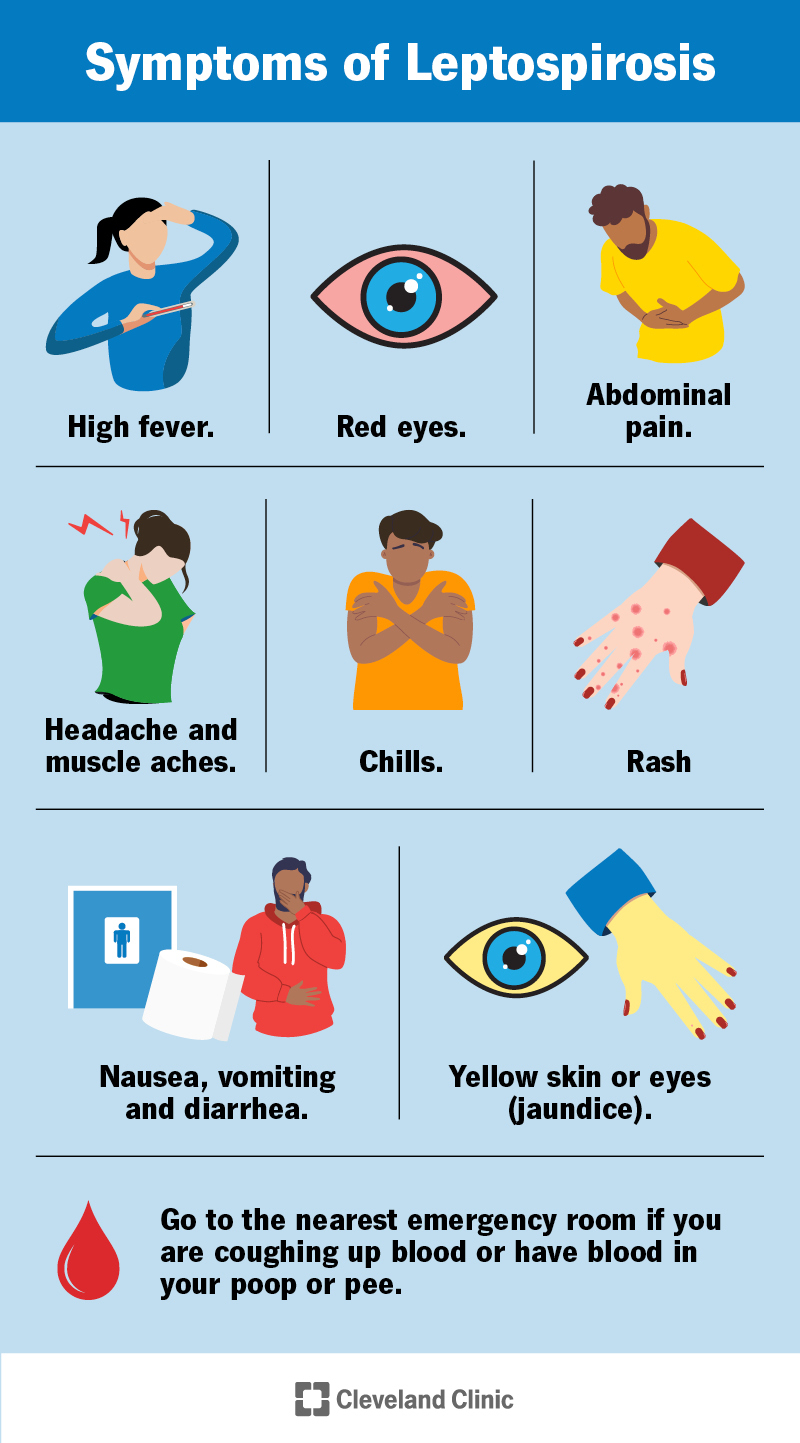
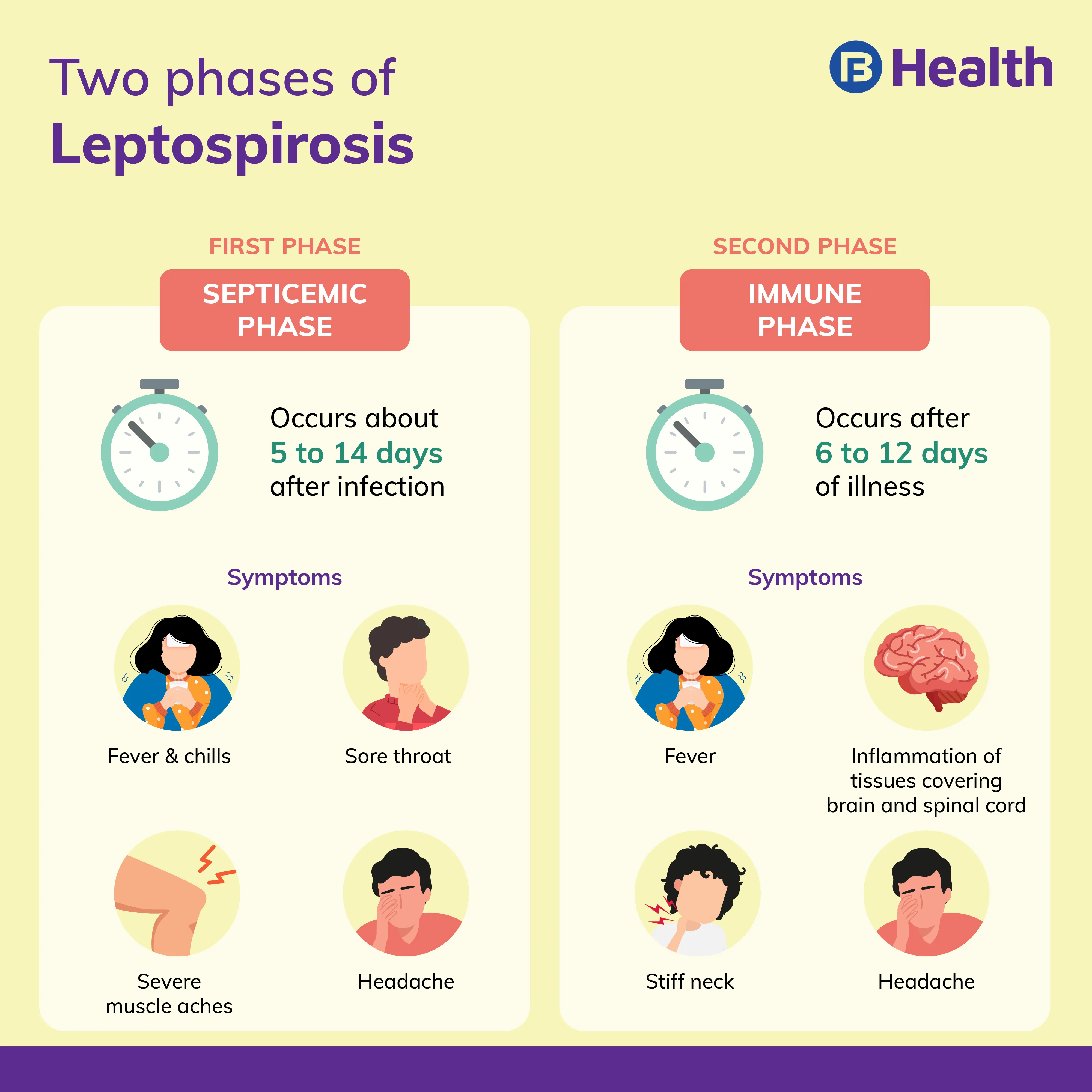
Leptospirosis can present with a wide range of symptoms, which can vary depending on the severity of the infection. Common early symptoms include high fever, headache, muscle pain, and chills. These symptoms can often be mistaken for other common illnesses, such as the flu. In severe cases, leptospirosis can lead to jaundice, kidney failure, and meningitis. Some individuals may experience atypical presentations, such as respiratory distress or gastrointestinal symptoms.
Causes and Transmission of Leptospirosis
Leptospirosis is primarily caused by the Leptospira bacteria, which are commonly found in the urine of infected animals. Rats and other rodents are the main reservoirs for the bacteria, but it can also be found in other animals, including livestock, dogs, and wildlife. Humans can become infected through direct contact with urine or indirectly through contaminated soil or water. Infection can occur through cuts or abrasions on the skin, or through the mucous membranes of the eyes, nose, and mouth.
Risk Factors for Contracting Leptospirosis
Certain factors can increase the risk of contracting leptospirosis. Occupational exposure is a significant risk factor, particularly for individuals who work outdoors or in environments where they may come into contact with contaminated water or soil. Recreational activities, such as swimming or participating in water sports in contaminated water sources, also pose a risk. Living conditions, especially in areas with poor sanitation and hygiene practices, can increase the risk of exposure to the Leptospira bacteria.
Diagnosing Leptospirosis
Diagnosing leptospirosis can be challenging since the symptoms can mimic other illnesses. Healthcare providers will typically evaluate the individual’s medical history and perform a physical examination. Laboratory tests, such as blood tests and urine cultures, can help confirm the presence of the Leptospira bacteria and determine the severity of the infection. Differential diagnosis is crucial to rule out other possible causes of similar symptoms.

Preventing Leptospirosis Infections
Preventing leptospirosis infections primarily involves personal protective measures, vector control, and vaccination. Individuals should take precautions such as wearing protective clothing, avoiding contact with contaminated water and soil, and practicing good hygiene. Vector control measures, such as rodent control, can help reduce the risk of exposure to the Leptospira bacteria. Vaccination is available for certain high-risk groups, such as individuals with occupational exposure to the bacteria.
Treatment Options for Leptospirosis
The treatment of leptospirosis typically involves hospitalization and supportive care. Individuals with severe symptoms may require intravenous fluids and medications to manage complications such as kidney failure or respiratory distress. Antibiotic therapy, such as doxycycline or penicillin, is also commonly prescribed to eliminate the bacteria from the body. Ongoing research is exploring potential therapeutic advances, including the use of antibiotics and immunomodulatory therapies.

Complications and Long-term Effects of Leptospirosis
Leptospirosis can lead to various complications and long-term effects, particularly if the infection is not promptly diagnosed and treated. Organ damage, such as kidney or liver failure, can occur in severe cases. Weil’s disease, a severe form of leptospirosis, can cause jaundice, bleeding, and organ dysfunction. Some individuals may experience a post-leptospirosis syndrome, characterized by persistent fatigue, muscle aches, and difficulty concentrating.
Leptospirosis in Animals
Leptospirosis is not only a concern for humans but also for animals. The bacteria can affect a wide range of animals, including dogs, livestock, and wildlife. Infected animals can shed the bacteria in their urine, which can then contaminate the environment and pose a risk of transmission to humans. Vaccination and proper animal hygiene practices are essential in preventing the spread of leptospirosis among animals and reducing the risk of human infection.
Emerging Research and Future Directions
Research into leptospirosis is ongoing, with a focus on developing new diagnostic tools, vaccine development, and global surveillance efforts. New diagnostic tools are being developed to improve the accuracy and speed of diagnosing leptospirosis, enabling early intervention and treatment. Vaccine development aims to provide broader protection against the different strains of Leptospira bacteria. Global surveillance efforts are crucial in monitoring the epidemiology of leptospirosis and implementing effective prevention strategies.
In conclusion, leptospirosis is an infectious disease caused by the Leptospira bacteria that can lead to a wide range of symptoms and complications. Understanding the symptoms, causes, and treatment options for leptospirosis allows for early intervention and effective prevention. By taking personal protective measures, practicing good hygiene, and implementing vector control strategies, individuals can reduce the risk of contracting leptospirosis. Ongoing research and future directions in leptospirosis aim to improve diagnostic capabilities, develop effective vaccines, and enhance global surveillance efforts to control the spread of this infectious disease.