
Leishmaniasis, a parasitic disease that affects millions worldwide, is a topic that deserves our attention and understanding. This article aims to shed light on the causes, symptoms, and available treatments for this often overlooked and underestimated illness. From the various types and transmission methods to the potential risks and preventive measures, equipping yourself with knowledge about leishmaniasis can help protect yourself and others from its harmful effects. So, let’s embark on this informative journey together and uncover the key facets of leishmaniasis that will empower you to make informed health decisions.

Understanding Leishmaniasis
Leishmaniasis is a parasitic disease that is caused by the Leishmania parasite. It is a complex disease that can manifest in different forms, with varying symptoms and severity. It is important to have a comprehensive understanding of Leishmaniasis in order to prevent its spread, diagnose it accurately, and provide appropriate treatment to those affected.
Overview of Leishmaniasis
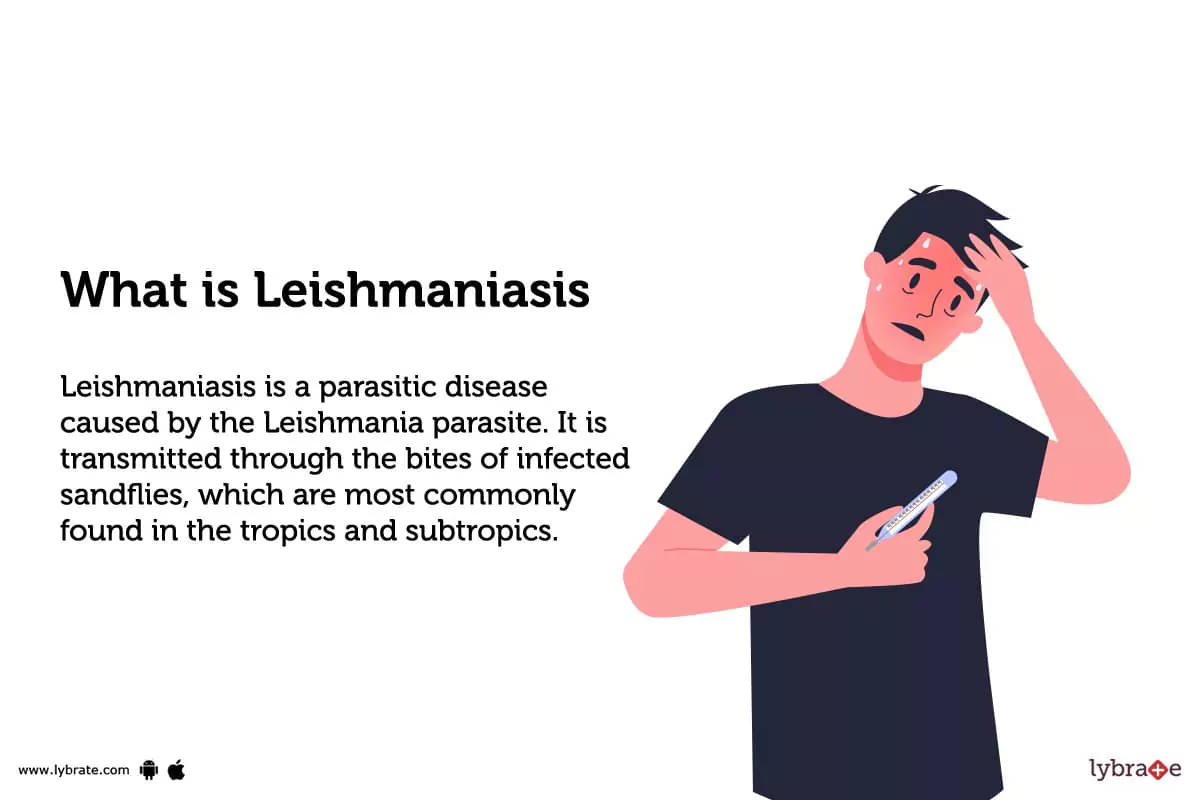
Leishmaniasis is a disease caused by parasites of the Leishmania genus. These parasites are transmitted to humans through the bites of infected female sandflies. The disease can affect various parts of the body, including the skin, mucous membranes, and internal organs. It is classified into three main types: Cutaneous Leishmaniasis, Visceral Leishmaniasis, and Mucosal Leishmaniasis.
Classification of Leishmaniasis
Leishmaniasis is classified into different types based on the part of the body it affects. Cutaneous Leishmaniasis affects the skin and is the most common form of the disease. Visceral Leishmaniasis affects the internal organs and is the most severe and potentially fatal form. Mucosal Leishmaniasis affects the mucous membranes of the nose, mouth, and throat and can lead to disfigurement and functional impairment.
Causes of Leishmaniasis
Parasite Transmission
Leishmaniasis is transmitted to humans through the bites of infected female sandflies. These sandflies acquire the parasite by feeding on infected animals, usually small mammals like rodents and dogs. When an infected sandfly bites a human, it injects the parasite into the bloodstream, where it can then invade various tissues and cause the disease.
Vector-Specific Transmission
Different species of sandflies act as vectors for different types of Leishmaniasis. For example, the sandfly species Phlebotomus papatasi and Phlebotomus sergenti are the primary vectors for Cutaneous Leishmaniasis, while the species Lutzomyia longipalpis is the main vector for Visceral Leishmaniasis. Understanding the specific vectors involved in the transmission of Leishmaniasis is crucial for implementing effective control measures.

Symptoms of Leishmaniasis
Cutaneous Leishmaniasis Symptoms
Symptoms of Cutaneous Leishmaniasis typically appear within a few weeks to months after being bitten by an infected sandfly. The most common symptom is the development of skin lesions, which may initially appear as small bumps or nodules and gradually progress to ulcers. The ulcers can be painless or painful and may have a raised border. Other symptoms may include fever, fatigue, and swollen lymph nodes.
Visceral Leishmaniasis Symptoms
Visceral Leishmaniasis, also known as kala-azar, is a severe form of the disease that primarily affects the internal organs. Symptoms usually develop several months to years after infection. Common symptoms include prolonged fever, weight loss, enlargement of the spleen and liver, anemia, and weakness. If left untreated, Visceral Leishmaniasis can be fatal.
Diagnosis
Clinical Examinations
Diagnosing Leishmaniasis often requires a combination of clinical examinations and laboratory tests. During a clinical examination, healthcare providers will evaluate the patient’s symptoms, perform a physical examination, and assess any skin lesions or abnormalities. The appearance and location of the lesions can provide important clues for diagnosing the specific type of Leishmaniasis.
Laboratory Tests
Laboratory tests are essential for confirming a diagnosis of Leishmaniasis. A tissue sample taken from a skin ulcer or a bone marrow aspirate may be examined under a microscope to detect the presence of the parasite. Additional tests, such as polymerase chain reaction (PCR) and serological tests, may also be used to confirm the diagnosis and determine the specific species of Leishmania involved.
Diagnostic Imaging
In cases of Visceral Leishmaniasis, diagnostic imaging techniques like ultrasound or computed tomography (CT) scan may be used to assess the size and condition of the affected organs, such as the liver and spleen. These imaging tests can help determine the extent of the infection and guide treatment decisions.

Treatment Options
Topical Treatments
For mild cases of Cutaneous Leishmaniasis, topical treatments may be sufficient. These treatments usually involve applying ointments or creams directly to the skin lesions. Examples of topical treatments include topical paromomycin, which has been shown to effectively treat Cutaneous Leishmaniasis in some regions.
Systemic Medications
For more severe cases of Leishmaniasis, systemic medications may be necessary. These medications are taken orally or administered through injections and are designed to kill the parasites in the body. Common systemic medications used to treat Leishmaniasis include antimonial drugs, amphotericin B, and miltefosine. The choice of medication and duration of treatment will depend on the type and severity of the disease.
Antiparasitic Drugs
Antiparasitic drugs play a crucial role in treating Leishmaniasis. They work by targeting and killing the parasites responsible for the disease. Several antiparasitic drugs have been developed and are effective against different forms of Leishmaniasis. However, the availability and accessibility of these drugs may vary depending on the region and healthcare infrastructure.
Prevention and Control
Vector Control
Controlling the sandfly population is an important strategy for preventing the transmission of Leishmaniasis. This involves measures such as insecticide spraying, bed nets, and environmental modifications to reduce the breeding sites and resting places of sandflies. Vector control is especially important in high-risk areas with a high incidence of Leishmaniasis.
Public Health Measures
Public health measures are crucial in preventing the spread of Leishmaniasis. These measures may include health education campaigns to raise awareness about the disease and its prevention, early detection and treatment programs, and surveillance and reporting systems to track the prevalence of the disease.
Personal Protection
Individuals can protect themselves from Leishmaniasis by taking certain precautions. These may include wearing long sleeves and pants to reduce exposure to sandflies, applying insect repellents that are effective against sandflies, and using bed nets treated with insecticides. Avoiding outdoor activities during peak sandfly activity periods, such as dusk and dawn, can also help minimize the risk of exposure.
Epidemiology
Global Distribution
Leishmaniasis is a global disease, with cases reported in more than 90 countries. It is most prevalent in tropical and subtropical regions, including parts of Africa, Asia, the Americas, and the Mediterranean basin. The distribution of Leishmaniasis is influenced by various factors, including climate, geography, and the presence of suitable reservoir hosts and vectors.
High-Risk Areas
Certain regions are considered high-risk areas for Leishmaniasis due to the high prevalence of the disease. These areas may include specific countries or regions within countries. High-risk areas for Cutaneous Leishmaniasis include Afghanistan, Brazil, Iran, and Peru, while high-risk areas for Visceral Leishmaniasis include Bangladesh, India, Nepal, and Sudan.
Outbreaks and Trends
Leishmaniasis outbreaks can occur in certain regions, often linked to environmental factors, displacement of populations, or changes in vector populations. Additionally, certain trends in Leishmaniasis epidemiology have been observed, such as an increase in the number of reported cases in certain areas or the emergence of drug resistance. Monitoring these outbreaks and trends is crucial for implementing timely interventions and control measures.
Risk Factors
Geographical Factors
Geographical factors play a significant role in the transmission and prevalence of Leishmaniasis. Factors such as climate, temperature, humidity, and vegetation can influence the survival and activity of sandflies. Areas with suitable environmental conditions for sandfly breeding and survival are more likely to have a higher incidence of Leishmaniasis.
Environmental Factors
Environmental factors, such as deforestation, urbanization, and human encroachment into natural habitats, can impact the transmission dynamics of Leishmaniasis. Changes in the environment can disrupt the ecological balance and create conditions favorable for the proliferation of sandflies and their reservoir hosts, increasing the risk of Leishmaniasis transmission.
Socioeconomic Factors
Socioeconomic factors can also contribute to the risk of Leishmaniasis. Poverty, inadequate housing conditions, and limited access to healthcare can increase the vulnerability of individuals to Leishmaniasis. These factors can affect the ability to implement effective vector control measures, diagnose and treat the disease promptly, and prevent complications.

Complications
Secondary Infections
Complications can arise when Leishmaniasis lesions become infected with bacteria or fungi. Secondary infections can further prolong the healing process, increase discomfort, and lead to more severe symptoms. Prompt treatment of Leishmaniasis lesions and proper wound care can help prevent secondary infections.
Post-Kala-Azar Dermal Leishmaniasis
Post-Kala-Azar Dermal Leishmaniasis (PKDL) is a complication that can occur after successful treatment of Visceral Leishmaniasis. It is characterized by skin lesions that typically appear months or years after the initial infection. PKDL can cause disfigurement and may act as a reservoir for the parasite, potentially leading to new cases of Visceral Leishmaniasis.
Mucosal Leishmaniasis
Mucosal Leishmaniasis is a rare but severe form of the disease that affects the mucous membranes of the nose, mouth, and throat. It occurs as a complication of Cutaneous Leishmaniasis, and the parasite spreads from the skin lesions to the mucous membranes. Mucosal Leishmaniasis can lead to disfigurement, destruction of the affected tissues, and functional impairment.
Conclusion
Summary of Leishmaniasis
Leishmaniasis is a complex and diverse disease caused by parasites of the Leishmania genus. It can manifest in different forms, with varying symptoms and severity. Cutaneous Leishmaniasis affects the skin, Visceral Leishmaniasis affects the internal organs, and Mucosal Leishmaniasis affects the mucous membranes. Early detection, accurate diagnosis, and prompt treatment are crucial in managing the disease and preventing complications.
Importance of Early Detection and Treatment
Early detection and treatment of Leishmaniasis are essential in preventing the spread of the disease and reducing its impact. Prompt diagnosis allows for timely initiation of treatment, which can help prevent complications, reduce the severity of symptoms, and shorten the duration of the disease. Additionally, early detection and treatment can help interrupt the transmission cycle and prevent further spread of Leishmaniasis in affected communities.
By understanding the causes, symptoms, and treatment options for Leishmaniasis, as well as implementing preventive measures, we can work towards reducing the burden of this disease and improving the health and well-being of those affected.