
Have you ever experienced the sudden and urgent need to use the restroom, even though you just went? If so, you may be familiar with the frustrating condition known as overactive bladder. This common issue affects millions of people worldwide, causing a range of symptoms that can significantly impact daily life. In this article, we will explore the causes of overactive bladder and discuss various treatment options available to manage this condition effectively. So, whether you’re seeking answers for yourself or wanting to understand this condition better, keep reading to uncover valuable insights on understanding and treating overactive bladder.
Understanding Overactive Bladder: Causes and Treatment
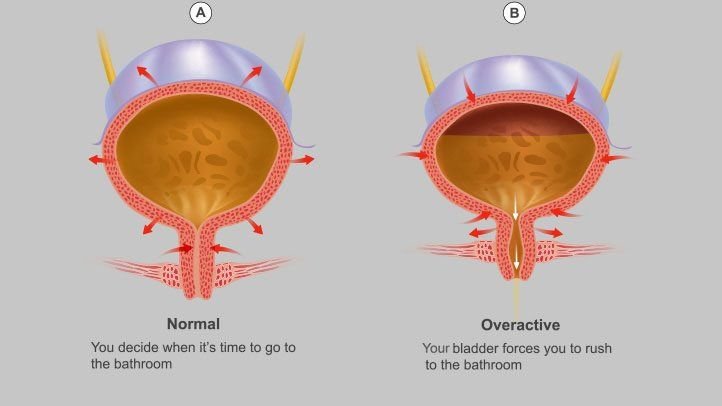
What is Overactive Bladder?
Overactive bladder (OAB) is a common and often distressing condition that affects many individuals. It is characterized by a sudden and frequent urge to urinate, often accompanied by urinary incontinence (the unintentional loss of urine). OAB can significantly impact one’s quality of life and may lead to embarrassment, anxiety, and social isolation. Understanding the causes, risk factors, symptoms, and treatment options for overactive bladder is crucial for effectively managing this condition.
Prevalence of Overactive Bladder
Overactive bladder is a prevalent condition that affects people of all ages. Studies have shown that over 33 million Americans, both men and women, experience symptoms of OAB. The prevalence of OAB tends to increase with age, with approximately 40% of women and 30% of men over the age of 65 experiencing symptoms. It is, therefore, essential to recognize the significance of OAB and address its impact on individuals and society as a whole.

Causes of Overactive Bladder
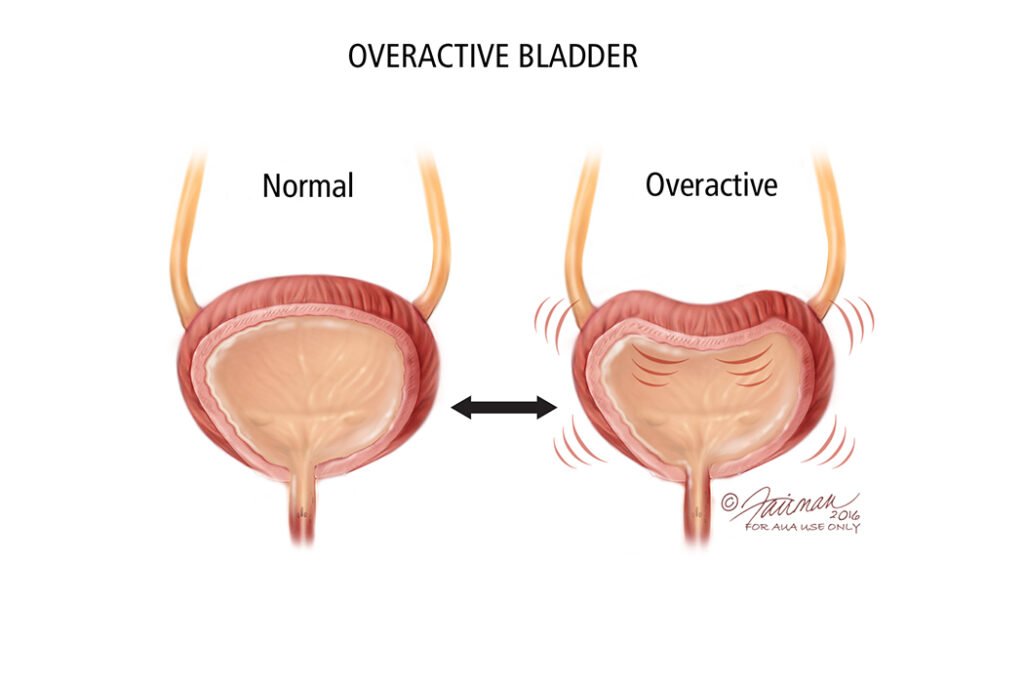
The exact cause of overactive bladder is still not completely understood. However, certain factors have been identified as potential contributors to the development of OAB. One of the main causes of OAB is an involuntary contraction of the bladder muscles. This contraction leads to the sudden and urgent need to urinate. Other possible causes may include hormonal imbalances, neurological disorders, urinary tract infections, and bladder abnormalities. Identifying the underlying cause of OAB is crucial for providing effective treatment and management strategies.
Risk Factors for Overactive Bladder
While anyone can develop overactive bladder, certain factors increase the risk of developing this condition. Age is a significant risk factor, with older individuals being more prone to OAB. Women are also at a higher risk of developing OAB, particularly those who have gone through menopause. Additionally, certain medical conditions, such as diabetes, obesity, and neurological disorders, can increase the likelihood of experiencing OAB symptoms. Recognizing these risk factors can aid in early detection and prevention of overactive bladder.
Symptoms of Overactive Bladder
The most common symptom of overactive bladder is a sudden and uncontrollable urge to urinate. This urge can be difficult to ignore, often leading to urinary incontinence (the involuntary leakage of urine) if a restroom is not readily available. Individuals with OAB may also experience increased urinary frequency, with the need to urinate more than eight times a day. Nocturia, which is waking up multiple times at night to urinate, is another symptom commonly associated with overactive bladder. Understanding these symptoms is essential for early identification and appropriate management of OAB.
Diagnosis of Overactive Bladder
If you suspect you may have overactive bladder, it is important to consult a healthcare professional. A diagnosis of OAB involves a thorough evaluation of your medical history and a physical examination. Your doctor may also perform tests such as urinalysis to rule out urinary tract infections and other underlying conditions. In some cases, additional tests may be recommended, such as urodynamic testing or cystoscopy, to assess bladder function and rule out other causes of urinary symptoms. Obtaining an accurate diagnosis is crucial for developing an effective treatment plan.
Treatment Options for Overactive Bladder
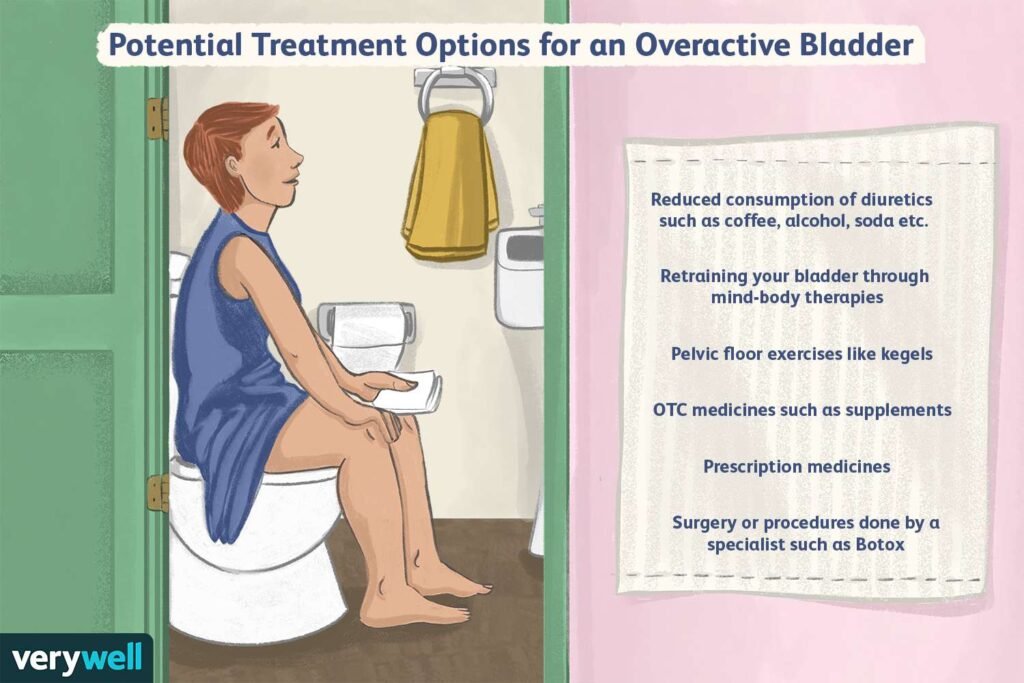
Thankfully, there are numerous treatment options available for individuals with overactive bladder. These options aim to alleviate symptoms, improve bladder control, and enhance the quality of life for those affected by OAB. Treatment approaches can include lifestyle changes, medications, behavioral therapies, nerve stimulation, surgical interventions, and alternative treatments. Working in collaboration with your healthcare provider, you can develop a personalized treatment plan that suits your specific needs and preferences.
Lifestyle Changes for Overactive Bladder
Making certain lifestyle changes can have a significant impact on managing overactive bladder symptoms. These changes may include modifying your fluid intake, avoiding bladder irritants such as caffeine and alcohol, and engaging in regular pelvic floor exercises. Maintaining a healthy weight, managing stress levels, and practicing good toileting habits are also crucial for effectively managing OAB. Adopting these lifestyle changes can help reduce the frequency and urgency associated with overactive bladder.

Medications for Overactive Bladder
In some cases, medications may be prescribed to help control the symptoms of overactive bladder. These medications work by relaxing the bladder muscles or reducing the urge to urinate. Commonly prescribed medications for OAB include anticholinergics and beta-3 adrenergic agonists. It is essential to discuss the potential benefits and side effects of these medications with your healthcare provider before starting any treatment regimen.
Behavioral Therapies for Overactive Bladder
Behavioral therapies play a vital role in the management of overactive bladder. These therapies focus on modifying behaviors and habits that can contribute to OAB symptoms. Techniques such as bladder training, scheduled voiding, and biofeedback can help improve bladder control and reduce urgency. Additionally, pelvic floor muscle exercises, also known as Kegel exercises, can strengthen the muscles that support the bladder and help manage OAB symptoms effectively.
Nerve Stimulation for Overactive Bladder
For individuals who do not respond well to lifestyle changes and medications, nerve stimulation techniques can provide alternative treatment options. This involves using electrical impulses to stimulate the nerves that control the bladder, helping to regulate bladder function. Two common nerve stimulation techniques used for overactive bladder are sacral nerve stimulation and posterior tibial nerve stimulation. These procedures are typically performed by trained healthcare professionals and can offer significant improvements in bladder symptoms.
Surgical Interventions for Overactive Bladder
In severe cases of overactive bladder that are unresponsive to other treatment options, surgical interventions may be considered. These procedures aim to improve bladder function and reduce OAB symptoms. Surgical interventions for OAB can range from minimally invasive procedures like botulinum toxin injections to more invasive options such as bladder augmentation or urinary diversion. These procedures are generally reserved for individuals who have not achieved adequate symptom relief through other treatment methods.
Alternative Treatments for Overactive Bladder
In addition to conventional treatment options, some individuals may find alternative treatments to be beneficial in managing overactive bladder. Alternative therapies such as acupuncture, herbal remedies, and dietary changes have been explored, although limited scientific evidence supports their efficacy. It is important to discuss these alternative treatments with your healthcare provider to ensure their safety and potential benefits in your specific case.
Managing Overactive Bladder: Tips and Strategies
Living with overactive bladder can be challenging, but with the right strategies, it is possible to effectively manage this condition. Alongside medical treatment, implementing practical tips such as planning restroom breaks, wearing absorbent undergarments or pads, and using portable urination devices can help individuals feel more in control and reduce anxiety associated with OAB. Maintaining open communication with loved ones and seeking support from patient advocacy groups can also provide emotional support and encouragement throughout the journey of managing overactive bladder.
Conclusion
Overactive bladder is a common condition that can significantly impact one’s quality of life. Understanding the causes, risk factors, symptoms, and treatment options for overactive bladder is crucial for effectively managing this condition. By working closely with healthcare professionals, making lifestyle changes, exploring medications, behavioral therapies, nerve stimulation, and surgical interventions when necessary, individuals with overactive bladder can find relief and regain control over their daily lives. Remember, you are not alone in this journey, and there are resources available to support you every step of the way. Life with overactive bladder can be manageable, allowing you to focus on enjoying the things that matter most to you.