You may have heard of pertussis before, but how much do you really know about this infectious disease? In this article, we will break down the basics of pertussis, including the symptoms to look out for, how it spreads from person to person, and the available treatment options. By the end of this informative piece, you’ll have a better understanding of pertussis and be equipped with the knowledge to protect yourself and your loved ones. So let’s get started on this journey to unravel the mysteries of pertussis together.
Symptoms
Recognizing the early symptoms
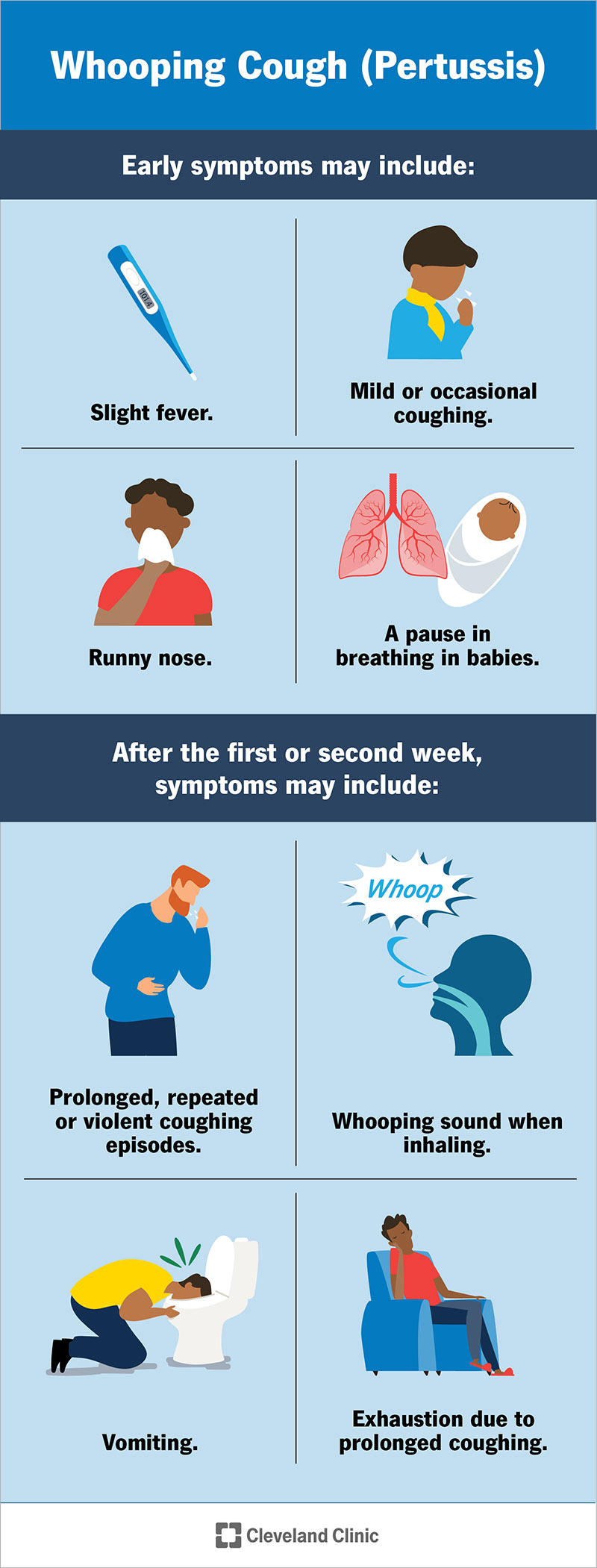
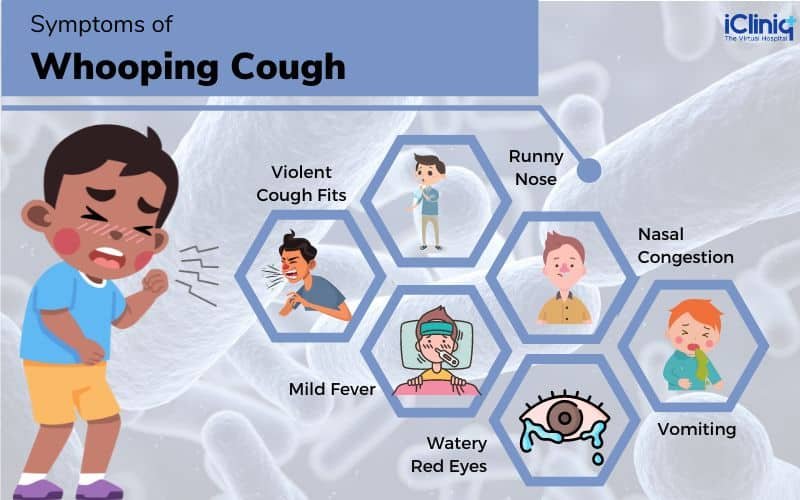
When it comes to pertussis, recognizing the early symptoms is crucial in order to seek prompt medical attention and reduce the risk of transmission to others. In the early stage of the illness, the symptoms may resemble those of a common cold, making it easy to overlook or misdiagnose. However, as the disease progresses, the symptoms become more pronounced. The early symptoms of pertussis may include a runny or stuffy nose, mild cough, sneezing, and a low-grade fever. These initial symptoms can last for approximately one to two weeks before progressing further.
Progression of symptoms
After the initial stage, the symptoms of pertussis can escalate and become more severe. One of the hallmark signs of pertussis is a repetitive, uncontrollable cough that often ends with a characteristic high-pitched whooping sound when the person tries to breathe in. This is due to the body’s response to trying to catch a breath after a series of rapid coughs. The cough can be so intense that it may cause exhaustion, vomiting, or even broken ribs in some cases. The period of severe coughing can last for several weeks, followed by a gradual decrease in intensity and duration of coughing spells. Overall, the duration of the illness can span several weeks to months, with the most severe symptoms occurring during the early stages.
Complications of pertussis
While pertussis is usually a self-limiting illness, it can lead to various complications, especially in vulnerable populations such as infants, young children, and immunocompromised individuals. Common complications include pneumonia, ear infections, weight loss, dehydration, and even seizures. In severe cases, pertussis can cause life-threatening complications, such as respiratory failure, encephalopathy (brain inflammation), and even death. It is essential to seek medical care promptly to ensure early intervention and prevent the progression of the illness to such serious complications.
Transmission
Primary means of transmission
Pertussis is primarily transmitted through respiratory droplets when an infected person coughs or sneezes. The bacteria Bordetella pertussis, responsible for causing pertussis, is highly contagious and can spread easily in close contact settings or crowded environments. You can contract the infection by breathing in the contaminated droplets or by touching surfaces or objects contaminated with the bacteria and then touching your face, especially your nose, mouth, or eyes.
Transmission process
The transmission process of pertussis occurs when an infected person coughs or sneezes and releases respiratory droplets containing the bacteria into the air. These droplets can travel through the air and be inhaled by individuals in close proximity. Once inside the respiratory tract, the bacteria attach to the cilia lining the airways and multiply, leading to the characteristic symptoms of the disease. Infected individuals are most contagious during the early stage of the illness when the symptoms may resemble those of a common cold. Prompt diagnosis and treatment are crucial in interrupting the transmission chain.
Risk factors for transmission
Certain factors can increase the risk of transmission and the spread of pertussis within a community. These include living in crowded environments, such as dormitories or military barracks, attending daycare or school, and having close contact with an infected person. Additionally, individuals who are not vaccinated or have incomplete vaccination against pertussis are at higher risk of both contracting and transmitting the infection. High-risk groups, such as infants, pregnant women, and those with weakened immune systems, are particularly vulnerable to severe illness and complications.
Diagnosis
Physical examination and medical history
Diagnosing pertussis involves a combination of a thorough physical examination and a detailed medical history. During the physical examination, a healthcare provider may listen to your lungs and observe your cough to assess its characteristics. They will also inquire about your symptoms, their duration, and any potential exposure to an infected individual. Providing accurate information about your symptoms and any recent contact with someone diagnosed with pertussis is essential for an accurate diagnosis.
Laboratory tests for pertussis diagnosis
Laboratory tests play a crucial role in confirming the diagnosis of pertussis. The most common test used is a polymerase chain reaction (PCR) assay, which detects the genetic material (DNA) of the bacteria Bordetella pertussis in a respiratory sample, typically collected from a swab of the nose or throat. Another diagnostic test is a culture, where the bacteria are grown from a respiratory sample, but this method takes significantly longer to yield results. Serologic tests that detect antibodies to the pertussis bacteria may also be used, particularly in later stages of the illness. These laboratory tests aid in confirming the diagnosis and guiding appropriate treatment.
Differential diagnosis
Diagnosing pertussis can be challenging due to the similarity of its symptoms to other respiratory infections, especially during the early stages. The differential diagnosis includes common cold, bronchitis, pneumonia, influenza, and respiratory syncytial virus (RSV) infection, among others. Clinical evaluation, combined with laboratory tests, can help differentiate pertussis from these other respiratory illnesses and ensure appropriate management.
Treatment
Supportive care
Supportive care is essential for individuals diagnosed with pertussis, especially during the period of intense coughing and respiratory distress. Stay well-hydrated by drinking plenty of fluids to prevent dehydration, which can occur due to increased respiratory efforts and coughing spells. Get ample rest to aid in recovery and reduce the risk of complications. Over-the-counter cough suppressants are generally not recommended, as they can hinder the body’s ability to clear secretions and may prolong the illness. Instead, soothing measures like honey or warm liquids can provide temporary relief.
Antibiotic treatment
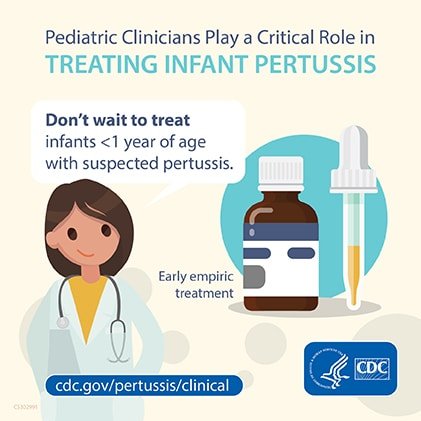
Antibiotic treatment is crucial for pertussis to alleviate symptoms, prevent complications, and reduce the risk of transmission. Early treatment is particularly essential, ideally within the first three weeks of illness onset. Antibiotics, such as azithromycin, clarithromycin, or erythromycin, are commonly prescribed for both children and adults. These medications help eradicate the bacteria and reduce the severity and duration of symptoms. Close contacts of an individual diagnosed with pertussis may also receive antibiotics to prevent the spread of infection.
Preventive measures
Preventive measures are vital in the management of pertussis, especially to protect vulnerable populations and limit the spread of the bacteria. Vaccination is one of the most effective forms of prevention and is strongly recommended for individuals of all ages. Maintaining good hand hygiene by washing your hands frequently with soap and water or using alcohol-based hand sanitizers can help minimize the transmission of bacteria. Covering your nose and mouth with a tissue or your elbow when coughing or sneezing can prevent the respiratory droplets from spreading in the environment. It is also advisable to avoid close contact with individuals known or suspected of having pertussis.
Vaccination
Importance of vaccination
Vaccination plays a pivotal role in preventing pertussis by providing immunity against the bacteria Bordetella pertussis. It is particularly crucial for infants, who are at the highest risk of severe illness and complications. Vaccination not only protects the recipient but also helps reduce the overall transmission within the community, indirectly safeguarding those who cannot receive vaccinations due to medical reasons. By getting vaccinated, you contribute to the collective effort of controlling and eliminating pertussis.
Recommended vaccination schedule
The pertussis vaccine is typically administered as part of a combination vaccine known as DTaP (diphtheria, tetanus, and acellular pertussis). It is recommended for infants and young children, with the primary series starting at two months of age. The CDC recommends the following vaccination schedule for infants and children: four doses at two, four, six, and 15-18 months of age, followed by a booster dose at four to six years of age. Additionally, a pertussis-containing vaccine, Tdap, is recommended for adolescents and adults, including pregnant women, to maintain immunity and protect against pertussis.
Side effects of the pertussis vaccine
Like all vaccines, the pertussis vaccine can cause side effects, although they are generally mild and temporary. Common side effects may include redness or swelling at the injection site, low-grade fever, and mild irritability or fussiness. Severe reactions or allergic responses are rare. It is important to remember that the benefits of vaccination, including the prevention of severe illness and complications, far outweigh the risks of potential side effects.
Epidemiology
Global incidence of pertussis
Pertussis is a globally prevalent infectious disease, affecting people of all ages and geographical locations. According to the World Health Organization (WHO), an estimated 16 million cases of pertussis occur worldwide each year, with approximately 195,000 deaths attributed to the disease, primarily among infants. The actual burden of pertussis may be underestimated due to underreporting and the lack of access to healthcare in certain regions. Improved surveillance systems and vaccination coverage are essential in monitoring and controlling the global incidence of pertussis.
Age groups most affected
While pertussis can affect individuals of any age, infants and young children are the most vulnerable population. In infants, pertussis can be severe and potentially life-threatening due to their immature immune systems. Adolescents and adults, particularly those who are unvaccinated or have waning immunity, can also acquire and transmit pertussis. Outbreaks in schools, households, and communities are often fueled by the transmission from infected adults and older children to susceptible infants.
Outbreaks and trends in recent years
Pertussis outbreaks have been reported in various countries in recent years, signaling the ongoing challenge of controlling the disease. Factors contributing to these outbreaks include decreased vaccine coverage, waning immunity, and changes in the genetic makeup of the bacteria. In some regions, pertussis has demonstrated cyclical patterns, with peaks occurring every 3-5 years. Enhanced surveillance, vaccination strategies, and increased awareness are essential in identifying and managing outbreaks to prevent further transmission and protect vulnerable populations.

Prevention
Importance of hand hygiene
Hand hygiene is a fundamental preventive measure in reducing the transmission of pertussis and other infectious diseases. Regularly washing your hands with soap and water for at least 20 seconds or using alcohol-based hand sanitizers helps eliminate bacteria and viruses from your hands. It is especially important to practice proper hand hygiene after coughing, sneezing, or being in contact with potentially contaminated surfaces or individuals. Encouraging good hand hygiene within households, schools, and public spaces can significantly contribute to preventing the spread of pertussis.
Covering nose and mouth when coughing or sneezing
Covering your nose and mouth when coughing or sneezing is another crucial preventive measure to reduce the transmission of pertussis. Using a tissue or coughing into your elbow helps contain the respiratory droplets, preventing them from being released into the air or onto surfaces. This practice is particularly important, considering that pertussis spreads through respiratory droplets. By following proper cough and sneeze etiquette, you protect those around you from potential exposure to the bacteria and contribute to creating a healthier environment.
Isolation and quarantine measures
Isolation and quarantine measures are essential in preventing the spread of pertussis, especially in healthcare settings and high-risk environments. Infected individuals should be isolated to minimize close contact with susceptible individuals, particularly infants and young children. Close contacts, especially those who have not been vaccinated or are at higher risk of severe illness, may need to be quarantined, monitored for symptoms, and offered antibiotic prophylaxis. These measures are crucial in interrupting the transmission chain and preventing the further spread of pertussis within the community.
Public Health Measures
Policies for reporting and surveillance
Robust reporting and surveillance policies are integral to monitor the incidence and prevalence of pertussis on a local, national, and global scale. Healthcare providers, laboratories, and other relevant stakeholders are mandated to report diagnosed cases of pertussis to public health authorities. Accurate and timely reporting of cases, including essential demographic and clinical information, enables public health agencies to track the disease, identify geographical clusters, implement targeted interventions, and allocate resources effectively.
Contact tracing and notification
Contact tracing and notification are fundamental public health measures for controlling the spread of pertussis. When a case of pertussis is identified, it is important to identify and notify close contacts, particularly those at higher risk of severe illness or complications. Contact tracing involves interviewing the infected individual to gather information about their recent close contacts and potential exposure. Once identified, contacts should be promptly notified, evaluated for symptoms, offered appropriate medical interventions, such as antibiotic prophylaxis or vaccination, and educated on preventive measures to prevent further transmission.
Role of public health agencies in outbreak control
Public health agencies play a crucial role in outbreak control and prevention of pertussis. They provide guidance, resources, and support to healthcare providers, schools, and communities in managing outbreaks and implementing preventive measures. Public health agencies facilitate vaccination campaigns, promote awareness and education about pertussis, and coordinate surveillance and reporting efforts. They are responsible for monitoring the epidemiology of the disease, conducting investigations, and implementing control measures to limit the spread of pertussis within the population.
High-Risk Groups
Vulnerable populations
Certain populations are particularly vulnerable to the severe effects of pertussis, including infants, young children, pregnant women, and individuals with weakened immune systems. These individuals are at higher risk of complications and require special attention in terms of preventive measures and early detection. Infants, in particular, are at the highest risk of severe illness, hospitalization, and death. Vaccination of pregnant women and close contacts of vulnerable individuals is strongly recommended to provide indirect protection and reduce the risk of transmission to these high-risk groups.
Pertussis in infants and young children
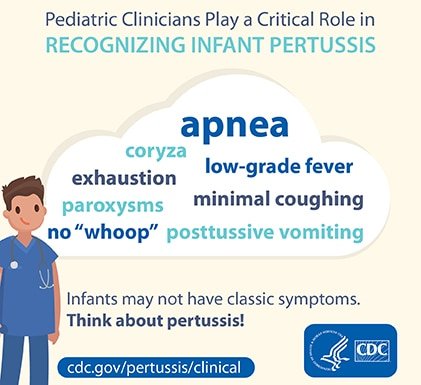
Infants and young children bear the greatest burden of pertussis morbidity and mortality. Their immature immune systems, coupled with their inability to receive full vaccination at an early age, make them highly susceptible to severe illness and complications. Infants with pertussis may present with symptoms such as rapid breathing, cyanosis (bluish skin), apnea (pauses in breathing), or recurrent vomiting following coughing spells. Timely diagnosis, early treatment, and close monitoring are essential to prevent severe complications and ensure optimal outcomes in this vulnerable population.
Pertussis in pregnant women
Pertussis during pregnancy poses a dual risk to both the mother and the unborn child. Pregnant women with pertussis are at higher risk of severe illness and complications. Furthermore, newborns are vulnerable to pertussis in the first weeks of life before they receive their vaccinations. Vaccination during pregnancy offers a two-fold benefit: it protects the mother by providing immunity, and it provides passive immunity to the newborn, offering some protection against pertussis during the early months of life. Pregnant women should discuss vaccination with their healthcare providers to ensure the best protection for themselves and their babies.
Research and Advances
New diagnostic methods
Continued research and development in diagnostic methods for pertussis are pivotal in improving disease detection, monitoring, and management. Efforts are focused on developing rapid and accurate diagnostic tools that can provide timely results, aiding in early intervention, and preventing further transmission. Advanced laboratory techniques, such as real-time polymerase chain reaction (PCR) assays, allow for rapid detection of the pertussis bacteria and differentiation between active infection and previous vaccination or exposure.
Development of more effective vaccines
Significant advances have been made in the development of more effective pertussis vaccines. Traditional whole-cell vaccines, which have been successfully used for decades, have been replaced by acellular vaccines due to concerns of side effects. Ongoing research aims to improve the efficacy of acellular vaccines, develop new adjuvants to enhance immunity, and explore alternative vaccine formulations. The development of novel vaccines that provide stronger and more durable protection against pertussis is an area of active investigation and holds great promise for future disease control.
Understanding of long-term immunity after infection
Researchers are continually striving to gain a deeper understanding of long-term immunity after pertussis infection. Pertussis immunity is known to wane over time following both natural infection and vaccination, leading to susceptibility to reinfection. Ongoing studies aim to elucidate the immunological mechanisms behind waning immunity and identify strategies to improve and prolong protection. This knowledge plays a vital role in vaccine development, immunization schedules, and public health policies to ensure long-term control and prevention of pertussis.