
You may not be aware, but the impact of West Nile Virus infection on public health is something that should not be taken lightly. This virus, transmitted to humans through mosquito bites, has been a growing concern in many regions around the world. From mild flu-like symptoms to severe neurological complications, the effects of West Nile Virus infection can greatly impact the well-being of individuals. In this article, we will explore the various ways in which this virus affects public health and the measures that can be taken to prevent its spread. Stay informed and take necessary precautions, because when it comes to West Nile Virus, knowledge truly is power.
I. Understanding West Nile Virus Infection
A. What is West Nile Virus?
West Nile Virus (WNV) is a mosquito-borne viral infection that was first identified in West Nile, Uganda, in 1937. It belongs to the Flavivirus genus and is primarily transmitted through bites from infected mosquitoes. WNV can cause a range of illnesses, from mild symptoms to severe neurological diseases such as encephalitis and meningitis.
B. How is West Nile Virus transmitted?
Mosquitoes become infected with WNV after feeding on infected birds, which serve as the primary reservoir for the virus. Once infected, mosquitoes can then transmit the virus to humans and other animals through subsequent bites. It’s important to note that person-to-person transmission of WNV is rare and typically only occurs through organ transplant, blood transfusion, or from a mother to her unborn child during pregnancy or breastfeeding.
C. Common symptoms of West Nile Virus infection
Most individuals infected with WNV do not develop any symptoms and are unaware of their infection. Approximately 1 in 5 people who become infected with the virus experience mild symptoms such as fever, headache, body aches, joint pains, vomiting, diarrhea, or rash. In some cases, more severe symptoms such as high fever, neck stiffness, muscle weakness, disorientation, seizures, and paralysis may occur. These severe cases predominantly affect older adults and individuals with weakened immune systems.
II. Public Health Impact of West Nile Virus
A. Spread and prevalence of West Nile Virus
Since its emergence in the United States in 1999, WNV has rapidly spread across North America and has become a significant public health concern. The virus can now be found in many parts of the world, including Africa, Europe, the Middle East, and Asia. The global distribution of WNV has resulted in various levels of transmission and prevalence rates, with different regions experiencing sporadic outbreaks or sustained endemic transmission.
B. Economic burden
The economic burden of WNV infection is substantial due to the costs associated with medical care, hospitalizations, long-term disability, and lost productivity. In the United States alone, the estimated annual economic burden of WNV-related illnesses exceeds several hundred million dollars. This financial strain impacts individuals, families, healthcare systems, and governmental agencies, emphasizing the need for effective surveillance and control measures.
C. Impact on healthcare systems
WNV infection can place a significant strain on healthcare systems, particularly during outbreaks. The influx of patients with symptoms ranging from mild to severe requires increased resources, such as hospital beds, laboratory testing, supportive care, and specialized treatments for neurological complications. These demands impose additional pressures on healthcare professionals and can affect the overall quality of care provided to individuals with WNV infection.
D. Effect on quality of life
Individuals who experience severe neurological complications as a result of WNV infection often face long-lasting physical, cognitive, and emotional consequences. The impact on quality of life can range from temporary impairments to permanent disabilities, affecting mobility, cognition, and mental health. Rehabilitation services and long-term support may be necessary to improve functional outcomes and enhance the overall well-being of affected individuals.
E. Psychological impact
The psychosocial impact of WNV infection should not be overlooked. Fear of infection, anxiety, and psychological distress may arise among individuals living in areas with high WNV transmission or during outbreaks. These psychological factors can contribute to increased stress levels, social isolation, and reduced quality of life. Public health agencies must address the psychological impact of WNV by providing accurate information, promoting mental health support, and fostering resilient communities.
F. Impact on vulnerable populations
Certain populations are more susceptible to severe WNV infection and its complications. Older adults and individuals with underlying medical conditions, such as diabetes, cancer, or compromised immune systems, are at higher risk of developing severe symptoms and experiencing poor outcomes. Additionally, socioeconomically disadvantaged communities may face greater challenges in accessing healthcare resources and implementing preventive measures, further exacerbating the impact of WNV infection on vulnerable populations.
III. Surveillance and Control Measures
A. Role of public health agencies
Public health agencies play a crucial role in the surveillance, prevention, and control of WNV infection. These agencies are responsible for monitoring the spread of the virus, investigating cases, implementing mosquito control measures, educating the public, and coordinating response efforts with other stakeholders. Their proactive involvement is essential in identifying and addressing WNV outbreaks, mitigating the impact on public health, and reducing the transmission of the virus.
B. Surveillance methods
Surveillance methods for WNV involve the systematic monitoring of mosquito populations, bird surveillance, and human case reporting. Mosquito surveillance helps determine the prevalence of infected mosquitoes, while bird surveillance provides insights into the circulation of the virus in local avian populations. Human case reporting involves healthcare providers reporting suspected or confirmed cases of WNV infection to public health authorities, allowing for timely investigation and response measures.
C. Mosquito control measures
Mosquito control is a critical component of WNV prevention and control strategies. This includes implementing integrated pest management techniques, such as reducing mosquito breeding sites, using larvicides or insecticides, and conducting targeted adult mosquito control. Additionally, community engagement programs can educate individuals on personal measures to reduce exposure to mosquitoes, such as using insect repellents, wearing protective clothing, and keeping windows and doors screened.
D. Public education and awareness campaigns
Public education and awareness campaigns are instrumental in preventing WNV infection. These campaigns aim to inform the public about the risks associated with WNV, the importance of personal protective measures, and the role of individuals in reducing mosquito breeding sites. By providing accurate and accessible information, public health agencies can empower communities to take proactive steps in preventing WNV transmission and protecting their health.
IV. West Nile Virus Vaccination
A. Current status of West Nile Virus vaccine
As of now, there is no specific vaccine available for the prevention of WNV infection in humans. However, researchers and vaccine developers continue to explore various vaccine candidates and evaluate their efficacy in clinical trials. It’s important to stay updated on advancements in WNV vaccine research, as the development of a safe and effective vaccine would significantly contribute to reducing the burden of WNV infection.
B. Effectiveness of vaccination
Once a vaccine becomes available, widespread vaccination can play a crucial role in reducing the incidence of WNV infection and its associated complications. By providing immunity against the virus, vaccination can protect individuals from developing symptomatic or severe WNV disease. Vaccination efforts should prioritize vulnerable populations and areas with high transmission rates to maximize the impact of immunization programs.
C. Importance of vaccination programs
The implementation of comprehensive vaccination programs can have a significant public health impact by reducing the occurrence of WNV infection and its consequences. Vaccination not only protects individuals but also contributes to herd immunity, which indirectly protects those who cannot be vaccinated or have a limited response to vaccination. Coordinated efforts between public health agencies, healthcare providers, and communities are crucial in establishing effective and accessible vaccination programs.
V. International Response and Cooperation
A. Global efforts in West Nile Virus control
Given the global distribution of WNV, international collaboration is vital in addressing the challenges posed by the virus. Several international organizations, such as the World Health Organization (WHO) and the Centers for Disease Control and Prevention (CDC), actively facilitate global partnerships, promote knowledge sharing, and support capacity building in WNV surveillance, prevention, and control. By promoting international cooperation, countries can collectively work towards reducing the global impact of WNV infection.
B. Collaboration between countries and organizations
To effectively combat WNV infection, countries and organizations must collaborate on surveillance, research, and response efforts. Sharing data, best practices, and resources can help identify trends, implement evidence-based strategies, and enhance preparedness for potential outbreaks. Collaboration also enables joint research initiatives to develop more effective vaccines, treatments, and control measures. By working together, the global community can respond more efficiently to the challenges posed by WNV infection.
VI. Prevention and Personal Protection
A. Key preventive measures
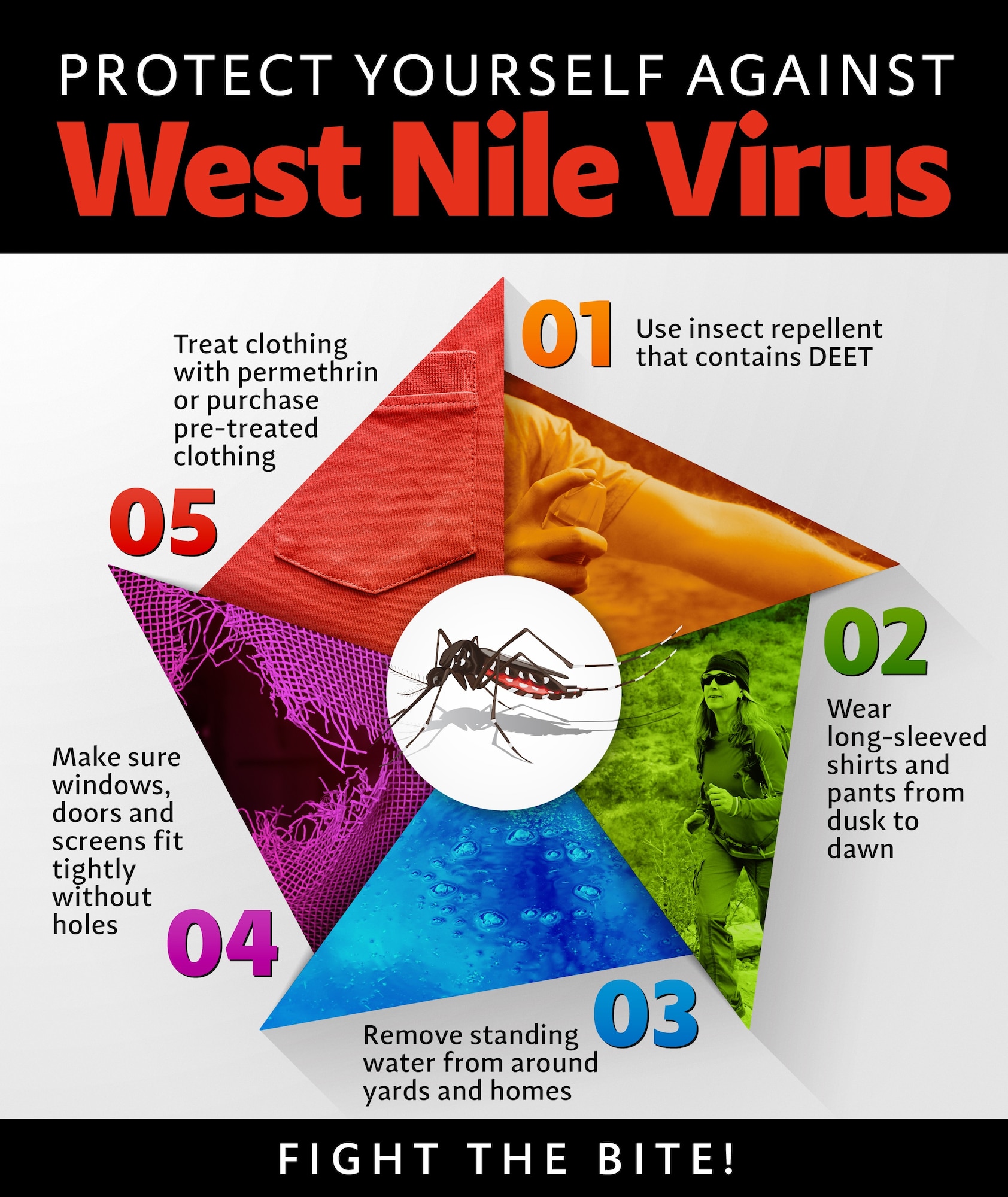
Prevention is crucial in reducing the risk of WNV infection. Some key preventive measures include:
- Eliminating standing water breeding sites, such as birdbaths and clogged gutters.
- Using mosquito repellents containing DEET, picaridin, or oil of lemon eucalyptus.
- Wearing protective clothing, such as long-sleeved shirts and pants, when outdoors.
- Installing or repairing window and door screens to keep mosquitoes out.
- Avoiding outdoor activities during peak mosquito activity, typically dawn and dusk.
B. Personal protection strategies
Individuals can adopt personal protection strategies to minimize the risk of mosquito bites and WNV infection. These strategies include:
- Applying mosquito repellents to exposed skin and clothing.
- Wearing light-colored, loose-fitting clothing that covers arms and legs.
- Using bed nets treated with insecticide to prevent mosquito bites while sleeping.
- Regularly inspecting and maintaining outdoor areas to reduce mosquito breeding sites.
- Seeking medical attention if experiencing symptoms consistent with WNV infection.

VII. Challenges and Future Directions
A. Climate change and its impact on West Nile Virus transmission
Climate change can influence the distribution and transmission of WNV. Changes in temperature and rainfall patterns can affect mosquito populations, their breeding habitats, and the duration of the transmission season. As the climate continues to change, it is essential to closely monitor these environmental factors and their implications for WNV transmission. Adaptation strategies and targeted interventions may be necessary to mitigate the potential impact of climate change on WNV epidemiology.
B. Surveillance challenges
Despite advancements in surveillance methods, challenges persist in effectively monitoring WNV transmission. Limited resources, variability in surveillance practices, and underreporting of milder cases can hinder accurate assessments of WNV prevalence and disease burden. Enhancing surveillance systems, promoting standardized reporting, and integrating new technologies, such as remote sensing and genomic surveillance, can contribute to more robust and timely surveillance of WNV.
C. Developing more effective vaccines
While progress has been made in WNV vaccine research, the development of a safe and efficacious vaccine remains an ongoing challenge. Vaccine candidates must be carefully evaluated for safety, immunogenicity, and protective efficacy in diverse populations. Continued investment in vaccine research and development is crucial to overcome the challenges associated with viral variability and to ensure the availability of effective vaccines for WNV prevention and control.
D. Addressing health disparities
Health disparities can disproportionately affect vulnerable populations in the context of WNV infection. Socioeconomic factors, access to healthcare, and underlying health conditions can contribute to differential health outcomes. To address these disparities, public health initiatives should prioritize equity, promote equitable access to preventive measures and healthcare services, and incorporate community engagement to ensure that the needs of all populations are adequately addressed.
VIII. Conclusion
West Nile Virus infection poses significant public health challenges globally. Its impact extends beyond the physical symptoms experienced by individuals, affecting healthcare systems, economies, and the overall well-being of communities. Surveillance, prevention, and control measures are crucial in reducing the burden of WNV infection. International collaboration, vaccination programs, and personal protection strategies are key components of comprehensive approaches to combat WNV. By addressing the challenges and investing in research, societies can strive towards a future with reduced WNV transmission and improved public health outcomes.
