
Have you ever wondered why you experience bouts of diarrhea? In this article, we will explore the various causes of diarrhea, shedding light on this common yet often misunderstood condition. From dietary triggers and food intolerances to infections and underlying medical conditions, understanding the root causes of diarrhea can help you take proactive steps towards managing your health. So, let’s get to the bottom of the mystery behind diarrhea and arm ourselves with knowledge that can lead to lasting relief and a happier digestive system.

Definition of Diarrhea
Diarrhea is a gastrointestinal condition characterized by frequent loose and watery bowel movements. It is a common ailment that almost everyone experiences at some point in their lives. While most cases of diarrhea are mild and resolve on their own, it can cause discomfort and inconvenience. Understanding the causes of diarrhea can help you determine the best course of treatment and prevention strategies.
Symptoms of Diarrhea
The symptoms of diarrhea can vary depending on the underlying cause and individual factors. Common symptoms include frequent bowel movements, loose stools, abdominal cramps, bloating, nausea, and dehydration. In severe cases, diarrhea may also be accompanied by fever, blood in the stool, and weight loss. It is important to seek medical attention if you experience persistent or severe symptoms.

Types of Diarrhea
There are different types of diarrhea, each with its own causes and characteristics. Acute diarrhea typically lasts for a short period, usually a few days to a week, and is often caused by infections. Chronic diarrhea, on the other hand, persists for more than four weeks and can be a sign of an underlying health condition. Other types of diarrhea include traveler’s diarrhea, diarrhea in infants and young children, diarrhea in older adults, and diarrhea in individuals with weakened immune systems or HIV/AIDS.
Causes of Acute Diarrhea
Acute diarrhea is commonly caused by viral infections, bacterial infections, parasitic infections, food poisoning, medications, and traveler’s diarrhea. Viral infections, such as the norovirus, rotavirus, or viral gastroenteritis, are a common cause of acute diarrhea. Bacterial infections, such as Salmonella, Escherichia coli (E. coli), or Campylobacter, can also lead to diarrhea. Parasitic infections, such as Giardia or Cryptosporidium, are less common causes but can still result in diarrhea. Food poisoning from contaminated food or water can cause acute diarrhea. Certain medications, such as antibiotics or laxatives, can also disrupt the normal balance of bacteria in the gut and lead to diarrhea. Traveler’s diarrhea is a specific type of acute diarrhea that is typically caused by consuming contaminated food or water in a foreign country.

Causes of Chronic Diarrhea
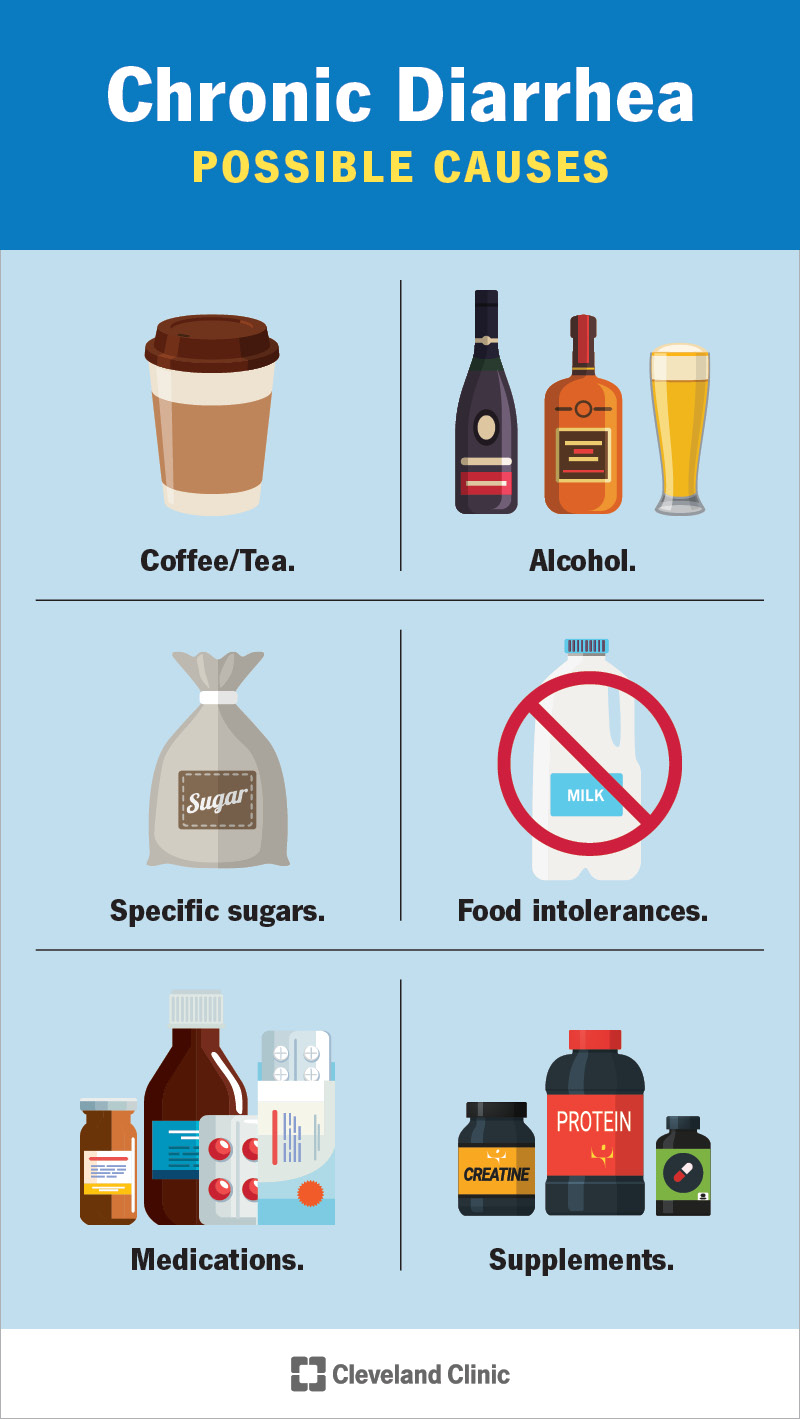
Chronic diarrhea can be caused by various underlying health conditions. Inflammatory bowel disease (IBD) is a common cause of chronic diarrhea and includes conditions such as ulcerative colitis and Crohn’s disease. Irritable bowel syndrome (IBS) is another condition that can cause chronic diarrhea. Celiac disease, an autoimmune disorder triggered by the consumption of gluten, can also lead to chronic diarrhea. Crohn’s disease, a chronic inflammatory condition affecting the digestive tract, is known to cause persistent diarrhea. Other possible causes of chronic diarrhea include intestinal disorders, food allergies or intolerances, malabsorption issues, endocrine disorders, and certain medications.
Causes of Diarrhea in Infants and Young Children
Diarrhea in infants and young children can be caused by similar factors as in adults, but there are also some unique causes to consider. Viral infections, such as rotavirus, are a common cause of diarrhea in this age group. Bacterial infections, such as Escherichia coli (E. coli) or Salmonella, can also lead to diarrhea. Parasitic infections, such as Giardia, can cause persistent diarrhea in infants and young children. Food allergies or intolerances, such as lactose intolerance or sensitivity to certain foods, can also result in diarrhea. Formula intolerance or malabsorption can occur in infants who are unable to digest or absorb certain components of formula properly. Gastrointestinal disorders, such as gastroenteritis or irritable bowel syndrome, may also be responsible for diarrhea in this age group.
Causes of Diarrhea in Older Adults
Older adults are more susceptible to certain causes of diarrhea due to age-related changes in the body and weakened immune systems. Medication side effects are a significant contributor to diarrhea in this age group. Certain medications, such as antibiotics, blood pressure medications, or nonsteroidal anti-inflammatory drugs (NSAIDs), can disrupt the normal functioning of the digestive system and lead to diarrhea. Infections, such as those caused by bacteria or viruses, can also result in diarrhea in older adults. Dietary issues, such as consuming foods that are difficult to digest or certain additives or sweeteners, can contribute to diarrhea. Changes in gut function, such as reduced motility or an imbalance of gut bacteria, can also contribute to diarrhea in older adults.
Causes of Diarrhea in Travelers
Travelers to foreign countries may experience diarrhea due to ingesting contaminated food or water. Contaminated food or water can contain harmful bacteria, viruses, or parasites that can cause diarrhea. This condition is commonly known as traveler’s diarrhea. The risk of getting traveler’s diarrhea can be higher in developing countries with poor sanitation and hygiene practices. It is important for travelers to take precautions such as practicing good hygiene, avoiding tap water and uncooked food, and consuming only well-cooked and packaged foods to reduce the risk of developing diarrhea.

Causes of Diarrhea in Patients with HIV/AIDS
Patients with HIV/AIDS may experience diarrhea due to various factors related to their weakened immune systems. Opportunistic infections, such as cytomegalovirus (CMV), cryptosporidium, or mycobacterium avium complex (MAC), can lead to diarrhea in individuals with HIV/AIDS. Additionally, antiretroviral medications used to manage HIV can cause gastrointestinal side effects, including diarrhea. Gastrointestinal manifestations of HIV/AIDS, such as HIV enteropathy or HIV-associated enteropathy, can also contribute to diarrhea in patients with the condition.
Causes of Diarrhea in People with Weakened Immune Systems
Individuals with weakened immune systems, such as those who have undergone organ transplants or are undergoing chemotherapy or radiation therapy, may be more prone to diarrhea. Organ transplant rejection can lead to diarrhea as the body reacts to the transplanted organ. Chemotherapy and radiation therapy can also disrupt the normal functioning of the gut, leading to diarrhea. These treatments can damage the lining of the intestines and affect the absorption of nutrients, resulting in diarrhea.
Risk Factors for Diarrhea
Several risk factors can increase the likelihood of developing diarrhea. Poor hygiene practices, such as inadequate handwashing or improper food handling, can contribute to the spread of infectious agents that cause diarrhea. Consuming contaminated food or water, especially in developing countries with inadequate sanitation, increases the risk of acquiring diarrhea-causing infections. Having a weakened immune system, whether due to a medical condition or medication, can make individuals more susceptible to diarrhea. Age can also be a risk factor, with infants, young children, and older adults being more prone to diarrhea. Traveling to developing countries with different hygiene standards and sanitation practices can expose individuals to bacteria, viruses, or parasites that can cause diarrhea.
Prevention and Treatment of Diarrhea
Preventing diarrhea involves adopting good hygiene practices, engaging in safe food preparation and storage, and taking necessary precautions while traveling. Good hygiene practices include proper handwashing with soap and water before eating, after using the bathroom, and after changing diapers. Safe food preparation and storage involve washing fruits and vegetables thoroughly, cooking food thoroughly, and storing food properly to prevent bacterial contamination. Rehydration therapy is crucial in managing diarrhea, especially in cases of dehydration. This involves drinking plenty of clear fluids or using oral rehydration solutions to replenish lost fluids and electrolytes. In some cases, antidiarrheal medications may also be prescribed to relieve symptoms and manage acute diarrhea. However, it is important to consult a healthcare professional for proper diagnosis and treatment recommendations.
In conclusion, diarrhea is a common condition that can be caused by various factors. Understanding the different causes of diarrhea can help individuals take appropriate preventive measures and seek appropriate treatment when necessary. Maintaining good hygiene practices, practicing safe food preparation and storage, and ensuring adequate hydration are key in managing and preventing diarrhea. If you experience persistent or severe diarrhea, it is important to consult a healthcare professional for proper evaluation and guidance. Remember, taking care of your gut health is essential for overall well-being. Stay healthy and take the necessary steps to prevent and treat diarrhea effectively.