
In the world of medical conditions, hyperkalemia is a term that you might not be familiar with, but it is something that can impact your health. Hyperkalemia refers to high levels of potassium in the blood, which can lead to a range of symptoms and complications. Fortunately, there are ways to manage this condition through both diet and medications. By making simple adjustments to your eating habits and taking prescribed medications, you can effectively manage your potassium levels and improve your overall health. Join us as we explore the strategies and tips for managing hyperkalemia, allowing you to take control of your well-being.
Understanding Hyperkalemia
Definition of Hyperkalemia
Hyperkalemia is a medical condition characterized by high levels of potassium in the blood. Potassium is an essential mineral that plays a crucial role in maintaining the function of various bodily systems, including nerve and muscle cells. However, when potassium levels exceed the normal range, it can lead to disruptions in the normal functioning of the heart, muscles, and other organs.
Causes of Hyperkalemia
There are several factors that can contribute to the development of hyperkalemia. Some common causes include:
-
Kidney Dysfunction: The kidneys play a vital role in filtering excess potassium from the blood and excreting it through urine. If the kidneys are not functioning properly, they may struggle to remove potassium effectively, leading to its accumulation in the bloodstream.
-
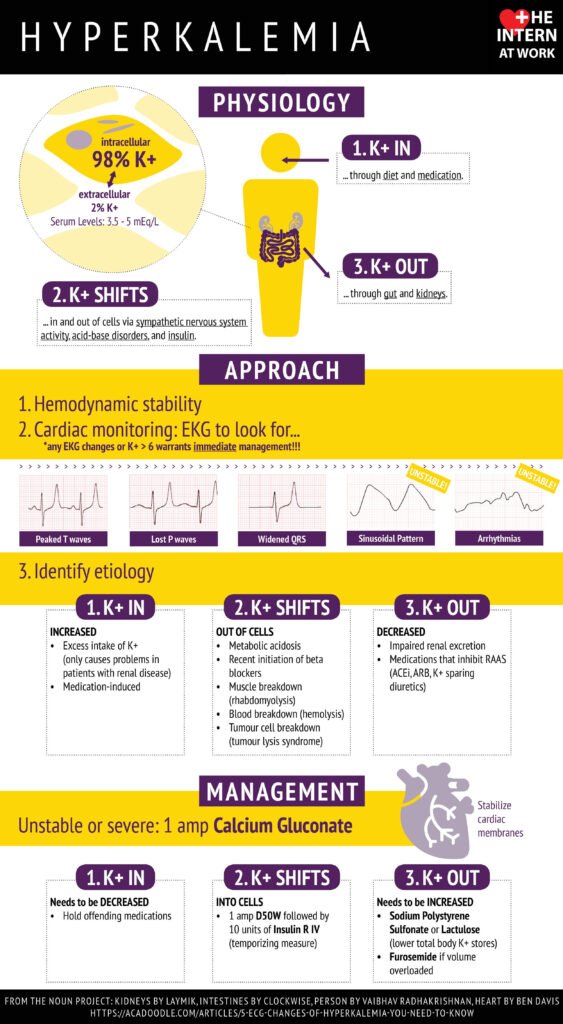
Certain Medications: Some medications, such as angiotensin-converting enzyme (ACE) inhibitors, angiotensin receptor blockers (ARBs), and potassium-sparing diuretics, can raise potassium levels in the blood. It is important to consult with a healthcare professional to assess the risk of hyperkalemia when taking these medications.
-
Acid-Base Imbalances: Acidosis, a condition characterized by excessive acidity in the blood, can cause potassium to shift from inside the cells to the bloodstream, leading to hyperkalemia.
-
Hemolysis: Hemolysis refers to the breakdown of red blood cells, which can release potassium into the bloodstream, resulting in high potassium levels.
-
Excessive Potassium Intake: Consuming a diet high in potassium or taking excessive potassium supplements can contribute to hyperkalemia, especially in individuals with compromised kidney function.
Symptoms of Hyperkalemia
Hyperkalemia may be asymptomatic in mild cases, making it challenging to detect without routine blood tests. However, as potassium levels continue to rise, individuals may experience the following symptoms:
-
Irregular Heartbeat: High potassium levels can interfere with the electrical signals that regulate the heart’s rhythm, potentially leading to palpitations, chest pain, or even life-threatening arrhythmias.
-
Muscle Weakness: Excess potassium can impair the proper functioning of muscles, causing weakness, fatigue, and cramping.
-
Nausea and Vomiting: Some individuals with hyperkalemia may experience digestive symptoms such as nausea, vomiting, and abdominal discomfort.
-
Tingling Sensation: Elevated potassium levels can affect nerve function, leading to tingling or numbness in the hands, feet, or other areas of the body.
-
Difficulty Breathing: In severe cases, hyperkalemia can result in respiratory distress and difficulty breathing.
Dietary Management of Hyperkalemia
Role of Diet in Hyperkalemia
Diet plays a vital role in the management of hyperkalemia. By making conscious choices about the foods we consume, it is possible to regulate potassium intake and maintain it within a safe range. For individuals with hyperkalemia, a low potassium diet is often recommended in order to prevent excessive potassium buildup in the blood.
Foods to Avoid in Hyperkalemia
When following a low potassium diet, it is important to avoid or limit the consumption of foods that are naturally high in potassium. Some examples of foods to avoid include:
- Bananas
- Oranges
- Tomatoes
- Potato (especially in large quantities)
- Avocado
- Spinach
- Beans and lentils
- Milk and dairy products
By avoiding these high-potassium foods, individuals can better control their potassium intake and reduce the risk of hyperkalemia.
Low Potassium Diet
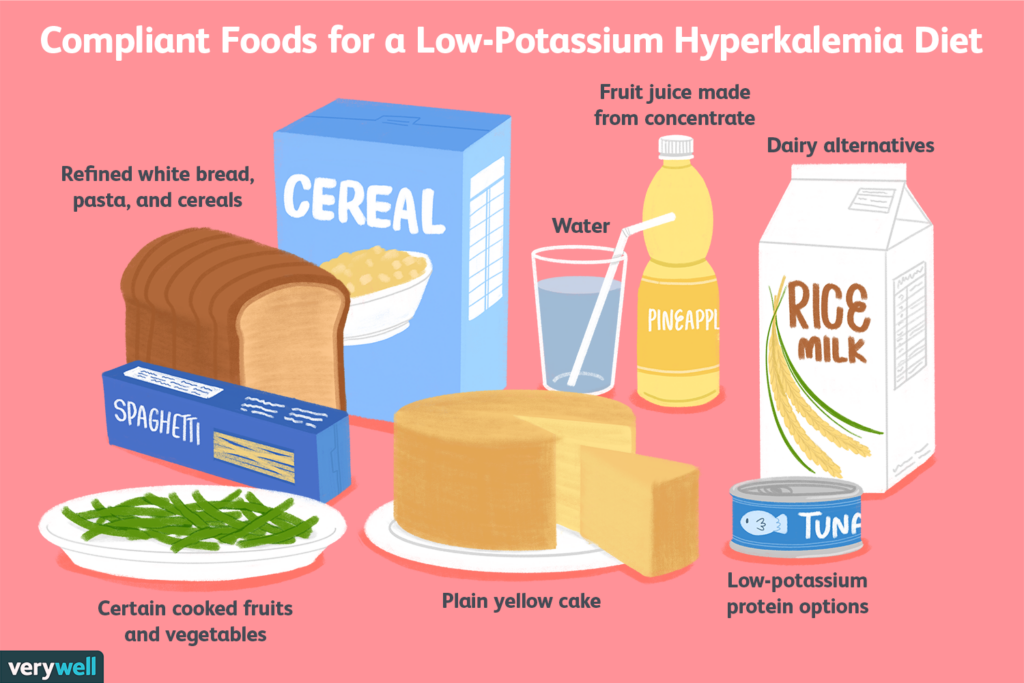
A low potassium diet focuses on consuming foods that are lower in potassium content, helping to maintain potassium levels within the desired range. Some examples of low-potassium foods include:
- Apples
- Berries (e.g., strawberries, blueberries)
- Cabbage
- Cauliflower
- Rice and pasta (when cooked in excess water)
- Chicken and fish (in moderation)
- Butter and margarine (in moderation)
It is important to work with a healthcare professional or registered dietitian to create an individualized meal plan that meets nutritional needs while managing hyperkalemia.
Tips for Reducing Potassium Intake
In addition to being mindful of high-potassium foods and incorporating low-potassium alternatives, there are other strategies that can help individuals reduce their potassium intake:
-
Cooking Techniques: Certain cooking techniques, such as boiling or soaking vegetables, can help leach out some of the potassium content, making it a safer choice for individuals with hyperkalemia.
-
Food Preparation: Peeling and cutting fruits and vegetables can further reduce their potassium content. Soaking them in water for several hours before cooking or eating can also help remove excess potassium.
-
Portion Control: Even low-potassium foods can contribute to potassium overload if consumed in excessive quantities. It is important to monitor portion sizes and maintain a balanced approach to ensure potassium intake remains within the desired range.

Medications for Hyperkalemia
Overview of Medications
In some cases, dietary modifications may not be sufficient to manage hyperkalemia, especially when potassium levels are significantly elevated or when underlying conditions are present. Medications may be prescribed to help reduce potassium levels and restore balance. There are several classes of medications commonly used in the management of hyperkalemia:
-
Diuretics: Diuretics are medications that increase the excretion of water and electrolytes, including potassium, through urine. They can be effective in managing hyperkalemia by promoting the elimination of excess potassium from the body.
-
Calcium Resins: Calcium resins work by binding to potassium in the gastrointestinal tract, preventing its absorption into the bloodstream. This helps lower potassium levels and can be particularly useful in cases where dietary changes alone are not sufficient.
-
Potassium Binders: Potassium binders are medications that bind to potassium in the digestive tract, preventing its absorption into the bloodstream. They are often prescribed for individuals with chronic kidney disease and can help control potassium levels.
It is important to consult with a healthcare professional to determine the most appropriate medication and dosage for managing hyperkalemia, as individual needs may vary.
Fluid Management
Importance of Fluid Intake
Maintaining proper fluid balance is critical in managing hyperkalemia. Sufficient fluid intake helps support kidney function and promotes the excretion of excess potassium from the body. It is recommended to consume an appropriate amount of fluids every day, as prescribed by a healthcare professional or registered dietitian.
Fluid Restriction
In some cases, fluid restriction may be recommended for individuals with specific underlying conditions or when fluid overload is a concern. Fluid restriction should always be done under the guidance of a healthcare professional to avoid complications associated with dehydration.
Types of Fluids to Consume
During hyperkalemia management, it is important to choose fluids that are low in potassium to avoid exacerbating the condition. Some examples of low-potassium fluids include:
- Water
- Unflavored or infrequently flavored clear broths
- Herbal tea (without added potassium-rich herbs)
- Limited amounts of clear fruit juices, such as apple juice (in moderation and after consulting with a healthcare professional)
It is important to read nutrition labels carefully, as some fruit juices and other beverages may contain added potassium. Opting for low-potassium alternatives can help maintain potassium levels within a safe range.
Lifestyle Changes to Manage Hyperkalemia
Regular Exercise
Regular exercise is beneficial for overall health and can also contribute to the management of hyperkalemia. Physical activity stimulates blood flow, cell functioning, and kidney function, which helps maintain optimal potassium balance in the body. It is important to consult with a healthcare professional before starting an exercise program to ensure it is safe and appropriate for individual needs.
Avoiding Certain Medications
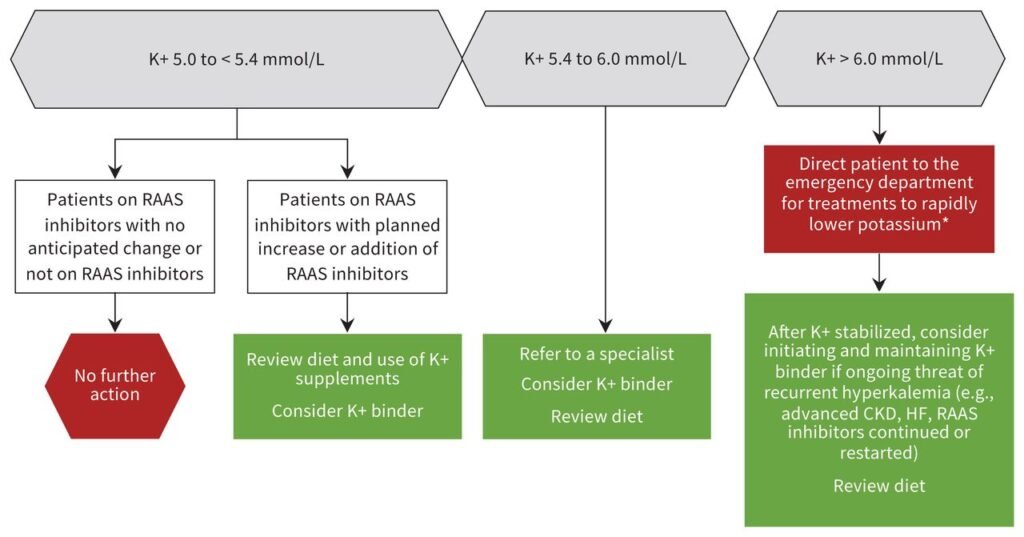
In addition to dietary changes, it is important to be aware of certain medications that may contribute to hyperkalemia. Medications such as ACE inhibitors, ARBs, and potassium-sparing diuretics can increase potassium levels in the blood. If hyperkalemia is a concern, it is recommended to discuss alternative medications or adjustments with a healthcare professional.
Monitoring Potassium Levels
Regular monitoring of potassium levels is crucial in managing hyperkalemia. Blood tests can help assess potassium levels and guide appropriate dietary and medication adjustments. Healthcare professionals will determine the frequency of testing based on individual needs and conditions.
Effects of Hyperkalemia on Other Organs
Hyperkalemia and Kidneys
Hyperkalemia can have a significant impact on kidney function. The kidneys play a vital role in maintaining proper potassium balance in the body, as they are responsible for filtering excess potassium and excreting it through urine. When potassium levels are high, it can put additional strain on the kidneys, potentially leading to further kidney damage. It is important to monitor and manage hyperkalemia to prevent any long-term adverse effects on kidney health.
Hyperkalemia and Heart
The heart is particularly sensitive to fluctuations in potassium levels. Elevated potassium levels can disrupt the normal electrical signals that regulate heartbeat, leading to potentially life-threatening arrhythmias. It is crucial to manage hyperkalemia to avoid cardiac complications and ensure the proper functioning of the heart.
Hyperkalemia and Muscles
Muscles, including skeletal muscles and those in the digestive system, can be affected by hyperkalemia. High potassium levels can interfere with muscle contraction, leading to weakness, fatigue, and cramping. Managing hyperkalemia helps maintain proper muscle function and prevents related symptoms.
Prevention of Hyperkalemia
Tips to Prevent Hyperkalemia
Prevention is key in managing hyperkalemia effectively. Some tips to prevent hyperkalemia include:
-
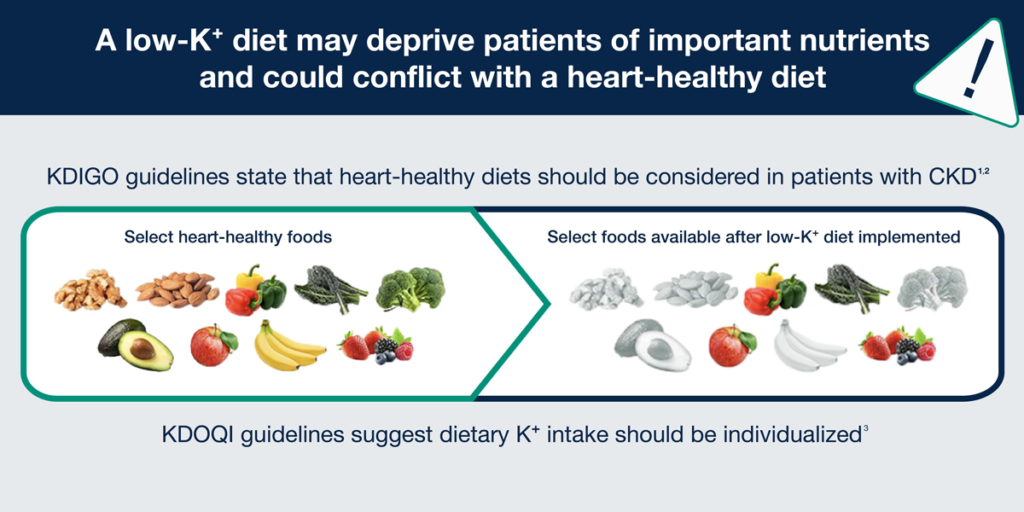
Eating a Balanced Diet: Maintain a balanced diet that includes sufficient potassium, but within recommended limits, by avoiding excessive consumption of potassium-rich foods.
-
Regular Fluid Intake: Stay hydrated and consume fluids as recommended by a healthcare professional to support kidney function and maintain electrolyte balance.
-
Medication Awareness: Be aware of medications that can increase potassium levels and discuss alternative options with a healthcare professional if hyperkalemia is a concern.
-
Regular Monitoring: Regularly monitor potassium levels through blood tests as prescribed by a healthcare professional to detect any potential imbalances and manage them promptly.
Regular Medical Check-ups
Regular medical check-ups are essential for individuals with or at risk of hyperkalemia. These check-ups allow healthcare professionals to monitor potassium levels, assess overall health, and make necessary adjustments to medication and lifestyle recommendations. Engaging in routine healthcare can help identify and manage hyperkalemia and related conditions effectively.
Potential Complications of Hyperkalemia
Cardiac Arrhythmias
One of the most significant complications of hyperkalemia is its impact on heart health, particularly the risk of cardiac arrhythmias. High levels of potassium can disrupt the electrical signals that coordinate the heart’s rhythm, potentially leading to irregular heartbeats or even cardiac arrest. Proper management of hyperkalemia is crucial to reduce the risk of cardiac arrhythmias and ensure the heart functions optimally.
Muscle Weakness
Hyperkalemia can severely impair muscle function, leading to weakness and fatigue. Muscles, including those involved in voluntary movements and even the muscles of the digestive system, can be affected. Managing hyperkalemia is essential to maintain normal muscle function and prevent muscle weakness or related symptoms.
Kidney Damage
Persistent hyperkalemia can have detrimental effects on kidney function and potentially lead to further kidney damage. The kidneys are responsible for maintaining potassium balance, and when potassium levels are consistently high, it can strain the kidneys and compromise their ability to regulate potassium effectively. Proper management of hyperkalemia is vital to prevent long-term kidney damage and maintain optimal kidney function.
Managing Hyperkalemia in Children
Special Considerations for Children
Hyperkalemia can also occur in children, and its management requires special considerations. Children may have different nutritional needs than adults and may be more susceptible to nutrient imbalances. It is important to work closely with a healthcare professional specializing in pediatric care to establish appropriate dietary and medical management strategies for children with hyperkalemia.
Pediatric Medications
Medications used to manage hyperkalemia in children may differ from those prescribed to adults. Pediatric dosages and formulations may be adjusted based on a child’s age, weight, and specific needs. It is crucial to consult with a healthcare professional experienced in pediatric care to determine the most suitable medications and dosages for managing hyperkalemia in children.
Dietary Tips for Children
When managing hyperkalemia in children, dietary modifications become particularly crucial. Providing a balanced and nutrient-dense diet that is low in potassium while meeting the child’s nutritional needs is essential. A registered dietitian can help develop a tailored meal plan that takes into account the child’s preferences, dietary restrictions, and individual requirements.
Consulting with a Healthcare Professional
Importance of Medical Advice
It is important to emphasize the significance of seeking medical advice when managing hyperkalemia. A healthcare professional, such as a primary care physician or a specialist, can provide the necessary guidance and personalized recommendations to effectively manage hyperkalemia. They will consider various factors such as individual health status, medication history, and specific dietary needs to develop an appropriate treatment plan.
Collaborating with a Dietitian
When managing hyperkalemia, collaborating with a registered dietitian can greatly assist in creating a comprehensive plan that addresses dietary concerns. A dietitian can assess the individual’s dietary habits, preferences, and medical history to develop a personalized low potassium meal plan. They can also educate individuals on food preparation techniques and portion control to help maintain a balanced diet and manage hyperkalemia effectively.
Following a Treatment Plan
Hyperkalemia requires ongoing management to prevent complications and maintain overall health. Following a comprehensive treatment plan developed in collaboration with healthcare professionals is crucial. This may include adhering to dietary modifications, taking prescribed medications, monitoring potassium levels, and attending regular medical check-ups. By actively participating in the treatment plan, individuals can effectively manage hyperkalemia and reduce the risk of related complications.
In conclusion, hyperkalemia is a medical condition characterized by high levels of potassium in the blood. It can be caused by various factors, including kidney dysfunction, certain medications, and acid-base imbalances. Recognizing the symptoms of hyperkalemia is important for early detection and treatment. Dietary management, including a low potassium diet, plays a significant role in managing hyperkalemia, along with medications prescribed by healthcare professionals. Fluid management and lifestyle changes, such as regular exercise and medication awareness, also contribute to effective management. It is crucial to be aware of the potential complications of hyperkalemia, such as cardiac arrhythmias, muscle weakness, and kidney damage, and take preventive measures. Managing hyperkalemia in children requires special considerations, including tailored dietary plans and appropriate medications under pediatric guidance. Consulting with healthcare professionals, collaborating with dietitians, and following a treatment plan are all vital aspects of effectively managing hyperkalemia and maintaining optimal health.