
In this article, you will gain a clear understanding of the potential risks that come with high blood sugar. With a friendly tone, we will explore the important information you need to know about this condition. Discover the detrimental effects it can have on your overall health, from affecting your heart and kidneys to increasing the risk of developing complications such as diabetes. Get ready to gain valuable insights that will empower you to take control of your health and make informed decisions to maintain optimal blood sugar levels.
Understanding the Dangers of High Blood Sugar

What is High Blood Sugar?
High blood sugar, also known as hyperglycemia, refers to an elevated level of glucose (sugar) in the bloodstream. Glucose is the primary source of energy for our body’s cells, and it is derived from the food we eat. However, when there is an imbalance in the production and utilization of insulin, a hormone that helps regulate blood sugar levels, it can lead to high blood sugar. This condition is commonly associated with diabetes, but it can also occur in individuals without a diabetes diagnosis.
Causes of High Blood Sugar
Several factors can contribute to high blood sugar levels. One of the main causes is insufficient insulin production or impaired insulin function in the body. In individuals with type 1 diabetes, the immune system mistakenly attacks and destroys the insulin-producing cells in the pancreas. In type 2 diabetes, the body becomes resistant to the effects of insulin, resulting in elevated blood sugar levels.
Other factors that can cause high blood sugar include poor diet choices, sedentary lifestyle, certain medications, stress, illness or infection, and hormonal disorders. It is essential to identify the underlying cause of high blood sugar to effectively manage and prevent further complications.

Symptoms of High Blood Sugar
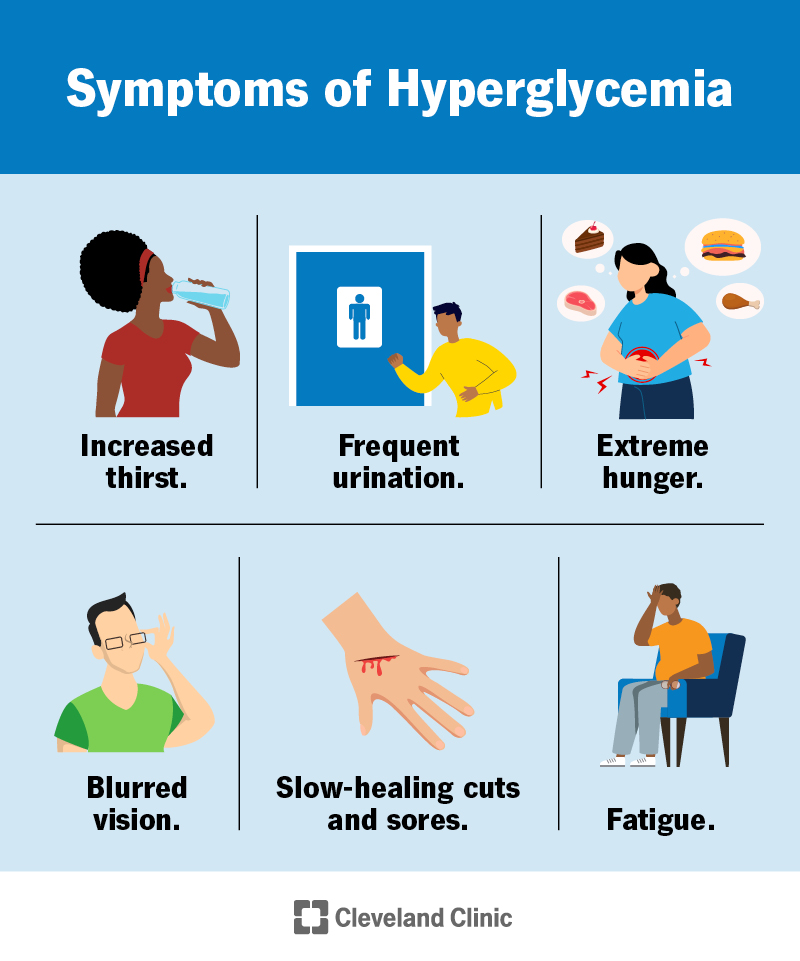
Recognizing the symptoms of high blood sugar is crucial in managing the condition promptly. Some common symptoms include increased thirst and urination, unexplained weight loss, fatigue, blurred vision, frequent infections, slow wound healing, and recurrent headaches. If you experience any of these symptoms persistently, it is advisable to consult a healthcare professional for proper evaluation and diagnosis.
Complications of High Blood Sugar
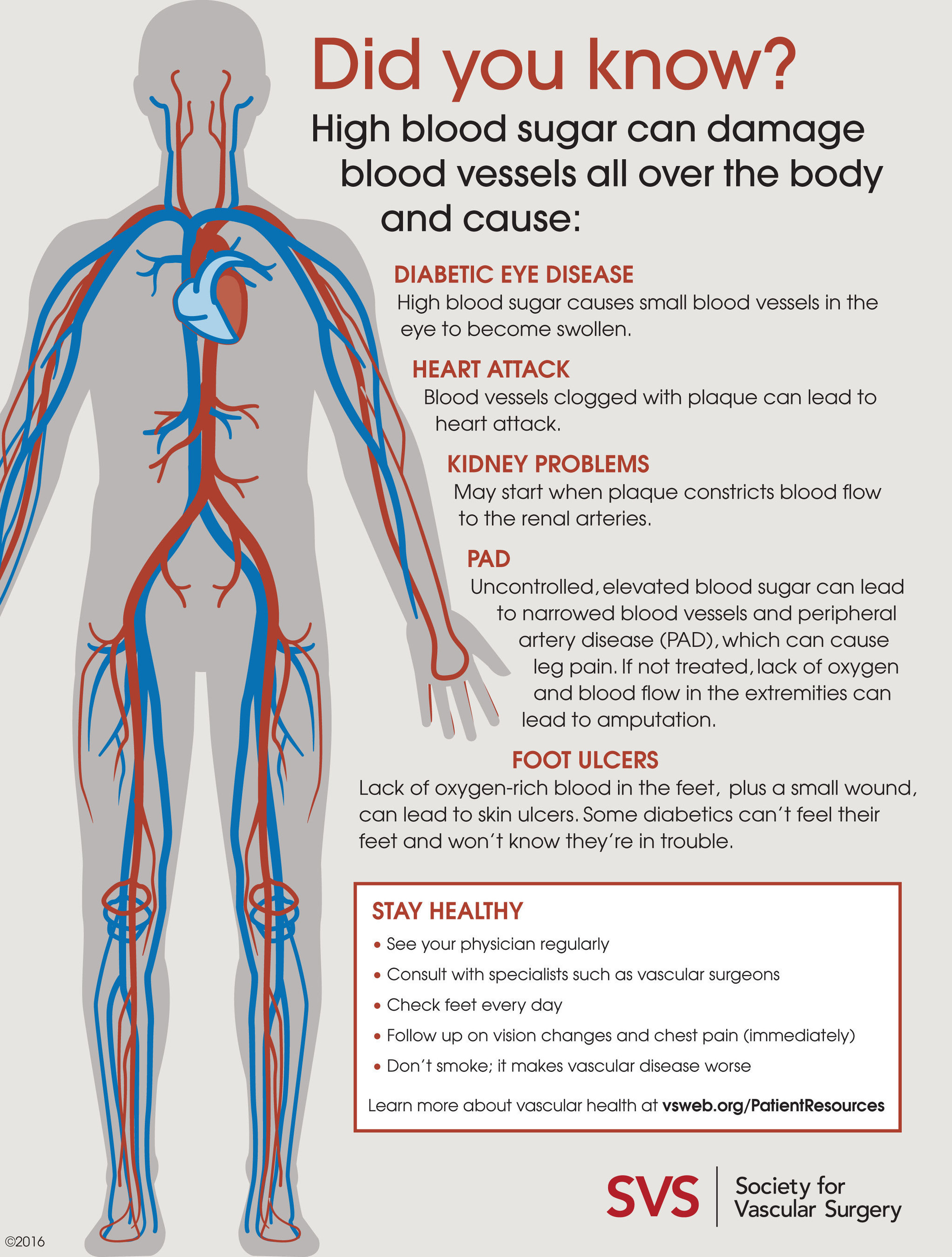
Uncontrolled high blood sugar levels can have severe long-term complications. These complications can affect various organs and systems in the body. Some common complications associated with high blood sugar include cardiovascular diseases such as heart attack and stroke, kidney damage, nerve damage (neuropathy), eye problems (diabetic retinopathy), and foot problems that may require amputation. Additionally, high blood sugar can lead to complications during pregnancy and increase the risk of developing certain types of cancer.

Effects on the Body
Persistently high blood sugar levels can have detrimental effects on the body. When blood sugar is elevated, the excess glucose can attach to proteins, causing a process called glycation. Glycation can lead to the production of harmful molecules called advanced glycation end-products (AGEs). These AGEs can accumulate over time and contribute to various complications associated with diabetes, such as inflammation, oxidative stress, and tissue damage.
Furthermore, high blood sugar can impair the function of blood vessels, leading to poor circulation. This can affect the delivery of oxygen and nutrients to the body’s tissues, resulting in slower wound healing and an increased risk of infections.
Impact on Cardiovascular Health
High blood sugar is closely linked to an increased risk of cardiovascular diseases. The excess glucose in the bloodstream can damage blood vessels and impair their ability to dilate and contract properly. Over time, this can lead to atherosclerosis, a condition characterized by the buildup of plaque within the arteries. Atherosclerosis can restrict blood flow, leading to heart attacks, strokes, and other cardiovascular complications.
It is crucial to manage blood sugar levels through a combination of lifestyle modifications, regular exercise, and appropriate medication to reduce the risk of cardiovascular diseases.
Risk of Diabetes
Persistent high blood sugar levels can increase the risk of developing type 2 diabetes, a chronic condition characterized by insulin resistance and impaired glucose regulation. Individuals with elevated blood sugar levels are often diagnosed with prediabetes, a condition in which the blood sugar levels are higher than normal but not high enough to be classified as diabetes. However, without intervention and lifestyle changes, prediabetes can progress to type 2 diabetes.
Preventive measures such as maintaining a healthy weight, consuming a balanced diet, and engaging in regular physical activity can significantly reduce the risk of developing diabetes.
High Blood Sugar and Cognitive Function
Research suggests that high blood sugar levels can have a detrimental impact on cognitive function and increase the risk of cognitive decline and dementia, including Alzheimer’s disease. Elevated blood sugar levels can damage blood vessels in the brain, leading to reduced blood flow and impaired oxygen delivery. Additionally, high blood sugar triggers inflammation and oxidative stress, both of which can contribute to neuronal damage and cognitive impairment.
Managing blood sugar levels, adopting a healthy lifestyle, and following a balanced diet rich in antioxidants and nutrients can help protect cognitive function and mitigate the risk of cognitive decline.
High Blood Sugar and Vision
Uncontrolled high blood sugar levels can have profound effects on vision. The most common eye complication associated with high blood sugar is diabetic retinopathy, a condition that damages the blood vessels in the retina, the part of the eye responsible for vision. If left untreated, diabetic retinopathy can lead to vision loss and even blindness.
Individuals with high blood sugar are also prone to other eye problems such as cataracts and glaucoma. Regular eye examinations and proper management of blood sugar levels are essential in preserving vision and preventing irreversible damage.
Preventing High Blood Sugar
Preventing high blood sugar involves making lifestyle adjustments and adopting healthy habits. Regular physical activity plays a crucial role in managing blood sugar levels as it helps the body utilize glucose more efficiently. Additionally, a well-balanced diet that emphasizes whole grains, lean proteins, healthy fats, and plenty of fruits and vegetables can help regulate blood sugar levels.
It is also important to monitor blood sugar levels regularly, take prescribed medications as directed, and maintain a healthy weight. Managing stress levels, getting enough sleep, and staying hydrated are additional steps that can contribute to preventing high blood sugar.
In conclusion, understanding the dangers of high blood sugar is vital for maintaining overall health and preventing complications. By being aware of the causes, symptoms, and potential complications, individuals can take proactive steps to manage their blood sugar levels effectively. With proper lifestyle modifications and regular medical care, it is possible to maintain optimal blood sugar levels and reduce the risk of long-term complications associated with high blood sugar.