
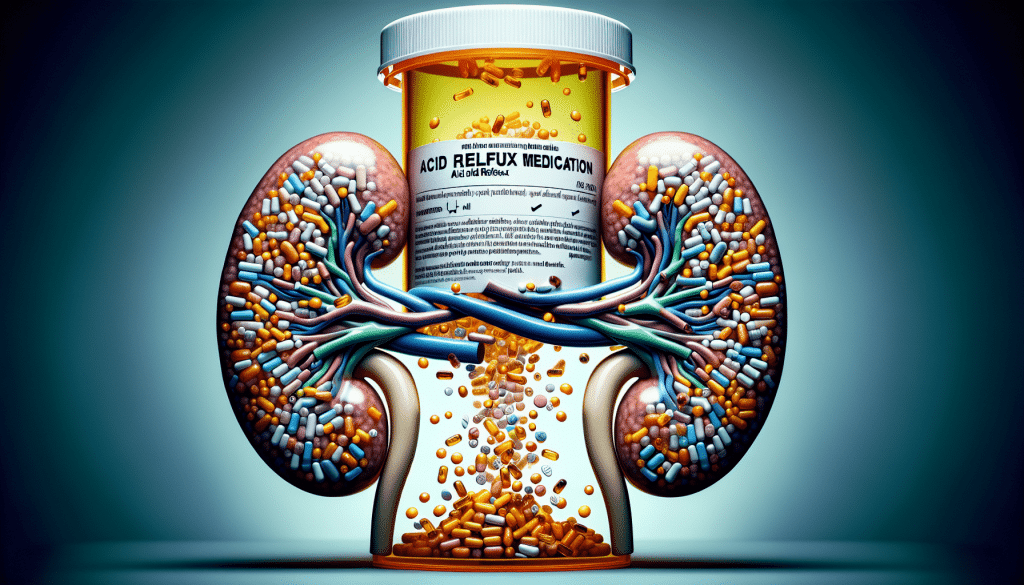
If you have ever experienced the uncomfortable burning sensation of acid reflux, then you know just how essential acid reflux medication can be in providing relief. However, recent studies have raised concerns about the potential link between long-term use of acid reflux medication and the development of kidney disease. It is important to understand this potential connection and its implications for your overall health and well-being. In this article, we will explore the possible link between acid reflux medication and kidney disease, offering valuable insights to help you make informed decisions about your treatment options.

Introduction
Welcome to this comprehensive article on the link between acid reflux medication and kidney disease. Acid reflux medication is commonly prescribed to individuals who suffer from acid reflux, a condition where stomach acid flows back up into the esophagus, causing heartburn and other uncomfortable symptoms. However, recent studies have suggested a potential connection between the long-term use of acid reflux medication and the development of kidney disease. In this article, we will explore what acid reflux medication is, what kidney disease is, and the possible link between the two. We will also discuss the types of acid reflux medication associated with kidney disease, as well as the risk factors, symptoms, complications, and prevention and management strategies. So let’s get started!
What is Acid Reflux Medication?
Definition
Acid reflux medication, also known as gastroesophageal reflux disease (GERD) medication, refers to a group of drugs designed to relieve symptoms of acid reflux. The primary goal of acid reflux medication is to reduce the production of stomach acid or neutralize the existing acid in order to alleviate the discomfort caused by acid reflux. These medications can provide relief to those who suffer from frequent heartburn, regurgitation, and other symptoms associated with acid reflux.
Types of Acid Reflux Medication
There are several types of acid reflux medication available on the market. The two main categories of acid reflux medication are proton pump inhibitors (PPIs) and histamine H2 blockers (H2 blockers). PPIs work by blocking the enzyme responsible for acid production in the stomach, while H2 blockers decrease the production of acid by blocking histamine, a chemical that stimulates acid secretion. Antacids, another type of acid reflux medication, work by neutralizing the acid present in the stomach. These medications are available in different forms, such as tablets, capsules, and liquids, and can be obtained both over-the-counter and through prescription.

What is Kidney Disease?
Definition
Kidney disease, also known as renal disease, refers to the impairment of kidney function. The kidneys play a crucial role in filtering waste products and excess fluid from the blood, as well as regulating electrolyte balance and blood pressure. When the kidneys are unable to perform these functions properly, waste products, fluid, and electrolytes can build up in the body, leading to various health complications. Kidney disease can be acute, meaning it develops suddenly and is often reversible, or chronic, which is a long-term condition that progresses slowly and may eventually lead to kidney failure.
Types of Kidney Disease
There are different types of kidney disease, each with its own causes, symptoms, and treatment options. The most common types include:
-
Chronic Kidney Disease (CKD): CKD is a progressive condition characterized by a gradual loss of kidney function over time. It can be caused by various factors, such as diabetes, high blood pressure, kidney infections, and certain medications. As CKD progresses, the kidneys become less able to filter waste and excess fluids from the blood, leading to a buildup of toxins and fluid retention in the body.
-
Acute Kidney Injury (AKI): AKI refers to a sudden and temporary loss of kidney function, often caused by acute conditions such as severe dehydration, infections, or drug toxicity. If left untreated, AKI can lead to permanent kidney damage or even kidney failure.
-
Polycystic Kidney Disease (PKD): PKD is an inherited disorder characterized by the growth of numerous fluid-filled cysts in the kidneys. These cysts can gradually enlarge over time, leading to kidney enlargement, kidney function impairment, and an increased risk of developing other complications, such as high blood pressure and kidney stones.
The Link Between Acid Reflux Medication and Kidney Disease
Studies and Research
Recent studies have suggested a potential link between the long-term use of acid reflux medication and the development of kidney disease. One study published in JAMA Internal Medicine found a 20-50% higher risk of developing CKD in individuals who regularly used PPIs compared to those who did not. Another study published in the Journal of the American Society of Nephrology reported a higher risk of AKI in patients who used PPIs compared to those who did not.
Possible Mechanisms
The exact mechanisms behind the link between acid reflux medication and kidney disease are not yet fully understood. However, some theories have been proposed. It is believed that long-term use of acid reflux medication, particularly PPIs, may lead to changes in the gut microbiome, which can affect the production and absorption of certain substances that play a role in kidney function. Additionally, acid reflux medication may reduce the levels of prostaglandins in the kidneys, which are important for maintaining renal blood flow and protecting against kidney damage.
Commonly Prescribed Acid Reflux Medications
Some of the commonly prescribed acid reflux medications that have been associated with an increased risk of kidney disease include:
-
Proton Pump Inhibitors (PPIs): PPIs are widely used to treat acid reflux and are available both over-the-counter and through prescription. Examples of PPIs include omeprazole, esomeprazole, and lansoprazole.
-
H2 Blockers: H2 blockers, such as ranitidine and famotidine, are another class of acid reflux medication. They work by reducing the production of stomach acid.
-
Antacids: Antacids, including calcium carbonate and magnesium hydroxide, are available over-the-counter and provide temporary relief by neutralizing stomach acid.

Types of Acid Reflux Medication Associated with Kidney Disease
Proton Pump Inhibitors (PPIs)
PPIs have been the focus of many studies linking acid reflux medication to kidney disease. These medications have been associated with an increased risk of CKD and AKI. It is important to note that the risk appears to be higher in individuals who use PPIs for an extended period of time or in high dosages.
H2 Blockers
While studies on H2 blockers and kidney disease are limited, some research suggests that these medications may also be associated with a higher risk of kidney problems. However, the evidence is not as strong as with PPIs, and further studies are needed to establish a clear link.
Antacids
Antacids, although generally considered safe for short-term use, may not be entirely without risk when used excessively or for prolonged periods. Overuse of antacids can disrupt the body’s natural acid balance and potentially contribute to kidney dysfunction.
Risk Factors for Developing Kidney Disease from Acid Reflux Medication
Long-term Use of Medication
Long-term use of acid reflux medication, especially PPIs, has been identified as a significant risk factor for the development of kidney disease. The longer an individual takes these medications, the higher the likelihood of kidney damage.
High Dosage
Higher dosages of acid reflux medication have been associated with an increased risk of kidney disease. It is important to use these medications as prescribed by a healthcare provider and to avoid self-medicating or exceeding the recommended dosage.
Pre-existing Kidney Conditions
Individuals with pre-existing kidney conditions, such as CKD or PKD, may be more susceptible to kidney damage from acid reflux medication. It is crucial for such individuals to discuss the risks and benefits of these medications with their healthcare provider.
Other Health Factors
Certain health factors, such as older age, obesity, diabetes, and high blood pressure, can further increase the risk of developing kidney disease from acid reflux medication. It is essential for individuals with these conditions to closely monitor their kidney function and consult with their healthcare provider regarding the use of these medications.
Symptoms and Complications of Kidney Disease
Early Symptoms
In the early stages of kidney disease, individuals may experience mild symptoms such as fatigue, increased urination, foamy or bubbly urine, swelling in the legs and ankles, and difficulty concentrating. These symptoms can often be overlooked or attributed to other causes, leading to delayed diagnosis and treatment.
Advanced Symptoms
As kidney disease progresses, symptoms may become more pronounced and include decreased urine output, fluid retention, high blood pressure, changes in appetite, nausea, vomiting, itching, muscle cramps, and bone pain. These advanced symptoms require prompt medical attention and intervention.
Complications
If left untreated, kidney disease can lead to various complications, such as fluid overload, electrolyte imbalances, anemia, bone disease, cardiovascular problems, and kidney failure. Early detection and appropriate management are crucial in preventing or slowing down the progression of these complications.
Prevention and Management
Regular Kidney Function Monitoring
Individuals who are on long-term acid reflux medication should undergo regular kidney function tests to monitor their kidney health. These tests can include blood tests to measure kidney function markers, such as creatinine and glomerular filtration rate (GFR), as well as urine tests to assess the presence of protein or other abnormalities.
Medication Considerations
It is important to discuss the risks and benefits of acid reflux medication with a healthcare provider before initiating or continuing treatment. In some cases, alternative medications or lower dosages may be recommended to minimize the risk of kidney damage.
Lifestyle Modifications
Making certain lifestyle modifications can also help reduce the risk of developing kidney disease. This includes maintaining a healthy weight, managing blood pressure and blood sugar levels if applicable, staying hydrated, avoiding excessive salt and alcohol consumption, and quitting smoking.
Alternative Treatment Options
In some cases, non-pharmacological treatment options may be considered to manage acid reflux symptoms and reduce the reliance on medication. These can include dietary adjustments, such as avoiding trigger foods, elevating the head of the bed during sleep, and incorporating stress-reducing techniques.
Consultation with Healthcare Provider
If you are currently taking acid reflux medication or have concerns about your kidney health, it is important to consult with your healthcare provider. They can provide personalized advice and guidance based on your specific needs and medical history.
Conclusion
While acid reflux medication can provide relief for individuals suffering from acid reflux, it is crucial to be aware of the potential link between long-term use of these medications and kidney disease. Regular monitoring of kidney function, discussing medication options with healthcare providers, making lifestyle modifications, and exploring alternative treatment options can all play a role in preventing and managing kidney disease. Remember, your health is always a priority, and being informed about the possible risks and taking proactive steps can help ensure the well-being of your kidneys.